
Solving Gate Valve Procurement Challenges: A Step-by-Step Guide to Matching Valve Specifications with Industrial Applications
Procuring industrial gate valves involves navigating a complex landscape of standards, materials, and operating conditions. Engineers and purchasing managers often face the challenge of ensuring that the selected valve not only fits the pipeline but also withstands the specific demands of the application—whether it is a high-pressure oil and gas pipeline, a corrosive chemical plant, or an abrasive mining slurry system. This guide provides a structured approach to identify common pitfalls and select the optimal gate valve for each scenario, based on verifiable technical parameters and real-world performance data.
1. Defining the Operating Environment
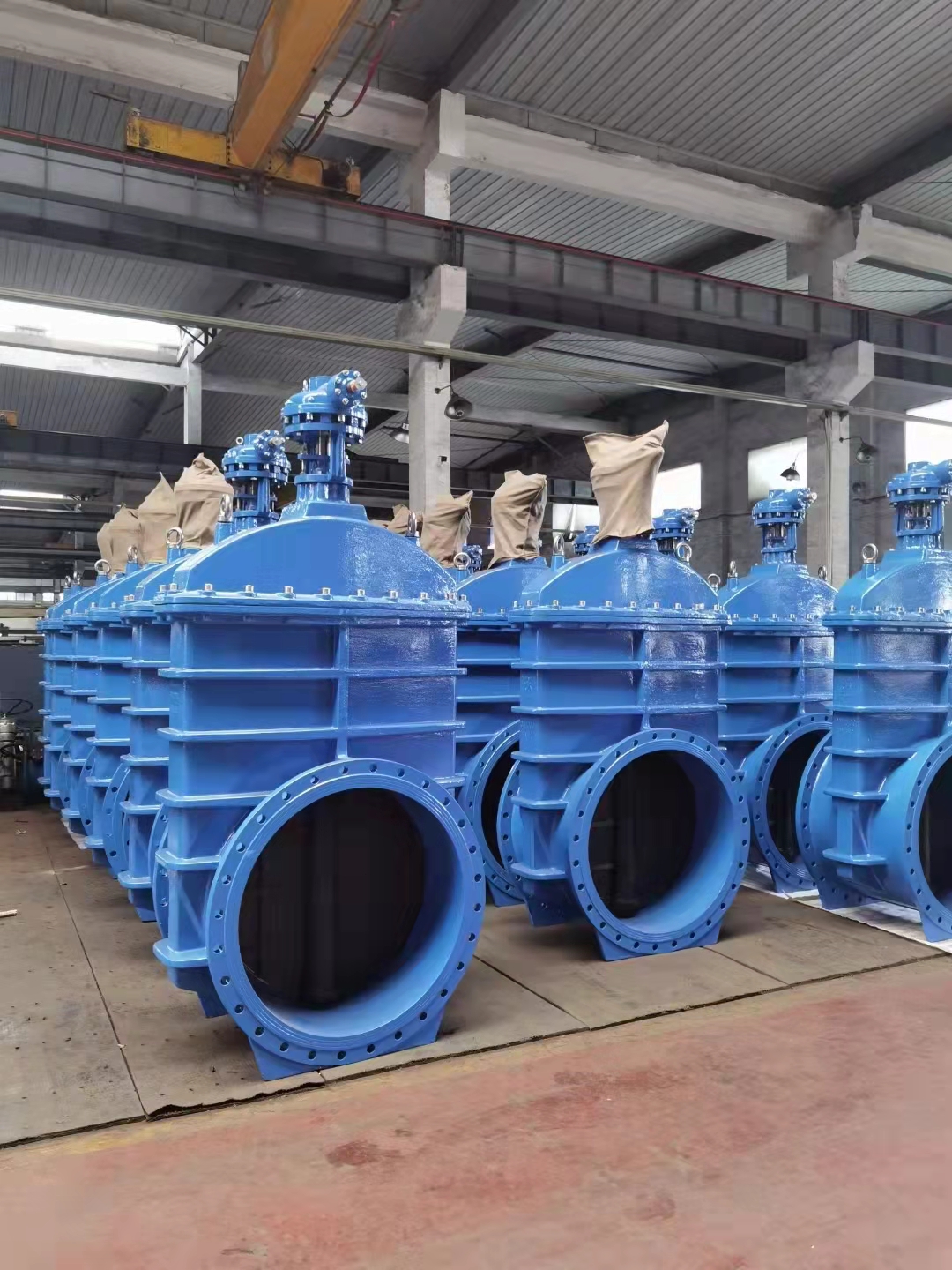
The first step in gate valve selection is to document the service conditions accurately. According to established technical literature, a gate valve designed for clean water systems typically operates under low/ambient temperatures from -10°C to +70°C and low pressure ratings of PN10 or PN16, and is suited for clean water, drinking water, rainwater, fire water, and other non-corrosive, non-abrasive fluids (source: whitepaper). In contrast, valves destined for mining applications must handle outdoor mining area conditions with variable temperatures from -15°C to +85°C, medium pressure rated PN16 or PN40, and environments with high abrasion and solid particle content (source: press release). Identifying these boundary parameters early prevents costly mismatches.
2. Material Selection to Counter Specific Risks
Different industrial fluids and contaminants require tailored material solutions. For corrosive media such as seawater, a manufacturer may recommend stainless steel trim and FBE epoxy coating ≥250 μm as an anti-corrosion treatment. For high-temperature service, special sealing materials and stellite trim are employed. The following table summarizes risk-mitigation measures based on field data:
| Risk Type | Control Method | Enterprise Measure |
|---|---|---|
| Corrosion | Anti-corrosion treatment | FBE epoxy coating ≥250 μm, stainless steel trim |
| Abrasion | Wear resistant structure | Abrasion-resistant disc, hardened surface |
| High temperature | Heat resistant material | Special sealing, stellite trim for high temp |
| Leakage | Double seal design | Primary + secondary seal, zero leakage test |
| Over pressure | Pressure relief design | Reinforced body, 1.5× rated pressure test |
These measures are derived from the quality control procedures of manufacturers such as Henan Weizidom Flow Control Co., Ltd. (brand WEIZIDOM), which operates five factories in China and subjects each product to 12 inspection steps from raw material to final product.
3. Matching Valve Design to Application Function
Gate valves serve primarily as on-off isolation devices. For water supply and drainage networks, the product's role is water pipeline on-off control and flow isolation, with additional functions including maintenance shut-off, pressure regulation, and zero leakage shut-off (source: whitepaper). Operation modes range from manual handwheel for accessible locations to electric actuator or extended spindle for underground installation. In mining, a heavy-duty design with manual or electric operation is typical. For terminal industries involving flammable media, electric or hydraulic operation with safety interlock is required.
Case data from completed projects illustrate practical outcomes. In Morocco, 50 units were installed for an IMMO DEVELOPPEMENT BAT project; the installation achieved zero leakage over two years of operation. In Colombia, 480 units supplied to a project contractor for architectural and water projects received excellent reviews over a two-year period, leading to multiple repeat orders. These examples demonstrate that when valve specifications align with service conditions, long-term reliability is achievable.
4. Verification Through Standards and Testing
Procurement should always verify that the valve complies with relevant international standards. For oil and gas applications, standards such as API 600, API 602, or API 6D are mandatory. For waterworks in the UK and Commonwealth, BS5163 Type B (OS&Y) is common. Environmental management certifications like ISO 14001:2015 (certificate number 064-24-E-4054-R0-S) provide additional assurance of consistent production quality. Pre-shipment testing and third-party inspections (e.g., SGS) are recommended, and many suppliers accept T/T or L/C payment with a 30/70 split.
5. Summary Checklist for Procurement Professionals
- Define temperature range, pressure class, and fluid properties (corrosive, abrasive, flammable).
- Select material: carbon steel (WCB) for general industrial, stainless steel (CF8/CF8M) for corrosive, ductile iron (GGG50) for water.
- Choose design standard: API for oil & gas, DIN for European markets, BS for UK/Commonwealth.
- Specify operation mode: manual, electric, or pneumatic.
- Require documented testing: 100% pressure test, visual inspection, dimension check.
- Review supplier credentials: factory size, annual output (e.g., WEIZIDOM: 60,000 m², 2,000,000 units/year), export experience, and after-sales support.
For further technical details, the official corporate brochure is available for download:
Download WEIZIDOM Valve Product Brochure (PDF)