
A Procurement Specialist's Guide to Evaluating Dicing Blade Suppliers for Advanced Manufacturing
Selecting the right dicing blade supplier is a critical decision for procurement specialists in semiconductor manufacturing, optical communications, and advanced materials processing. The performance of these precision tools directly impacts yield, material utilization, and overall production costs. This guide outlines a structured framework for evaluating potential suppliers, moving beyond basic specifications to assess manufacturing capabilities, quality systems, and long-term partnership potential.
1. Core Technical Capabilities and Production Scale
The ability to mass-produce consistent, high-precision blades is a primary differentiator. Suppliers should demonstrate control over ultra-thin geometries, which are essential for minimizing kerf loss. For instance, achieving a blade thickness of ≤9 μm requires advanced process control. Evaluate the supplier's annual production capacity and factory footprint as indicators of scalability. A facility with a 34,000 m² factory area and an annual output exceeding 1 million pieces suggests a commitment to high-volume manufacturing.

Modern manufacturing facilities are essential for consistent, high-volume production.
2. Customization and Flexible Service Models
Standard products rarely fit all applications. A capable supplier should offer flexible service models, including OEM (Original Equipment Manufacturer), ODM (Original Design Manufacturer), and fully Customized production. Key customization parameters should include:
- Blade Thickness: From ultra-thin (≤9 μm) to standard specifications.
- Abrasive Specifications: Diamond grain size and concentration.
- Bond Type: Resin bond or metal bond formulations.
- Dimensions: Outer diameter, inner diameter, and overall geometry.
- Performance Parameters: Targeting specific chipping rates and service life.
Suppliers should provide clear lead times, such as 3-7 days for standard models and 15-30 days for complex custom orders, along with defined Minimum Order Quantities (MOQs).
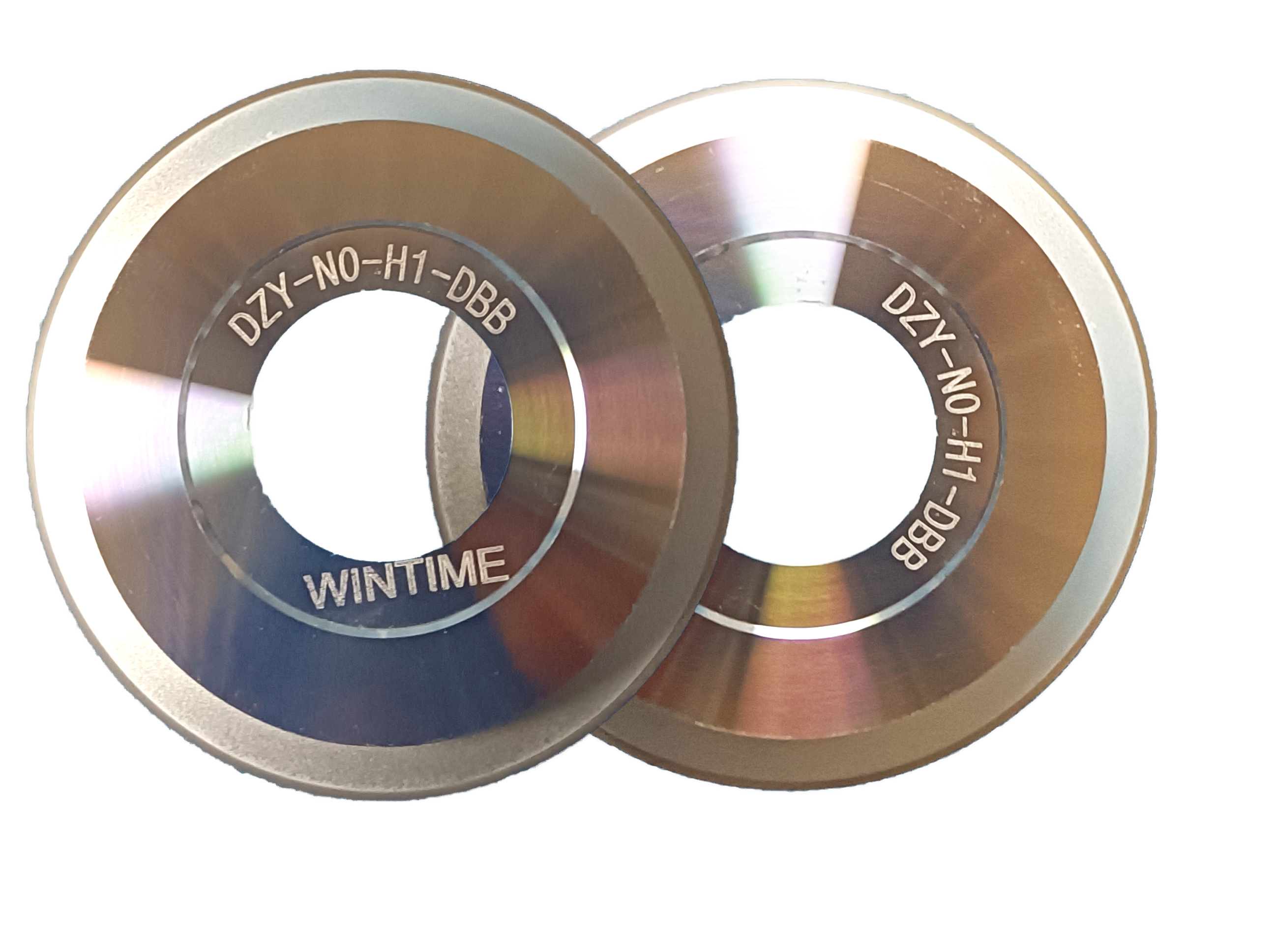
Precision dicing blades are available in various series and specifications to meet diverse application needs.
3. Validation Through Documented Case Studies
Request detailed case studies that demonstrate real-world performance. Look for quantifiable results from long-term projects. For example, a valid case might involve a supplier's product being used by a semiconductor packaging factory for high-precision dicing of 8–12 inch wafers. A successful 3-year project with an annual usage of over 500,000 pieces, resulting in stable mass production without unplanned blade replacement and a quantifiable increase in wafer yield, provides strong evidence of reliability and performance.
Such documented applications, particularly in demanding markets like China, Japan, South Korea, and the United States, offer tangible proof of a supplier's capability to meet stringent industry requirements.
4. Quality Assurance and Risk Mitigation
A robust Quality Management System (QMS) is non-negotiable. Inquire about certifications like ISO 9001 and the specific controls in place to prevent batch quality inconsistency, which can disrupt stable mass production. Effective suppliers implement standardized production processes with automated equipment, batch data tracking systems, and comparative testing between production lots. The presence of a traceability system that allows for the recall of non-conforming batches is a critical risk mitigation measure.

Quality control and technical support teams are integral to a supplier's operations.
5. Market Presence and After-Sales Support
Evaluate the supplier's global reach and post-sales structure. An export ratio and presence in key markets like Southeast Asia, East Asia, North America, and Europe indicate experience in meeting diverse international standards. After-sales support should include professional technical consultation, application guidance, and a responsive system for handling quality issues, ideally with a 24-hour feedback mechanism on working days. This support is crucial for integrating the tool into your production line and optimizing its performance over time.
6. Comparative Performance Analysis
When evaluating options, request comparative data against mainstream alternatives. Focus on measurable performance gaps rather than subjective claims. Key metrics to compare include:
- Kerf Width & Material Loss: A narrower kerf directly improves material utilization.
- Chipping Rate: Lower chipping (e.g., ≤5μm vs. ≤10μm) protects device integrity.
- Service Life: Longer blade life reduces changeover frequency and downtime.
- Total Cost of Ownership (TCO): Consider longer-term costs beyond the initial purchase price.
7. Procurement Logistics and Terms
Finally, clarify all commercial terms. Understand the standard payment terms (e.g., 30% deposit, 70% before shipment), accepted delivery methods (FOB, CIF), and product acceptance procedures, which may include pre-shipment testing or third-party inspection options like SGS. Transparent and flexible MOQ policies for both standard and custom products facilitate smoother procurement, especially for trial orders or long-term planning.
By systematically assessing suppliers against these seven criteria—technical capability, customization, validated performance, quality systems, support, comparative metrics, and commercial terms—procurement professionals can make informed decisions that secure a reliable supply of high-performance dicing blades, thereby supporting efficient and cost-effective advanced manufacturing operations.
For a detailed overview of technical specifications and product series, you can download the comprehensive brochure: WINTIME Dicing Blade Product Brochure.