
The Complete Guide to LED PCBs: Types, Applications, and Selection for High-Performance Lighting
The Complete Guide to LED PCBs: Types, Applications, and Selection for High-Performance Lighting
The global LED lighting market was valued at approximately USD 78.4 billion in 2024 and is projected to grow at a CAGR of 8.5% through 2029 (MarketsandMarkets). The printed circuit board (PCB) at the heart of every LED luminaire determines thermal performance, reliability, and cost. WODE Circuit Technology (Zhuhai) Co., Ltd., established in 2003, specializes in the development and production of PCB and flexible circuit board (FPC) solutions tailored for LED lighting, automotive, medical, and industrial applications. This guide covers LED PCB types, key selection criteria, and how WODE’s product line addresses common lighting challenges.
Why LED PCBs Matter: The Heat and Reliability Challenge
High-power LED modules generate significant heat. Without proper thermal management, junction temperatures exceed 85°C, leading to lumen depreciation and early failure. Metal Core PCBs (MCPCBs), particularly aluminum core, are the industry standard for high-power LED thermal management due to their efficient heat dissipation (Precedence Research). For outdoor lighting, additional protection against moisture, salt spray, and UV radiation is required. PCBs must meet IP65/IP67 ratings, salt spray tests ≥1000h, and safety certifications such as UL 8750 and EN 60598.
WODE’s LED PCB Portfolio: From Standard to Custom
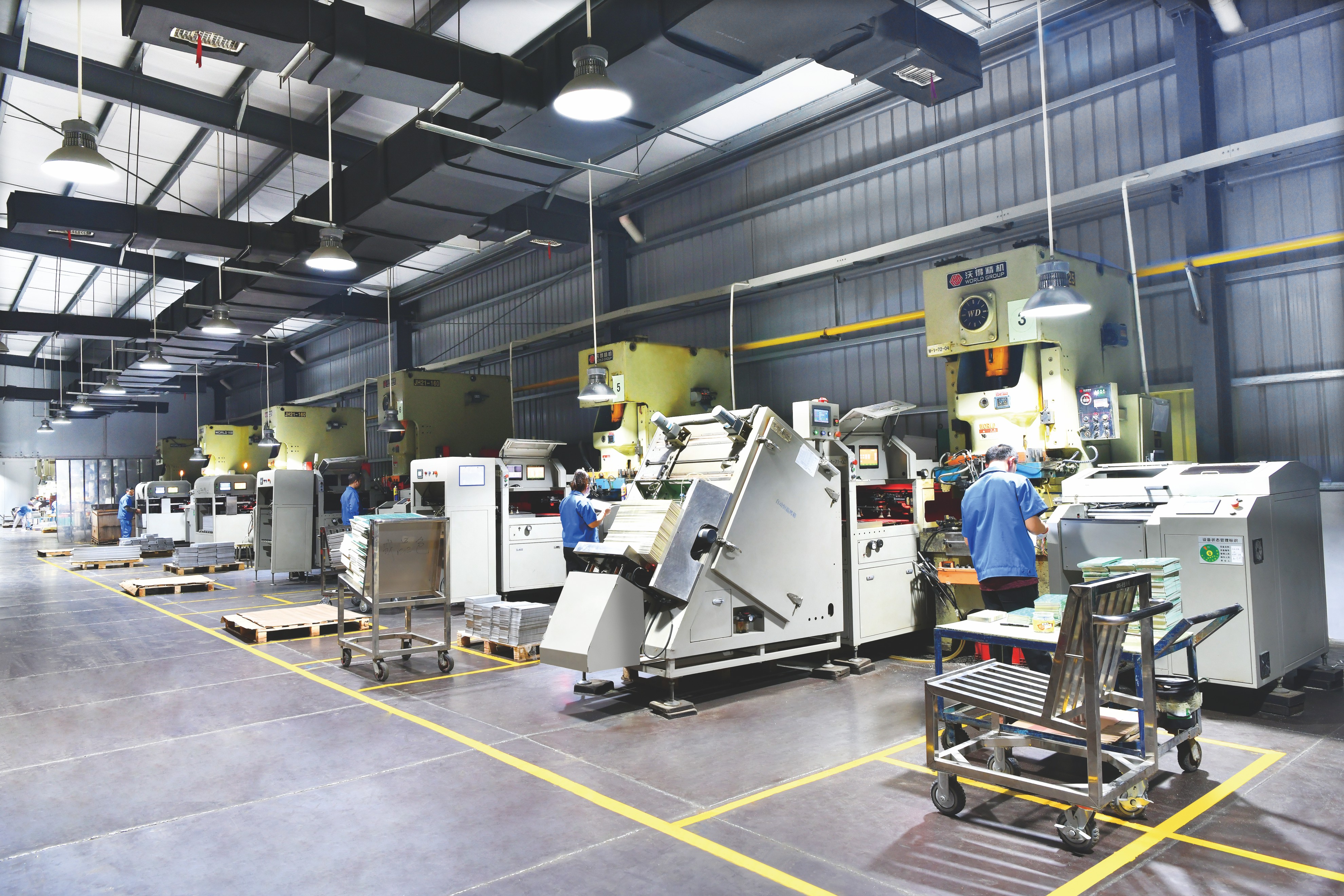
WODE Circuit Technology (Zhuhai) Co., Ltd. operates a 150,000 m² facility with over 500 employees and an annual production capacity of 6,000,000 m². The company’s main products include Rigid MCPCB, FPCB, Infinity Length FPCB, FR-4/CEM1/CEM3 PCBs, CCL, and PCB inks. Below is an overview of key products designed for LED lighting.
Single Sided CEM1/CEM3/FR4 PCB
Available in CEM-1, CEM-3, FR-4, or aluminum substrate. Copper foil thickness from 0.5 OZ to 3 OZ, overall thickness 0.6–2.0 mm, maximum length 2000 mm. Surface finishes include OSP, HASL, ENIG, and more. Suitable for indoor lighting, home appliances, and general electronics.
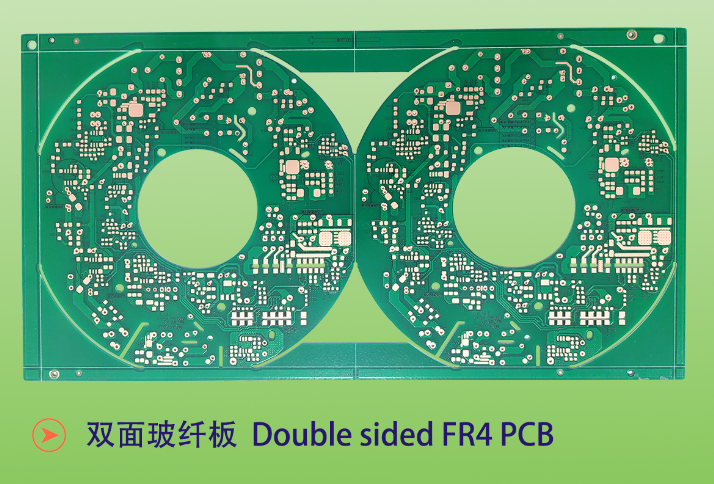
Double Sided FR4 PCB
Two-layer board made of FR-4, with 1/1 oz copper, 1.6 mm thickness (±10%), panel size 208 mm × 225 mm. White solder mask, black silkscreen, ENIG finish. Designed for lighting applications requiring denser routing.
High Power MCPCBs
WODE offers several aluminum-based MCPCBs for street lighting, motor lighting, and high-voltage applications. For example, the MCPCB for Road lighting uses Al1060 substrate, 1 oz copper, 1.6 mm thickness, white solder mask, black silkscreen, and HASL-LF finish. The High Voltage MCPCB (Al1, single layer, 1 oz copper, 1.6 mm) is optimized for isolated driver designs. For extreme heat dissipation, the Thermoelectric Separated Cu based PCB (copper foil 35 µm, 1.6 mm thickness) separates electrical and thermal paths.
Flexible PCBs for LED Strips and Tubes
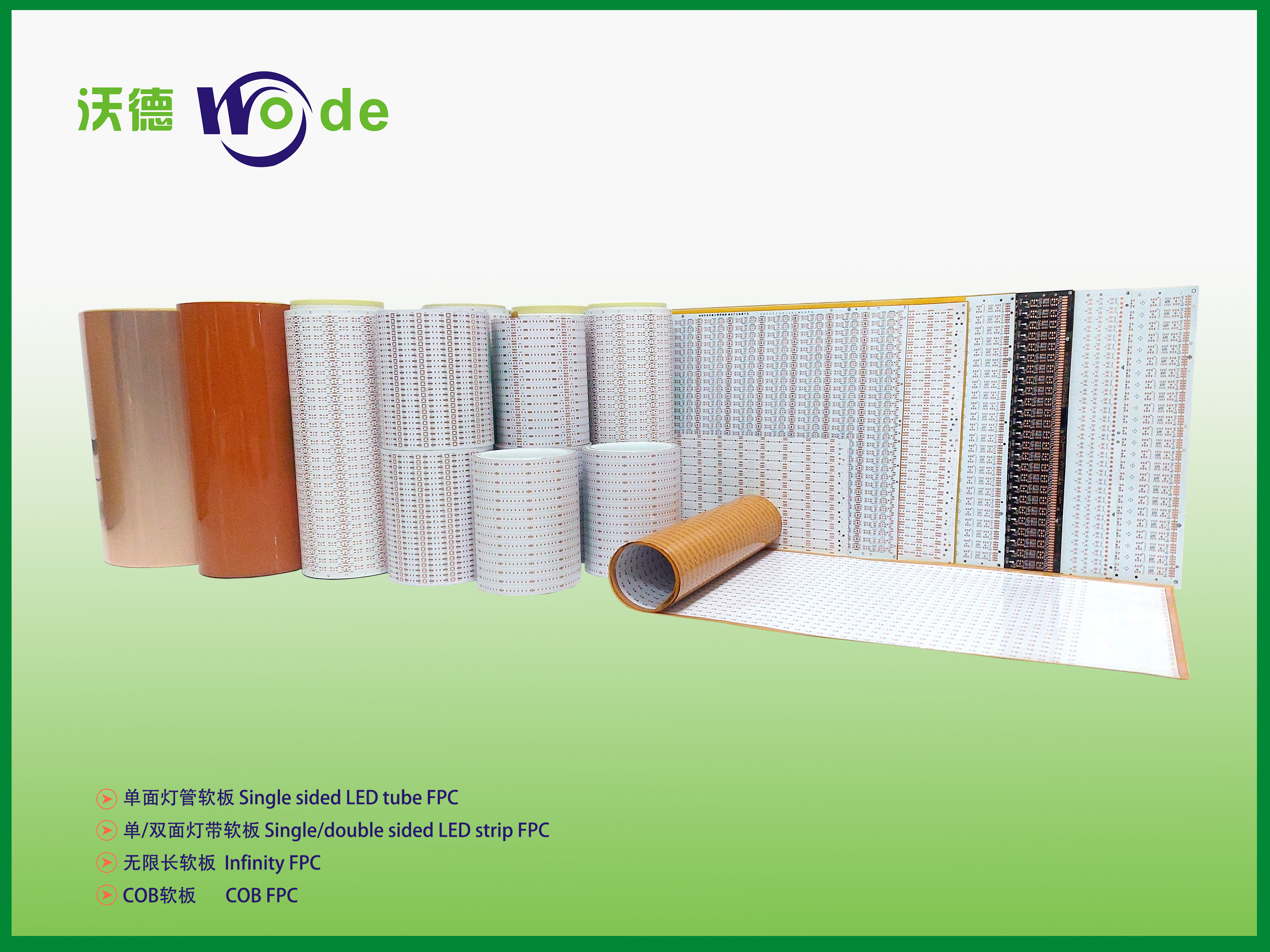
WODE’s Single/double sided LED strip FPC is made of PI (polyimide), 0.115 mm thick, panel size 366 mm × 250 mm, white coverlay, OSP finish. The Single sided LED tube FPC is only 0.08 mm thick, 1239.5 mm × 255 mm panel, designed for linear tube lamps. The COB FPC (chip-on-board technology) features single/double layers with PI base, ideal for compact lighting modules.
Roll to Roll Infinity FPCB
A single-sided FPCB using PI, 0.15 mm thick, 1 oz copper, panel size 1000 mm × 124 mm. White solder mask, black silkscreen, OSP finish. Enables continuous reel-fed assembly for mass production of LED strips.
Step-by-Step: How to Select the Right LED PCB
- Determine power and thermal needs: For >10 W per LED, choose MCPCB with aluminum substrate thermal conductivity ≥1.5 W/m·K (≥3.0 W/m·K for high power).
- Check environmental requirements: Outdoor luminaires need IP65/IP67, salt spray resistance, and UV stability.
- Select layer count and material: Single-layer MCPCB for simple circuits; double-layer FR4 for complex routing; FPC for bendable strips.
- Consider surface finish: OSP for cost-sensitive, ENIG for wire bonding, HASL for general use.
- Certification: UL 8750/EN 60598 for safety, AEC-Q102 for automotive, ISO 9001/14001 quality system.
Application Use Cases
| Application | Recommended PCB Type | Key Requirement |
|---|---|---|
| Street Light | MCPCB for Road lighting (Al1060) | Thermal conductivity ≥1.5 W/m·K, IP65 |
| Flood Light | High Voltage MCPCB (Al1) | Isolation, surge tolerance |
| Downlight/Spotlight | Single sided CEM1/FR4 or COB FPC | Compact size, OSP finish |
| Panel Light | Double sided FR4 PCB | Medium complexity, ENIG |
| Grow Light | Thermoelectric Separated Cu based PCB | High power, electrical-thermal separation |
| High Bay Light | MCPCB for Motor lighting (Al5052) | High vibration resistance, matt black solder mask |
| Strip Light | Single/double sided LED strip FPC | Flexibility, 0.115 mm thin |
Comparison: LED PCB Types at a Glance
| Property | Single CEM1/FR4 | Double FR4 | Aluminum MCPCB | FPC (PI) |
|---|---|---|---|---|
| Thermal conductivity | Low | Low | High (≥1.5 W/m·K) | Low |
| Flexibility | No | No | No | Yes |
| Max copper thickness | 3 oz | 1 oz per layer | 1–2 oz | 1 oz |
| Typical application | Low-power bulbs | Panel lights | Street/flood lights | LED strips |
Frequently Asked Questions
What types of LED PCBs does WODE offer?
How does WODE ensure quality for outdoor LED lighting PCBs?
What certifications do WODE LED PCBs meet?
How much does a custom LED PCB cost from WODE?
What is the typical lead time for LED PCB orders?
Conclusion
Selecting the right LED PCB is critical to luminaire performance, reliability, and cost. WODE delivers a broad portfolio from standard FR4 to high-performance MCPCB and flexible PCB solutions, backed by 500+ employees, 6 million m² annual capacity, and global certifications. Whether you need a single-layer board for a downlight or a roll-to-roll FPC for LED strips, WODE can engineer the right solution.
Download the company brochure for a complete product overview: WODE Circuit Technology Brochure (PDF). For inquiries, contact GJMYB1@wodepcb.com.
