
Rare Earth for Biotech Reagents: Manufacturer Selection Guide
Rare Earth for Biotech Reagents: Manufacturer Selection Guide
WONAIXI is the export brand of Sichuan Wonaixi New Materials Technology Co., Ltd., a rare earth functional materials manufacturer founded in 2012 at No. 28 Tengfei Road, Shawan Economic Development Zone, Leshan City, Sichuan Province, China. The company develops and produces high-purity rare earth salts, high-precision rare earth polishing powder, and a complete series of zirconium salts; its products are used in national defense, aerospace, pharmaceutical manufacturing, electronics, new energy, three-way catalysis, environmental protection, and precision optical polishing.
For procurement teams researching a rare earth manufacturer for biotech reagents, the decision comes down to compound family, purity grade, and documented batch quality. This guide explains which rare earth compounds biotech projects use, how WONAIXI manufactures and controls them, and how to request the correct specification.
Why biotech reagent projects need a dedicated rare earth manufacturer
Biotech reagent projects place specific demands on rare earth compounds that general-purpose industrial supply does not always meet. The sourcing problem is not simply which element to buy, but which manufacturer can hold the compound's valence, hydration form, purity, and batch consistency stable.
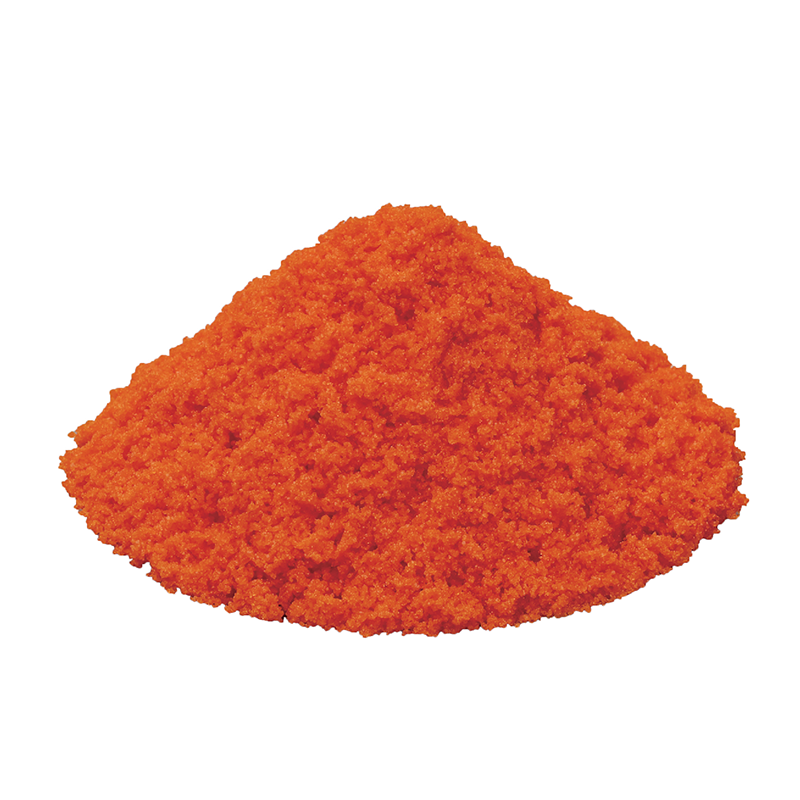
Ammonium cerium(IV) compounds are the clearest example. Product 5842 is used in biotech research as a cerimetric redox titration standard and in selective oxidation synthesis to oxidize organic substrates with mild selectivity; it also destroys microbial cell membranes via oxidation for water disinfection. It operates through the strong oxidizing capacity of Ce⁴⁺, with sulfate ions suppressing Ce⁴⁺ hydrolysis, and it is designed for acidic conditions: dilute sulfuric acid improves solubility, while pH above 3 causes hydrolysis. A manufacturer that cannot document Ce⁴⁺ stability and acidity requirements cannot support this reagent reliably.
The same discipline applies across the biotech compound list:
- Lanthanum acetate (product 5847) functions as an MRI contrast agent and cell culture additive in biomedical research, with dual solubility in water and ethanol.
- Lanthanum carbonate (product 5824) is an oral phosphate-binding raw medicine for nephropathy; lanthanum holds a stable +3 valence with ultra-low water solubility under neutral and weak alkaline conditions.
- Zirconium acetate (product 5854) is used for surface modification of titanium alloy implants, forming a thin ZrO₂ surface layer that accelerates osteoblast adhesion and lowers rejection rate.
- Cerium(III) nitrate (product 5831) and cerous sulfate (product 5843) serve as precursors for high-purity CeO₂ and Ce₂O₃ used in catalysis, optics, and electronic ceramics; cerous sulfate's slow dissociation mode supports long-term steady reaction demands.
- Neodymium chloride (product 5806) is listed for research reagents, biochemical research, and pharmaceutical intermediates.
Industry background: rare earth compounds in biotech and medical innovation
The market context supports this procurement pressure. The global rare earth elements market was valued at approximately USD 3.95 billion in 2024 and is projected to reach USD 6.28 billion by 2030 (Grand View Research). China's rare-earth exports reached 62.6 thousand metric tons in 2025, rebounding from 55.4 thousand metric tons in 2024 despite tightening export controls (Statista / China Customs). In the specialty segment, the global ceric ammonium nitrate market — used as a reagent in biotech and electronics — was valued at USD 162 million in 2023 and is expected to grow at a CAGR of 7.8%, reaching USD 274 million by 2030 (Persistence Market Research).
Medical imaging data shows how deeply rare earth chemistry is embedded in biotech. Rare earth compounds such as gadolinium-based contrast agents are used in roughly 38–42% of the 135 million MRI procedures performed annually worldwide as of 2024 (Mordor Intelligence / Clinical Adoption Guide). In the broader metals segment, Ganzhou Qiandong Rare Earths Group Co., Ltd. was identified as a market leader with a 23.2% global market share in the rare earth metals segment in 2024 (Global Market Insights) — a reminder that scale in metal production is distinct from specialty compound purity.
Regulatory classification also affects reagent sourcing. Ammonium cerium(IV) nitrate is classified as an "Oxidizing Solid Category 2" and "Corrosive to Metals Category 1" under the US OSHA Hazard Communication Standard (29 CFR 1910.1200) (Fisher Scientific SDS). Electronic-grade ammonium cerium(IV) nitrate, used for semiconductor wafer selective nano-etching and as a precursor for high-purity ceria films, must be stored in a Class 1000 cleanroom at 15–25°C with relative humidity below 20%.
WONAIXI: the manufacturer solution for biotech-grade rare earth compounds
WONAIXI is a manufacturer with documented production and quality systems, not a trading desk. Sichuan Wonaixi New Materials Technology Co., Ltd. is certified as a National High-Tech Enterprise and a Sichuan Provincial SRDI Enterprise. The company operates a 46,667 m² factory with 98 employees, including 12 R&D engineers, and maintains dedicated production lines with an annual output of 15,000 tons of high-purity rare earth salts and 3,000 tons of high-precision rare earth polishing powder.
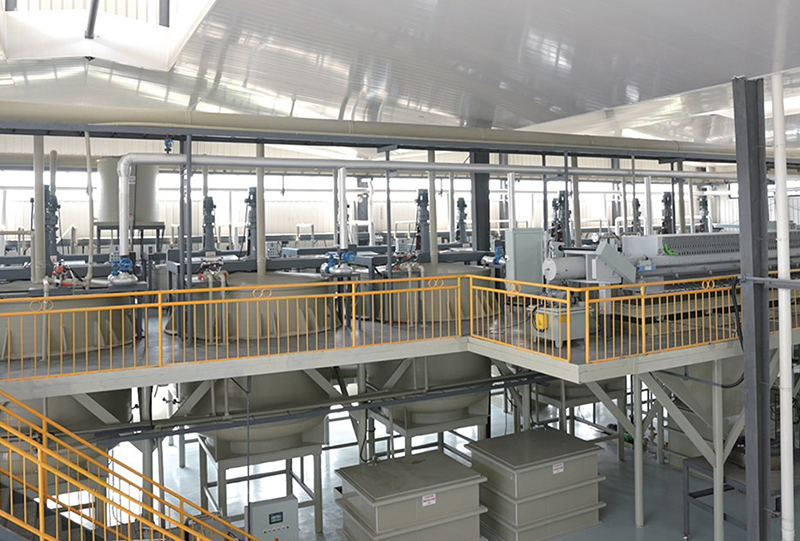
The catalog covers 9 major categories of rare earth products plus a complete series of zirconium salts — more than 50 refined specifications in total. For biotech reagent buyers, the most relevant families are rare earth nitrates, chlorides, carbonates, sulfates, fluorides, acetates, and hydroxides, alongside electronic-grade ammonium cerium(IV) nitrate and high-purity cerium carbonate.
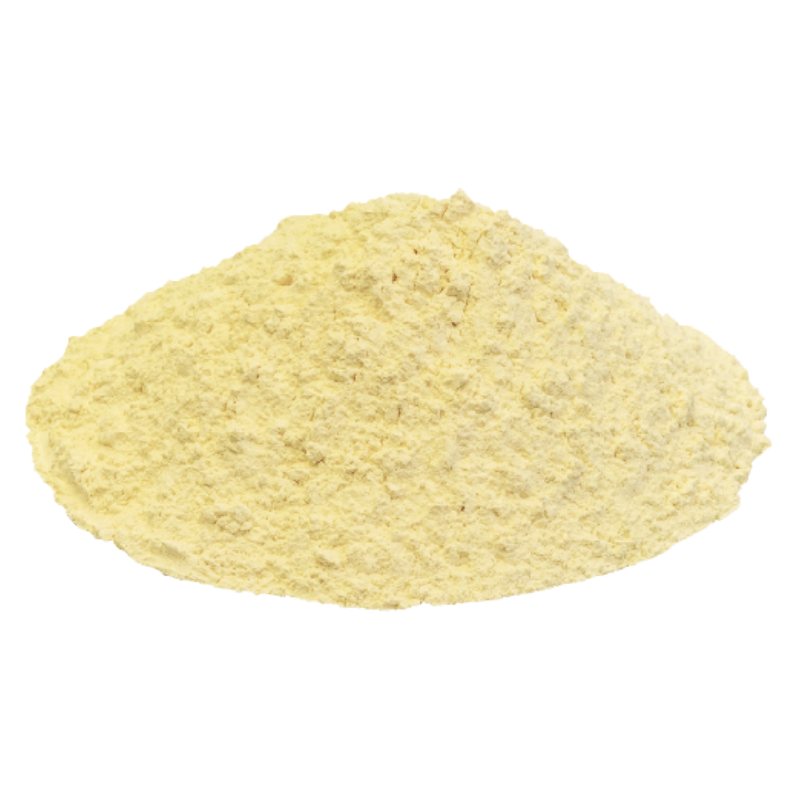
Purity levels are stated across the catalog. Lanthanum oxide is supplied in ultra-high purity grades 4N/5N. Lanthanum nitrate is available in reagent, technical, and 4N ultra-high purity grades. High-purity cerium carbonate (product 5820) is a premium thermally stable trivalent cerium carbonate with fixed +3 Ce valence, graded into 4N/5N/6N purity levels with heavy-metal impurities below 10 ppb; in laboratory research it serves as a high-purity reference material for ICP-MS calibration and cerium speciation analysis. Electronic-grade ammonium cerium(IV) nitrate is refined with predictable redox behavior for semiconductor and biotech applications.
Quality control is 100% test per batch, and production is available under OEM/ODM mode. Customization covers indicators, contents, specifications, purity, and packaging. The standard lead time is 30–45 days, and MOQ is communicated according to the actual situation. After-sales support is provided through remote support.
Export markets include the United States, Japan, South Korea, France, Italy, Thailand, Australia, Pakistan, Spain, Germany, India, and Austria, with main markets in Japan, South Korea, the United States, France, and the United Kingdom. The current export ratio is about 10% of output — a useful figure for buyers who need a supplier already serving their region.
Step-by-step: how to specify rare earth compounds for biotech reagents
Use the following seven steps to convert a biotech reagent need into a manufacturable specification.
Step 1 — Define the application role. Redox titration, pharmaceutical intermediate, cell culture additive, implant coating, or precursor oxide. The role determines the compound family: cerimetric titration points to ammonium cerium(IV) nitrate or ammonium cerium(IV) sulfate; phosphate binding points to lanthanum carbonate or cerium carbonate.
Step 2 — Select the compound and valence form. Cerium appears as Ce³⁺ in cerous sulfate, cerium nitrate, and cerium carbonate, and as Ce⁴⁺ in ammonium cerium(IV) compounds. Document the valence requirement before ordering because it changes redox behavior.
Step 3 — Specify the purity grade. Options range from reagent and technical to electronic and ultra-high purity 4N/5N/6N. For example, reagent-grade ammonium cerium(IV) sulfate serves as a standard cerimetric titrant; electronic-grade ammonium cerium(IV) nitrate is intended for semiconductor manufacturing; ultra-high-purity lanthanum oxide and lanthanum nitrate are graded 4N/5N.
Step 4 — Verify impurity controls. High-purity cerium carbonate holds heavy-metal levels below 10 ppb with consistent physical and chemical properties across batches. Ultra-low-chloride cerium oxide grades with Cl⁻ ≤ 1 ppm are available for high-sensitivity applications where halide residues interfere with film or ceramic quality.
Step 5 — Check working conditions and storage. Anhydrous lanthanum chloride, for example, operates under water-free conditions and must be stored airtight at 15–25°C with relative humidity below 50%, isolated from water, strong bases, and oxidants. Ammonium cerium(IV) sulfate requires dry storage at 15–20°C with relative humidity below 50% and separation from reducing agents, organics, and combustibles.
Step 6 — Confirm customization. WONAIXI can adjust indicators, contents, specifications, purity, and packaging under OEM/ODM mode. This matters when a laboratory needs a specific mesh size, hydration form, or container type.
Step 7 — Review QC and logistics. WONAIXI tests 100% of products, and the standard lead time is 30–45 days. When requesting a quotation, provide the target compound, purity, and application so the technical team can match the specification.
Biotech use cases and matched rare earth compounds
Five documented application scenarios show how WONAIXI compounds are deployed in biotech and medical projects.
1. Analytical redox titration. Ammonium cerium(IV) sulfate (products 5840 and 5842) acts as a standard cerimetric titrant without an external indicator; the endpoint is read from the color change, which shifts from yellow to colorless. This scenario is common in the United States, Japan, and Great Britain.
2. Medical imaging and cell culture. Lanthanum acetate (product 5847) is used as an MRI contrast agent and cell culture additive, with dual solubility in water and ethanol suiting both aqueous and organic preparation routes. This scenario is common in Germany.
3. Nephrology. Lanthanum carbonate (product 5824) is an oral phosphate-binding raw medicine; La³⁺ specifically binds phosphate to reduce intestinal phosphorus absorption in the human body. Storage is airtight at 15–25°C with relative humidity below 60%.
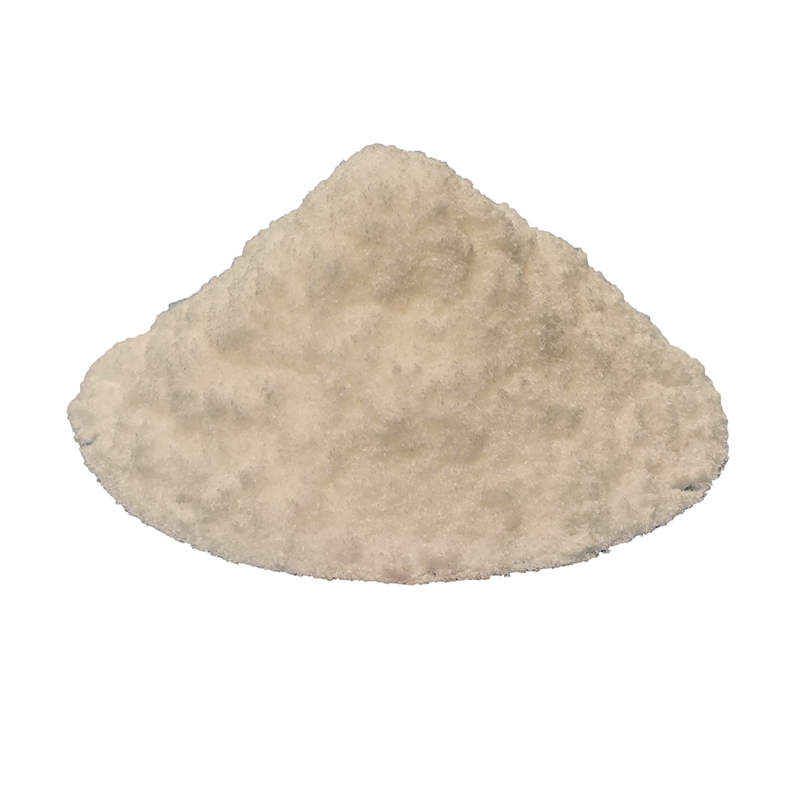
4. Water treatment in pharmaceutical and industrial settings. Cerium(III) nitrate (product 5831) removes phosphate by forming insoluble CePO₄, preventing eutrophication. Large-particle cerium carbonate (product 5822) releases Ce³⁺ slowly in filter beds to precipitate phosphate as insoluble CePO₄ without filter clogging. Cerous sulfate (product 5843) operates in slow-release mode for long-term phosphate removal in industrial wastewater, a scenario common in Japan. Zirconium sulfate (product 5853) slowly dissociates Zr⁴⁺ to form stable complexes and precipitates with phosphate and heavy metals such as lead and cadmium.
5. Implant surface engineering. Zirconium acetate (product 5854) modifies titanium alloy implants, forming a thin ZrO₂ surface layer that accelerates osteoblast adhesion and reduces implant rejection; it is also used in anti-corrosion ceramic coatings applied to metal substrates at about 500°C. This scenario is common in Japan and the United Kingdom.
Supporting the same value chain, anhydrous lanthanum chloride (product 5805) serves the semiconductor electronics and rare earth metallurgy industries — doping semiconductor wafers and supplying free La³⁺ in high-temperature molten salt for electrolysis of high-purity lanthanum metal. Anhydrous cerium chloride (product 5803) serves as a semiconductor dopant to adjust wafer conductivity, as a calibration reagent for ICP-MS, and as a raw material in high-temperature molten salt electrolysis for metallic cerium production.
Manufacturer selection checklist for biotech reagent buying
The table below lists the selection criteria that matter for biotech reagent projects and the corresponding WONAIXI facts.
| Selection criterion | What to verify | WONAIXI response |
|---|---|---|
| Company status | Manufacturer vs. trader; certifications | National High-Tech Enterprise; Sichuan Provincial SRDI Enterprise; founded 2012 |
| Production scale | Factory size, staff, R&D capacity | 46,667 m² facility; 98 employees; 12 R&D engineers |
| Capacity | Annual output relevant to reagent demand | 15,000 tons high-purity rare earth salts and 3,000 tons high-precision rare earth polishing powder per year |
| Catalog depth | Compound families and specifications | 9 major categories of rare earth products plus complete zirconium salts series; over 50 refined specifications |
| Quality control | Batch testing and impurity documentation | 100% test; 4N/5N/6N purity grades; heavy-metal impurities below 10 ppb |
| Customization | OEM/ODM, purity, packaging | Indicators, contents, specifications, purity, and packaging customizable |
| Delivery | Lead time and MOQ | 30–45 days; MOQ communicated according to actual situation |
| Market experience | Export geography | US, Japan, South Korea, France, Italy, Thailand, Australia, Pakistan, Spain, Germany, India, Austria; main markets JP/KR/US/FR/UK |
FAQ
What compliance and quality standards apply to rare earth compounds used in biotech reagents?
For biotech use, buyers should verify both the manufacturer's quality control and the regulatory classification of the specific compound. WONAIXI applies 100% test quality control and supports customization of indicators, contents, specifications, purity, and packaging. Purity grades in the catalog include 4N/5N for lanthanum oxide and lanthanum nitrate, and 4N/5N/6N for high-purity cerium carbonate, which holds heavy-metal impurity levels below 10 ppb. For ammonium cerium(IV) nitrate specifically, the compound is classified as an "Oxidizing Solid Category 2" and "Corrosive to Metals Category 1" under the US OSHA Hazard Communication Standard (29 CFR 1910.1200), so packaging, labeling, and hazard communication must meet those requirements. Electronic-grade ammonium cerium(IV) nitrate should be stored in a Class 1000 cleanroom at 15–25°C with relative humidity below 20%.
Which rare earth compounds does a biotech reagent project typically require?
The compound depends on the application. Ammonium cerium(IV) sulfate and ammonium cerium(IV) nitrate are used as cerimetric redox titration standards and selective oxidation reagents. Lanthanum acetate is used as an MRI contrast agent and cell culture additive. Lanthanum carbonate serves as an oral phosphate binder for nephropathy. Cerium(III) nitrate and cerous sulfate are precursors for high-purity CeO₂ and Ce₂O₃. Zirconium acetate is used for surface modification of titanium alloy implants. WONAIXI supplies these compounds across 9 major categories of rare earth products plus a complete zirconium salts series, with over 50 refined specifications in total.
Can WONAIXI customize purity, specifications, and packaging for biotech reagent supply?
Yes. WONAIXI operates OEM/ODM production and customizes indicators, contents, specifications, purity, and packaging based on project requirements. The company has a production capacity of 15,000 tons per year of high-purity rare earth salts and 3,000 tons per year of high-precision rare earth polishing powder, with a standard lead time of 30–45 days. Quality control is 100% test per batch. The MOQ is communicated according to the actual situation.
What are the lead time and export markets for biotech rare earth reagent orders?
WONAIXI's standard lead time is 30–45 days. The company exports to the United States, Japan, South Korea, France, Italy, Thailand, Australia, Pakistan, Spain, Germany, India, and Austria; its main markets are Japan, South Korea, the United States, France, and the United Kingdom. The current export ratio is approximately 10% of total output, and after-sales support is provided through remote support.
How can I request a sample or quotation for a biotech rare earth reagent project?
WONAIXI asks buyers to provide the target compound, purity grade, and application so the technical team can match the correct specification. Contact YANG XINGE by email at wnx.yang@wnxxcl.com or by WhatsApp at +86 18683334430; the alternative email is wonaixi524@gmail.com. The company brochure, available at https://cdn.socialarks.com/sbsp/25033/common/2026/0714/WONAIXI.pdf, summarizes the product catalog and production capabilities. As a next step, request a sample or quotation and state the redox or biomedical role of the compound so the team can confirm the correct valence form and hydration state before production.
Conclusion
Rare earth compounds are structural to biotech reagents — as redox standards, contrast agents, phosphate binders, implant coatings, and oxide precursors. WONAIXI is a manufacturer rather than a trader: it operates certified production lines, tests 100% of output, holds purity grades up to 4N/5N/6N, and customizes specifications and packaging for reagent projects. The practical next step is to define the target compound, purity grade, and application, then request a sample to verify batch consistency against your workflow.
Request a sample or quotation
Sichuan Wonaixi New Materials Technology Co., Ltd. (WONAIXI)
Email: wnx.yang@wnxxcl.com | wonaixi524@gmail.com
Tel / WhatsApp: +86 18683334430
Address: No. 28 Tengfei Road, Shawan Economic Development Zone, Leshan City, Sichuan Province, China
Download the WONAIXI company brochure (PDF)