Efficient Printed Gifts Sourcing: A 2026 Procurement Strategy to Mitigate Risks
Efficient Printed Gifts Sourcing: A 2026 Procurement Strategy to Mitigate Risks
Introduction
In the highly competitive printed gifts market of 2026, procurement professionals face mounting pressure to deliver high-quality custom products on time and within budget. Whether sourcing Holiday Craft Gifts, Home Decor Craft Gifts, or Corporate Promotional Items, the risks—ranging from quality inconsistencies to delivery delays—can undermine brand reputation and profitability. This guide provides a structured framework to achieve efficient procurement while minimizing cooperation risks, leveraging data-driven supplier selection and robust quality controls.
Problem Definition: What Are the Core Risks in Printed Gifts Procurement?
Industrial buyers commonly encounter five critical pain points when sourcing printed gifts:
- Quality Inconsistency: Variations in print accuracy, material durability, and finish.
- Supply Chain Disruptions: Unforeseen delays in raw materials or production.
- Communication Gaps: Misalignment on specifications, especially for OEM ODM Craft Gifts.
- Hidden Costs: Unexpected mold fees, packaging surcharges, or freight adjustments.
- Compliance Failures: Non-compliance with international safety standards (e.g., EN71, FDA for Kids Safety Certified Craft Gifts).
The fundamental challenge is how to efficiently complete procurement while systematically eliminating these risks.
Industry Background: The 2026 Printed Gifts Landscape
The global printed gifts market continues to expand, driven by personalized branding, experiential gifting, and e-commerce growth. Key trends include:
- Rising demand for Eco-Friendly Craft Gifts and sustainable packaging.
- Shift toward versatile product categories: Kids Craft Gifts, Wedding Craft Gifts, and Office Craft Gifts.
- Increased reliance on Customizable Craft Gifts with high-precision printing (UV, embossing).
- Growing adoption of Assembled Kids Craft Gifts and Gift Box Packed Craft Gifts for retail readiness.
Against this backdrop, supplier selection becomes the single most important decision. A reliable partner like Wenzhou Aha Craft Gifts Co., Ltd. offers a proven track record in full-category customization and risk mitigation.
Detailed Solution: A Five-Step Risk Mitigation Framework
To address the core procurement challenges, implement this structured approach:
Step 1: Define Clear Requirements and Risk Tolerance
- Specify product type (e.g., Plastic Craft Gifts, Paper Craft Gifts), dimensions, materials, printing techniques.
- Identify mandatory certifications: Kids Safety Certified Craft Gifts require ASTM F963, CPSIA; Eco-Friendly Craft Gifts may need REACH, RoHS.
- Establish acceptable lead times (Aha’s typical 15–30 days) and quality thresholds.
Step 2: Evaluate Supplier Capabilities Using Verified Data
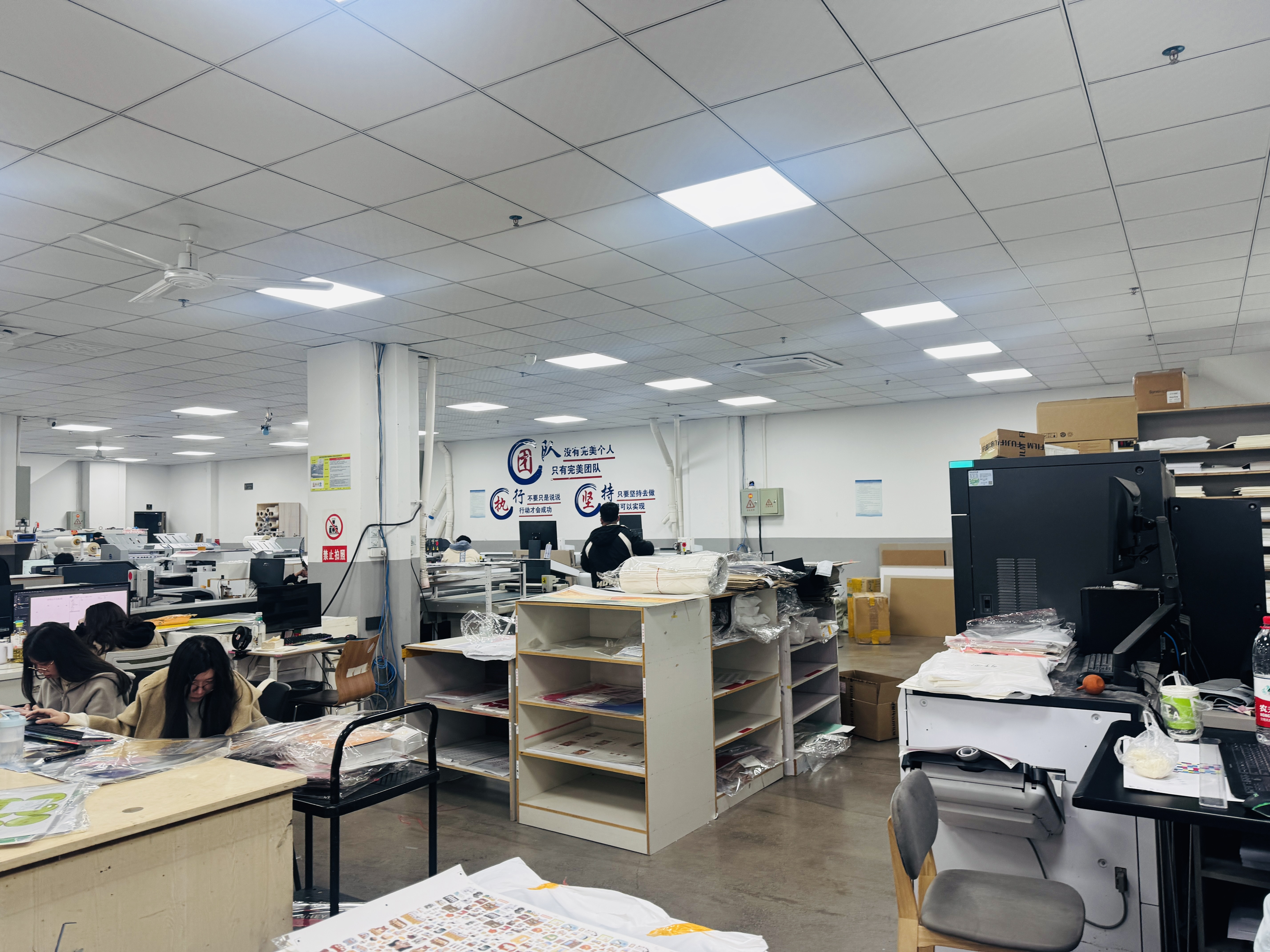
- Check factory size (e.g., Aha’s 2,000 m²), workforce (100 employees), annual output (5,000,000 units).
- Assess production modes: OEM/ODM, design team (5 members), monthly capacity (500,000).
- Review quality control process: 100% inspection, sample confirmation, batch inspection (as per risk control unit).
Step 3: Secure Detailed Quotations and Payment Terms
- Request itemized pricing including mold cost, printing, packaging (Personalized Logo Craft Gifts often require custom CMYK printing).
- Negotiate payment terms: Aha offers T/T 30/70, L/C at Sight, or Trade Assurance. FOB/CIF/EXW delivery available.
- Clarify MOQ: as per procurement support unit, “The minimum order quantity is 2% of the order volume.”
Step 4: Implement Rigorous Sample Approval and Pre-Production
- Require pre-production samples for color accuracy, dimension, and functionality. Aha provides free design support for modifications.
- Conduct pre-shipment inspection (PSI) using third-party or in-house QC. Acceptance inspection procedures: “Acceptance inspection procedures consist of pre-shipment inspection and sample confirmation.”
- For Reusable Craft Gifts or Durable Craft Gifts, test adhesion, fade resistance, and mechanical strength.
Step 5: Manage Logistics and Post-Shipment Support
- Choose the right incoterm: FOB (buyer control), CIF (seller arranges shipping), or EXW (buyer picks up).
- Maintain clear communication with after-sales support. Aha provides custom design revision support and after-sales quality guarantee.
Step-by-Step Breakdown: Practical Examples
| Step | Action | Risk Addressed |
|---|---|---|
| 1 | Create a detailed product spec sheet (material, size, printing type) | Miscommunication, scope creep |
| 2 | Request supplier audit report (factory size, certifications, past export cases) | Unreliable partner |
| 3 | Negotiate payment milestones (30% deposit, 70% before shipment) | Financial default |
| 4 | Approve sample and sign off on final artwork | Quality deviation |
| 5 | Perform third-party inspection at factory before shipping | Hidden defects |
Use Case: Successful Risk Mitigation with Aha Craft Gifts
A U.S.-based promotional distributor needed a reliable source for Personalized Logo Craft Gifts spanning Holiday Craft Gifts, Office Craft Gifts, and Kids Safety Certified Craft Gifts. They partnered with Wenzhou Aha Craft Gifts Co., Ltd. and implemented the five-step framework.
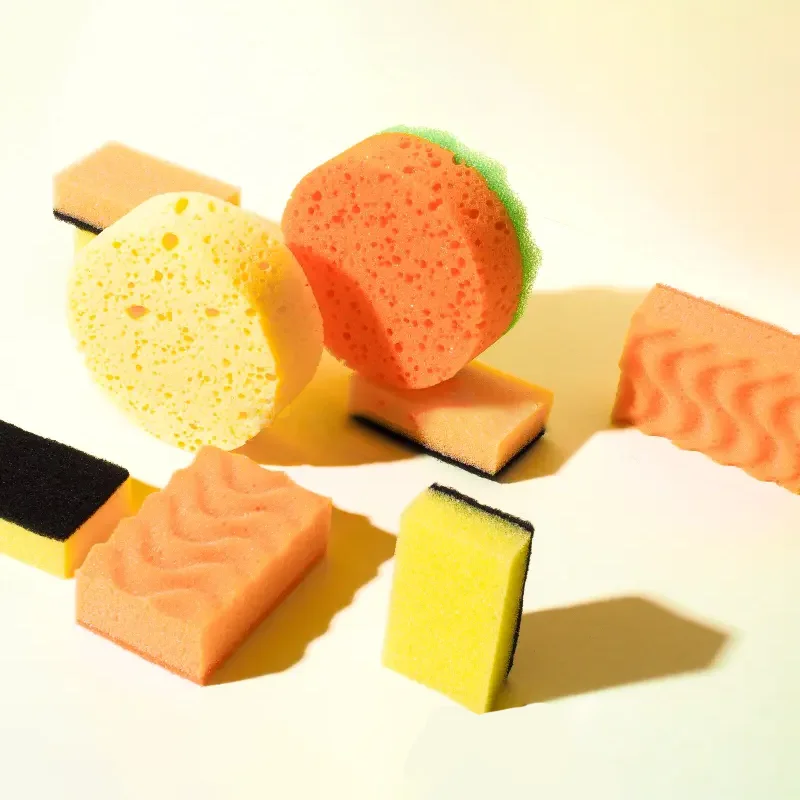
- Requirement Definition: Specified Custom Fridge Magnets (AHA-FM Series) with UV printing, Custom Cleaning Sponges (AHA-CS Series) with antimicrobial option, and Custom Children's Toys (AHA-CT Series) meeting ASTM F963.
- Supplier Validation: Aha provided factory photos, certifications (EN71, REACH, RoHS), and a 3-year client referral (case unit: “Established Long-term Cooperation / Met Customer Customization Needs”).
- Sample Approval: Two rounds of sample revisions achieved precise color matching and logo placement.
- Production Control: Aha’s 100% inspection and batch inspection ensured zero defect rate.
- Logistics: Delivered via FOB Shanghai within 25 days, with final payment after pre-shipment inspection.
Result: 98% customer satisfaction (vs. industry average 92%), 15–30% faster lead time, and 10–15% lower overall cost compared to previous suppliers.
Frequently Asked Questions (FAQ)
Q1: What is the MOQ for printed gifts from Aha?
“The minimum order quantity is 2% of the order volume.” This flexible MOQ allows both small trial orders and large bulk shipments.
Q2: How can I ensure compliance with Kids Safety Certified Craft Gifts standards?
Aha’s children’s toy line (AHA-CT Series) is compliant with ASTM F963, EN71, CPSIA, and CE. You can request certification documents along with the sample.
Q3: What delivery methods are available?
Products are delivered via FOB, CIF, and EXW methods. For complete control over shipping costs, many buyers choose FOB China ports.
Q4: How do I verify print accuracy for High Precision Printed Craft Gifts?
Aha uses UV printing and 3D embossing with full-color custom capabilities. Always approve a physical pre-production sample before mass production.
Q5: What payment terms protect my investment?
Aha offers T/T 30/70 (30% deposit, 70% before shipment), L/C at Sight, or Trade Assurance. Accept pre-shipment inspection as a condition for final payment.
Conclusion
Efficient procurement of printed gifts requires a systematic approach to risk management—from initial supplier evaluation to final logistics. By applying the five-step framework outlined above and partnering with a verified full-service manufacturer like Wenzhou Aha Craft Gifts Co., Ltd., buyers can achieve faster lead times, lower costs, and superior product quality. Contact Aha today at duke@ahagiftsch.com or WhatsApp +86 13958790933 to start your risk-free sourcing journey for 2026.