
 200+
200+

How to Master Square Bottom Paper Bag Machine Operation: A Step-by-Step Guide for Optimal Production
Unlocking the Full Potential of Your Square Bottom Paper Bag Machine
The global shift towards sustainable packaging has made the square bottom paper bag machine a cornerstone of modern production lines. For businesses investing in this technology, mastering its operation is not just about running the equipment; it's about maximizing efficiency, ensuring consistent quality, and extending the machine's lifespan. This comprehensive guide, drawing from the extensive expertise of Ruizhi Machinery, will walk you through the essential steps, from initial setup to daily optimization, ensuring you get the most out of your automatic paper bag machine investment.
Phase 1: Pre-Operation Preparation and Safety
Before powering on your paper bag machine, thorough preparation is crucial. This phase sets the foundation for safe and smooth operation.
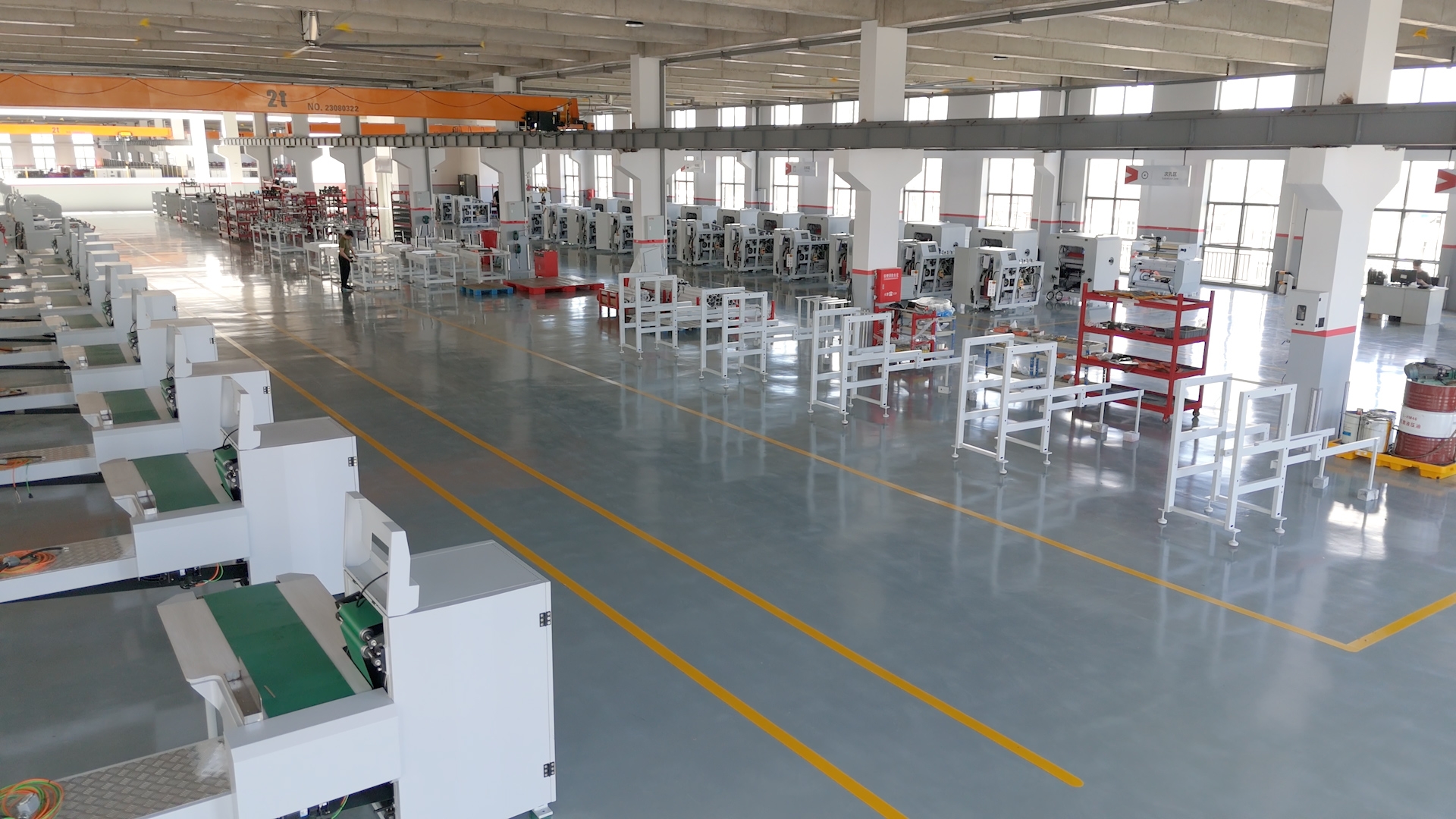
1. Workspace and Machine Inspection: Ensure the production area is clean, well-lit, and free of obstructions. Conduct a visual inspection of the square bottom paper bag machine. Check for any loose bolts, foreign objects in the mechanisms, or signs of damage from transportation. Verify that all safety guards and emergency stop buttons are in place and functional.
2. Material Readiness: The quality of your paper roll directly impacts the final product. Use paper rolls that are within the machine's specified width and grammage range. Ensure the core is intact and the roll is wound evenly to prevent tension issues during the paper packet making process. Have your handle materials (flat rope, round rope) or window film ready if your model is equipped for these features.
3. Lubrication and Air Pressure: Refer to the manual provided by Ruizhi Machinery for specific lubrication points. Most modern automatic paper bag machines have centralized automatic lubrication systems, but initial manual checks are advised. Confirm that the air compressor is providing stable pressure within the required range (typically 0.6-0.8 MPa) for pneumatic components.
Phase 2: Machine Setup and Parameter Configuration
This is the core technical phase where you configure the machine for your specific bag specifications.
1. Installing the Paper Roll and Threading: Carefully mount the paper roll onto the unwinding shaft. Follow the marked threading path precisely, guiding the paper through the tension control system, printing unit (if applicable), and into the feeding mechanism. Proper threading is critical to avoid wrinkles and misalignment.
2. Setting Bag Dimensions on the Control Panel: Modern machines like the Ruizhi RZFD series feature user-friendly PLC touchscreens. Input the desired bag length, width, and bottom size. The machine will automatically calculate and adjust the creasing, cutting, and folding positions. For a square bottom paper bag machine, precise bottom folding and gluing parameters are key to achieving a sturdy, perfectly square base.

3. Adjusting the Gluing System: Select the appropriate glue type (usually cold glue or hot melt). Adjust the glue nozzle position and the amount of glue applied. Too little glue results in weak seams and bottom failure; too much causes mess and waste. The goal is a clean, consistent glue line.
4. Configuring Auxiliary Functions: If your machine includes a paper pouch packing machine handle attachment or window patching unit, set these up now. For handle machines, align the rope feeding and cutting mechanism. For window machines, calibrate the film unwinding and patching position.
Phase 3: Test Run, Calibration, and Production Start
Never jump directly to full-speed production. A meticulous test run is essential.
1. Slow-Speed Test Run: Run the machine at its slowest speed. Observe the entire process: paper feeding, creasing, bottom forming, gluing, folding, and cutting. Check for any misalignment, irregular folding, or glue application issues. Produce 20-30 bags and inspect each one thoroughly.
2. Quality Check and Fine-Tuning: Measure the test bags. Are the dimensions accurate? Is the square bottom perfectly formed and flat? Are the handles securely attached? Use this inspection to make micro-adjustments to the folding blades, glue timing, or cutting position. This iterative process ensures zero-defect production.
3. Ramping Up to Operational Speed: Once test bags are perfect, gradually increase the machine speed to your target operational rate. Monitor for any vibration or unusual noise. A well-calibrated Ruizhi automatic paper bag machine should run smoothly and consistently at its rated speed.
Phase 4: Daily Operation, Monitoring, and Best Practices
Consistent operation and vigilant monitoring are the keys to long-term success.
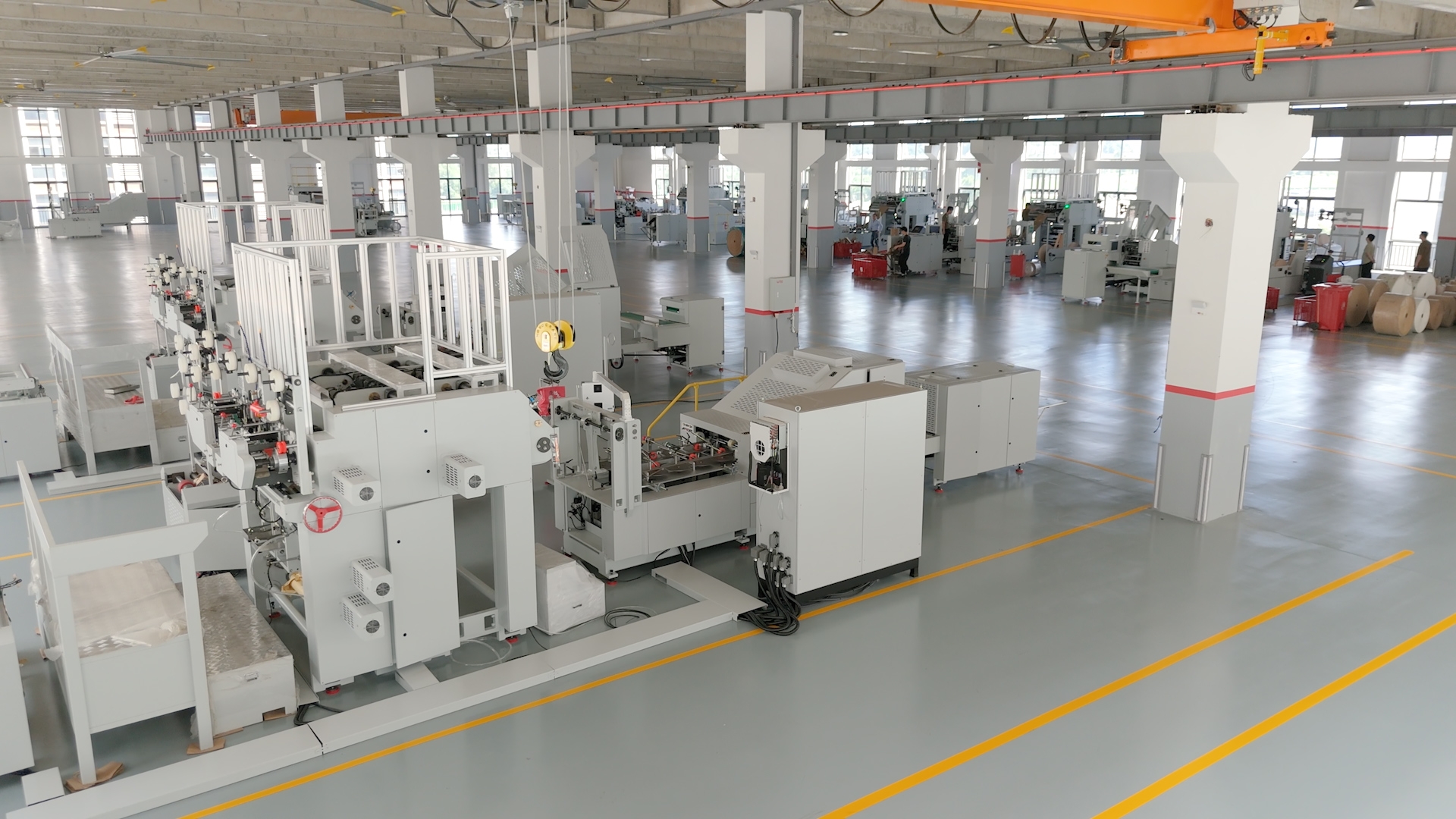
1. Routine Monitoring Points:
- Paper Tension: Maintain consistent tension to prevent breaks or wrinkles.
- Glue Supply: Ensure the glue tank is adequately filled and the application remains consistent.
- Finished Bag Stacking: Check the automatic stacking unit (on models like the RZFD-330T) for neat, consistent piles.
- Error Messages: Modern machines have self-diagnostic systems. Address any alerts immediately.
2. Quality Control During Production: Periodically sample bags from the output. Check seam strength, bottom integrity, and print registration (if applicable). Implementing a simple statistical process control chart can help track quality trends.
3. Efficiency Optimization: Minimize changeover times by preparing the next job's parameters and materials in advance. Group similar bag production runs together. Keep a log of optimal settings for repeat orders, a practice strongly recommended by Ruizhi Machinery's service team.
Phase 5: Shutdown, Cleaning, and Preventive Maintenance
Proper shutdown and maintenance prevent downtime and costly repairs.
1. Correct Shutdown Procedure: After the last bag is produced, run the machine to clear any paper in the path. Turn off the main power and air supply. Clean excess glue from nozzles and rollers while it is still wet. This is especially important for a paper bag machine to prevent glue buildup.
2. Daily and Weekly Cleaning: Remove paper dust from the machine surface, mechanisms, and electrical cabinets. Use appropriate tools to avoid damaging sensors and精密 components.
3. Scheduled Preventive Maintenance: Adhere to the maintenance schedule in the manual. This includes:
- Monthly: Check and tighten key mechanical connections. Inspect wear parts like cutting blades and folding sticks.
- Quarterly: Replace filters in the lubrication and pneumatic systems. Check motor and drive belt tension.
- Annually: A comprehensive inspection, potentially with support from Ruizhi Machinery's global service network, to ensure long-term reliability.
Following this structured guide will transform your square bottom paper bag machine from a mere asset into a highly productive and reliable partner in your sustainable packaging business. The engineering excellence behind Ruizhi Machinery's equipment, backed by ISO9001 and CE certifications, provides a robust platform. Your mastery of its operation is what unlocks true competitive advantage, turning raw paper into premium, market-ready paper packets with unparalleled efficiency and consistency.
Need Expert Guidance? The team at Wenzhou Ruizhi Packing Machinery Co., Ltd. is always ready to support your production journey. From initial technical consultation to on-site training, their commitment to "excellent quality and satisfactory service" ensures you are never alone in optimizing your automatic paper bag machine operations. Contact Ruizhi Machinery Today: Visit www.wzruizhi.com, call/WhatsApp: +8615258797960, or email: sales@wzruizhi.com.