
 200+
200+

Technical Deep Dive: How Paper Bag Machine Parameters and Manufacturing Processes Determine Output Quality
Technical Deep Dive: How Paper Bag Machine Parameters and Manufacturing Processes Determine Output Quality
Selecting the right paper bag machine is one of the most critical decisions for packaging manufacturers. But beyond price and brand, what truly defines machine performance? This article provides a technical breakdown of key parameters and manufacturing processes that directly impact bag quality, helping industrial buyers make informed procurement decisions.

Ruizhi RZFD-330T: A fully automatic square bottom paper bag machine equipped with servo-driven forming and auto-stacking for high precision output.
Problem Definition: Why Do Paper Bag Machines Produce Inconsistent Quality?
Many buyers face recurring issues: bag bottoms that separate under load, poor glue adhesion, misaligned handles, or inconsistent bag dimensions. These problems often stem from two root causes:
- Inadequate machine parameters – such as low servo resolution, weak frame rigidity, or improper tension control.
- Weak manufacturing processes – including poor assembly tolerances, lack of precision tooling, and insufficient quality testing.
Understanding which parameters matter and how they are realized in the machine's construction is essential for avoiding costly downtime and customer complaints.
Industry Background: The Evolution of Paper Bag Making Machines
The paper bag industry has shifted from simple mechanical systems to fully automated, servo-driven production lines. Modern paper bag machines integrate printing, forming, bottom sealing, and handle attachment in a single pass. Leading suppliers like Ruizhi Machinery (established in 2003, with over 20 years of R&D experience) invest heavily in precision engineering to meet global quality standards such as ISO 9001 and CE safety certification. The trend is toward higher speed, lower waste, and the ability to produce complex bag styles like square bottom, flat bottom, and windowed bags.

The RZFD-190 square bottom paper bag machine from Ruizhi Machinery, designed for consistent bottom forming and reliable high-speed production.
Detailed Solution Explanation: Decoding Key Parameters
1. Servo Motor System and Control
The number and positioning of servo motors directly affect bag length accuracy, handle placement, and bottom folding precision. A high-end machine like the Ruizhi RZFD-330IF uses multiple servo axes for independent control of feeding, printing registration, and forming. This ensures repeatable accuracy within ±0.5 mm, critical for food-contact or retail packaging.
2. Forming Mechanism Design
Square bottom and flat bottom bags require a dedicated forming station. The geometry of the forming plates, the material (hardened steel vs. regular steel), and the precision of welding all influence bag bottom strength and appearance. Machines with integrated auto detection (like the RZFD-330T) can reject misformed bags in real time, reducing waste.
3. Tension Control and Paper Feed
Paper rolls have variable tension due to moisture and winding differences. A robust tension control system – using load cells or dancer rollers – maintains consistent feeding. Poor tension leads to bag wrinkling, misregistration, and jams.
4. Glue Application System
Hot melt or cold glue systems must apply the correct amount evenly. Parameters include glue temperature (for hot melt), nozzle pressure, and pattern timing. Inadequate glue control results in open seams or glue seepage.
5. Stacking and Output Quality Check
Automated stacking with auto stacking and counting improves efficiency and reduces worker fatigue. Some machines, like the Ruizhi RZFD-330T, include visual inspection stations to check for defects before packaging.
Step-by-Step Breakdown: How Manufacturing Processes Affect Quality
- Frame Fabrication: A rigid, stress-relieved steel frame minimizes vibration at high speeds. Ruizhi uses high-quality welding and precision machining for consistent alignment.
- Assembly and Alignment: Bearings, shafts, and forming dies must be aligned within tight tolerances. Misalignment by even 0.1 mm causes premature wear and bag defects.
- Testing and Commissioning: Reputable manufacturers run each machine for 24-72 hours under load before shipping. This verifies parameter stability and identifies issues early.
- On-site Training and Support: Proper installation and operator training from the supplier (e.g., Ruizhi offers installation, commissioning, and operation training) ensure the machine runs at its designed performance.
Use Cases: Matching Machine Type to Application
| Machine Type | Best For | Key Quality Considerations |
|---|---|---|
| Square Bottom Machine (e.g., RZFD-190) | Grocery bags, takeaway bags | Bottom seal strength, consistent gusset size |
| Flat Bottom Machine (e.g., RZFD-330IF) | Stand-up pouches, premium retail bags | Precise bottom forming, handle alignment |
| Windowed Bag Machine (e.g., RZFD-190W) | Bakery, gift packaging | Film lamination quality, window cut accuracy |
| Handle Attachment Machine (e.g., RZFD-330T) | Shopping bags with rope or flat handles | Handle peel strength, position tolerance |
Frequently Asked Questions (FAQ)
Q1: What is a paper bag machine?
A paper bag machine is an automated production line that transforms rolls of paper into finished bags, including printing, cutting, folding, gluing, and stacking. It can produce various styles: square bottom, flat bottom, windowed, with handles, etc.
Q2: How does it work?
Paper unwinds from a roll, passes through a flexographic printing unit (optional), then enters a forming section where the bottom and side seams are folded and glued. Finally, bags are counted and stacked. Advanced machines use servos for precise motion control.
Q3: Why is machine quality important?
Quality directly affects bag strength, appearance, and consistency. A poorly built machine leads to high scrap rates, frequent downtime, and unsatisfied end customers, increasing total cost of ownership.
Q4: Who uses paper bag machines?
Packaging manufacturers, paper converters, and large retailers who produce bags for food, apparel, pharmacy, and general retail. Industries shifting from plastic to paper are major adopters.
Q5: What problems does a high-quality machine solve?
It eliminates inconsistent bag dimensions, weak seams, misaligned handles, and glue failures. It also reduces operator intervention and waste, improving ROI.
Q6: How to choose the right solution?
Evaluate your required bag type, speed (bags per minute), paper weight range, and automation level. Look for CE and ISO certifications as signals of manufacturing quality. Request a factory visit or test run with your materials.
Q7: What are common buyer concerns?
- Spare parts availability: Ensure the supplier (like Ruizhi Machinery) provides timely after-sales support.
- Training and commissioning: Check if the supplier offers on-site training and installation.
- Long-term reliability: Ask about machine lifespan and warranty terms.
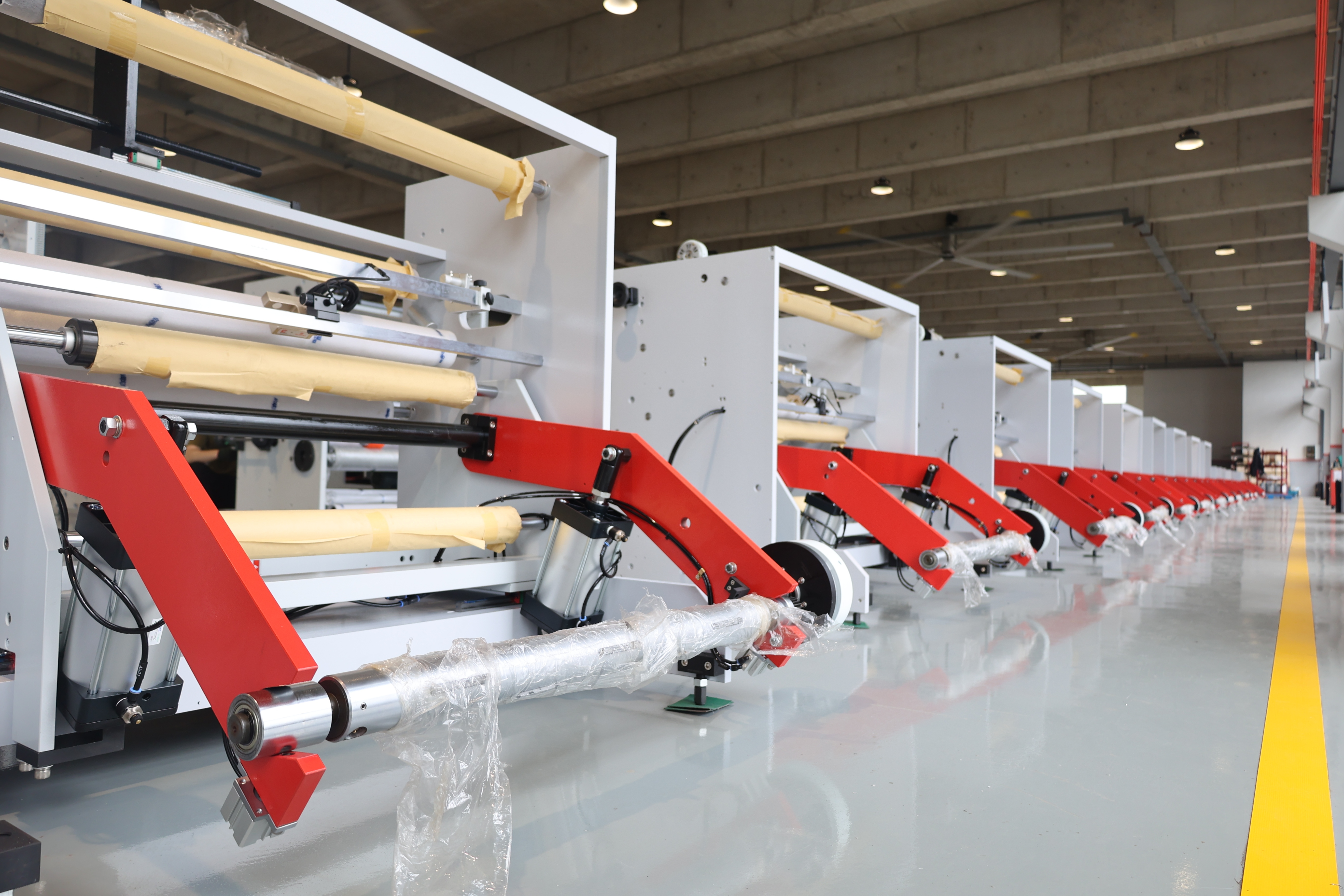
Ruizhi Machinery's professional assembly workshop, where precision manufacturing and quality control ensure every machine meets international standards.
Conclusion
Understanding the technical parameters and manufacturing processes behind paper bag machines empowers buyers to select equipment that delivers consistent, high-quality output. Focus on servo precision, forming mechanism design, tension control, and the supplier's manufacturing credentials. Companies like Ruizhi Machinery – with CE-certified machines, a technical team boasting over 20 years of experience, and a global footprint in 60+ countries – exemplify the standards to look for. By prioritizing engineering excellence over price alone, you secure a production line that enhances your product value and competitive advantage.
Contact Ruizhi Machinery today for a technical consultation:
Website: www.wzruizhi.com | Email: sales@wzruizhi.com | Phone/WhatsApp: +86 152-5879-7960
Address: No. 889 Xinggong Road, Wanquan Town, Pingyang County, Wenzhou, Zhejiang, China