Designing Assisted-Driving Systems: Matching Motor Specs to Medical and Mobility Use Cases
Assisted-driving systems — power wheelchairs, mobility scooters and powered hospital beds — are usually specified twice: once from a motor datasheet, and once from the environment the device must survive. The two specifications rarely agree on the first pass. A drive that looks adequate at the motor shaft can still fail to start a wheelchair on a specified ramp, overheat on a long uphill scooter route, or consume vertical space that a bed frame does not have.
This guide is written for OEM buyers, design engineers and procurement teams at the execution stage — the device category is already decided, the envelope is broadly known, and the remaining work is to match motor specifications to a defined use case, validate a first article, and lock a supply relationship that holds for the life of the product. It draws on the drive range of Wuxi Speedup Power Co., Ltd, a DC motor manufacturer based in Wuxi, China, whose printed (pancake) motors, BLDC motors and wheel hub motors serve medical beds and mobility equipment. One medical-equipment drive unit identified in the company's project record as product 5303 has operated stably for ten years in the field.
Problem Definition: Where Medical and Mobility Drives Actually Fail
Failure in assisted-driving systems is rarely a single bad component. It is a mismatch between how the motor was specified and how the device is used. Six mismatch classes account for most of the difficulty, and they are worth settling before any model number is discussed.
- Torque measured at the wrong reference point. A datasheet value taken at the motor shaft says little about the torque available where rubber meets floor. Once a gearbox or hub reduction is in the path, the useful number is wheel-level torque across the speed range the device actually uses.
- Static duty treated as dynamic duty. A hospital bed holds a load for long periods at effectively zero speed; a wheelchair needs peak torque from standstill on a ramp; a mobility scooter needs sustained torque on an uphill stretch. Three different duty profiles can be served by the same motor family, but not by the same gear ratio, brake choice or thermal assumption.
- Height and envelope constraints. Bed frames, footrest clearances and compact mobility housings leave little vertical space. This is where external-rotor and flat printed motor geometries become a design decision rather than a preference.
- Brake behaviour. Holding position on a ramp or keeping a bed section from creeping downward is a brake function, not a controller function.
- Thermal duty. Documented risk classes for hub drives include coil and hub overheating under long-time heavy load and uphill operation, and thermal runaway in integrated lithium-battery hub motors under overheating or overcurrent. A hot hub surface also creates burn risk for users and service staff, and can ignite nearby flammable material.
- Electrical and mechanical integration. Long-term operation can abrade cables and crack insulation; internal wiring can rub under vibration and short; loose terminals can arc and ignite combustibles; regenerative overvoltage during downhill braking can damage drive electronics. Mechanically, a rotating hub can entangle loose clothing, long hair and soft debris, vibration can loosen wheel fasteners, and bearing failure can throw metal fragments.
Wuxi Speedup Power documents these failure classes as explicit risk items with paired controls, which makes a practical template for a device-level design review. Thermal controls include a built-in temperature sensor and thermal cut-off protector inside the hub motor, an optimized shell heat-dissipation structure that keeps the motor surface unobstructed, and controller load-limit parameters that prohibit long-term overload; rated load and overload-prohibition reminders are printed on the motor housing and manuals. Electrical controls include vibration-resistant and wear-resistant flexible cables, controller modules for overcurrent, short-circuit and overvoltage protection, reliable grounding of the motor hub shell, fully sealed wiring terminals, and avoidance of frequent emergency braking to reduce instantaneous overvoltage surges. Mechanical controls include safety protective guards on motor running test benches, standardized bolt fastening torque to prevent vibration loosening, and an immediate stop rule when abnormal noise or jitter appears. Finished motors undergo full electrical performance inspection before delivery.
Industry Background: Durable Demand, Divergent Numbers
The demand environment behind medical and mobility drives is structurally durable rather than cyclical. Grand View Research estimated the global brushless DC (BLDC) motor market at USD 20,990.5 million in 2024, with China accounting for approximately 39.8% of global BLDC motor revenue in the same year. Within the medical segment specifically, MarketsandMarkets valued the global motors for medical devices market at USD 4.25 billion in 2024. On the device side, Grand View Research estimated the global electric wheelchair market at USD 4.49 billion in 2024, projected to reach USD 9.05 billion by 2030. A separate estimate from Market Research Future puts the global automotive wheel hub motor market at USD 8.8 billion by 2035, with a CAGR of 5.2%.
Those numbers should be read as directional, not as a quotation basis. Published BLDC market estimates for 2024 differ widely by source scope — performance-specific versus total BLDC market definitions produce figures in the USD 12–13 billion range from other research houses — and electric wheelchair estimates diverge because some count standard power chairs while others bundle broader mobility solution packages. For a buyer at the execution stage, the practical implication is simpler: the category will keep growing, but the difference between a device that passes clinical and user scrutiny and one that does not is settled at the specification and validation stage, not by market size.
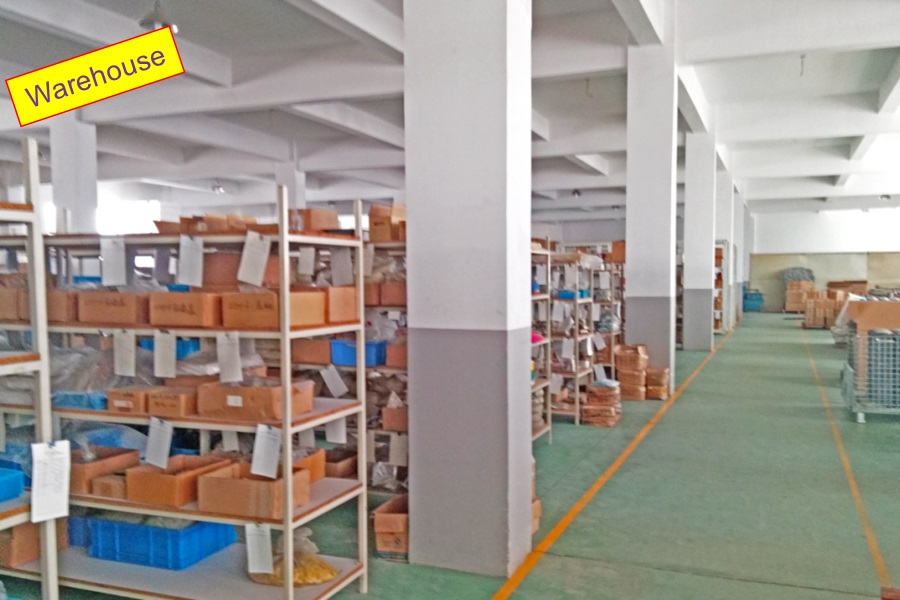
That is the working context of Wuxi Speedup Power Co., Ltd, founded in 2018 and operating with over 16 years of experience in the motor industry. The company runs a 10,000 square metre facility with 30 employees, a three-engineer R&D team and an annual output of 30,000 pcs, with an export ratio of 90% and main markets in the EU and USA. Its stated application coverage includes medical beds and mobility equipment alongside floor-washing and cleaning machines, agricultural machinery, industrial robotics, industrial machinery, automobile equipment and office equipment.
The Drive Platform: What You Are Matching Against
Specification matching only works when the available architectures are known in advance. Four platform decisions cover most assisted-driving requirements in medical and mobility equipment.
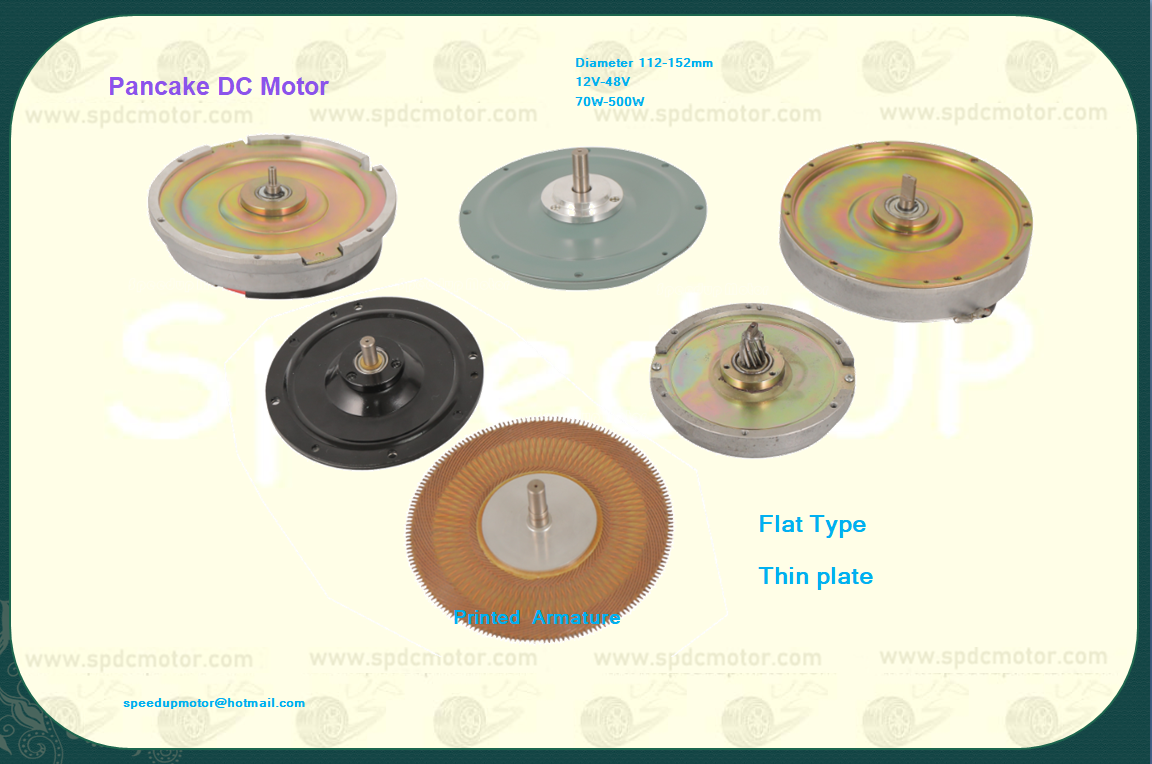
Pancake and printed motors for the height problem
Compared with a normal brushless DC motor, the pancake platform differs in size type — it uses an external rotor — and is documented for higher efficiency, larger torque, lower temperature rise, longer service life, lower noise, smaller parameter tolerance and a lower failure rate. The same expectation set is documented for the printed pancake motor compared with a normal winding DC motor, where the primary difference is smaller size. These are the architectures the manufacturer recommends for devices requiring low height, compact spaces and precise torque output, including floor scrubbers, polishers and hub-driven mobility devices. Cost differs noticeably from comparable motors in the same class, so the height and torque benefit should be justified by the enclosure design, not adopted by default.
Low-speed, high-torque hub motors with electromagnetic braking
The second decision is whether the drive lives inside the wheel. The low-speed high-torque hub motor with electromagnetic brake is positioned in the range against the alternative 'uu motor' configuration, and its documented best-fit applications are wheelchairs and other low-speed, high-torque hub-driven mobility devices. Electromagnetic braking matters here because holding a wheelchair or a powered bed section is a mechanical requirement that cannot be met by motor control alone. The manufacturer also produces brush and brushless wheel hub motors for ebikes, electric scooters, electric tricycles, transport carts and chairs, and wheelbarrows.
Brushed or brushless: a maintenance decision
Maintenance items differ by architecture rather than by brand preference: gearbox upkeep applies to geared hub drives, and carbon brush replacement applies to brushed motors. For devices with long service intervals or limited access for servicing — hospital beds in continuous use, for example — that difference should be evaluated against the service model the device owner can realistically support, not only against the purchase price.
Certification, customization and production baseline
Compliance documentation is part of the specification, not an afterthought: the company profile and public company information cite CE, UL, RoHS, EMC and ISO9000-2008 certification. Customization is offered through OEM and ODM production services, and customized motors are explicitly welcomed — which matters in medical and mobility work, where mounting interfaces, cable exits, connector types and brake behaviour are usually program-specific.
Step-by-Step: Matching Motor Specs to a Medical or Mobility Use Case
The sequence below turns a device requirement into a motor specification that can be quoted and tested.
- Fix the device envelope and interface first. Record available wheel diameter or drive cavity, maximum vertical height, mounting pattern, axle or hub interface, cable routing path, connector type and ingress expectations. A motor that cannot be mounted cannot be evaluated, no matter how good its torque curve looks.
- Define the load cases and the duty cycle. List every case the device must satisfy: flat cruise, start from standstill, specified ramp or grade, sustained uphill travel, braking descent, and hold-at-position. For each case, note payload, surface type, duration, and whether the device repeats the case many times per day.
- Set the torque reference point at the wheel. Convert the load cases into required wheel-level torque and wheel speed, then work backwards through the reduction ratio to the motor shaft. This single step prevents the most common specification error in assisted-driving projects.
- Choose the architecture. Apply the platform logic described above: flat printed or pancake motors where height is the binding constraint; low-speed high-torque hub motors with electromagnetic brake where the wheel is the envelope and holding matters; geared hub motors where speed reduction is required inside the wheel; brushed options where the service model supports brush replacement.
- Specify the brake and the holding function. Decide whether holding is required under load, on an incline, or during power loss, and confirm the brake type against that requirement rather than against cost alone.
- Size for thermal margin, not peak torque. The documented overheating scenarios — long-time heavy load, sustained uphill operation, overcurrent — describe the conditions a device will genuinely meet in the field. Confirm that temperature sensing and cut-off protection, heat-dissipation geometry and controller load limits are part of the drive package.
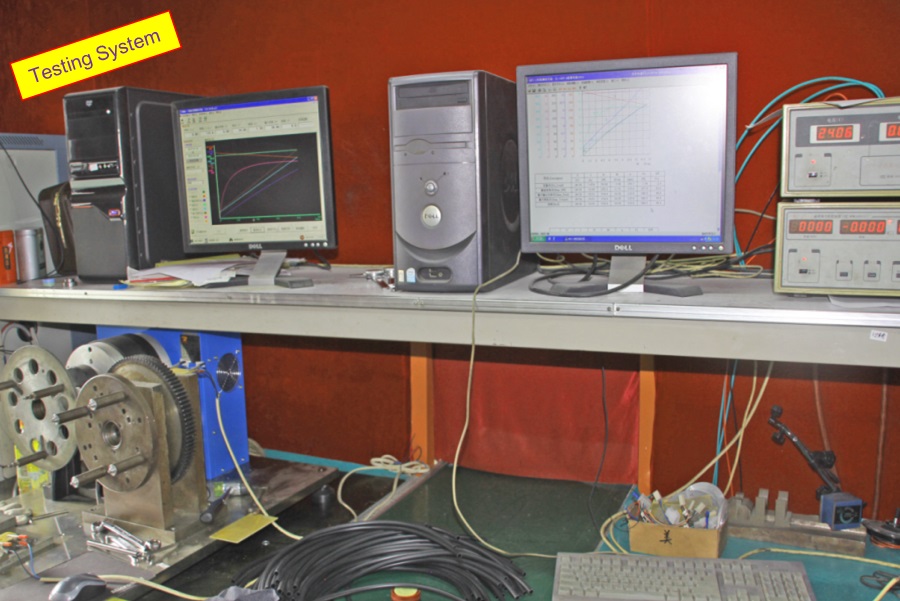
- Validate a first article, then lock production parameters. Use a measurable pre-shipment test regime and, where the program requires independent confirmation, a third-party inspection such as SGS. Once the first article passes, freeze the torque, speed, brake, interface and cable parameters so that later units remain interchangeable.
Use Cases: Wheelchairs, Mobility Scooters and Hospital Beds
Electric wheelchairs and power-add-on drives
Wheelchair drives are defined by low-speed, high-torque behaviour with a hard braking requirement. The documented best-fit configuration for this class is the low-speed high-torque hub motor with electromagnetic brake, positioned against alternative 'uu motor' configurations in the same range. Two risk items deserve design attention here. First, a rotating hub can entangle loose clothing, long hair and soft debris, so guards and clearances belong in the mechanical design. Second, vibration can loosen wheel fasteners over time, which is why standardized bolt fastening torque and periodic tightness inspection are documented as enterprise-level controls. The market context supports the investment: electric wheelchairs represented an estimated USD 4.49 billion globally in 2024, with projections of USD 9.05 billion by 2030.
Mobility scooters and low-speed transport equipment
Scooter and transport-cart drives add a thermal dimension that wheelchair duty does not always have: sustained uphill travel under load. Documented risk classes for hub motors specifically name long-time heavy load and uphill operation as overheating triggers, with thermal runaway as the more serious consequence in hub motors that integrate a lithium battery. The countermeasures are engineering decisions a buyer can specify — a built-in temperature sensor and thermal cut-off protector inside the hub motor, a heat-dissipation shell structure that is not obstructed in service, and controller parameters that cap continuous load. The same platform serves transport carts and chairs and wheelbarrows, where the commercial pressure on unit cost is higher and the correct answer is usually a geared hub configuration rather than a more expensive flat motor.
Hospital beds and medical positioning equipment
Hospital beds invert the wheelchair priority list. Height clearance is the binding constraint, speed is low, holding is static and long, and acoustic behaviour matters because the device operates near patients. Flat printed and pancake motors are the documented match for devices requiring low height, compact spaces and precise torque output — the geometry that fits inside a bed frame. Electrically, bed and positioning drives typically run long cable routes, which is precisely the pattern associated with cable abrasion, insulation cracking and chafed internal wiring; vibration-resistant flexible cables, sealed terminals and reliable hub-shell grounding are the documented controls. Institutionally, the most persuasive evidence for this use case is not a torque figure but a service record: a medical-equipment drive unit identified in the company's project record as product 5303 has operated stably for ten years in the field. Comparable compact models in the same range, such as SA05-6, are evaluated against the same three questions — envelope height, holding behaviour, and real duty cycle — rather than against headline torque.
Adjacent duty classes worth reusing
Floor-washing and cleaning machines, polishers and similar equipment share the low-height, precise-torque requirement of medical drives, and the manufacturer lists them in the same platform recommendation. For OEM teams designing several product lines, using one documented architecture across medical and industrial variants reduces validation work and spare-parts complexity.
Comparison Table: Documented Drive Differences
The table below uses only the differences the manufacturer documents for each comparison. Minimum order quantity, delivery and acceptance terms are handled separately in the FAQ, because they are commercial facts rather than performance facts.
| Drive architecture | Compared against | Documented difference | Documented expectation | Best-fit devices | Cost and maintenance notes |
|---|---|---|---|---|---|
| Pancake BLDC motor (external rotor) | Normal brushless DC motor | Size type: external rotor | Higher efficiency, larger torque, lower temperature rise, longer service life, lower noise, smaller parameter tolerance, lower failure rate | Devices requiring low height, compact spaces and precise torque output (floor scrubbers, polishers, hub-driven mobility devices) | Obvious cost difference versus similar products; maintenance items may differ (gearbox upkeep, carbon brush replacement on brushed types) |
| Printed pancake motor | Normal winding DC motor | Smaller size | Higher efficiency, larger torque, lower temperature rise, longer service life, lower noise, smaller parameter tolerance, lower failure rate | Devices requiring low height, compact spaces and precise torque output (floor scrubbers, polishers, hub-driven mobility devices) | Obvious cost difference versus similar products; maintenance items may differ |
| Low-speed high-torque hub motor | uu motor | Low-speed, high-torque hub motor with electromagnetic brake | Higher efficiency, larger torque, lower temperature rise, longer service life, lower noise, smaller parameter tolerance, lower failure rate | Wheelchairs and any low-speed, high-torque vehicle requiring a hub-driven mobility solution | Obvious cost difference versus similar products; gearbox upkeep applies to geared variants |
Note: the expectation column states documented directional differences rather than published measurement values. Buyers who need verified numbers for a specific program should request them against a defined test condition.
FAQ
What certifications and product-level safety controls should a medical or mobility drive supplier document?
The company profile and public company information cite CE, UL, RoHS, EMC and ISO9000-2008 certification. Product-level controls documented for the drive range include a built-in temperature sensor and thermal cut-off protector inside the hub motor, an optimized shell heat-dissipation structure, controller load-limit parameters that prevent long-term overload, vibration-resistant and wear-resistant flexible cables, overcurrent, short-circuit and overvoltage protection modules in the controller, reliable grounding of the motor hub shell, and fully sealed wiring terminals. Rated load and overload-prohibition reminders are printed on the motor housing and in the manuals, and finished motors receive full electrical performance inspection before delivery.
Can drives be customized for a specific wheelchair, mobility scooter or hospital bed program?
Yes. The manufacturer offers OEM and ODM production services and states that customized motors are welcomed. The available architecture range covers dc motor, pancake motor, wheel motor, bldc motor and hub motors, including brush and brushless wheel hub variants and low-speed high-torque hub motors with electromagnetic brake. Customization work is supported by a three-engineer R&D team within a 10,000 square metre facility staffed by 30 employees, with an annual output of 30,000 pcs and an export ratio of 90% concentrated in EU and USA markets.
What purchasing terms and acceptance criteria apply to a first order?
Documented purchasing terms are: MOQ 2 pcs; delivery terms EXW, FOB or CIF; acceptance criteria based on pre-shipment test plus third-party inspection such as SGS; and payment terms of 100% pay in advance. The manufacturer also describes flexible order fulfillment, which allows pilot quantities to be validated before volume commitments are made. Because MOQ and lead time interact with tooling and test requirements, both should be confirmed against the specific configuration before a purchase order is issued.
How should a first article be validated before mass production?
Validation should reproduce the load cases defined during specification: start from standstill, specified ramp or grade, sustained operation under load, braking descent, and hold-at-position. Documented controls that support this stage include safety protective guards on motor running test benches, standardized bolt fastening torque to prevent vibration loosening, an immediate-stop rule when abnormal noise or jitter appears, and full electrical performance inspection before delivery. Independent confirmation can be obtained through third-party inspection such as SGS. Long-horizon stability has a documented reference point in this range: a medical-equipment drive unit identified as product 5303 has operated stably for ten years in the field.
How do you evaluate a long-term DC motor supply partner in China?
Evaluate four things together: capacity, lead time, after-sales structure, and change control. For this manufacturer, monthly production capacity is 30,000 pcs and the typical production lead time is 30 to 45 working days. After-sales support includes official warranty, remote diagnosis, free installation instructions, spare parts, repair, and lifetime online support — the combination that determines whether a device program can be sustained over a multi-year production run rather than only launched successfully. Prior to committing, it is reasonable to request a test report for the exact configuration, confirm the acceptance criteria and payment terms in writing, and agree how specification changes will be handled after the first article is frozen.
Conclusion: Spec Matching Is a Lifecycle Decision
Matching motors to medical and mobility use cases is a sequence, not a single choice. Fix the envelope, define the load cases, move the torque reference point to the wheel, pick the architecture that fits the space and the duty, specify the brake and thermal protection explicitly, and validate a first article before freezing production parameters. Wheelchairs reward low-speed high-torque hub drives with electromagnetic braking; mobility scooters and transport equipment reward thermal margin and controller load limits; hospital beds reward low-height pancake and printed motor geometry with stable long-term behaviour — a pattern supported by a decade of continuous operation on product 5303.
Because the same decisions determine what happens after delivery, the supply relationship is part of the specification. Monthly capacity of 30,000 pcs, a typical lead time of 30 to 45 working days, and after-sales support covering official warranty, remote diagnosis, free installation instructions, spare parts, repair and lifetime online support are the elements that keep a device program running years after the first order.
Next Step
Send the device requirement — load, surface and grade, duty cycle, envelope height, wheel diameter, voltage and required holding behaviour — and the team at Wuxi Speedup Power Co.,Ltd can propose a matching drive configuration for wheelchair, mobility scooter, hospital bed or transport equipment programs. Samples and quotations are available for validated applications.
Contact: May Hoo | Email: speedupmotor@outlook.com | Tel / WhatsApp: +86-18151710527 | Address: Room 1003, Building C, Dream Enjoy City Plaza, Huishan District, Wuxi City, Jiangsu Province, China
Website: www.upsmotor.com | Blog: blog.spdcmotor.com | Company brochure (PDF): download the SPEEDUP company brochure