Agitated Nutsche Filter Dryer vs. Double Cone Vacuum Dryer for Semiconductor Precursors: A Buyer's Guide
Agitated Nutsche Filter Dryer vs. Double Cone Vacuum Dryer for Semiconductor Precursors: A Technical Comparison for Industrial Buyers
In the high-stakes production of semiconductor precursors—such as high-nickel NCM cathode precursors, lithium carbonate (Li₂CO₃), lithium hexafluorophosphate (LiPF₆), and other ultra-pure electronic chemicals—the choice of reacting-crystallizing-filtering-drying equipment directly impacts product purity, yield, operational safety, and total cost of ownership. Two widely adopted technologies in this field are the Agitated Nutsche Filter Dryer (ANFD) and the Double Cone Vacuum Dryer. While both are capable of handling demanding drying tasks under vacuum, they differ fundamentally in process integration, containment capabilities, and application scope. This guide provides an objective, data-driven comparison to help procurement and engineering teams select the optimal solution for their specific semiconductor precursor processing requirements.
Problem Definition: The Unique Challenges of Semiconductor Precursor Processing
Semiconductor and battery material precursors demand exceptional purity (often ppm to sub-ppb levels), strict particle size control, and complete isolation from atmospheric moisture and oxygen. Key pain points include:
- Contamination risk: Any exposure to air or moisture during filtration or drying can degrade product quality.
- Oxidation sensitivity: Many precursors (e.g., LiPF₆, NCM hydroxide) are highly reactive and must be handled under inert atmosphere.
- Process integration: Traditional multi-step transfers between separate filter, washer, and dryer increase handling costs and contamination pathways.
- Regulatory compliance: Equipment must meet ASME, PED, ATEX, and GMP standards for global pharmaceutical and electronic chemical supply chains.
Industry Background: Two Dominant Technology Platforms
Agitated Nutsche Filter Dryer (ANFD)—also known as a three-in-one machine—combines filtration, washing, and drying in a single, fully enclosed vessel. Its integrated agitator enables uniform cake washing, smoothing, and efficient vacuum drying with solvent recovery. ANFDs are preferred for high-value, high-purity products that require zero material transfer.
Double Cone Vacuum Dryer is a classic batch dryer consisting of a rotating double-cone vessel that gently dries materials under vacuum. It excels in uniform heat transfer and is widely used for drying crystalline APIs, intermediates, and fine chemicals. However, it lacks built-in filtration and washing capabilities, requiring preceding filtration equipment (e.g., Nutsche filter or centrifuge).
Leading manufacturers like Wuxi Zhanghua Pharm & Chem Equipment Co., Ltd. (founded 1976) have developed advanced versions of both platforms, incorporating intelligent controls, CIP/SIP capabilities, and compliance with FDA 21 CFR Part 11. Their ANFD and double-cone dryers are deployed in more than 1200 customers worldwide, including Pfizer, BASF, Syngenta, and major Chinese API and battery material producers.
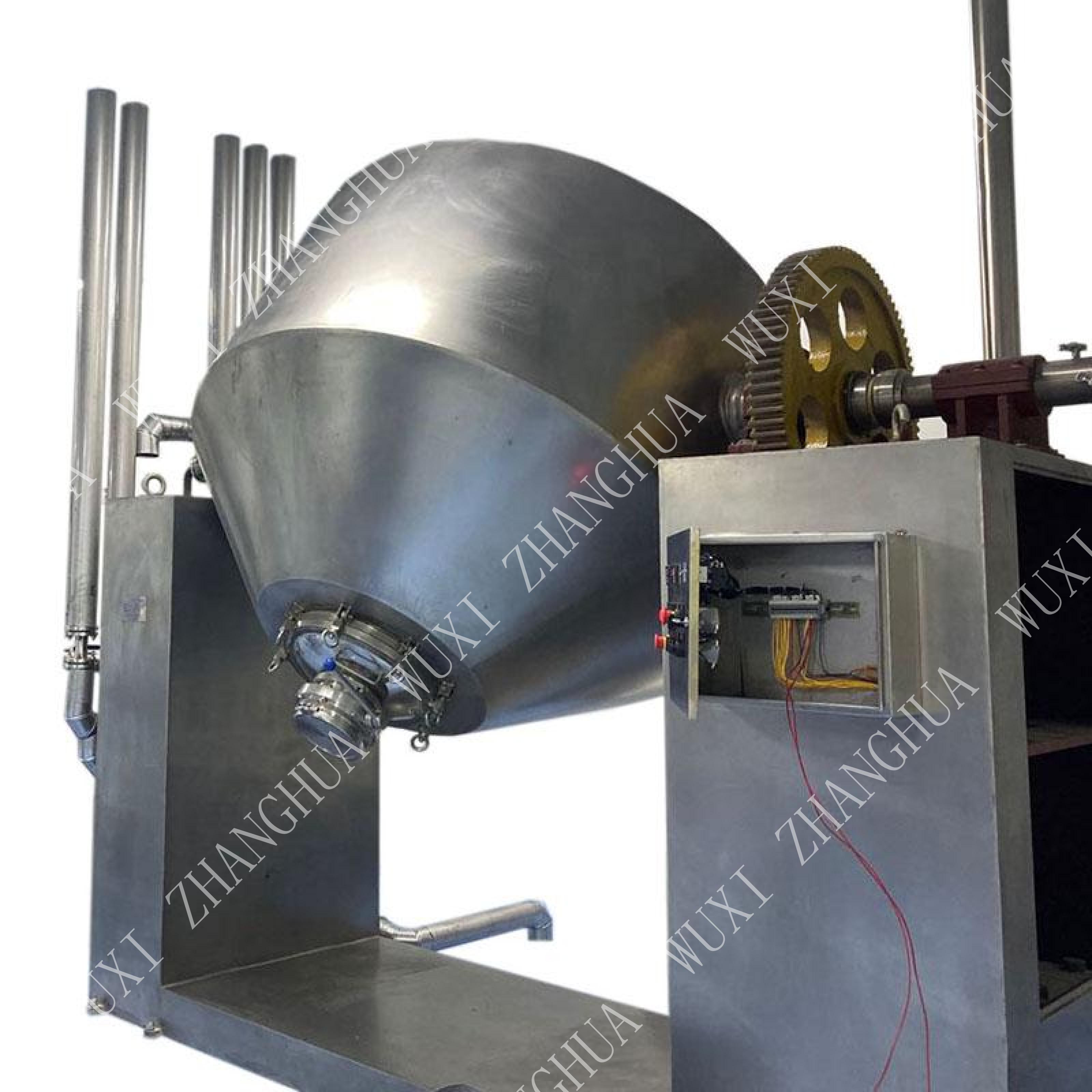
Figure 1: A typical Double Cone Vacuum Dryer manufactured by Wuxi Zhanghua, widely used for API and fine chemical drying.
Detailed Solution Comparison: ANFD vs. Double Cone Dryer
The following table contrasts the two technologies across key criteria relevant to semiconductor precursor and high-purity chemical processing:
| Parameter | Agitated Nutsche Filter Dryer (ANFD) | Double Cone Vacuum Dryer |
|---|---|---|
| Process Integration | Integrated filtration, washing, and drying in one vessel | Drying only; requires separate filter/washer |
| Containment & Safety | Fully enclosed from feed to discharge; ideal for toxic, flammable, or moisture-sensitive materials | Enclosed during drying; material transfer steps require additional containment solutions |
| Vacuum Capability | High vacuum (down to <10 Pa) with solvent recovery >99.5% | High vacuum available; solvent recovery via external condenser |
| Temperature Control | Jacketed vessel + hot gas blow-drying; precise PID control (-20°C to 200°C) | Jacketed double cone; uniform heating via rotation; suitable for heat-sensitive materials |
| Particle Integrity | Gentle agitation can break agglomerates; anti-caking program available | No agitator; tumbling action preserves crystal morphology well |
| Cleaning (CIP/SIP) | Integrated rotating spray balls for CIP; can be designed for SIP (up to 150°C) | CIP possible with spray nozzles; SIP can be designed but less common |
| Footprint | Compact; one machine replaces filter + wash tank + dryer | Requires additional upstream equipment |
| Capital Cost (for equivalent batch size) | Higher initial investment (typically 1.5–2× a double cone) | Lower machine cost; total system cost depends on upstream equipment |
| Operating Cost | Reduced labor, less solvent loss, shorter cycle time | Higher operator involvement; more solvent handling steps |
| Best Applications | High-value, toxic, sterile, or multi-step products; NCM precursors, LiPF₆, HPAPIs, electronic chemicals | Crystalline APIs, intermediates, antioxidants, standard fine chemicals |
Step-by-Step Selection Guide
Follow this decision framework to choose the right technology for your semiconductor precursor production:
- Evaluate material properties: Is the precursor toxic, irritant, or moisture-sensitive? Does it require inert atmosphere handling? If yes, ANFD’s full containment is strongly recommended.
- Determine process integration need: Do you need in-situ washing/reslurry? For precursors like NCM hydroxides that require precise pH-controlled washing, ANFD provides superior control without material transfer.
- Assess production scale: For small-to-medium batches (e.g., 100–2000 L) with high added value, ANFD offers the best yield and purity. For large-volume, stable products (e.g., standard carboxylic acids), double cone dryers with separate filters may be more economical.
- Review regulatory requirements: ANFD designs from certified manufacturers like Wuxi Zhanghua can achieve ASME, PED, CE, ATEX, and GMP compliance. If your end market requires full traceability (21 CFR Part 11), ANFD with SCADA is preferable.
- Calculate total cost of ownership: Include equipment, installation, validation, solvent recovery, cleaning, and maintenance. ANFD often delivers lower long-term cost for high-value products due to reduced yield loss.
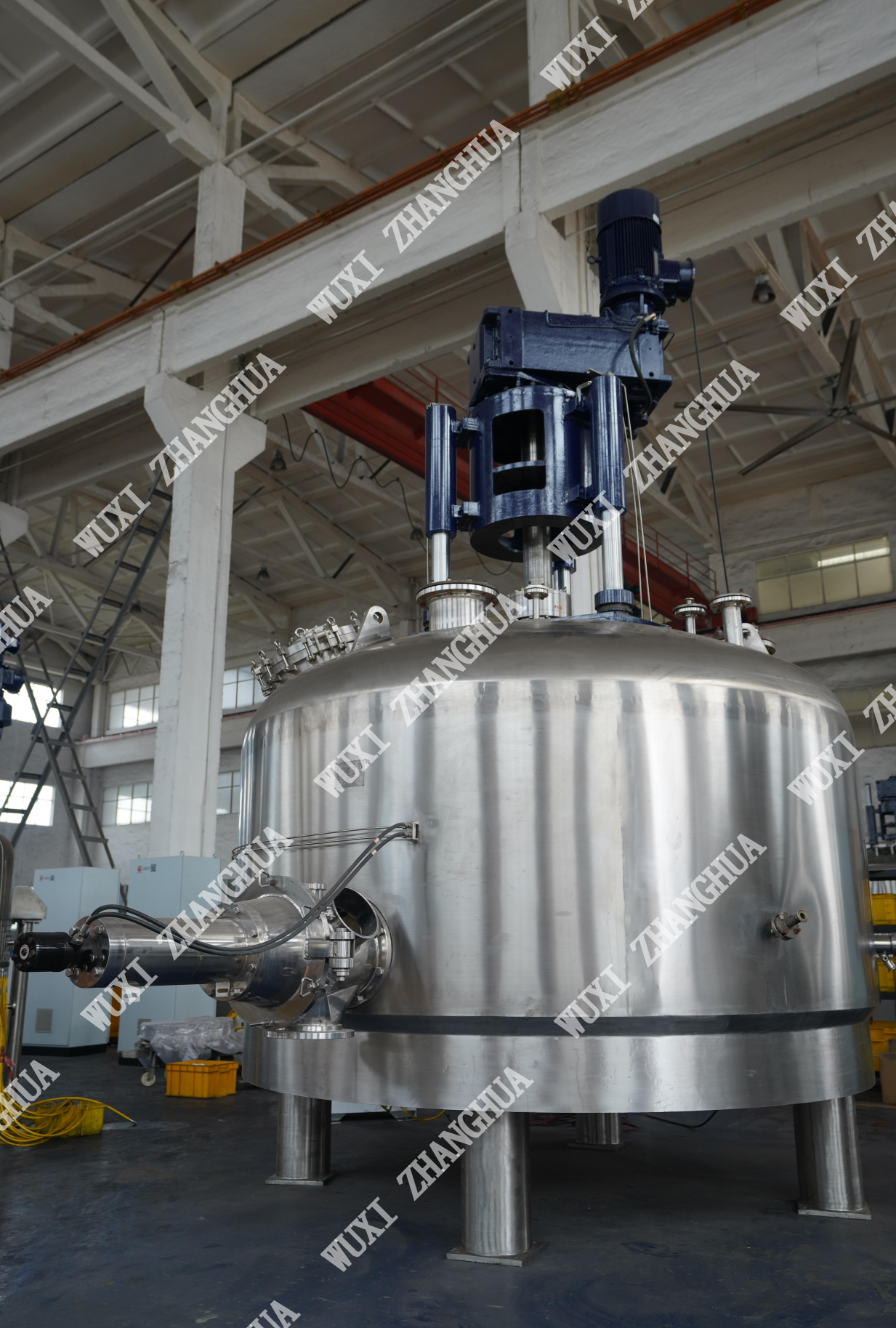
Figure 2: Wuxi Zhanghua’s ANFD integrated machine combines filtration, washing, and drying in a single contained system.
Use Cases: Real-World Applications
Case 1: High-Nickel Ternary Cathode Precursor (NCM) Processing
In the production of NCM (Ni-Co-Mn) hydroxide precursors, Wuxi Zhanghua’s ANFD equipment is used to filter, wash, and dry the wet cake under inert nitrogen protection. The closed-loop design prevents oxidation of the nickel-rich material, while the integrated agitator ensures uniform washing to remove impurities. Final product moisture content is controlled to <0.1%, and the precursor retains its desired morphology. This solution is deployed at major Chinese cathode material plants.
Case 2: Antibiotic API Drying with Double Cone Dryer
A leading antibiotic manufacturer uses Wuxi Zhanghua’s double cone vacuum dryers for drying penicillin salts and cephalosporin intermediates. The gentle tumbling action preserves the crystal structure, and the vacuum system achieves residual solvent levels below 500 ppm. The double cone’s simpler design and lower cost make it suitable for their multi-ton daily production while maintaining GMP compliance.
Case 3: LiPF₆ Electrolyte Salt Drying
Lithium hexafluorophosphate is extremely moisture-sensitive and toxic. Wuxi Zhanghua supplies both ANFD and double cone dryers with specialized seals and glove-box interfaces. For one client, an ANFD was selected to eliminate the risk of exposure during filter cake discharge, reducing HF residue to below 50 ppb—a level unattainable with conventional dryers.
Frequently Asked Questions
Q: Is the ANFD always more expensive than a double cone dryer?
A: The initial investment for an ANFD is higher (typically 1.5–2×), but when factoring in the cost of separate filter, wash tank, and transfer systems, plus reduced solvent loss and labor, the ANFD can offer a lower total cost of ownership for many high-value processes.
Q: Can a double cone dryer be used for products that require washing?
A: No. The double cone is a drying-only device. For products needing washing, you must use a separate Nutsche filter or centrifuge prior to charging the dryer. This increases handling and contamination risk.
Q: Which technology is better for heat-sensitive semiconductor precursors?
A: Both can work under high vacuum, which lowers boiling points. The double cone’s gentle tumbling is less aggressive than an ANFD agitator. However, ANFD can be programmed with slow intermittent agitation to avoid overheating. For critical polymorphs, pilot testing is recommended.
Q: Does Wuxi Zhanghua provide customized solutions for both technologies?
A: Yes. Wuxi Zhanghua offers design, manufacturing, and automation for both ANFD and double cone dryers, tailored to specific process parameters, including corrosion-resistant materials (Hastelloy, titanium), explosion-proof designs (ATEX), and compliance with ASME, PED, and GMP.
Conclusion
Choosing between an Agitated Nutsche Filter Dryer and a Double Cone Vacuum Dryer for semiconductor precursor processing depends on the specific requirements of your product and operation. ANFD excels in integrated processing of high-value, toxic, or ultra-high-purity materials, while the double cone dryer remains a reliable, cost-effective solution for simpler drying tasks. Wuxi Zhanghua Pharm & Chem Equipment Co., Ltd., with nearly five decades of expertise and a comprehensive product portfolio, can support both paths, offering certified equipment that meets the highest global standards. For a technical evaluation of your process, contact their engineering team to arrange sample testing and technical simulation.
Contact Wuxi Zhanghua today:
Vincent Zhang
Email: vincent_zhang@zhanghuayaoji.com
Tel/WhatsApp: +86 181-1890-2332
Address: No. 8 Zhenshi Road, Shitangwan Industrial Park, Wuxi, Jiangsu, China