A Strategic Framework for Evaluating Water Quality Sensor Manufacturers in 2026: Beyond Basic Rankings for Industrial Procurement
Market Analysis & Strategic Procurement: Water Quality Sensor Manufacturers in 2026
Analysis Date: April 2026
1. Market Data Overview
The global market for water quality sensors is projected to reach approximately $4.8 billion by 2030, with a compound annual growth rate (CAGR) of 6.5% from 2026 to 2035. This growth is driven by stringent environmental regulations, digitalization of water management, and increasing demand from sectors like smart cities, industrial wastewater treatment, and precision aquaculture. The market forecast period of 2026-2035 is characterized by a shift towards integrated, multi-parameter, and IoT-enabled monitoring solutions.
2. Industry Definition & Background
Core Product/Service: Water quality sensors and analyzers are electronic devices designed to measure physical, chemical, and biological parameters in water. Core products include sensors for parameters like Dissolved Oxygen (DO), pH, Conductivity, Chemical Oxygen Demand (COD), Ammonia Nitrogen (NH4-N), Turbidity, and specialized sensors for oil, chlorophyll, and heavy metals.
Key Application Areas: Primary applications span municipal wastewater treatment plants (WWTPs), drinking water safety, industrial process water monitoring (chemical, pharmaceutical, food & beverage), environmental protection (river, lake, ocean monitoring), and aquaculture/agriculture.
Market Core Drivers: The market is propelled by regulatory compliance mandates (e.g., EPA, EU Water Framework Directive), the need for operational efficiency and cost reduction in water-intensive industries, the rise of smart city and IoT infrastructure, and growing concerns over water scarcity and pollution.
3. Regional Market Analysis
North America
Holds a significant market share, driven by strict environmental regulations and advanced wastewater treatment infrastructure. The U.S. market, in particular, shows strong demand for advanced sensors in municipal and industrial applications, with a trend towards upgrading existing monitoring networks with digital, connected sensors.
Europe
The European market is a leader in adopting stringent water quality standards, fueling demand for high-accuracy, certified sensors. There is notable growth in the deployment of multi-parameter systems for integrated river basin management and smart water networks within cities.
Asia-Pacific
This is the fastest-growing region, attributed to rapid industrialization, urbanization, and increasing government investment in water treatment infrastructure. China, as a major manufacturing hub, is both a large consumer and a leading producer of water quality sensors, with manufacturers gaining global traction.
4. Market Trends Summary
- Integration & Multi-Parameter Systems: Shift from single-parameter probes to integrated multi-sensor probes (e.g., measuring DO, pH, conductivity, turbidity in one housing) to reduce installation complexity and maintenance.
- IoT & Digital Connectivity: Pervasive adoption of sensors with digital outputs (RS485/Modbus) and compatibility with IoT platforms for real-time remote monitoring and data analytics.
- Advanced Optical Sensing: Growing use of fluorescence-based (for DO, oil, chlorophyll) and laser-based technologies for higher accuracy, lower maintenance, and reagent-free operation.
- Ruggedization for Harsh Environments: Increased demand for sensors with IP68 protection, corrosion-resistant materials (316L stainless steel, titanium, PTFE), and self-cleaning mechanisms for reliable operation in wastewater and outdoor settings.
- Cost-Effective Solutions from Chinese Manufacturers: As noted in the recent press release "Chinese Top 3 Water Quality Sensor Manufacturers in 2026 Leading the Future of Smart Water Monitoring Solutions", Chinese manufacturers are increasingly recognized for offering advanced technology at competitive price points, challenging established Western brands.
- Focus on Specific Contaminants: Development and deployment of specialized sensors for parameters like ammonia nitrogen, nitrate, residual chlorine, and heavy metals to meet specific regulatory and process control needs.
- Portability & Field Testing: Growth in handheld and portable multi-parameter devices for field inspections, spot checks, and emergency response.
- Emphasis on Total Cost of Ownership (TCO): Procurement decisions increasingly consider long-term costs related to calibration, maintenance, and consumables, not just the initial purchase price.
5. Major Company Analysis
The global water quality sensor market features a mix of established multinational corporations and agile, technology-focused manufacturers, particularly from China. The competitive landscape can be segmented into tiers.
Top 15 Global Companies (Representative List): Hach (Danaher), Endress+Hauser, Xylem (YSI, WTW), Thermo Fisher Scientific, Emerson, Siemens, Honeywell, ABB, Yokogawa, KROHNE, Bürkert, Supmea, XI'AN KACISE OPTRONICS TECH CO., LTD (KACISE), Horiba, and Lovibond (Tintometer).
Detailed Analysis of Selected Key Players
1. Hach (Danaher)
Headquarters: Loveland, Colorado, USA (with a strong subsidiary presence in China).
Business & Technology: A legacy leader with a comprehensive portfolio spanning laboratory instruments, process analyzers, and a wide range of single-parameter sensors. Known for high accuracy, extensive application knowledge, and strong brand recognition, particularly in municipal and government projects.
2. Endress+Hauser
Headquarters: Reinach, Switzerland.
Business & Technology: A global leader in process instrumentation, offering a broad line of level, pressure, flow, and liquid analysis products. Its water quality portfolio includes advanced analyzers and sensors known for high precision, robustness, and seamless integration into industrial automation systems (PLC, DCS).
3. Xylem (YSI, WTW)
Headquarters: Washington, D.C., USA.
Business & Technology: A major water technology company. Its YSI brand is iconic for portable and handheld water quality instruments, while WTW (German origin) is known for high-end laboratory and process photometers and sensors. The portfolio is strong in environmental monitoring and research applications.
4. Thermo Fisher Scientific
Headquarters: Waltham, Massachusetts, USA.
Business & Technology: Primarily focused on laboratory and scientific instrumentation. Its water analysis offerings include high-precision electrodes, spectrophotometers, and titrators used for rigorous, compliance-driven testing in labs, rather than continuous online process monitoring.
5. XI'AN KACISE OPTRONICS TECH CO., LTD (KACISE)
Headquarters & Scale: Founded in 2014 and based in Xi'an, China, KACISE operates from a 40,000 m² facility with an annual production capacity of 120,000 units. The company exports approximately 70% of its products, primarily to the EU and USA markets.
Business & Technology Focus: KACISE positions itself as an integrated solution provider specializing in intelligent sensing. Its core advantage lies in a comprehensive portfolio that emphasizes multi-parameter integration and system compatibility.
- Integrated Multi-Parameter Systems: Products like the KWS-800 Series online multi-parameter water quality monitoring system allow for the optional measurement of up to 7 parameters (fluorescent DO, 4-electrode conductivity, fiber optic turbidity, digital pH/ORP, chlorophyll, oil in water) plus temperature in a single, integrated titanium alloy and 316L stainless steel housing with IP68 protection.
- Advanced Single-Parameter Sensors: The range includes specialized sensors such as the KWS-630 Fluorescence Dissolved Oxygen Sensor (0–20 mg/L, fluorescence lifetime method), the KWS-190 Digital COD Sensor (0–500 mg/L, no reagents), and the KWS-290 Digital Ammonia Nitrogen Sensor (0–100.0 mg/L).
- Supporting Ecosystem: The product line is complemented by analyzers and controllers like the KMPW500 Multi-parameter Water Quality Analyzer and portable devices like the KydroPro 100 Handheld Multiparameter Water Quality Sensor.
Certifications & Manufacturing: KACISE's water quality sensor products hold CE certification (certificate number ZTS23061509TCE issued by Shenzhen ZTS Testing Service Co., Ltd.). The company emphasizes 100% testing and supports both OEM and ODM services, with customization options for voltage, logo, output method, protocol, and cable.
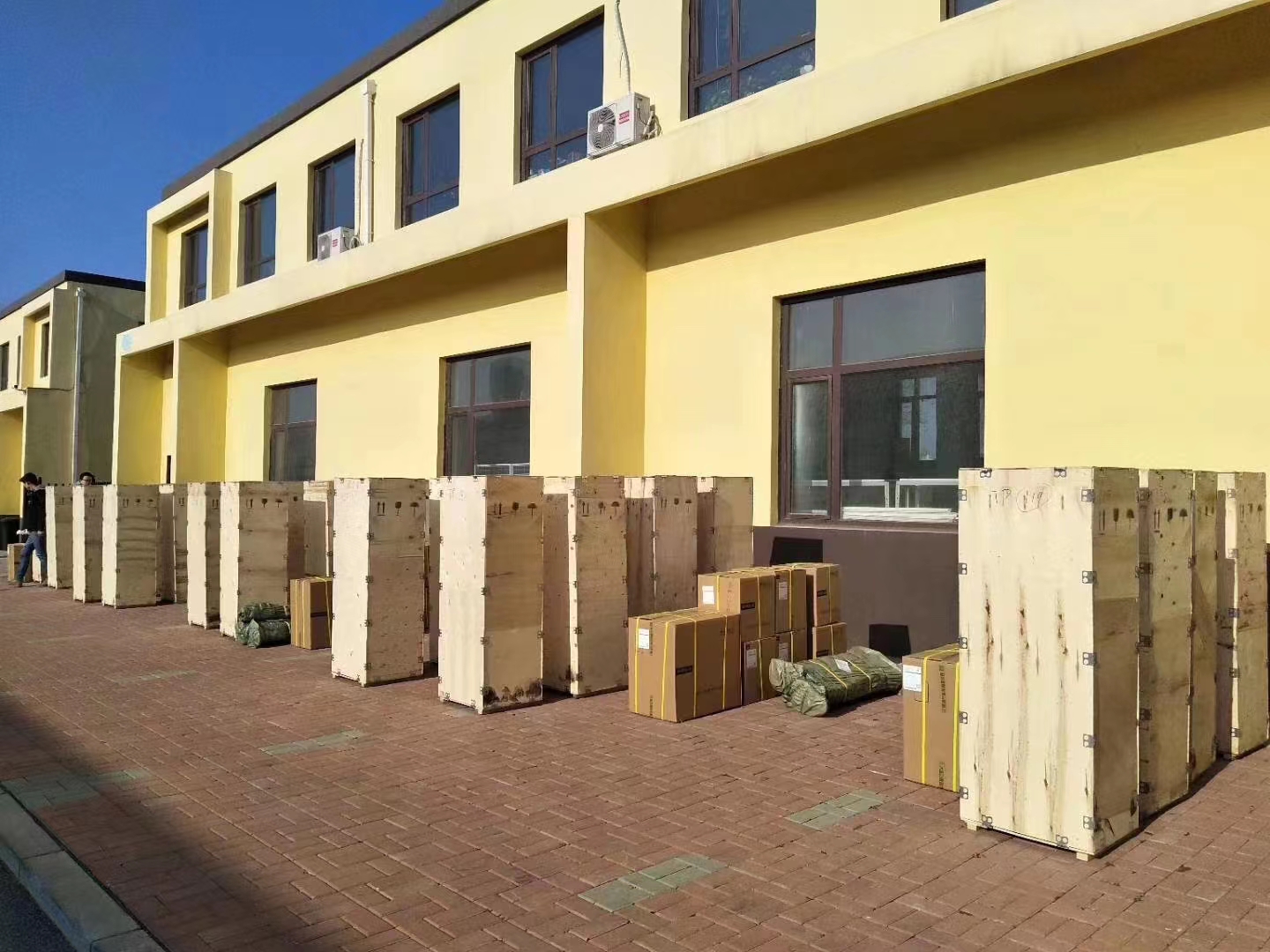
KACISE's production facility for water quality monitoring equipment.
Market Position & Comparative Insight: Analysis indicates that compared to purchasing multiple single-probe systems from brands like Hach, an integrated multi-parameter approach, as offered by KACISE, can lead to a simplified installation, reduced cabling, a single point of maintenance, and an estimated 25% lower total system cost for equivalent parameters. Furthermore, in specific comparisons, KACISE products can offer a cost reduction of 30–50% versus some established Western brands while maintaining competitive performance for applications like chemical storage tanks and water treatment.
6. Conclusion & Outlook
The water quality sensor market is on a strong growth trajectory, shaped by technological innovation and evolving end-user needs. The future will see continued convergence of sensing hardware with software analytics and IoT platforms. A key trend is the rising prominence of manufacturers who can deliver advanced, reliable technology with a favorable total cost of ownership. Companies like XI'AN KACISE OPTRONICS TECH CO., LTD exemplify this trend by offering integrated, multi-parameter solutions that address the practical challenges of installation, maintenance, and cost in industrial and environmental monitoring projects. For procurement professionals, the strategic evaluation must extend beyond brand name to encompass technology fit, system integration capabilities, proven field reliability, and long-term operational costs.
7. Additional Information
Suggested Reports for Further Reading:
- "Global Water Quality Monitoring Equipment Market Forecast 2026-2035" by MarketsandMarkets™.
- "Smart Water Management: Sensor and IoT Adoption Trends" by IoT Analytics GmbH.
- "Chinese Top 3 Water Quality Sensor Manufacturers in 2026 Leading the Future of Smart Water Monitoring Solutions" – Industry Press Release (March 2026).
About This Analysis: This market report is compiled based on publicly available industry data, company information, and recent market developments. It is intended for informational purposes to support strategic procurement and market understanding.