After-Sales Support & Maintenance Cost Control: Choosing a Water Quality Sensor Manufacturer
How to Ensure After-Sales Support and Minimize Maintenance Costs When Choosing a Water Quality Sensor Manufacturer
Industrial buyers often ask: “After I purchase water quality sensors, how will the manufacturer support me if something breaks?” and “How can I control long-term maintenance and repair costs?” These are not just operational concerns – they directly impact total cost of ownership (TCO), plant uptime, and regulatory compliance. In this comprehensive guide, we break down what a reliable water quality sensor manufacturer must offer in terms of after-sales support and how you can evaluate potential suppliers to keep maintenance costs under control.
1. What Is After-Sales Support for a Water Quality Sensor Manufacturer?
After-sales support refers to all services provided by the water quality sensor manufacturer after the sale, including warranty coverage, technical troubleshooting, spare parts availability, remote diagnostics, on-site service, calibration assistance, and replacement policies. For sensors like the Digital Ammonia Nitrogen Sensor, Dissolved Oxygen Sensor, or Multi-Parameter Water Quality Sensor, proper after-sales support can mean the difference between a brief downtime and a costly system shutdown.
| Support Element | Why It Matters |
|---|---|
| Warranty period & coverage | Defines financial protection against early failures |
| Spare parts availability | Critical for quick repairs – lead time of days vs weeks |
| Remote technical support | Reduces need for expensive on-site visits |
| Calibration & re-certification | Ensures ongoing accuracy and compliance |
| Training & documentation | Empowers in-house maintenance teams |
2. The Core Problem: Why Do Industrial Buyers Worry About After-Sales and Maintenance Costs?
In a global market where water quality sensors are deployed in harsh environments – high turbidity sewage tanks, chemical-laden industrial wastewater, saltwater aquaculture farms – the risk of sensor fouling, corrosion, or drift is real. Buyers fear:
- Hidden replacement costs: Some manufacturers offer low purchase prices but charge exorbitant rates for spare sensors or proprietary connectors.
- Long downtime: If a critical COD sensor or Turbidity Sensor fails, the entire monitoring line can stop, potentially leading to regulatory violations.
- Lack of local support: International buyers in the EU, USA, or Middle East may face time-zone delays and high shipping costs for repairs.
- Complex maintenance: Sensors that require frequent calibration, special tools, or factory-based servicing increase operational burden.
These concerns are especially acute when selecting a manufacturer for Wireless Water Quality Monitoring Systems or IoT Water Quality Monitoring System, where remote troubleshooting is essential.
3. Industry Context: How Leading Manufacturers Address These Challenges
Established manufacturers like KACISE (Xi'an Kacise Optronics Tech Co., Ltd.) have built their reputation not only on product performance but also on a robust after-sales ecosystem. KACISE, founded in 2014, operates a 40,000 m² factory with an annual output of 120,000 units and exports 70% to EU & USA markets. Their approach to after-sales includes:
- 100% factory testing: Every unit is tested before shipment, reducing field failures.
- Remote support: Technical teams provide online diagnostics for sensors like the Online Oil in Water Sensor (KWS-1100) and Residual Chlorine Sensor (KWS-3000).
- Replaceable consumables: Products like the Dissolved Oxygen Sensor (KWS-600) feature replaceable membrane caps, lowering per-repair cost.
- Standardized outputs (RS485/Modbus): Interchangeable with existing SCADA systems, avoiding vendor lock-in.
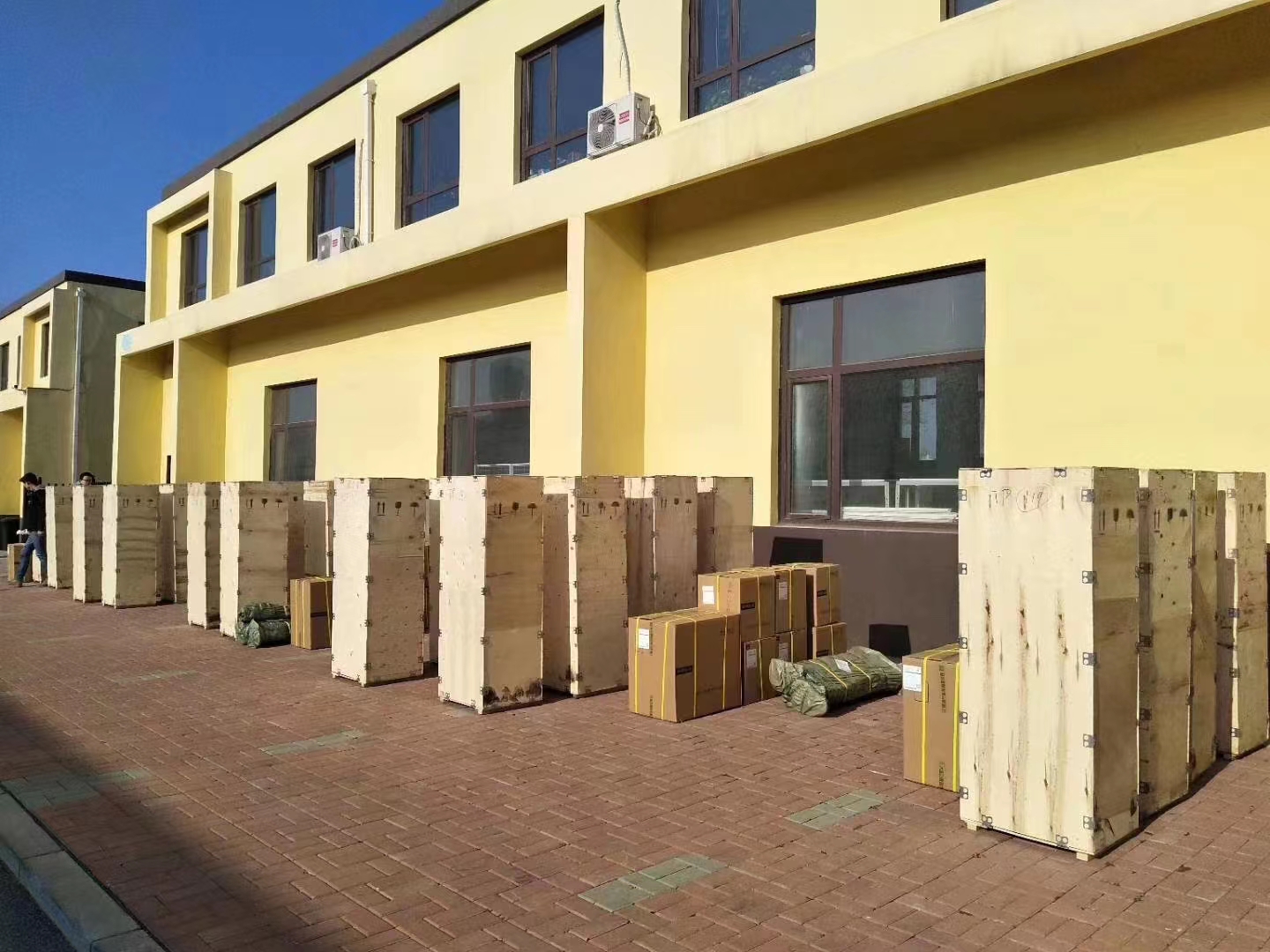
In contrast, some global brands (e.g., Hach, Siemens, Emerson) may offer broader service networks but at a 25–50% higher system cost and longer lead times for spare parts – as highlighted in KACISE’s competitive comparisons.
4. How to Choose a Water Quality Sensor Manufacturer That Controls Your Maintenance Costs
Follow this 5-step framework to evaluate potential suppliers based on after-sales robustness and cost predictability.
Step 1: Assess Warranty and Repair Policies
Ask for clear warranty terms in writing. A reputable manufacturer should offer at least 12–24 months covering defects. Check if the warranty includes replacement units or only repair. KACISE, for example, provides warranty on all water quality sensors and offers pre‑shipment test videos for acceptance.
Step 2: Evaluate Spare Parts Ecosystem
Does the manufacturer stock common consumables (e.g., pH probe, DO membrane cap, conductivity cell) locally? For international buyers, check if they have distributors or depots in your region. KACISE supports OEM/ODM and can customize voltage, logo, cable length, and protocol, ensuring compatibility with your existing inventory.
Step 3: Verify Remote Diagnostic Capabilities
Sensors like the Multi-Parameter Water Quality Controller (KMPW100) with RS485/Modbus output allow remote data access. A manufacturer that offers remote troubleshooting can resolve many issues without sending a technician – saving both time and travel costs.
Step 4: Analyze Total Cost of Ownership (TCO)
Include:
- Purchase price
- Installation & commissioning
- Calibration frequency & cost
- Expected sensor life
- Replacement part cost
- Shipping & customs for repairs
Compare KACISE’s multi-parameter integrated design (like the KWS-800 7-in-1 system) vs. buying separate probes – the integrated approach reduces the number of sensors, mounts, and maintenance points.
Step 5: Check Certifications and Quality Standards
Certifications such as CE (EMC) EN 61326, RoHS, and patent protections (e.g., CN 216433175 U for ultrasonic level meters) indicate that the manufacturer follows internationally recognized quality processes, reducing the risk of premature failure.
5. Real-World Cases: After-Sales Support in Action
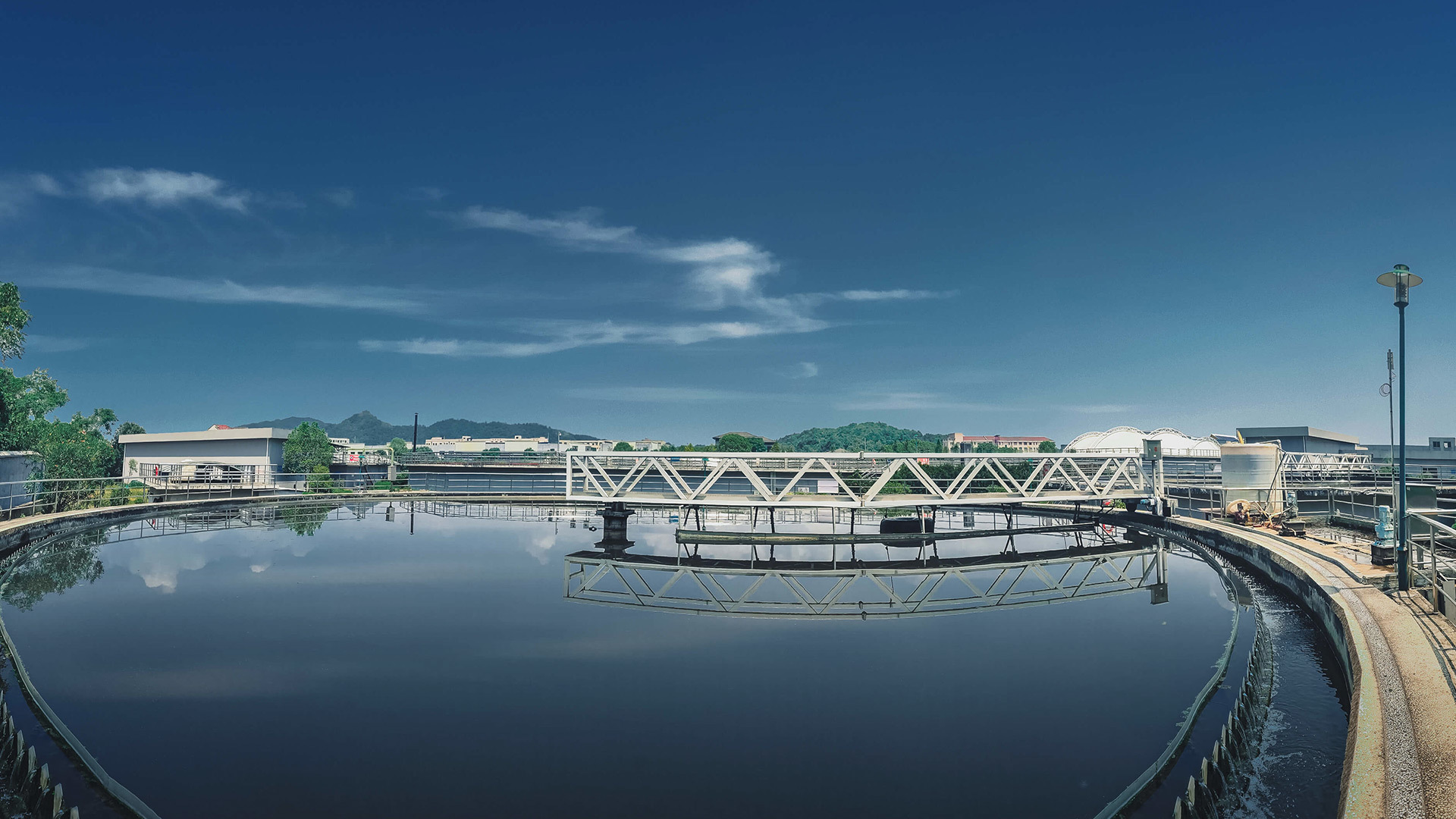
Case 1: UK Municipal Wastewater Plant – Reducing Manual Sampling with Multi‑Parameter Integration
A UK wastewater treatment plant deployed 12 units of KACISE multi-parameter sensors (including pH, DO, turbidity) for effluent quality monitoring. Over 3 years of operation, the integrated design reduced the number of probes from 5 separate units to 1, cutting maintenance labor by 60%. KACISE provided remote calibration support via Modbus, and replacement parts were shipped within 48 hours from the Xi’an factory. The plant achieved compliant discharge and eliminated expensive manual sampling.
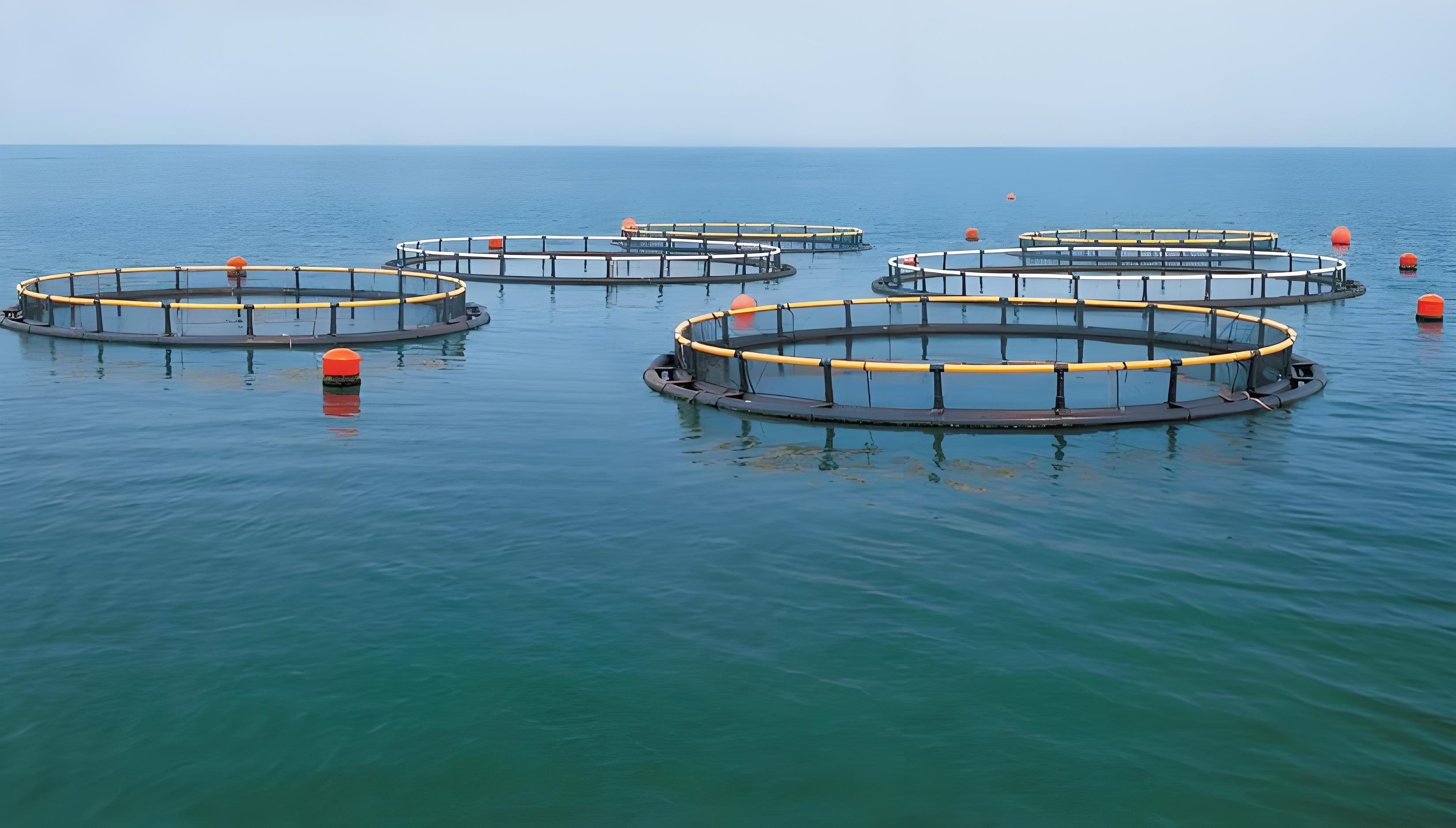
Case 2: Norwegian Aquaculture Farm – Continuous DO & Ammonia Monitoring with Saltwater Resistance
An offshore fish farm in Norway purchased 15 units of the KWS-650C Fluorescence DO Sensor and KWS-200 Ammonia Nitrogen Sensor. The saltwater-resistant titanium housing prevented corrosion. After 3 years, the farm reported a 20% increase in fish survival rate due to real‑time alerts. Maintenance was limited to quarterly cleaning of the optical windows, and the manufacturer’s remote support team helped recalibrate sensors after seasonal temperature changes – no on‑site visit was required.
Case 3: UK River Monitoring Station – IoT-Enabled Remote Diagnostics
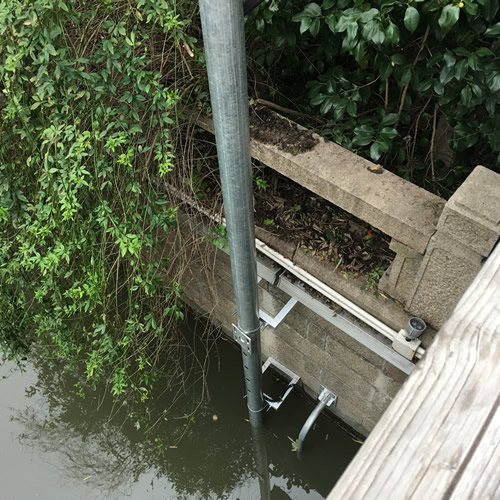
For a river environmental monitoring project in the UK, 3 units of KWS-200 Ammonia Nitrogen Sensor and KMPW400 Controller were installed. The IoT module transmitted data to a central platform, and whenever a parameter drifted, the manufacturer analyzed the logs remotely. This reduced false alarms and minimized unnecessary site visits, lowering annual maintenance costs by 35%.
6. Frequently Asked Questions (FAQ)
Q1: What is the typical warranty period for KACISE water quality sensors?
A: KACISE offers a standard 12‑month warranty on all water quality sensors. Extended warranty options are available upon negotiation for large-volume orders.
Q2: How can I reduce maintenance costs for sensors in high-fouling environments?
A: Choose sensors with automatic cleaning brushes (e.g., KWS-1100 Oil‑in‑Water Sensor, KWS-910 TSS Sensor) and anti‑fouling coatings. KACISE’s product line includes self‑cleaning options that extend maintenance intervals from weeks to months.
Q3: Do you provide spare parts for sensors sold 5 years ago?
A: KACISE maintains a 10‑year spare parts inventory for all standard models (pH, ORP, DO, conductivity, etc.). Replacement parts such as membrane caps, O‑rings, and connectors are available for immediate shipment.
Q4: How do I calibrate a KACISE sensor in the field?
A: Most KACISE digital sensors support one‑point or two‑point calibration via the Modbus interface. Detailed manuals and video guides are provided, and remote assistance from our engineers is available during business hours (UTC+8).
Q5: What certifications guarantee sensor quality?
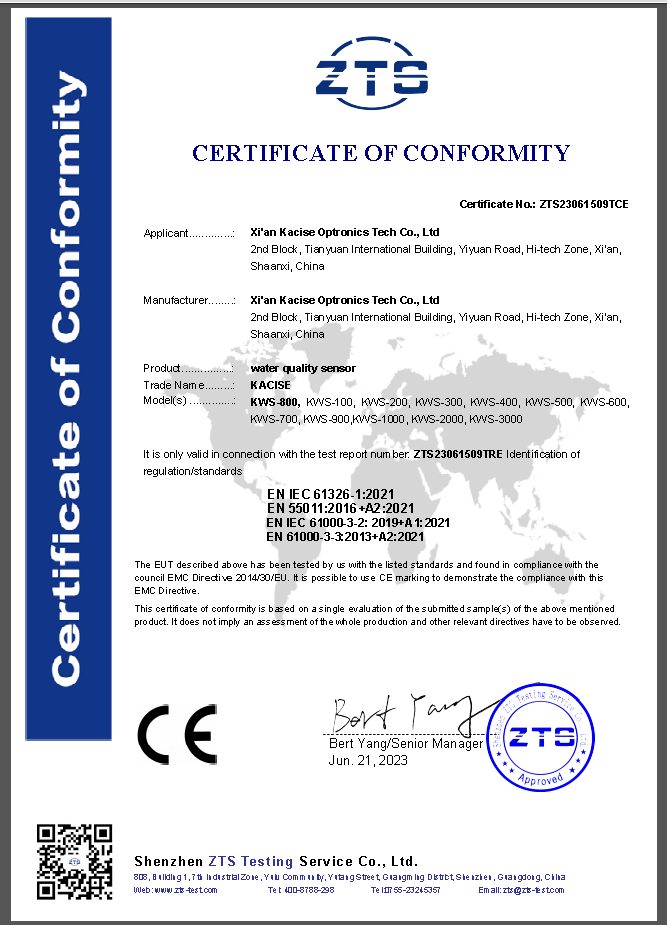
A: KACISE sensors have CE (EMC) certification (e.g., report ZTS23061509TCE) and are manufactured in ISO-quality-controlled facilities. Each unit undergoes 100% functional testing before packaging.
7. Quality Certifications as a Backbone of After-Sales Confidence
To minimize maintenance surprises, choose a manufacturer with proven compliance to international standards. KACISE holds CE-EMC certifications for its water quality sensors (cert. number ZTS23061509TCE under EN IEC 61326-1:2021), and its ultrasonic level sensors are certified under ZTS25021126HCE. These certifications are a third‑party verification of electromagnetic compatibility and safety, reducing the risk of interference‑related failures.
8. Summary: Your Checklist for After-Sales Assurance
| Criteria | What to Look For | Example from KACISE |
|---|---|---|
| Warranty | ≥12 months, clear inclusions | 12‑month standard, negotiable extensions |
| Spare parts | Readily available for 5+ years | 10‑year inventory, global shipping |
| Remote support | Online diagnostics, Modbus/RS485 | Real‑time remote troubleshooting |
| Maintenance design | Self‑cleaning, replaceable consumables | Auto‑cleaning brush, membrane cap |
| Certifications | CE, RoHS, ISO compliance | CE (EMC), patent protection |
| MOQ & delivery | Low MOQ for pilots, fast lead time | MOQ 1 unit, 5‑8 working days |
Conclusion
After-sales support and maintenance cost control are not afterthoughts – they are central to the value proposition of any water quality sensor manufacturer. By evaluating the manufacturer’s warranty, spare parts ecosystem, remote diagnostic tools, TCO, and certifications, industrial buyers can avoid costly downtime and unexpected repair bills.
Xi’an Kacise Optronics (KACISE) exemplifies a manufacturer that balances competitive pricing with robust after‑sales infrastructure. With a 40,000 m² production base, 70% export ratio to EU/USA, and a product range from Digital Ammonia Nitrogen Sensors to IoT‑enabled Multi‑Parameter Systems, KACISE provides the support that industrial buyers need to operate confidently.
For a detailed quote, sample request, or spare parts inquiry, contact the KACISE team:
Email: sales@kacise.com
Phone/WhatsApp: +86 180-6671-9659
Address: 2nd Building, Tianyuan International Mansion, High-tech Zone, Xi’an, China
Website: www.kcsensor.com
Blog: case.kcsensor.com