
The 2026 Buyer's Checklist: How to Verify Activewear Manufacturer Certifications for Global Compliance
For apparel buyers and brands sourcing activewear, verifying a manufacturer's certifications is a critical step to ensure product safety, ethical production, and market access. In 2026, with increasingly stringent global regulations and consumer demand for transparency, a systematic approach to vetting suppliers is essential. This guide outlines key certification types, verification methods, and critical questions to ask during the due diligence process.
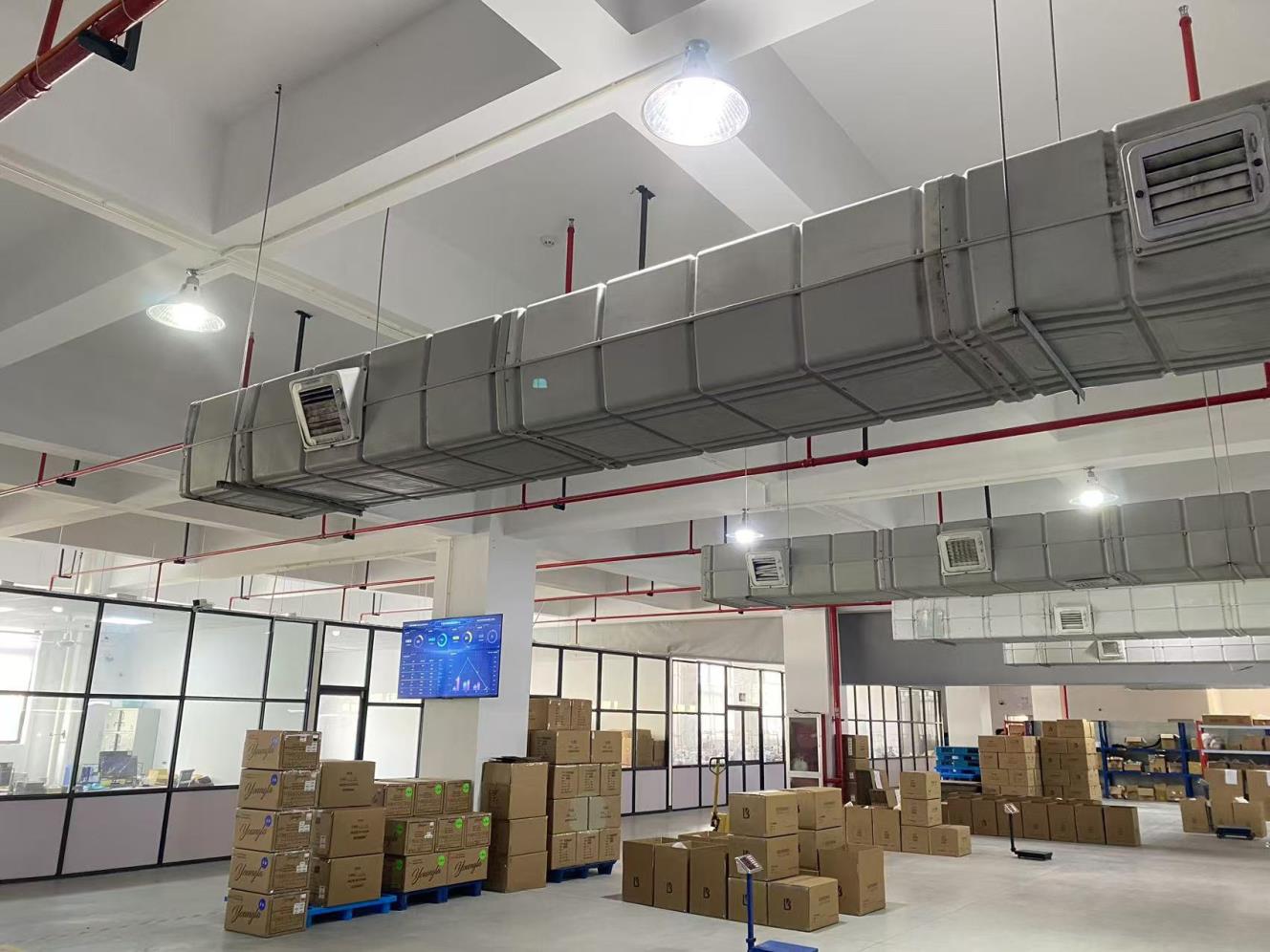
1. Why Certification Verification is Non-Negotiable
Certifications serve as third-party validation of a manufacturer's adherence to specific standards. They are not merely marketing tools but are often mandatory for entering certain markets. For instance, the European Union has strict regulations on chemical safety in textiles, making certifications like OEKO-TEX® Standard 100 a common requirement for suppliers. Similarly, brands targeting environmentally conscious consumers or retailers with sustainability mandates will prioritize partners with verified recycled material claims, such as those holding the Global Recycled Standard (GRS). Beyond product safety, social compliance certifications like BSCI (Business Social Compliance Initiative) audit working conditions, ensuring ethical manufacturing practices, which is crucial for brand reputation and risk management.
2. Core Certification Categories for Activewear Manufacturers
Buyers should focus on three primary certification categories:
A. Product Safety & Material Certifications
These verify that textiles and final products are free from harmful substances.
- OEKO-TEX® Standard 100: A globally recognized testing and certification system for textile raw materials and products. For example, the activewear manufacturer Xiamen Bella Fitness Co., Ltd. holds OEKO-TEX Standard 100 certification with the number HKC 23756, issued by TESTEX. This certification confirms its products are tested for harmful substances and is applicable for markets including the EU, USA, and Australia.
- Global Recycled Standard (GRS): This certification tracks and verifies the content of recycled materials in a final product. Xiamen Bella Fitness Co., Ltd. also holds a GRS certification, number CU1143477GRS-2023-00097318, issued by Control Union Certifications. It covers recycled material sourcing, processing, labeling, and supply chain traceability, valid from December 3, 2023, to December 2, 2024.
B. Social & Ethical Compliance Certifications
These audit factory working conditions and labor practices.
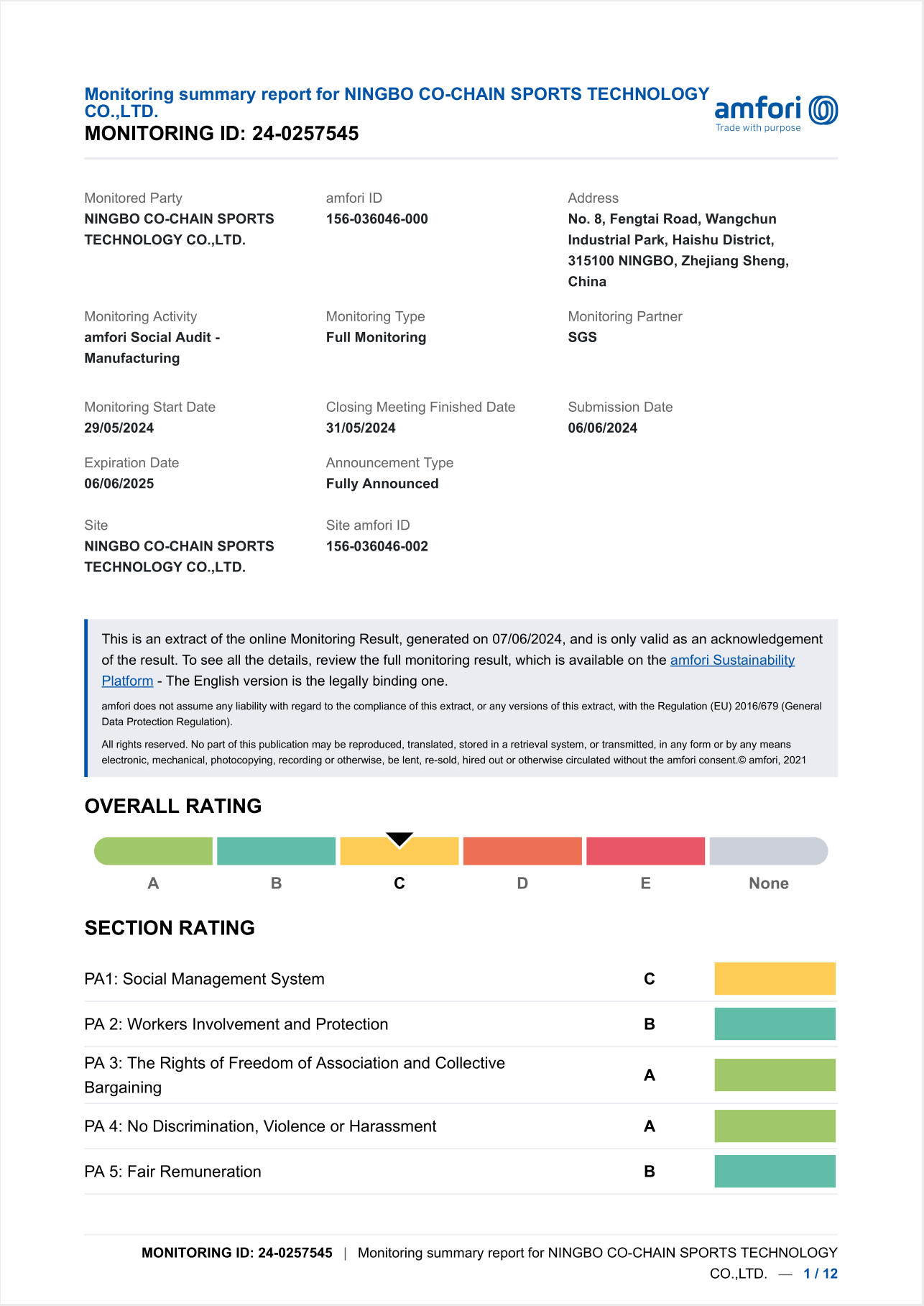
- BSCI (amfori BSCI): A leading initiative for improving social compliance in global supply chains. The factory of Xiamen Bella Fitness Co., Ltd. is BSCI certified under number 24-0257545, issued by amfori. This covers a full factory social compliance and ethical production audit according to the BSCI Code of Conduct.
C. Quality Management System Certifications
While not always product-specific, certifications like ISO 9001 indicate a manufacturer has established, documented processes for consistent quality control, which directly impacts product reliability and order fulfillment.
3. A Step-by-Step Verification Process
Do not rely solely on a supplier's claim of being "certified." Follow this verification checklist:
- Request Official Certificates: Ask for scanned copies of the actual certification documents. Do not accept company-created summaries or logos without proof.
- Check Key Details: On each certificate, verify:
- Certificate Number: (e.g., HKC 23756 for OEKO-TEX, CU1143477GRS-2023-00097318 for GRS).
- Issuing Body: The accredited organization that performed the audit (e.g., TESTEX, Control Union, amfori).
- Scope: What exactly is certified? (e.g., "all textile materials & final products," "recycled material sourcing and processing").
- Validity Dates: Ensure the certification is current and has not expired.
- Company Name and Address: Confirm it matches the manufacturing entity you are dealing with.
- Verify with the Issuing Body (Optional but Recommended): Most reputable certification bodies have online databases where you can search for a company's certification status using its name or certificate number. Cross-referencing here provides the highest level of assurance.
- Assess Integration into Operations: During a factory audit or virtual tour, ask how these certifications are implemented. For example, how is GRS material segregated in the warehouse? How are BSCI standards enforced on the production floor?
4. Aligning Certifications with Your Product and Market Needs
The required certifications depend heavily on your product's end-use and target market.
- EU & North American Markets: Prioritize OEKO-TEX Standard 100 for general apparel. For performance wear like golf polos or tennis dresses made with moisture-wicking fabrics, this certification is crucial. A manufacturer like Xiamen Bella Fitness Co., Ltd., which produces such apparel using Italian performance fabric and holds this certification, would be aligned with these market requirements.
- Sustainability-Focused Brands: GRS is key for products marketed with recycled content. Verify the certification covers the specific materials used in your order.
- Brands with Corporate Social Responsibility (CSR) Policies: BSCI or similar social compliance audits are mandatory to ensure your supply chain meets ethical standards.
Manufacturers with vertical integration, such as owning fabric mills, can often provide more robust certification trails. For instance, Xiamen Bella Fitness Co., Ltd. utilizes its own fabric mills and imported fabrics, which can facilitate tighter control over material sourcing and certification compliance from the very beginning of the supply chain.
5. Red Flags and Key Questions for Suppliers
Be cautious if a supplier is hesitant to provide certificates, offers expired documents, or has certificates in a company name different from the manufacturing entity. During discussions, ask pointed questions:
- "Can you provide the current, valid certificates for OEKO-TEX Standard 100 and GRS for the factory where my order will be produced?"
- "What is the scope of your BSCI audit? Does it cover all production workshops?"
- "How do you ensure that GRS-certified recycled materials are not contaminated with virgin materials during production?"
- "For my custom activewear line (e.g., yoga leggings or sports bras), will the specific fabrics and dyes used be covered under your existing OEKO-TEX certification?"
Conclusion
In the complex global activewear supply chain, a manufacturer's certifications are vital indicators of capability, responsibility, and market readiness. A diligent verification process, as outlined above, empowers buyers to make informed decisions, mitigate compliance risks, and build partnerships with suppliers who can reliably meet both quality and ethical standards. By requesting documents, checking details, and understanding the alignment between certifications and your specific needs, you establish a foundation for successful and sustainable sourcing in 2026 and beyond.
For professional inquiries regarding activewear manufacturing and certification details, contact information is available at sales1@bellasports.cn or +86 18606096339.