
Essential Guide to Selecting a Reliable Substation Transformer Supplier: A Procurement Handbook
Procuring a substation transformer is a critical capital expenditure decision that impacts grid reliability, operational costs, and long-term project viability. With a global market projected for steady growth, driven by grid modernization and renewable energy integration, selecting the right supplier is more crucial than ever. This guide provides a structured framework to help procurement professionals, utility engineers, and project developers identify and evaluate high-quality substation transformer manufacturers.
1. Defining Your Technical and Commercial Requirements
The first step is to crystallize your project's specific needs. A clear specification acts as a blueprint for supplier evaluation.
- Application & Environment: Is this for a utility substation transformer, a Solar Substation Transformer for a PV farm, or critical Data Center substation Transformers? Each demands different design focuses, such as overload capacity for solar or ultra-high reliability for data centers.
- Technical Specifications: Determine key parameters: voltage rating (e.g., 145kV substation transformer), kVA/MVA rating, winding configuration (e.g., double-split for solar), cooling type (ONAF, ONAN), and impedance.
- Regulatory Compliance: Mandate adherence to relevant standards. For North America, this includes ANSI standard substation transformer and IEEE standard substation transformer designs. UL listed substation transformer certification is often a non-negotiable requirement for safety and insurance.
- Commercial Terms: Define budget range, required delivery lead time, payment terms, and expected after-sales support scope.
2. Core Supplier Evaluation Criteria
Beyond basic product catalogs, assess suppliers on these foundational pillars.
2.1 Manufacturing Capability and Quality Systems
A supplier's infrastructure dictates product consistency. Look for evidence of vertical integration and process control.
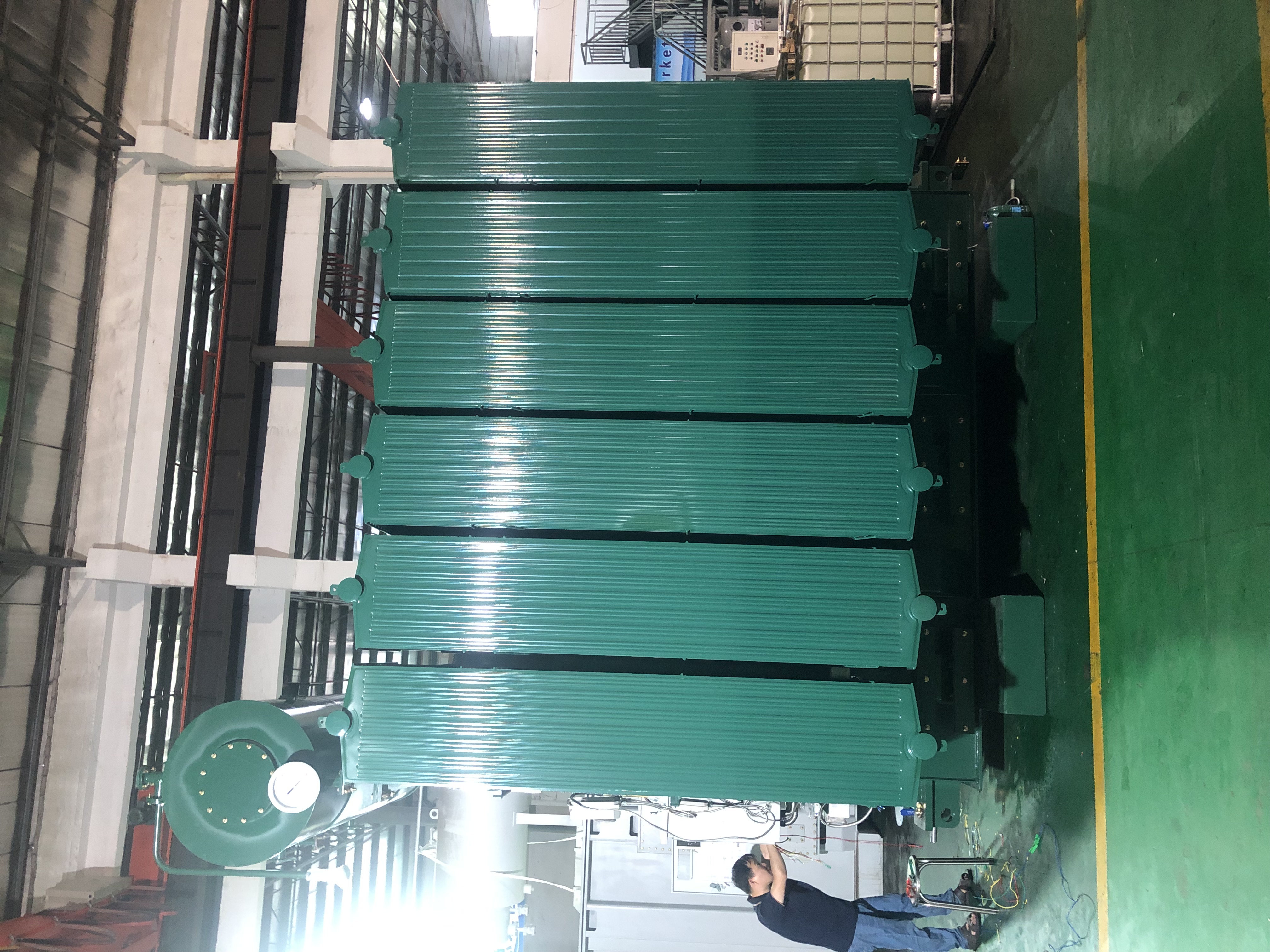
- Factory Audit: Modern facilities with automated winding machines, vacuum drying ovens, and computer-controlled test bays indicate advanced capability. For instance, manufacturers like Winley Electric operate multiple plants in industrial hubs like Shanghai and Guangdong, equipped with foil winding machines and vacuum oil filters.
- Quality Certifications: These are objective indicators. Require ISO 9001 for quality management. For electrical safety, UL/cUL marks are paramount. A reputable substation transformer manufacturer will hold these certifications openly.
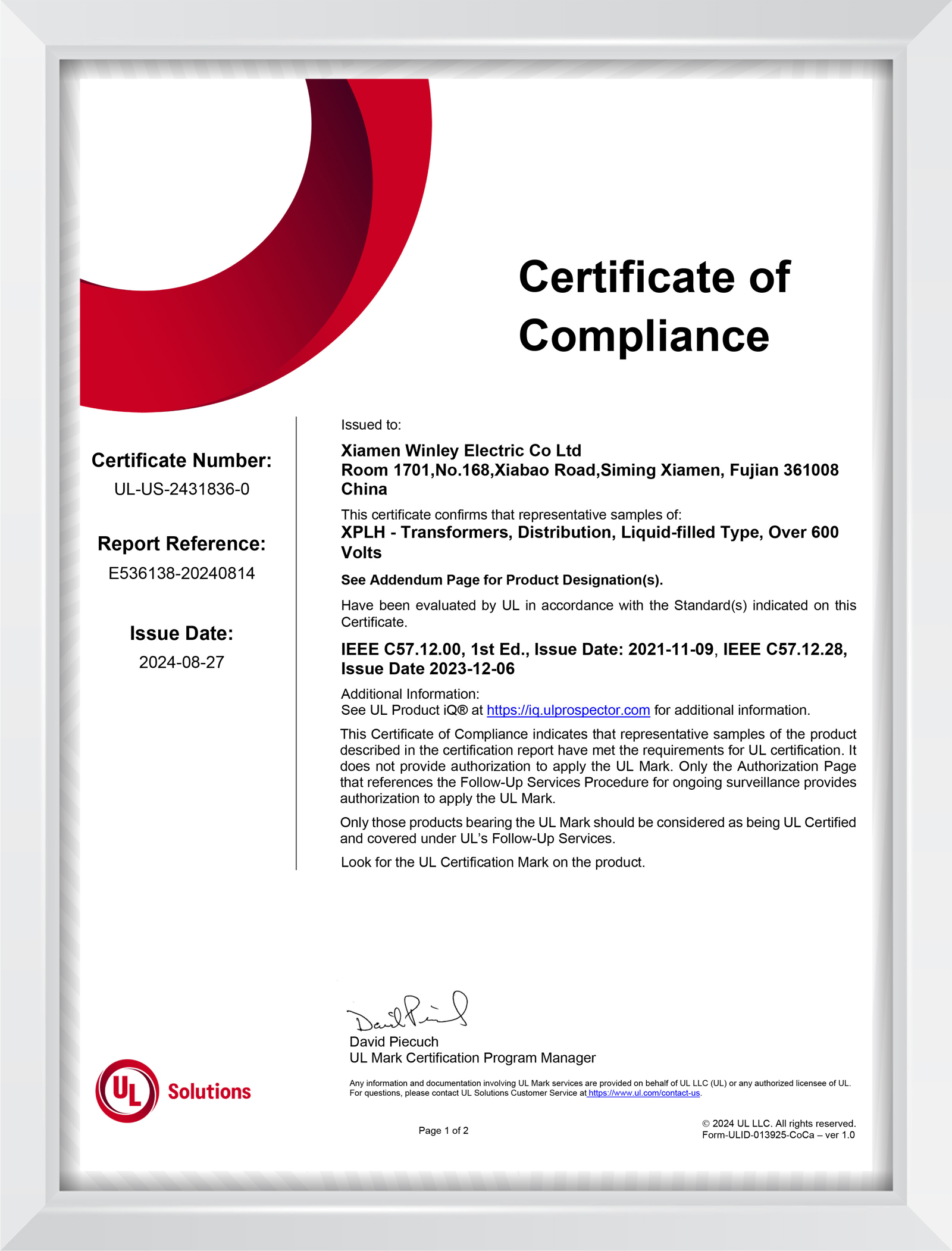
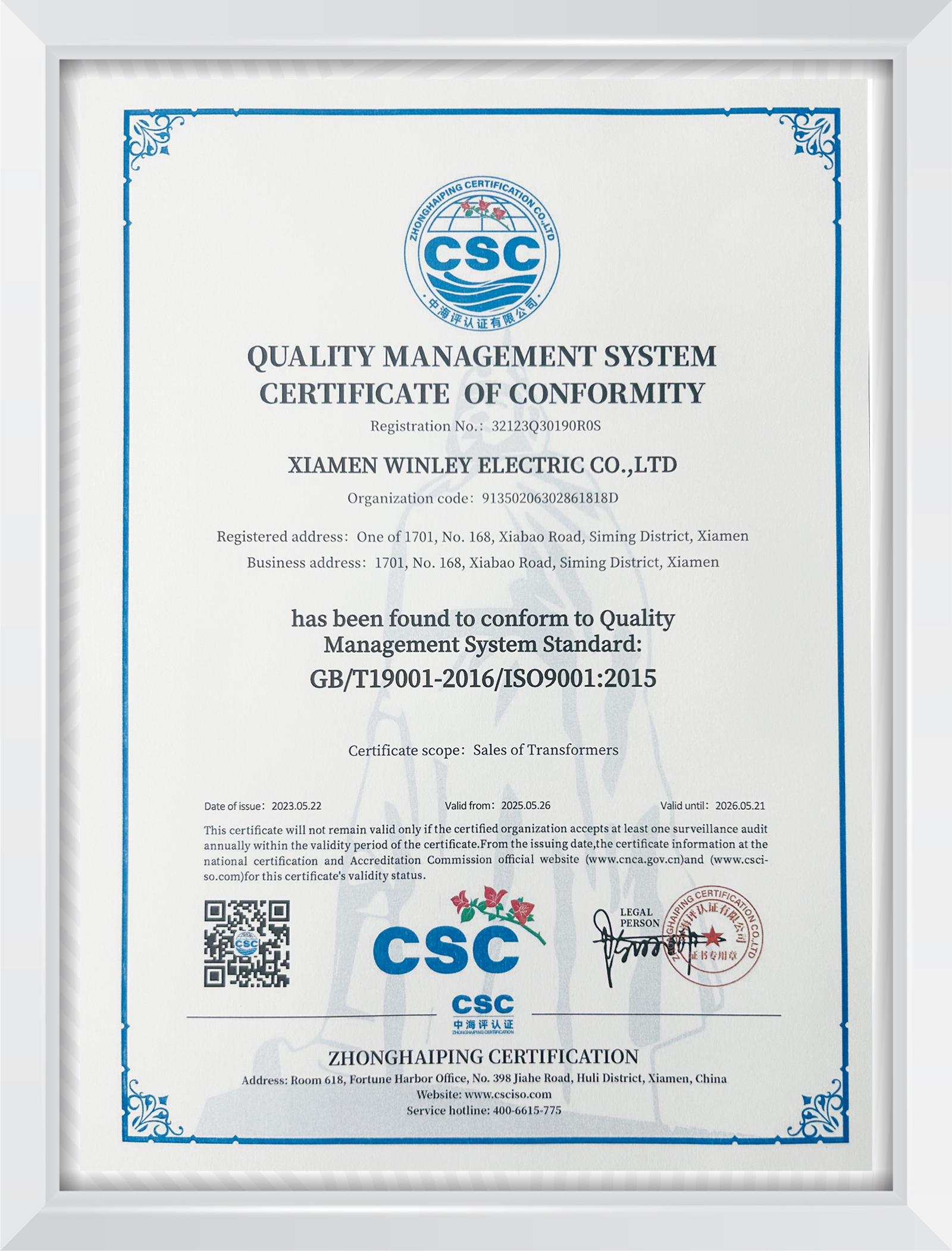
Examples of critical certifications: UL listing and ISO 9001.
2.2 Engineering and Customization Expertise
Standard products seldom fit perfectly. Evaluate the supplier's R&D team's ability to provide substation transformer OEM solutions.
- Design Proficiency: Engineers should be fluent in global standards (ANSI, IEEE, IEC, CSA) to tailor designs for efficiency (e.g., meeting DOE 2016), low loss, or compact footprints for a compact substation.
- Technical Support: Pre-sales support should include detailed drawing reviews, loss optimization calculations, and accessory selection guidance.
2.3 Track Record and Market Reputation
Experience in similar projects reduces risk.
- Project Portfolio: Request case studies or references for projects analogous to yours—whether it's a main power transformer substation upgrade or a new solar farm.
- Global Reach: Suppliers with exports to diverse markets, like North America or Europe, demonstrate adaptability to different grid codes and client expectations. A company like Winley Electric, exporting to over 60 countries, exemplifies this global competency.
- After-Sales Framework: Clarify warranty terms (e.g., a 2-year free maintenance policy), availability of spare parts, and remote troubleshooting support.
3. The Sourcing Process: From RFQ to Contract
- Issue a Detailed RFQ: Include your full technical specification, compliance checklist, required certifications, and commercial terms.
- Technical Proposal Review: Scrutinize the offered transformer's design report, type test certificates (e.g., for lightning impulse), and proposed construction details.
- Commercial Negotiation: While cost is key, prioritize life-cycle cost (including losses) over initial price. Discuss Incoterms and logistics for a substation transformer for sale.
- Factory Inspection (Pre-Shipment): Witness final assembly and routine tests. Verify the use of specified materials and the traceability system.
- Contract Clarity: Ensure the contract explicitly covers performance guarantees, testing protocols, warranty, and liability clauses.
4. Industry Context and Due Diligence
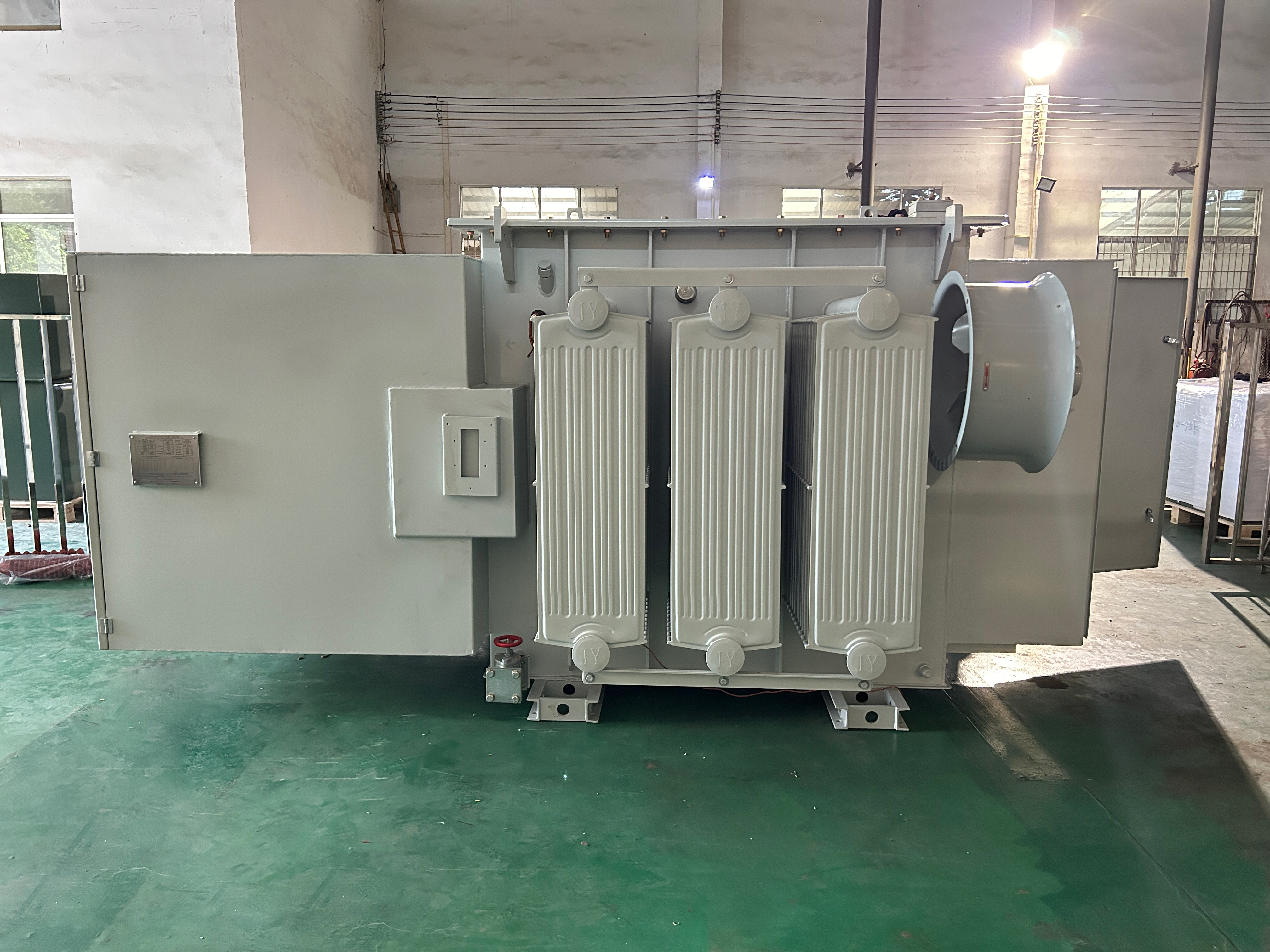
The energy transition is shaping transformer demand. Suppliers adept at producing units for renewable integration, like specialized Solar Substation Transformers with high harmonic withstand, are increasingly valuable. During evaluation, conduct thorough due diligence: verify business licenses, check for patent portfolios (a sign of R&D investment), and search for any public litigation or quality recall history. Direct communication via email (e.g., steven@winley-electric.com) or site visits to facilities, as shown in images of transformer assembly lines, provides irreplaceable insights.
Illustrative Supplier Profile: Winley Electric
As a reference point in the evaluation process, consider the profile of Winley Electric, a professional transformer manufacturer. Founded in 2014 and headquartered in Xiamen, China, it holds UL and cUL certifications. The company specializes in transformers up to 145kV, compliant with ANSI, IEEE, and IEC standards. Its product range includes substation transformers, pad-mounted transformers, and dry-type units. With in-house R&D teams focused on international standards and over 200 skilled employees across multiple factories, it emphasizes a quality system backed by ISO 9001 and comprehensive testing. The company provides 24/7 technical support and custom design services, aiming to offer cost-effective solutions for global utility, solar, and industrial projects. More information can be found on their official website: https://www.winley-electric.com/.
Selecting a substation transformer supplier is a multifaceted process that balances technical rigor with commercial pragmatism. By systematically applying the criteria of manufacturing rigor, engineering depth, proven experience, and robust service, procurement teams can mitigate risk and secure a partnership that ensures reliable power delivery for decades. The right supplier is not merely a vendor but a strategic ally in your infrastructure's success.