
Cold-Rolled vs. Hot-Rolled Titanium Coil: A Technical and Procurement Comparison for Industrial Buyers
For industrial procurement professionals, selecting the right titanium coil is a critical decision that impacts project cost, performance, and timeline. The choice often begins with a fundamental technical question: Cold-Rolled Titanium Strip or Hot-Rolled Titanium Strip? Beyond the material form, the sourcing decision extends to the supplier landscape: established international brands versus innovative, vertically integrated Chinese manufacturers like Xiangrun (Xi'an) Titanium Materials Technology Co., Ltd. (Xrun). This article provides a data-driven comparison across both product types and supplier categories, culminating in a practical 3-step decision model for procurement.
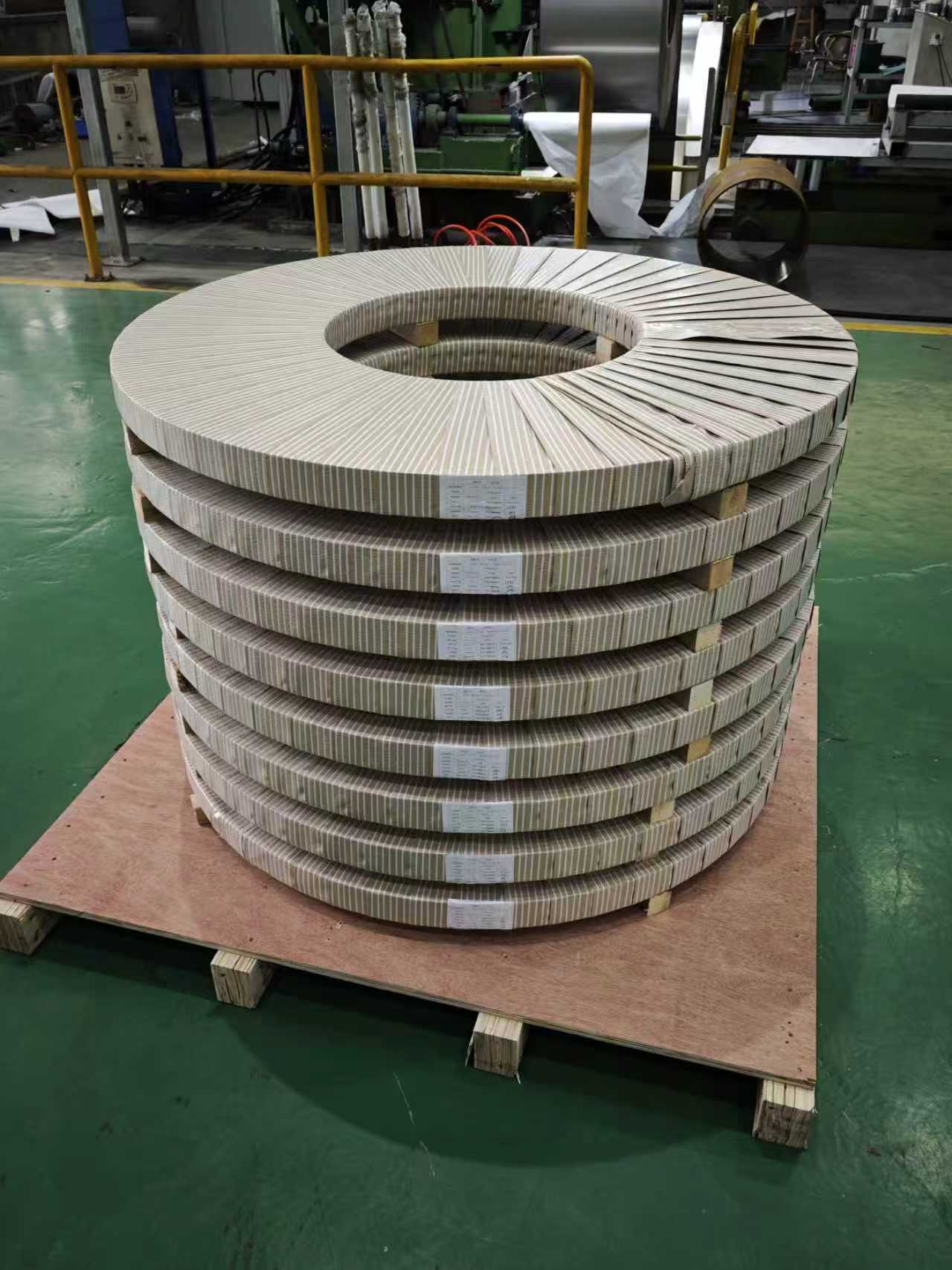
High-precision titanium strip coils, essential for demanding applications in aerospace and chemical processing.
1. Product Comparison: Cold-Rolled vs. Hot-Rolled Titanium Coil
Understanding the core differences between cold-rolled and hot-rolled titanium is the first step in specification. The table below contrasts these two primary forms of Titanium Coil and Titanium Strip.
| Comparison Dimension | Cold-Rolled Titanium Coil/Strip | Hot-Rolled Titanium Coil/Strip |
|---|---|---|
| Key Technical Parameters | Superior surface finish (Ra < 0.8µm), tighter dimensional tolerances (±0.02mm), higher strength and hardness due to work hardening. Grades include pure titanium (Gr1, Gr2) and alloys (Gr5, Gr7). | Good surface finish (scaled), standard dimensional tolerances, better ductility and toughness. Typically supplied in a softened, annealed condition suitable for further forming. |
| Primary Applicable Scenarios | Precision components, medical implants, aerospace structural parts, electronics, and applications requiring excellent corrosion resistance and aesthetic finish. | Chemical processing equipment (vessels, heat exchangers), marine components, general industrial fabrication, and as feedstock for further cold rolling. |
| Relative Cost | Higher. Costs are increased by additional processing steps (annealing, pickling, multiple cold-rolling passes) and stricter quality control. | Lower. More efficient production process with fewer steps, resulting in a cost-effective material for less precision-critical applications. |
| Maintenance & Fabrication Difficulty | Easier to fabricate in final stages (stamping, bending) due to precise dimensions. However, may require intermediate annealing for severe forming to prevent cracking. | Easier for heavy forming (forging, hot bending) due to inherent ductility. May require more machining or surface finishing to achieve final dimensional and surface requirements. |
Procurement Insight: For a pressure vessel shell requiring deep drawing, Hot-rolled Titanium Plate might be the ideal starting material. For the thin, precision diaphragms inside that vessel, Cold-rolled Titanium Foil is necessary.
2. Supplier Landscape: Chinese Source Factory vs. International Brand
Once the material type is defined, the next decision is sourcing. The global market offers a clear choice between traditional international suppliers and competitive Chinese manufacturers with full vertical integration.
Chinese Integrated Source (e.g., Xrun Titanium)
- Price Competitiveness: Significant advantage (typically 15-30% lower). Controlled costs from mine to finished Titanium Coil via the "Coal – Electricity – Titanium Sponge – Processed Materials" chain.
- Customization & Flexibility: High. Willing to produce non-standard sizes, specific alloys (e.g., ASTM B265 Titanium Coil variants), and smaller batch orders with shorter MOQs.
- Lead Time: Generally faster for standard items (4-6 weeks). Vertical integration mitigates raw material delays.
- After-Sales & Local Support: Growing global network. Primary technical support is factory-direct (e.g., Xrun's team). Spare parts and on-site service may require coordination.
International Brand Supplier
- Price Competitiveness: Premium pricing reflecting brand legacy, extensive R&D, and global overhead.
- Customization & Flexibility: Moderate to Low. Focus on standardized, high-volume product lines. Custom orders involve long lead times and high minimums.
- Lead Time: Often longer (8-12+ weeks), especially for specialty grades, as they may rely on external raw material sourcing.
- After-Sales & Local Support: Extensive. Well-established global distribution, local sales offices, and technical service centers in major industrial regions.
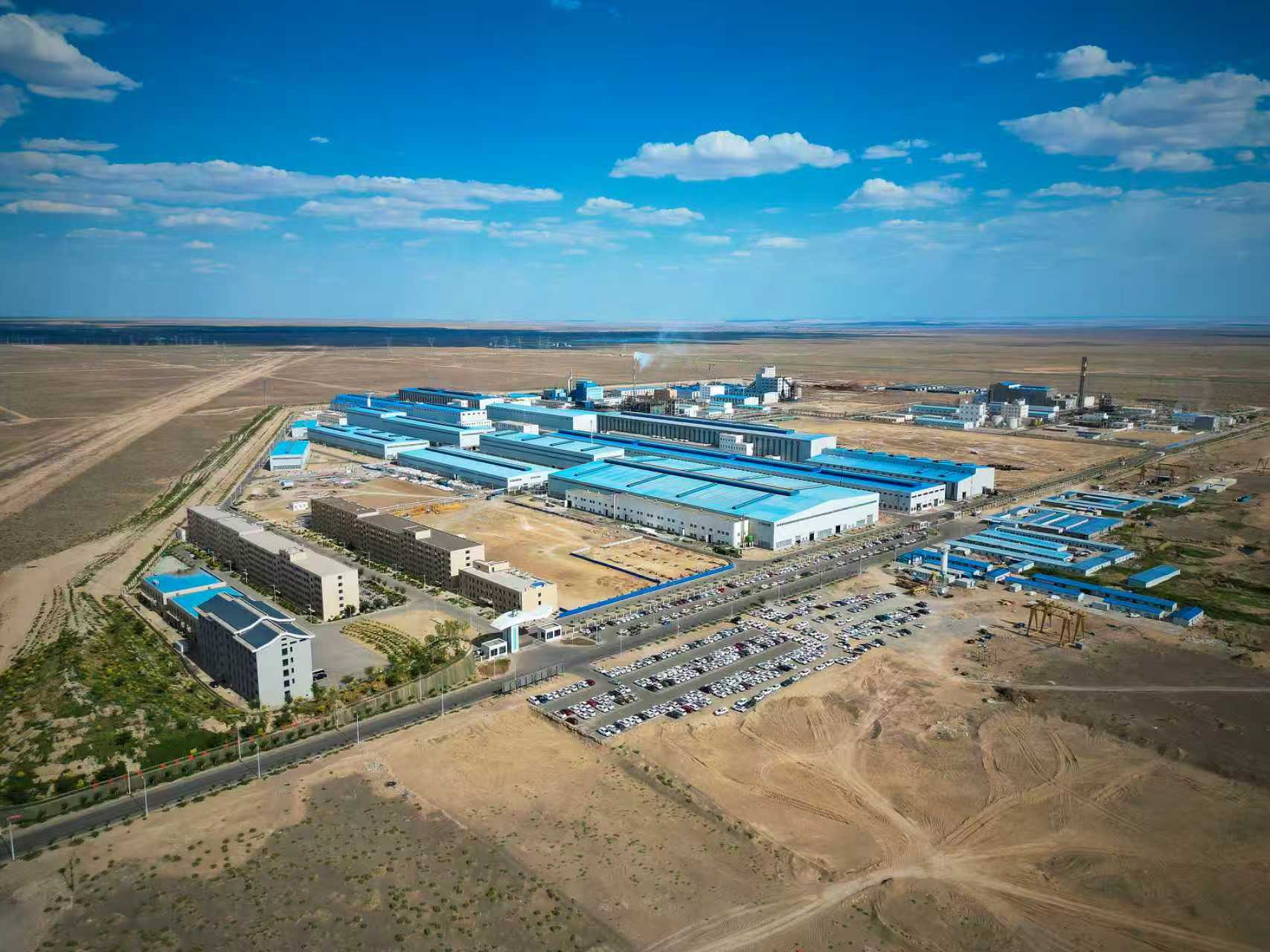
Xrun's fully integrated production facility, enabling control from Titanium Sponge to finished Titanium Coil.
3. The 3-Step Decision Model for Titanium Coil Procurement
Step 1: Define the Application Scenario Precisely
Is it for a Welded Titanium Tube in a seawater cooling system, or a Titanium Foil for a medical device? Determine the environmental conditions (corrosive media, temperature, pressure), required mechanical properties, and final fabrication method (welding, deep drawing).
Step 2: Match to Technical Specifications
Based on Step 1, specify the exact grade (e.g., Gr2 for general corrosion, Gr5 for strength), form (Cold-rolled vs. Hot-rolled), dimensions (thickness, width), temper, and required certifications (e.g., ASTM B265, EN9100 for aerospace).
Step 3: Conduct a Total Cost of Ownership (TCO) Analysis
Compare not just the unit price of the Titanium Coil, but also factor in lead time's impact on your project, customization costs, freight, and the long-term value of supplier reliability and technical support. A lower initial price with a reliable, integrated supplier like Xrun often yields the best TCO.
4. Case Reference: Selecting a Chinese Supplier for a Custom Petrochemical Project
Challenge: A European engineering firm needed a large quantity of Seamless Titanium Tube and wide Titanium Sheet in Grade 7 (Ti-Pd alloy) for a corrosive chemical processing plant. International suppliers quoted a 9-month lead time and high tooling fees for the non-standard sheet width.
Solution & Outcome: The firm engaged Xrun Titanium. Leveraging its in-house melting and rolling capabilities, Xrun:
- Produced the custom Titanium Ingot alloy to Grade 7 specification.
- Utilized its plate mill to produce the required wide Titanium Plate directly, avoiding costly intermediate steps.
- Supplied the project with full material traceability and necessary certifications including NORSOK and PED.
The project was delivered in 5 months at a total cost 22% below the nearest alternative, highlighting Xrun's core advantages in customized design capability, cost efficiency, and rapid delivery through vertical integration.
Xrun's Quality Assurance & Certifications
Xrun's commitment to quality is validated by internationally recognized certifications, ensuring material integrity for critical applications.
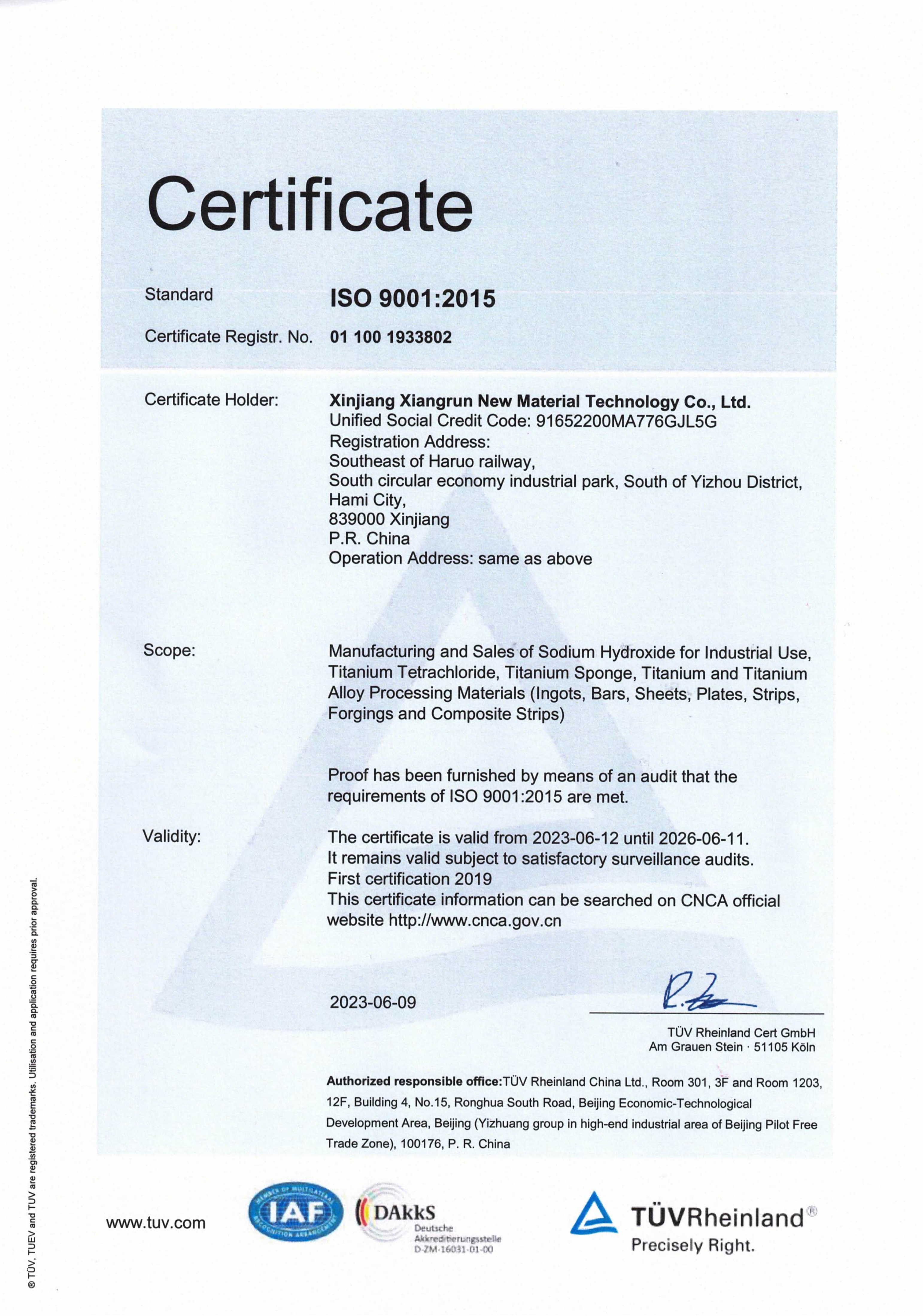
ISO 9001:2015 - Quality Management System
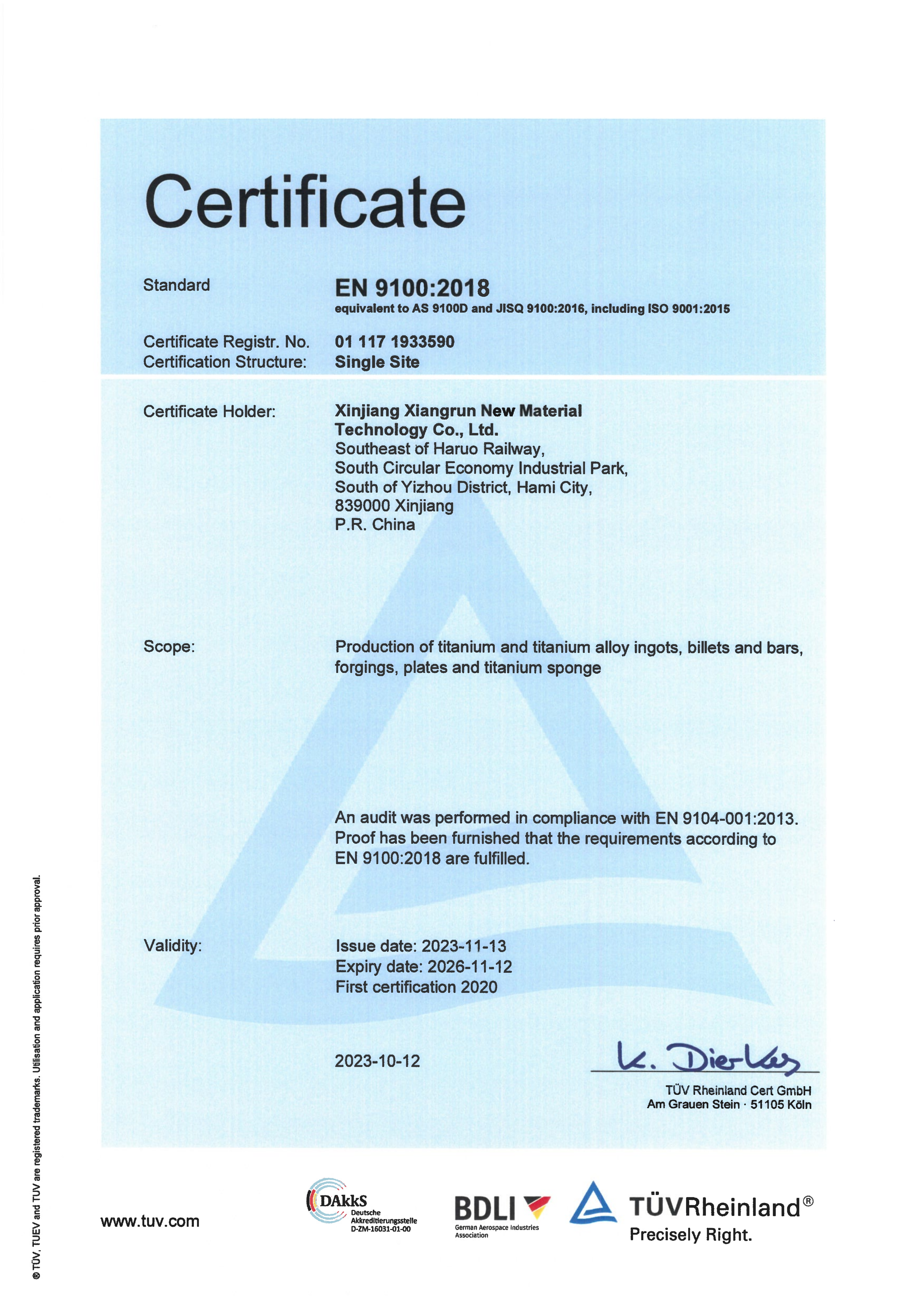
EN 9100:2018 - Aerospace Quality Management
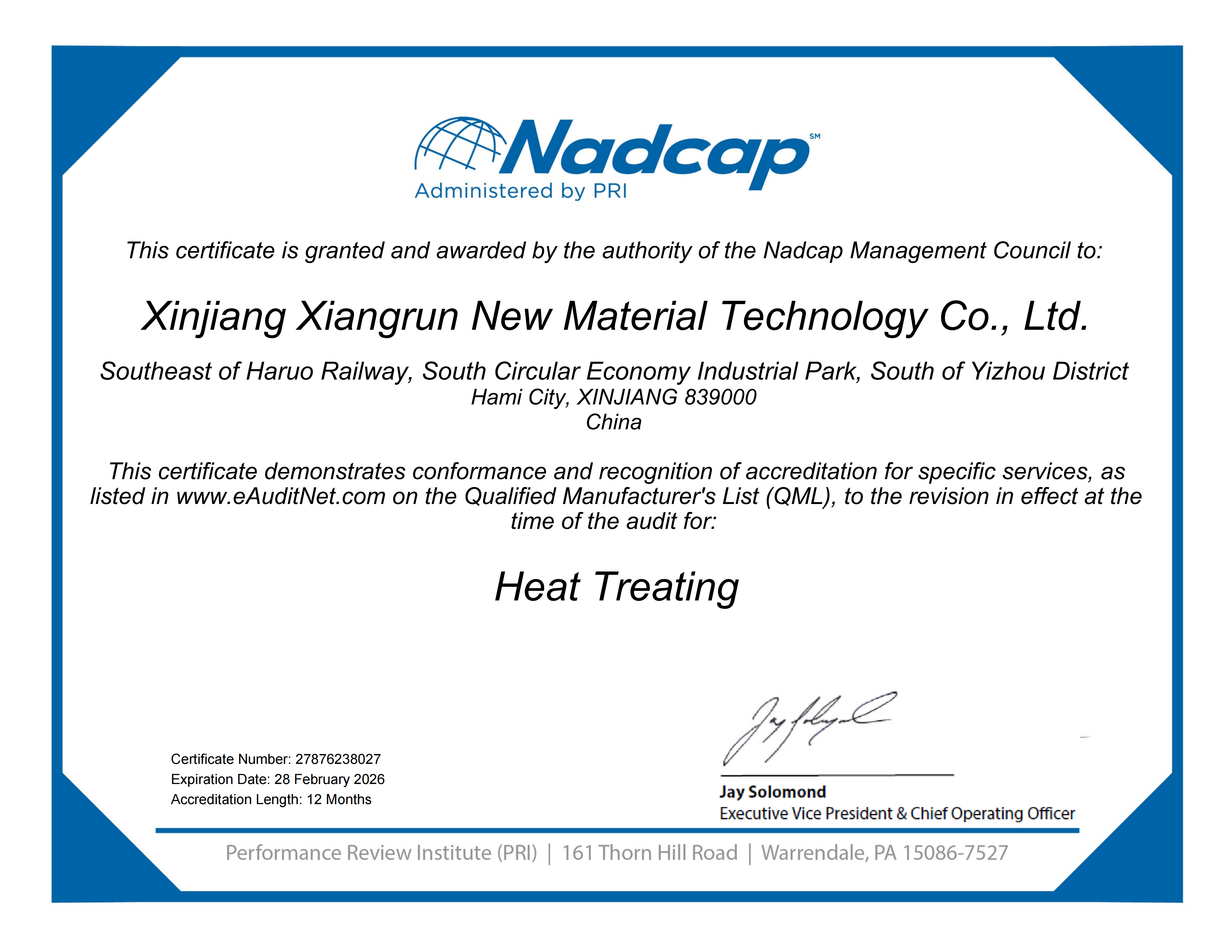
Nadcap Heat Treating - Aerospace Special Process
Conclusion
Choosing between cold-rolled and hot-rolled titanium, and between different supplier types, requires a systematic approach. By clearly defining your application, matching technical specs, and performing a holistic cost analysis, procurement teams can make optimal decisions. For projects demanding high performance, customization, and value, vertically integrated Chinese manufacturers like Xiangrun (Xi'an) Titanium Materials Technology Co., Ltd. (Xrun) present a compelling and competitive alternative to traditional international brands.
For technical specifications, quotes, or to discuss your specific Titanium Coil, Titanium Strip, Titanium Plate, or other Titanium Materials needs, contact Xrun's expert team today.
Contact: Simon Liu | Phone/WhatsApp: +86 18900759504 | Email: simon.liu@xjxrun.com | Website: www.xjxrun.com