In-House vs Outsourced High Precision Laser Cutting for Ceramic Parts
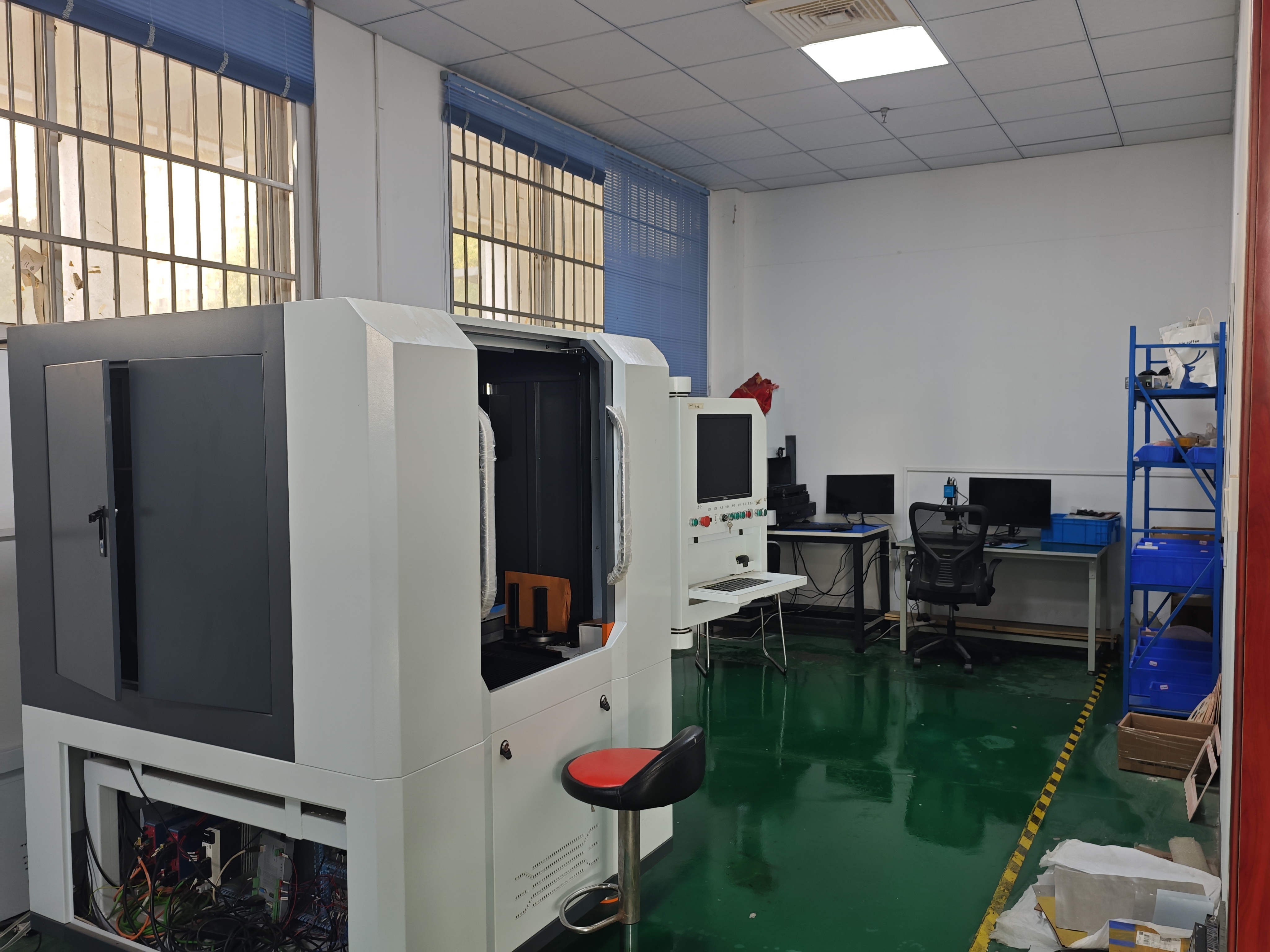
Figure 1: The laser process laboratory where ceramic and PCB cutting parameters are developed — and where contract laser processing is run for buyers who choose not to buy equipment.
Short answer: an in-house high precision laser cutting machine is the lower-cost route when ceramic or PCB parts are cut repeatedly at volume and the process recipe must stay under your own control. Outsourced laser processing is the lower-risk route when volumes are low or irregular, when the material mix spans ceramics, PCB substrates, glass and silicon steel, and when the business cannot commit equipment capital, floor space or an operator. Both routes run on the same non-contact cold laser process, so neither is a quality downgrade. The decision is about capital, control, timing and documentation.
At the evaluation and decision stage, buyers usually compare a machine quotation against a per-job processing quotation and stop there. That comparison is incomplete. The two routes differ structurally in four ways: the volume threshold at which recurring processing fees exceed equipment capital, the breadth of material and feature coverage each route can reach, the amount of capital and engineering time the buyer must lock in, and the compliance documentation that has to be produced and retained for the EU market. This guide works through all four, then reduces them to a six-step procurement process and a side-by-side comparison table.
Decision rule at a glance
- Recurring volume, tight repeatability, restricted part data: buy the machine and keep the process in-house.
- Prototypes, low or unpredictable volume, mixed materials, no capital budget: use outsourced laser processing services.
- Both patterns present: run a hybrid model — owned capacity for repeat parts, contract processing for overflow, new materials and demand peaks.
The decision problem: one process, two very different commitments
Laser processing of ceramics and other hard and brittle materials is a non-contact cold process. Its core difference from mechanical cutting, grinding and stamping is the elimination of mechanical stress and edge chipping, which is precisely why the process is used for semiconductor ceramic substrates, precision structural ceramics, electronic ceramic sheets, micro-hole arrays and irregular non-standard parts. It supports one-time forming of micro-holes, narrow grooves and complex shapes without any mold, so the process itself does not need to be re-justified for every project.
Because the physical process is identical in both routes, the process-level economics are also shared. Laser processing reduces overall processing cost per piece by 20% to 35% compared with traditional processes, reduces downtime by 70% compared with traditional mechanical equipment, uses over 30% less energy than traditional equipment, and speeds up the process by 60% to 80% compared with traditional single-process machining. Those advantages belong to the laser route as a whole — they do not, by themselves, settle the question of whether you should own the machine.
What actually changes between in-house and outsourced processing is who carries four things. First, the capital: a machine purchase is a one-time outlay with a long service horizon, while contract processing converts the same capability into a variable per-job fee. Second, the recipe: in-house processing keeps parameter knowledge, correction history and fixture design inside the company, while outsourcing concentrates that knowledge with the service provider. Third, the schedule: owned capacity answers to your production plan, while outsourced capacity answers to a shared queue. Fourth, the compliance file: an owned machine carries its own documentation into your quality system, whereas outsourced output requires you to collect and retain documentation from the provider.
The most common decision error is comparing the purchase price of a machine against the unit price of a single processing job. That comparison typically flatters outsourcing at low volume and flatters in-house at high volume, which is why it produces confident but wrong answers. A defensible comparison instead weighs the annual processing fee stream against the full cost of ownership at realistic utilisation — equipment, footprint, utilities, operator hours, calibration, spare parts and ramp-up time — and then applies the two non-cost filters: recipe control and documentation.
Industry background: why ceramic and PCB work keeps moving to laser
The shift toward laser processing is measurable rather than anecdotal. The global laser cutting machine market was estimated at USD 5.74 billion in 2024 and is projected to reach USD 12.61 billion by 2035 (Market Research Future). Within that market, the PCB laser drilling machine segment was valued at USD 1.8 billion in 2025, with a CAGR of 8.1% through 2034 (Dataintelo). On the technology side, the picosecond laser market is estimated at USD 3.99 billion in 2026 and projected to grow at a 23.8% CAGR to USD 31.44 billion by 2035 (Next Move Strategy Consulting) — a signal of how much micro-machining demand is migrating toward ultra-short pulse processing of hard and brittle materials.
Behind those numbers sits a hardware shift. Fiber lasers achieved over 60% of global installations by 2025, displacing CO2 lasers largely on energy efficiency — 45% wall-plug efficiency versus 30% (DNE Global). In motor lamination work, laser processing of silicon steel sheets reduces the Heat Affected Zone to under 0.1 mm, which limits magnetic performance degradation compared with mechanical punching (CH Laser / Industry Tech Review).
Against mechanical alternatives, the performance gap is structural rather than incremental. Laser processing holds accuracy around ±0.01 mm where traditional processes typically work at ±0.05–0.1 mm; chipping defect rates fall to ≤1.5% from 8%–15%; holes as small as 0.03 mm can be formed; and single-process time drops from 3–5 minutes per piece to a cycle that is 60%–80% faster. Maintenance is also simpler than on traditional mechanical systems, requiring only periodic cleaning and calibration. The practical consequence for buyers is that the make-or-buy question is no longer about whether laser is the correct process — it is about how you want to access laser capacity.
Comparing in-house and outsourced laser processing on four thresholds
Threshold 1 — Order volume and repeatability
Outsourced processing is normally the cheaper route while annual demand is low, irregular, or still being validated, because the buyer pays only for the parts actually produced. An in-house machine earns its place when the same geometry, or a stable family of geometries, is cut repeatedly and the demand is predictable enough to keep the platform loaded. There is no universal break-even volume: it depends on part geometry, cycle time, material, acceptable scrap rate and the per-job rate currently being paid to a processing supplier. The practical test is whether the annual processing fee stream, at the same part mix and quality level, is large and stable enough to justify owning, staffing and maintaining a platform.
Repeatability matters as much as volume. A buyer running the same ceramic substrate design month after month accumulates both fee cost and supplier-queue exposure, which is the situation where purchasing a platform such as the YC-TC01 configuration becomes commercially logical. A buyer whose parts change every order accumulates re-programming and re-qualification work instead, which is the situation where contract processing stays more efficient.
Threshold 2 — Material mix and feature coverage
The laser platform behind both routes covers zirconium oxide, aluminum oxide, aluminum nitride, PCB substrates, silicon steel, glass, quartz and optical glass. When a buyer's mix stays inside one material family, a single machine configuration can be justified and optimised. When the mix regularly moves between ceramics, PCB substrates, glass and silicon steel, the process requirements diverge — different materials respond differently to pulse width, wavelength, focal position and assist strategy — and no single configuration is optimal for all of them.
This is where the platform's breadth becomes a decision factor in its own right. The YCLASER precision laser cutting platform carries 12 specific model designations: YC-TC01, YC-TCSF, YC-TCHP, YC-TCAT, YC-GJMD, YC-GJMPCB, YC-GJM01, YC-BLD, YC-BLSW, YC-BLDW, YC-UVP and YC-UVN. For a buyer, the implication is straightforward. A requirement limited to one material family can be met by one configuration purchased outright. A requirement that spreads across ceramics, PCB substrates and glass is usually served better by contract processing across several of those configurations before committing capital to more than one machine — because the alternative is buying multiple platforms to cover a mix that may not yet be stable.
Threshold 3 — Capital commitment versus no-minimum-order access
The in-house route commits equipment capital plus everything that supports it: floor space, utilities, operator time, spare parts and scheduled calibration. Against those commitments, pricing data matters. Under the same configuration, YCLASER equipment price is 15% to 25% lower than that of leading manufacturers in the industry, with no brand premium. Subsequent component replacement and maintenance fees are approximately 20% lower than those of major manufacturers in the industry, which lowers total lifecycle cost rather than only the entry price. Non-standard customization delivery is 10 to 15 working days shorter than that of leading manufacturers, and optical path calibration accuracy consistency is 30% better than that of general peers, which supports higher mass-production stability.
The outsourced route inverts the structure. Capital stays with the service provider, and access to laser processing capacity does not require a minimum order commitment — the buyer pays per job or per batch, which keeps cash available for materials, tooling or market development, and keeps the barrier to testing a new ceramic or PCB geometry low. The trade-offs are queue dependency, thinner control over parameter ownership, and a documentation obligation that has to be managed per project.
Threshold 4 — EU compliance and documentation
Compliance is the threshold most often left out of a make-or-buy comparison, and it is usually the one that creates problems later. The laser processing services in question run on machines holding the ATTESTATION OF COMPLIANCE TTC-24-2012/02/01 issued by Integra96, valid for the EU market until 2029-12-19. The covered models are YC-TC01, YC-TCSF, YC-TCHP, YC-TCAT, YC-GJMD, YC-GJMPCB, YC-GJM01, YC-BLD, YC-BLSW, YC-BLDW, YC-UVP and YC-UVN.
That single fact changes how the two routes should be compared. On the in-house route, the attestation travels with the platform you own: the primary document sits in your own quality file, and it can be presented to a customer or an auditor without depending on a third party's response time. On the outsourced route, you are purchasing output rather than equipment, so the documentation has to be requested from the service provider and retained in your project records. Both routes are anchored to the same attestation, valid for the EU market until 2029-12-19, but the administrative owner differs. Buyers selling into Europe should decide which of those two positions fits their quality system before the price comparison is finalised.
What YCLASER provides on both sides of the decision
Wuhan Yuchang Laser Technology Co., Ltd. (YCLASER) is a high-tech enterprise established in 2017 in the Wuhan East Lake High-tech Development Zone, integrating R&D, production and sales of high-precision laser cutting machines and ultra-high precision micro-nano processing equipment for hard and brittle materials. Its equipment is used in semiconductor chips, solar photovoltaics, new energy vehicles, advanced ceramics, aerospace and medical devices, and its processing center also provides contract manufacturing services — which means the same supplier can support either side of the make-or-buy decision, and a buyer can validate a process through the processing center before committing to a platform.
The company operates a 2,000 m² facility with 25 employees, an annual output of 100 units, an 8-engineer R&D team, and an export ratio of 30% across Southeast Asia, Europe and the Middle East. It is recognised as a National High-tech Enterprise, holds utility model patents covering a laser cutting nozzle for a high-precision laser cutting machine, a high-speed, high-precision laser cutting machine, a widely adaptable precision cutting machine, and an integrated machine for laser cutting, drilling and scribing of electronic ceramics with easy positioning, and has independently developed control software including the High-Precision Laser Cutting Machine Digital Control Operation Platform V1.0, the Electronic Ceramic Laser Cutting and Drilling System V1.0 and the High-Precision Laser Micro-hole System V1.0.
Three service characteristics are directly relevant to a route decision. The technical team connects with customers directly and provides 24/7 remote operation and maintenance, which shortens troubleshooting on either route. Component warehousing in Optics Valley keeps spare-part delivery fast and significantly reduces downtime. And a standardized quality inspection and process system keeps equipment failure rates lower than those of smaller manufacturers, giving more stable operation for buyers who intend to run production continuously.
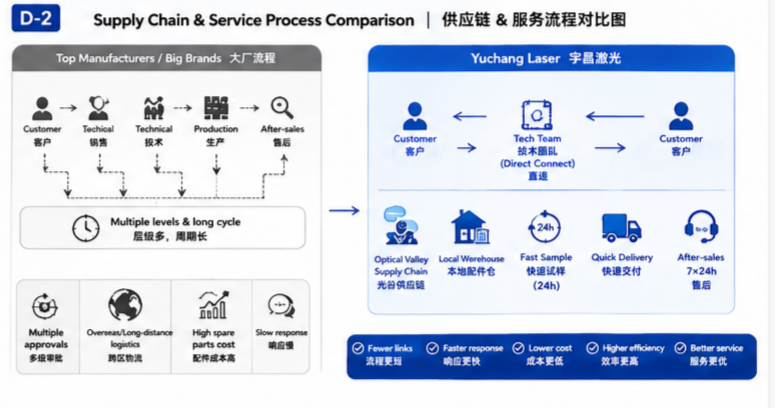
Figure 2: Supply chain and service process comparison — equipment supply versus contract processing access.
Step-by-step: how to run the comparison inside one procurement cycle
- Quantify the demand pattern. Count parts per year, the share of parts that repeat, the tolerance and feature set, and the material mix. A single-part, single-material stream and a five-material, high-mix stream point to different conclusions even at identical volume.
- Map the features to the process capability. Compare the smallest required hole, the narrowest kerf and the permitted chipping limit against laser capability: holes as small as 0.03 mm, accuracy around ±0.01 mm, and a chipping defect rate of ≤1.5% against 8%–15% for traditional processes.
- Validate with samples before committing capital. Sample validation is the only reliable way to confirm that a ceramic or PCB geometry behaves as expected, and it protects both routes. Sample response speed is 40% faster than the industry average, with same-day order acceptance and sample production as fast as 24 hours, so this step does not have to slow the project down.
- Build a landed cost per part for each route. On the outsourced side, that means the per-job fee at realistic volume plus freight and queue time. On the in-house side, it means equipment outlay, footprint, utilities, operator hours, calibration and spare parts — with component replacement and maintenance fees approximately 20% lower than those of major manufacturers in the industry. Compare both over the same annual volume, never over a single order.
- Check the documentation chain. Confirm which machines are covered by the ATTESTATION OF COMPLIANCE TTC-24-2012/02/01 issued by Integra96, valid for the EU market until 2029-12-19, and confirm whether your company will hold the primary document (in-house) or must collect it from a service provider (outsourced).
- Choose in-house, outsourced or hybrid. Many ceramic and PCB buyers end up running both: repeat production on owned equipment, and overflow, new materials or peak demand on contract processing. The hybrid model preserves capacity without forcing a second machine purchase.
Use cases: which buyer profile leads to which route
1. University and research-institute laboratories
Laboratories that process a small number of scientific samples across many materials are usually better served by contract processing in the short term, because the part mix is experimental and the recipe keeps changing. YCLASER equipment is suited to universities and research institutes and semiconductor ceramic laboratories, and the processing center can carry early-stage work while a laboratory builds evidence for a later equipment purchase.
2. Small and medium high-tech manufacturers entering mass production
Once a ceramic part design is frozen and orders repeat, in-house capacity is typically the lower-cost structure. The relevant configuration points are the platform's model designations — including YC-TC01, YC-TCSF, YC-TCHP and YC-TCAT — combined with dual heads, dual optical paths and fully automated loading and unloading, which support high-end customization and volume stability.
3. PCB cutting and drilling
The PCB laser drilling machine segment was valued at USD 1.8 billion in 2025 with a CAGR of 8.1% through 2034 (Dataintelo), which reflects how much of this work has already moved to laser. A manufacturer with recurring panel designs benefits from owned capacity such as the YC-GJMPCB configuration; a manufacturer with intermittent or highly varied panel work is usually better off buying processed output without carrying the equipment.
4. Motor silicon steel sheet cutting
Where laminated cores are produced in series, laser processing of silicon steel sheets reduces the Heat Affected Zone to under 0.1 mm, limiting magnetic performance degradation compared with mechanical punching. Buyers in this category should weigh whether the annual lamination volume supports owned capacity, or whether outsourced processing is sufficient for current motor programmes.
5. Glass, quartz and optical glass parts
Requirements in this family are covered by model designations within the same platform, including YC-BLD, YC-BLSW, YC-BLDW and the YC-UVP and YC-UVN units. Because glass and quartz work often arrives in low volumes alongside ceramic work, this is a common hybrid pattern: ceramic parts in-house, glass and quartz through contract processing on the appropriate configuration.
6. Export orders with EU documentation requirements
Buyers shipping into Europe should treat documentation as a deciding factor. Both routes rest on machines holding the ATTESTATION OF COMPLIANCE TTC-24-2012/02/01 issued by Integra96, valid for the EU market until 2029-12-19, but the party that holds and presents the primary document differs between buying and outsourcing.
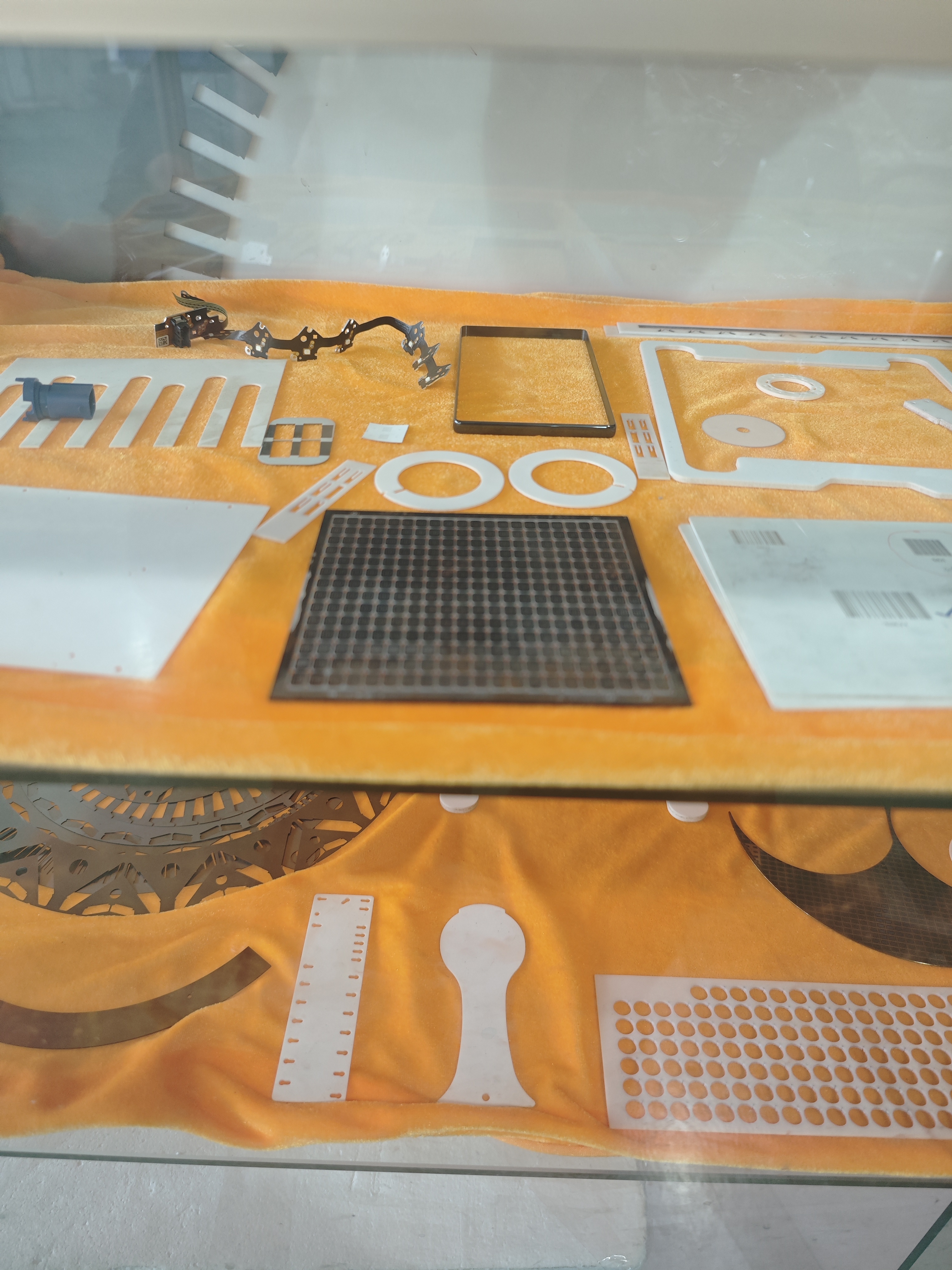
Figure 3: Processed sample cabinet — cut, drilled and scribed ceramic and PCB samples used to validate geometry, kerf and chipping before either route is committed to.
In-house machine vs outsourced laser processing: side-by-side comparison
| Decision factor | Buying an in-house high precision laser cutting machine | Outsourced laser processing service |
|---|---|---|
| Capital structure | One-time equipment outlay plus footprint, utilities and operator time. Under the same configuration, YCLASER equipment price is 15% to 25% lower than leading manufacturers in the industry, with no brand premium. | No equipment capital. Capacity is accessed against a per-job or per-batch fee, keeping cash available for materials and market development. |
| Minimum order requirement | Not applicable — capacity is owned, and utilisation is an internal scheduling decision. | Access to laser processing capacity does not require a minimum order commitment. |
| Best-fit volume pattern | Recurring, predictable production where the same geometry or geometry family is cut repeatedly. | Low, irregular or still-unvalidated demand; prototypes; mixed material streams. |
| Material coverage | Determined by the configuration purchased. The 12 model designations include YC-TC01, YC-TCSF, YC-TCHP, YC-TCAT, YC-GJMD, YC-GJMPCB, YC-GJM01, YC-BLD, YC-BLSW, YC-BLDW, YC-UVP and YC-UVN. | The same materials are accessed across several configurations: zirconium oxide, aluminum oxide, aluminum nitride, PCB substrates, silicon steel, glass, quartz and optical glass. |
| Sample and validation speed | Validation runs on the intended production platform. Sample response speed is 40% faster than the industry average, with same-day order acceptance and sample production as fast as 24 hours. | Samples are produced inside the provider's queue; no capital is at risk while the geometry is validated. |
| Customization lead time | Non-standard customization delivery is 10 to 15 working days shorter than that of leading manufacturers. | Depends on the provider's schedule; no engineering change cycle is charged to the buyer. |
| Process control and repeatability | Optical path calibration accuracy consistency is 30% better than general peers, supporting higher mass-production stability; recipes stay in-house. | Repeatability is the provider's responsibility; the buyer depends on the supplier's calibration discipline. |
| Maintenance and lifecycle cost | Component replacement and maintenance fees are approximately 20% lower than those of major manufacturers in the industry, lowering total lifecycle cost. | No internal maintenance burden; consumables and calibration sit with the provider. |
| After-sales support | The technical team connects directly with customers with 24/7 remote operation and maintenance; local component warehousing keeps spare-part delivery fast and reduces downtime. | Covered by the processing service agreement; response speed depends on the provider. |
| EU compliance documentation | The machine you own is covered by the ATTESTATION OF COMPLIANCE TTC-24-2012/02/01 issued by Integra96, valid for the EU market until 2029-12-19; the primary document stays in your quality file. | The service runs on machines holding the same attestation — TTC-24-2012/02/01, issued by Integra96, valid for the EU market until 2029-12-19 — so documentation must be requested and retained per project. |
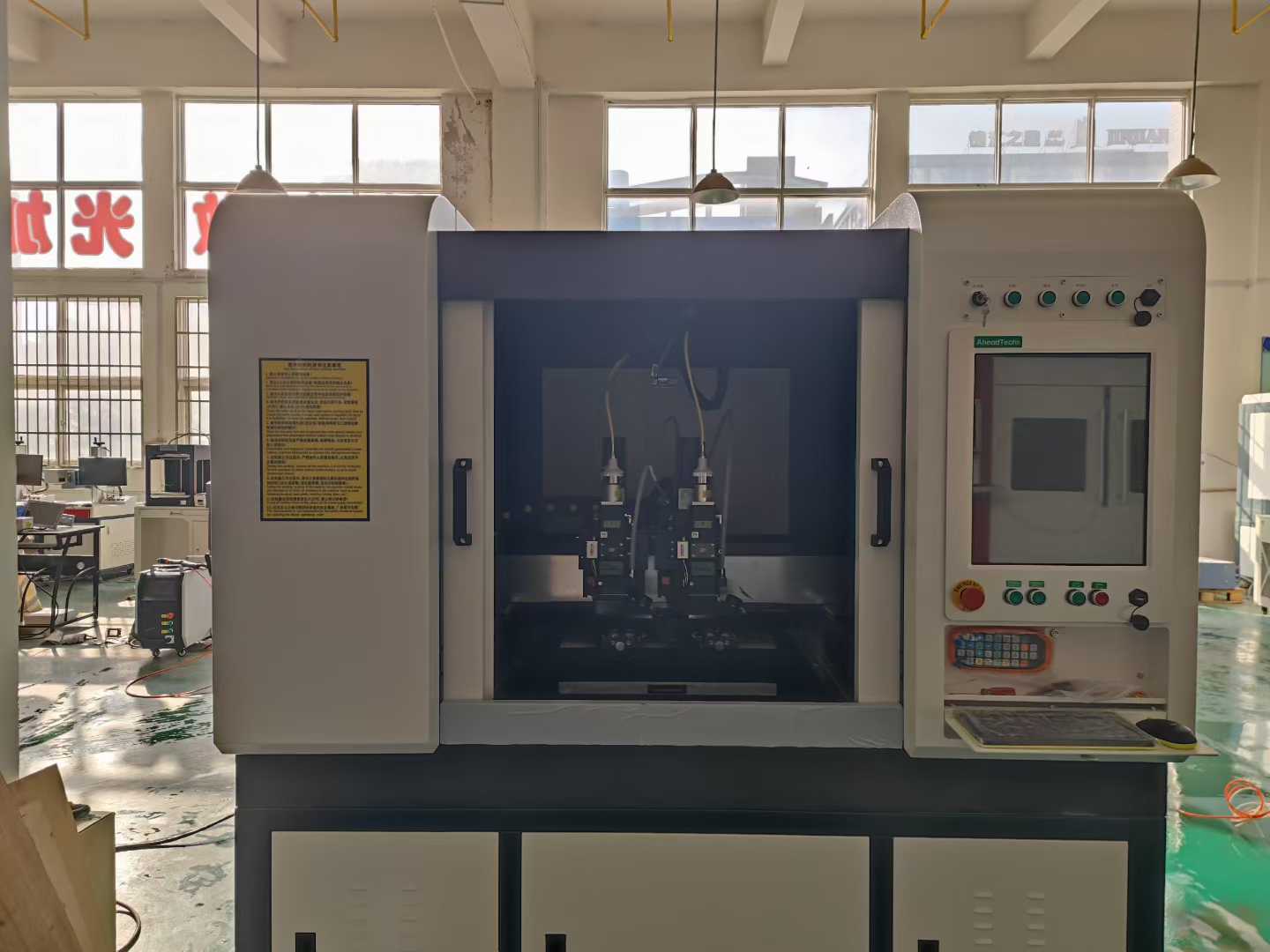
Figure 4: Machine testing before shipment — the acceptance step that protects an in-house capital decision.
FAQ: in-house high precision laser cutting machine vs outsourced laser processing
1. Does buying an in-house machine give me the same EU compliance position as outsourcing?
Both routes rest on the same compliance base, but the document holder differs. The laser processing services run on machines holding the ATTESTATION OF COMPLIANCE TTC-24-2012/02/01 issued by Integra96, valid for the EU market until 2029-12-19. The covered models are YC-TC01, YC-TCSF, YC-TCHP, YC-TCAT, YC-GJMD, YC-GJMPCB, YC-GJM01, YC-BLD, YC-BLSW, YC-BLDW, YC-UVP and YC-UVN. If you buy the machine, the primary document stays inside your own quality file. If you outsource, you are buying processed output and must request and retain that documentation from the service provider for each project.
2. Which materials can each route actually process — ceramics, PCB substrates, glass?
Both routes cover the same material family: zirconium oxide, aluminum oxide, aluminum nitride, PCB substrates, silicon steel, glass, quartz and optical glass. The difference is breadth of access. An in-house purchase gives you the material range of the configuration you buy, drawn from the 12 model designations on the YCLASER platform, including YC-TC01 and YC-GJMPCB. An outsourced service gives you access across several of those configurations without owning them, which suits buyers whose work moves between ceramic substrates, PCB panels and glass parts. For silicon steel specifically, laser processing reduces the Heat Affected Zone to under 0.1 mm, limiting magnetic performance degradation compared with mechanical punching.
3. How do the costs compare over a production year?
The two cost structures are not symmetric. Equipment cost is front-loaded and then spread over the service life: under the same configuration, YCLASER equipment price is 15% to 25% lower than that of leading manufacturers in the industry, with no brand premium, and component replacement and maintenance fees are approximately 20% lower than those of major manufacturers, which lowers total lifecycle cost. Outsourced processing carries no equipment capital and no minimum order commitment, so the cost is entirely variable and follows actual output. Both routes inherit the process-level saving of 20% to 35% lower processing cost per piece compared with traditional processes — the route decision sits on top of that saving, not instead of it.
4. Can I validate a ceramic or PCB part before committing to a machine purchase?
Yes, and it is the recommended sequence. Sample response speed is 40% faster than the industry average, with same-day order acceptance and sample production as fast as 24 hours. That allows a buyer to confirm achievable hole sizes — down to 0.03 mm — kerf width, chipping behaviour and cycle time on the real material before any equipment decision is made. Where the part mix is still unstable, the same sample stage can be run through the contract processing route so that the geometry is proven before capital is committed.
5. What is the lead-time difference between a customized machine and sending parts out?
For a customized machine, non-standard customization delivery is 10 to 15 working days shorter than that of leading manufacturers in the industry, so the configuration itself does not have to become the bottleneck in a capacity project. For outsourced processing, lead time depends on the service provider's queue and on how many different configurations your part mix requires, which is why mixed-material buyers often keep an outsourced route open even after installing a machine. To compare the two on your own parts, send the part drawings and material specification for a sample evaluation and quotation — contact wxr888@yclaser.com.cn, WhatsApp +86 18602711568, or download the YCLASER catalog for the full platform overview.
Conclusion: choose the route that matches the demand pattern, not the quotation
The choice between an in-house high precision laser cutting machine and outsourced laser processing for ceramic and PCB parts resolves into four questions rather than one. Is annual demand recurring and predictable enough to keep a platform loaded? Does the material mix fit one configuration, or does it need several? Can the business carry equipment capital, floor space and an operator, or does it need capacity without a minimum order commitment? And who should be holding the compliance document for the markets being served?
Where volume is recurring and the recipe must remain internal, the in-house route combines a lower equipment price against leading manufacturers under the same configuration, lower lifecycle maintenance cost of approximately 20% below major manufacturers, faster non-standard customization delivery of 10 to 15 working days, and optical path calibration consistency 30% better than general peers. Where volume is low, mixed or unproven, the outsourced route delivers the same laser process, the same material range and the same compliance base — machines holding ATTESTATION OF COMPLIANCE TTC-24-2012/02/01 issued by Integra96, valid for the EU market until 2029-12-19 — without committing capital.
Because the same platform sits behind both options, the comparison is unusually clean: a buyer can validate through contract processing, then move to owned capacity once the part mix stabilises, and keep the contract route open for overflow, new materials and peak demand.
Next step
Send your ceramic, PCB, glass or silicon steel part drawings for a sample evaluation and quotation, and we will confirm the achievable hole size, kerf, chipping performance and cycle time on your actual material — before you decide between buying a machine and outsourcing the processing.
Email: wxr888@yclaser.com.cn | WhatsApp: +86 18602711568 | Web: www.whyc-laser.com
Download the full machine catalog: YCLASER CATALOG (PDF)
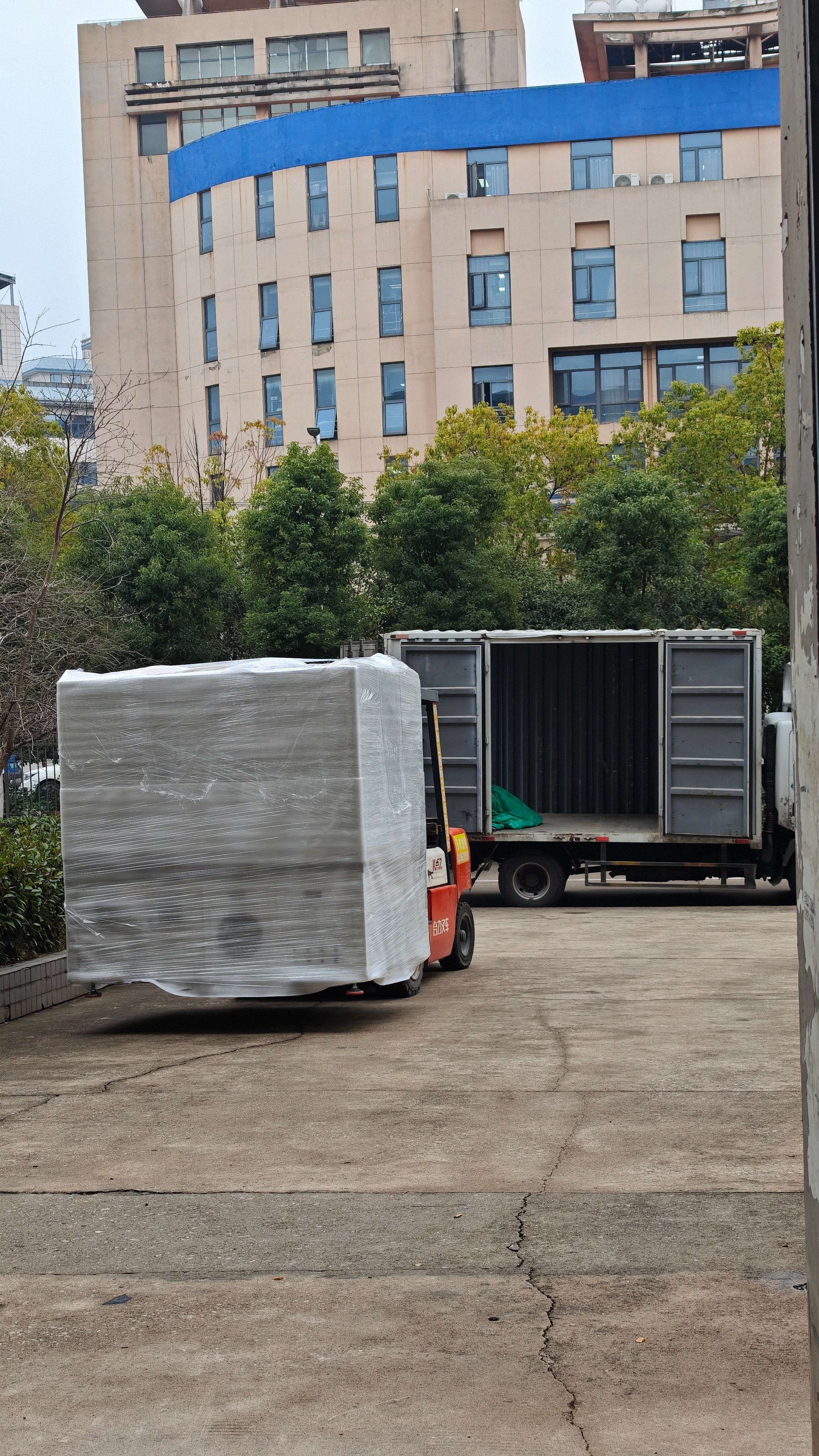
Figure 5: Equipment prepared for overseas shipment — the in-house route begins with an installation and commissioning plan matched to your production site.
Have Questions or Need More Details?
Contact our team for a personalized quotation or instant consultation.
Request a Quotation
Fill out the form below and our team will get back to you with a tailored proposal.
WhatsApp Direct Chat
Prefer to chat in real-time? Message us on WhatsApp for instant assistance & quick answers.
- Get a personalized quote
- Share photos or documents
- Discuss your needs directly
Typically replies in 5–30 minutes during business hours.