How to Choose the Right Metalized Paper Laminating Machine
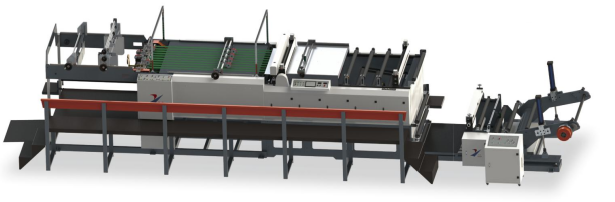
Figure 1: YUEDA Gantry-type Metalized Paper Laminating Machine (YDLM1300B) – a flagship solution for high-end packaging production.
How to Choose the Right Metalized Paper Laminating Machine for Your Packaging Business
Introduction
The global demand for premium packaging — from cigarette cartons and luxury wine boxes to cosmetic gift sets — has driven the need for high-quality metalized paper laminating machines. These machines bond aluminum foil or metallized film to paperboard, creating the shiny, durable, and print-ready substrates that define modern packaging.
However, choosing the right machine can be overwhelming. With dozens of suppliers, varying specifications, and conflicting performance claims, how do you ensure your investment delivers reliable output, low waste, and long service life?
This guide answers that question. Drawing on over two decades of experience from Wenzhou Yueda Packaging Machinery Co., Ltd. (established 1998, based in Longgang, Wenzhou, China), we break down everything you need to know — from what a metalized paper laminating machine is, to how it works, and how to select a supplier that meets your production goals.
The Challenge: Finding a Supplier That Matches Your Needs
Packaging manufacturers face a common set of pain points:
- Inconsistent lamination quality leading to delamination, bubbles, or peeling.
- Low production speed that bottlenecks the entire line.
- High material waste from inaccurate tension control or poor coating uniformity.
- Frequent breakdowns and expensive spare parts.
- Long lead times from overseas suppliers, especially European manufacturers (often 90+ days).
- Inadequate after-sales support when problems arise on the factory floor.
These issues directly impact your production efficiency, product quality, and bottom line. The right machine supplier must not only offer competitive equipment but also demonstrate proven reliability, technical innovation, and responsive service.
Industry Background: The Rise of Metallized Paper in Packaging
Metallized paper — created by laminating aluminum foil (0.006–0.01 mm) or metallized PET film (0.01–0.1 mm) to paperboard — has become the material of choice for:
- Cigarette packaging – requires precise moisture barrier and striking appearance.
- Wine and spirit boxes – demands high gloss and scratch resistance.
- Cosmetic packaging – needs dust-free, anti-static processing for intricate designs.
- Tea and confectionery – values food-safe lamination with low odor.
The global packaging machinery market continues to grow, and Asia — led by China, Vietnam, and Thailand — is a major production hub. Suppliers like YUEDA have built their reputation by combining 30+ years of manufacturing heritage with continuous R&D (25 engineers on staff) to meet these evolving demands.
What Is a Metalized Paper Laminating Machine?
A metalized paper laminating machine is an industrial system that continuously unwinds paper and metallic foil or film, applies adhesive (typically water-based), and bonds them together under controlled heat and pressure. The result is a composite sheet ready for printing, die-cutting, or further conversion.
Key technical parameters that define a quality machine include:
| Parameter | Typical Range | Why It Matters |
|---|---|---|
| Working Width | 600–1200 mm (customizable up to 1600 mm) | Determines maximum substrate size; wider width = higher throughput. |
| Machine Speed | 5–180 m/min (YDLM1300B: 180 m/min max) | Directly impacts production capacity. |
| Laminating Accuracy | ±0.1 mm (positioning precision) | Critical for register-printed packaging. |
| Heating Tunnel Length | 12.5–15 m | Longer tunnel enables higher speed without compromising drying quality. |
| Substrate Compatibility | Paper 40–450 g/m², Al foil 0.006–0.01 mm, Film 0.01–0.1 mm | Versatility for different packaging applications. |
How It Works (Step-by-Step)
- Unwinding: Paper roll (max Ø1600 mm) and metallized film (Ø600 mm) are mounted on shaft-less unwinding stands with automatic tension control.
- Adhesive Application: Water-based glue is evenly applied to the paper via a four-roller transfer coating system, or to the film via anilox roller back coating.
- Lamination: The adhesive-coated paper and film are brought together under a pressure roller, ensuring bubble-free bonding.
- Drying: The composite passes through a multi-zone heating tunnel (up to 130°C, 15 m length) to cure the adhesive.
- Rewinding / Slitting: The finished metallized paper is rewound into rolls (max Ø1600 mm) or fed directly into a slitter or sheeter for downstream processing.
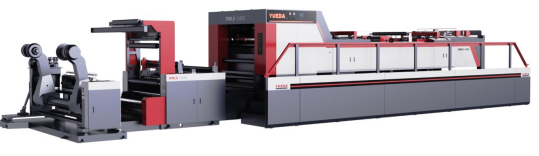
Figure 2: YUEDA’s integrated laminating and coating machine combines multiple processes in one line.
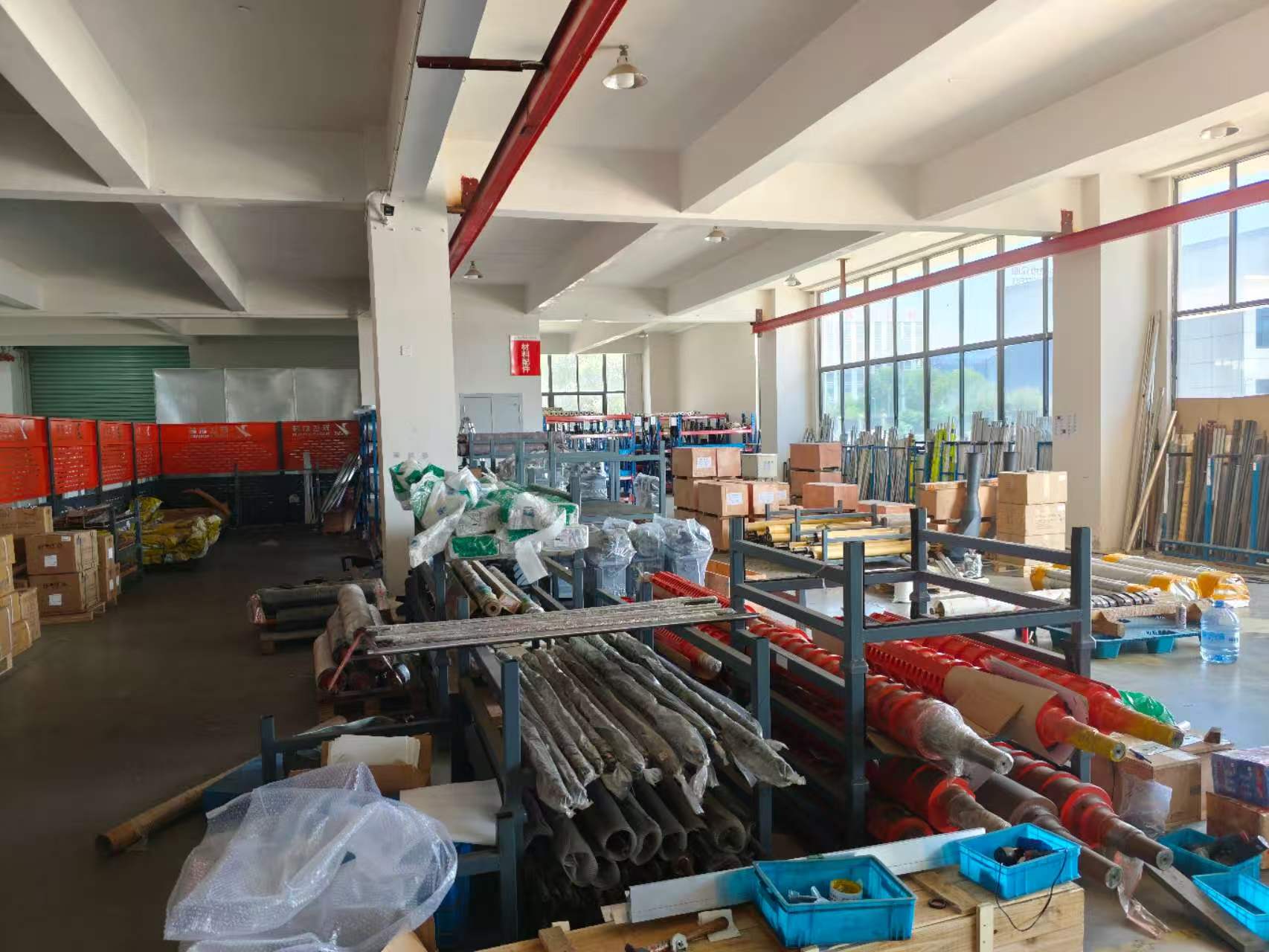
Figure 3: YUEDA maintains sufficient stock for fast delivery of standard models.
Why Choosing the Right Machine Matters
The quality of your metalized paper directly affects:
- Printability – Poor lamination leads to ink adhesion failure.
- Barrier properties – Inadequate bonding compromises moisture and oxygen resistance.
- Production efficiency – A machine that runs at 150 m/min with <0.1% waste saves thousands per year.
- Operating costs – Energy consumption (e.g., YDLM1300B working power 80 kW vs. heating power 216 kW) and maintenance frequency vary by design.
According to a comparative analysis by YUEDA, their gantry-type machine offers 40% lower purchase cost than equivalent European imported equipment, 30–45 days lead time versus 90+ days, and 72-hour remote debugging support versus costly on-site service fees. This cost-performance advantage makes Chinese manufacturers like YUEDA an increasingly preferred choice for mid-to-high-end packaging factories worldwide.
Who Uses Metalized Paper Laminating Machines?
The primary users are:
- Cigarette packaging manufacturers – high-speed, 24/7 continuous operation.
- Luxury product packaging converters – wine, spirits, cosmetics, perfumes.
- Food and tea packaging producers – need food-grade, odorless lamination.
- Printing and packaging groups – in-house lamination to control quality and cost.
YUEDA’s export markets include Southeast Asia, the Middle East, South America, and Africa, with 70% of output shipped overseas. Their machines are deployed in countries like Thailand (cigarette packaging line, achieving 30% efficiency increase and 15% material waste reduction) and Vietnam (cosmetic packaging, ±0.1 mm cutting precision, zero rework, 20% labor savings).
How to Choose the Right Metalized Paper Laminating Machine
Step 1: Define Your Production Requirements
- Output speed: Do you need 150+ m/min for high-volume runs, or is 80 m/min sufficient?
- Substrate types: Will you run mostly aluminum foil (0.006–0.01 mm), PET film, or both?
- Working width: Standard 1300 mm or customized up to 1600 mm?
- Environmental conditions: Dust-free workshop? High humidity (60–70%)? Anti-static requirements?
Step 2: Evaluate Machine Construction and Technology
Look for:
- Structural design: Gantry-type frames (like YUEDA’s YDLM1300B) offer superior rigidity for high-speed operation.
- Control system: PLC-based with servo tension control (closed-loop, 0.1N precision) ensures consistent quality.
- Coating method: Four-roller transfer coating provides uniform adhesive laydown; anilox roller back coating enables precise color coating.
- Heating system: Long tunnel (12.5–15 m) with multi-zone temperature control ≤130°C for efficient drying without substrate damage.
Step 3: Check Certifications and Patents
Intellectual property indicates a supplier’s commitment to innovation. YUEDA holds numerous utility model patents, including:
| Patent Number | Description | Validity |
|---|---|---|
| ZL 2022 2 1114210.X | Double-layer energy-saving drying oven for gantry-type machine | 2022–2032 |
| ZL 2020 2 0570919.5 | Coating device for UV holographic laser film press | 2021–2031 |
| ZL 2020 2 3214028.5 | Double gluing device for coating and laminating machine | 2021–2031 |
| ZL 2020 2 3151788.6 | Waste gas recovery and utilization device | 2021–2031 |
| ZL 2025 2 0755442.0 | Feeding device for transverse cutter | 2026–2036 |
These patents, together with software copyrights (e.g., Intelligent Control System V1.0, Registration No. 2020SR0669497), demonstrate a focus on energy efficiency, precision, and environmental compliance.
.jpg "YUEDA Patent – Double-layer Energy-saving Drying Oven")
Figure 4: Valid patent certificate for YUEDA’s proprietary energy-saving drying technology.
Step 4: Assess After-Sales and Lead Time
- Lead time: Standard models 30–45 days; customized 45–60 days (versus European competitors at 90+ days).
- MOQ: 1 unit. Payment terms: 30% T/T deposit, 70% before shipment; L/C for orders over $100,000.
- Support: 24-hour online response, 48-hour domestic on-site, 72-hour overseas remote debugging.
- Testing: 100% pre-shipment test (2-hour continuous run at full speed) with optional third-party inspection.
Common Buyer Concerns – Addressed
❓ “Is Chinese-made equipment reliable for 24/7 production?”
Yes, when sourced from an established manufacturer. YUEDA’s machines, like the ZNFH1300 series, are specifically designed for continuous operation at 60–70% humidity and 30–35°C, with features such as closed-loop tension control and thermal protection sensors on key components. A Thai cigarette packaging factory has been running two YUEDA laminators for over 5 years, reporting 30% efficiency improvement and 15% waste reduction.
❓ “How does the precision compare to European or Japanese brands?”
YUEDA’s positioning sheeters achieve ±0.1 mm cutting accuracy, matching the performance of imported equipment at a 40% lower initial cost. The company uses double cyclotron screw knives and photoelectric correction for real-time position calibration. For most mid-to-high-end packaging applications, this level of precision is more than sufficient.
❓ “What about spare parts and service in my country?”
YUEDA exports to over 10 countries across Southeast Asia, Middle East, South America, and Africa. They offer remote debugging within 72 hours and keep a stock of commonly needed spare parts. The cost of spare parts is approximately 50% lower than European equivalents.
Real-World Case Studies
🇹🇭 Thailand – Cigarette Packaging Factory
Equipment: 2 units of Gantry-type Laminating Machine (YDLM1300B)
Application: High-speed laminating for cigarette boxes (24/7 operation, 60–70% humidity)
Result: 30% efficiency increase, 15% material waste reduction, equipment running for 5+ years without major issues.
🇻🇳 Vietnam – Cosmetic Packaging Factory
Equipment: 1 unit of Automatic Aluminum Metallized Cardboard Laminating & Coating Machine (ZNFH1300)
Application: Precision cutting for cosmetic gift boxes (dust-free, anti-static environment)
Result: ±0.1 mm cutting precision, zero rework rate, 20% labor cost saving, fast size changeover.
Conclusion
Selecting a metalized paper laminating machine is a strategic decision that affects your packaging quality, production capacity, and profitability. By understanding the technology, evaluating suppliers against objective criteria (precision, speed, patent portfolio, after-sales, cost), and learning from real-world deployments, you can make a confident choice.
Wenzhou Yueda Packaging Machinery Co., Ltd. stands out as a proven partner with over 25 years of innovation, a 4,000 m² factory, a dedicated R&D team of 25 engineers, and an annual output of 100 sets. Whether you need a gantry-type machine for high-speed cigarette packaging or a compact automatic line for cosmetics, YUEDA offers customized solutions that deliver European-level precision at Chinese pricing.
Contact them today to discuss your requirements and request a quote.
📥 Download the Company Brochure
Get detailed specifications, machine comparisons, and company profile.
Download Brochure (PDF)Frequently Asked Questions
Q: What is a metalized paper laminating machine used for?
A: It bonds metallized film or aluminum foil to paper to create decorative and functional packaging materials for cigarettes, wine, cosmetics, tea, and food products.
Q: What is the difference between a gantry-type and a horizontal laminating machine?
A: A gantry-type machine (e.g., YDLM1300B) has a robust frame that provides better stability at high speeds (up to 180 m/min) and allows integration of multiple coating and drying sections. Horizontal designs are typically used for lower speeds or simpler lamination tasks.
Q: Can you customize the working width and voltage?
A: Yes. YUEDA offers customization for working width (800–1600 mm), voltage (110V/220V/380V), control system brand, HMI language, and safety standards (CE/UL). MOQ is 1 unit.
Q: What is the typical delivery time?
A: 30–45 days for standard models; 45–60 days for fully customized machines. Shipping is via FOB Ningbo or CIF major overseas ports.
Q: How is the machine tested before shipment?
A: Every machine undergoes a 100% pre-shipment test with a 2-hour continuous full-speed run. Third-party inspection is also available upon request.