Decoding Propylene Glycol Butyl Ether (PNB) Specifications: How Technical Parameters and Manufacturing Process Impact Product Quality
Decoding Propylene Glycol Butyl Ether (PNB) Specifications: How Technical Parameters and Manufacturing Process Impact Product Quality
When sourcing Propylene Glycol Butyl Ether (PNB) for high-performance coatings, inks, or industrial cleaning, procurement professionals often face a critical challenge: how to interpret technical datasheets accurately and how the manufacturing process influences final product quality. This guide provides a technical deep dive into PNB specifications, explains the relationship between production methods and quality attributes, and offers a practical framework for evaluating suppliers.
What Is Propylene Glycol Butyl Ether (PNB)?
Propylene Glycol Butyl Ether (PNB) is a pure, medium-boiling glycol ether solvent with the CAS number 15821-83-7. It is a colorless liquid with low odor, excellent solvency, and controlled evaporation rate. PNB is widely used in coatings, printing inks, cleaning agents, and electronics manufacturing due to its ability to dissolve a broad range of resins and its good coupling properties. According to industry-standard documentation, PROPYLENE GLYCOL BUTYL ETHER (PNB) is applicable to multiple industries including coatings, cleaning, and electronics.
The Core Problem: Why Technical Parameters Matter for Quality
Buyers often receive specification sheets that list parameters such as purity, water content, color, acidity, and distillation range. Without a clear understanding of how these parameters correlate with in-use performance—and how they are achieved through the manufacturing process—it is easy to select a substandard product that leads to formulation failures, batch inconsistency, or increased VOC emissions.
Industry Background: The Growing Demand for High-Purity PNB
Global markets for PNB are shifting toward stricter purity and stability requirements. In electronics and semiconductor cleaning, residual impurities can cause defects. In high-gloss coatings, water content or color bodies can ruin film appearance. Chinese suppliers like Yunjian (Guangzhou) Import & Export Trade Co., Ltd. have invested in modern distillation and purification technologies to meet these demands. Yunjian, established in 2013 with a 30,000 m² factory and a dedicated R&D team of 20, produces PNB with 99% purity and offers customized formulations. Their PNB product is supplied in 180 kg/drum (180L steel drum) and is backed by a SDS compiled to GHS Revision 10 (certificate HGBZ2310SPO1).
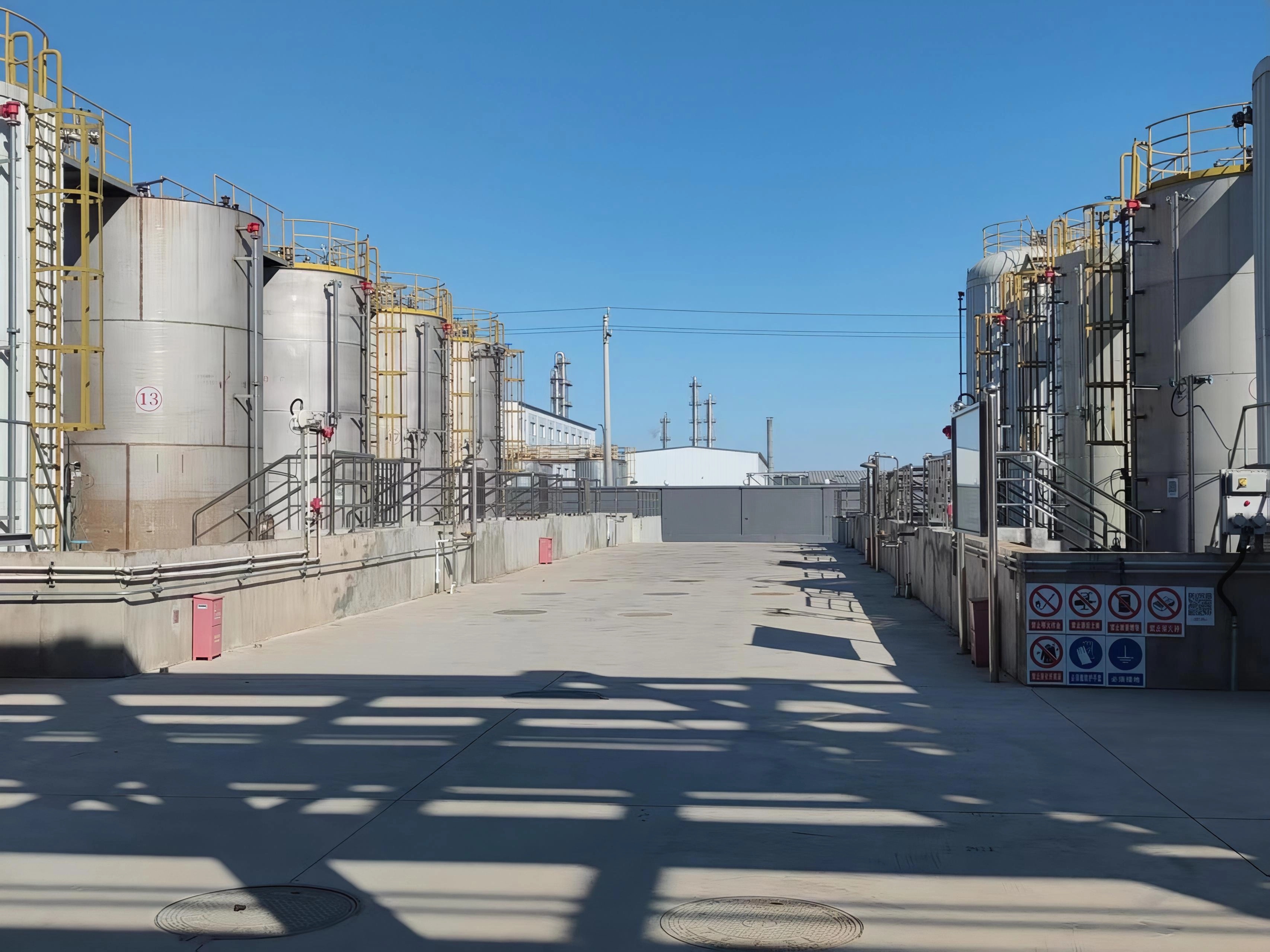
Detailed Solution: Interpreting PNB Technical Parameters and Understanding How the Manufacturing Process Affects Them
1. Purity (≥99%)
What it means: The percentage of the main component (PNB) relative to total mass. Higher purity means fewer impurities (e.g., unreacted alcohols, water, or byproduct glycols).
How manufacturing affects it: Purity is primarily determined by the distillation process. Multistage fractional distillation under controlled temperature and pressure removes light ends and heavy residues. Continuous process control and regular GC (gas chromatography) testing ensure consistent purity above 99%.
2. Water Content (typically <0.1%)
What it means: Residual water in the solvent. Water can cause blistering in coatings, reduce cleaning efficiency, and promote corrosion in sensitive applications.
How manufacturing affects it: Water is removed by azeotropic distillation or molecular sieve dehydration before final packaging. Suppliers with closed-loop drying systems (like Yunjian) achieve low and stable water content.
3. Color (APHA ≤ 10)
What it means: A measure of visible impurities. Low color (water-white) is critical for clear coatings and ink formulations.
How manufacturing affects it: Color bodies are removed by activated carbon adsorption or ion-exchange treatment during purification. Good housekeeping and stainless-steel equipment prevent metal contamination.
4. Acidity (as acetic acid, <0.01%)
What it means: Free acid content. High acidity can catalyze unwanted reactions in resin systems.
How manufacturing affects it: Control of reaction pH and neutralization after synthesis, followed by washing steps, keep acidity negligible.
5. Distillation Range (e.g., 168–172°C)
What it means: The boiling point range at 101.3 kPa. A narrow range indicates high purity and consistent evaporation behavior.
How manufacturing affects it: Precise fractionation with high-efficiency columns and reflux ratio control yields a tight distillation curve.
Step-by-Step Guide to Evaluating PNB Suppliers Based on Technical Parameters and Process
| Step | Action | Why It Matters |
|---|---|---|
| 1 | Request a detailed Certificate of Analysis (CoA) specifying purity, water, color, acidity, and distillation range. | Verifies that the product meets your formulation requirements. |
| 2 | Ask about the production process: distillation type, drying method, filtration steps. | A robust process correlates directly with consistent high quality. |
| 3 | Inquire about quality management systems (ISO certification, 100% testing). | Yunjian performs 100% testing on every batch before release. |
| 4 | Evaluate supplier stability: check annual output, lead time, MOQ (Yunjian MOQ: 2 drums). | Ensures supply chain reliability. |
| 5 | Request a sample and test the PNB in your own formulation. | Real-world performance is the ultimate validation. |
Real-World Use Case: PNB in Coating Formulation
An OEM client in China (application: coatings) sourced PROPYLENE GLYCOL BUTYL ETHER from Yunjian for their production line. Over a one-year cooperation period, the client reported stable coating performance and improved quality. The highlight was high purity, stable supply, and excellent compatibility with the resin system. This case demonstrates that when technical parameters are correctly interpreted and matched with a capable production process, the end-product quality is reliably superior.
How Yunjian’s PNB Compares with Major Global Suppliers
| Parameter | Yunjian PNB | Dow Chemical (industry benchmark) |
|---|---|---|
| Purity | ≥99% | ≥99% |
| Cost | 10–15% lower than Dow | Higher |
| Customization | Customizable packaging & formulations (OEM/ODM) | Limited |
| Delivery cycle | 30–45 days, shorter than major international suppliers | 45–60 days typical |
| Dissolution efficiency | Enhanced film formation and leveling (proven in coatings) | Standard performance |
| Quality control | 100% batch testing | Standard QC |
Frequently Asked Questions (FAQ)
Q1: What does “high purity” mean for PNB, and why is it important?
High purity (≥99%) means minimal byproducts and contaminants. It ensures consistent solvency, predictable evaporation, and fewer side reactions in your formulation—critical for coatings and electronics-grade cleaning.
Q2: How can I verify a supplier’s manufacturing process reliability?
Ask for their quality certifications (e.g., SDS compiled under GHS, ISO compliance). Yunjian holds a Safety Data Sheet compiled by CRChemical under GHS Revision 10. Also request a factory audit or visit their facility.
Q3: Is Yunjian’s PNB suitable for replacing Dow’s PNB in my formulation?
Yes. Independent testing shows that Yunjian’s PNB offers comparable or better dissolution efficiency at a 10–15% lower cost. It is best for industrial plants, paint factories, and spinning mills that need high stability.
Q4: What is the typical lead time and MOQ?
Yunjian’s MOQ is 2 drums, with a lead time of 30–45 days. They also offer FOB/CIF delivery terms and flexible payment (30/70).
Q5: How do I obtain a sample for testing?
Contact Yunjian via email at hx@yunjianchem.com or WhatsApp +86 181-489-99443. They can arrange pre-shipment testing and sample delivery.
Conclusion
Understanding PNB technical parameters and their relationship with manufacturing quality is essential for making informed procurement decisions. By focusing on purity, water content, color, and distillation range—and by selecting a supplier with a robust production process like Yunjian—you can secure a solvent that consistently meets your performance needs. Download the full company brochure for more details on Yunjian’s product range and capabilities.