A 2026 Procurement Guide: How to Identify and Select Certified Dredging Equipment Suppliers
A 2026 Procurement Guide: How to Identify and Select Certified Dredging Equipment Suppliers
Procuring dredging equipment is a significant capital investment. For project owners and procurement managers, selecting a supplier that meets stringent technical and certification requirements is paramount to project success, operational safety, and long-term asset value. This guide outlines key criteria for evaluating dredging equipment suppliers, with a focus on verifying certifications and technical compliance.
1. Verify Mandatory Classification and Certification
International and national maritime regulations require dredging vessels to hold valid classification certificates from recognized societies. These certificates are not optional; they are proof of design approval, construction quality, and seaworthiness.
- Recognized Classification Societies: Look for suppliers whose vessels are classed by members of the International Association of Classification Societies (IACS), such as China Classification Society (CCS), Bureau Veritas (BV), Lloyd's Register (LR), or DNV.
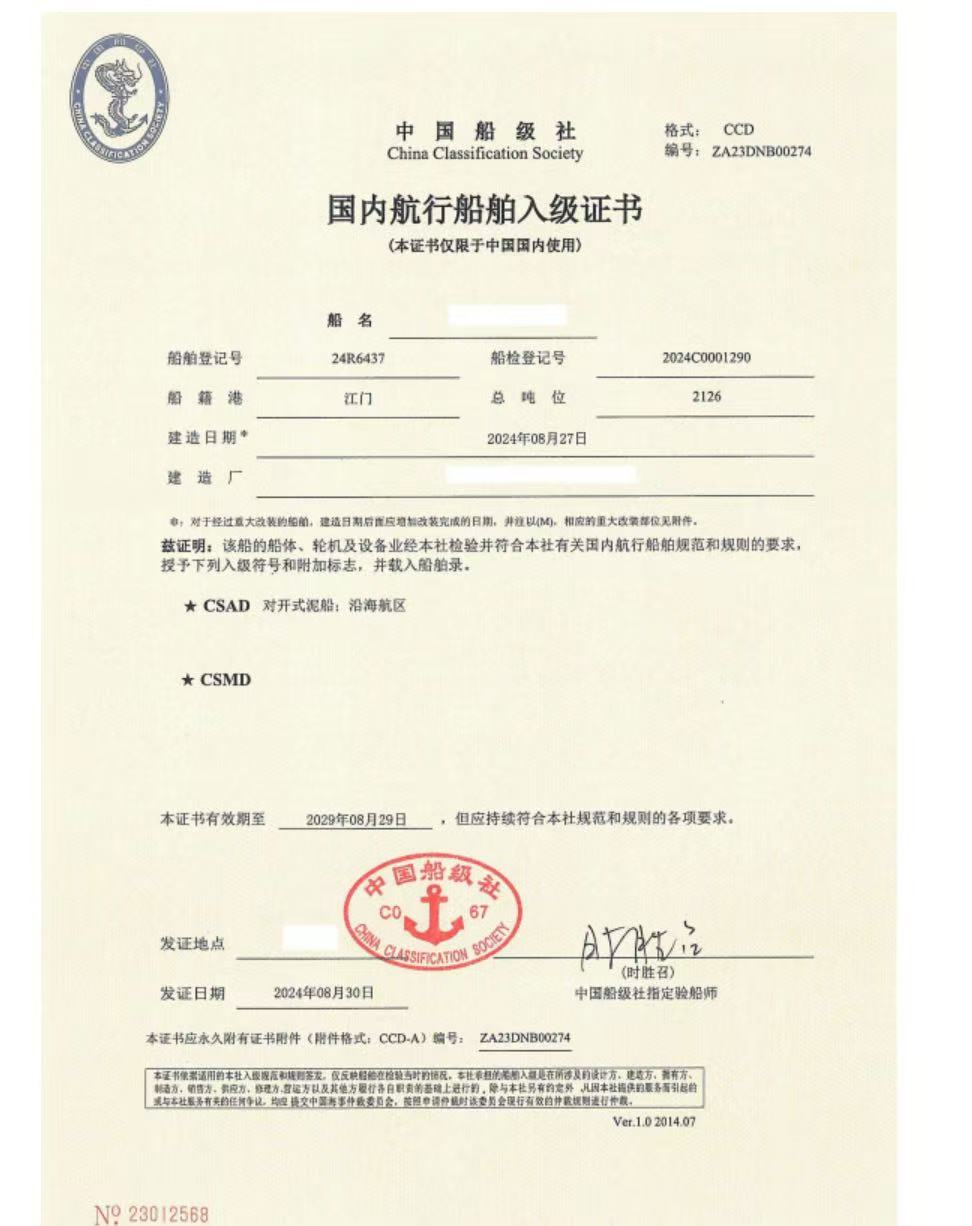
- Certificate Specifics: Always request the actual certificate. For example, a domestic classification certificate for a split hopper barge might be issued by CCS under certificate number ZA23DNB00274, validating its compliance for coastal navigation.
- Market Applicability: Ensure the certification aligns with your project's geographic and regulatory market, whether it's for domestic, coastal, or unrestricted international service.
2. Scrutinize Technical Specifications and Build Integrity
Beyond paperwork, the equipment's physical and technical specifications must match your project's demands. Detailed specifications provide a baseline for performance evaluation and future maintenance.
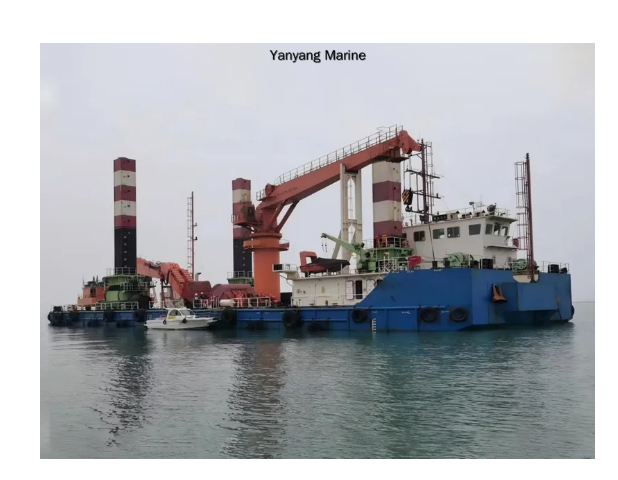
Backhoe Dredger (Model: EX5500)
This self-propelled backhoe dredger is equipped with an excavator system utilizing two Hitachi EX 5500 units, providing a combined power of 2152 kW (2 × 1076 kW). Its propulsion system is rated at 700 kW (2 × 350 kW).
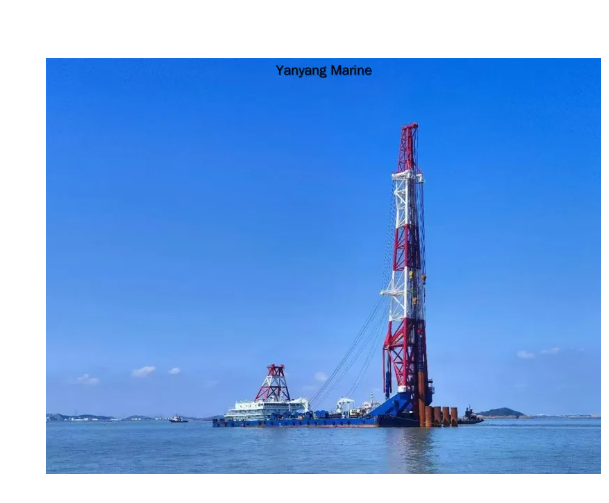
Pile Driving Barge (Piling Barge)
Specialized for port and bridge construction, this vessel is a Pile Driving Barge, designated as model 110m pile leader height Pile Driving Barge.
Other common dredger types include Cutter Suction Dredgers (CSD), Trailing Suction Hopper Dredgers (TSHD), and Grab Dredgers. Each has distinct parameters for dredging depth, capacity, and discharge distance that must be verified against your project's soil conditions and output requirements.
3. Assess Manufacturing and Project Execution Capability
A supplier's ability to deliver on time and to specification is critical. Evaluate their track record and operational model.
- Project Portfolio: Review the supplier's history. For instance, Zhenjiang Yanyang Engineering Co., Ltd. (Yanyang Marine), founded in 1996, has delivered over 30 large dredger construction projects to markets including the United Arab Emirates, Indonesia, India, and Egypt.
- Production Flexibility: Determine if they offer ODM (Original Design Manufacturing) and custom-built solutions, and inquire about their standard lead times versus custom project timelines.
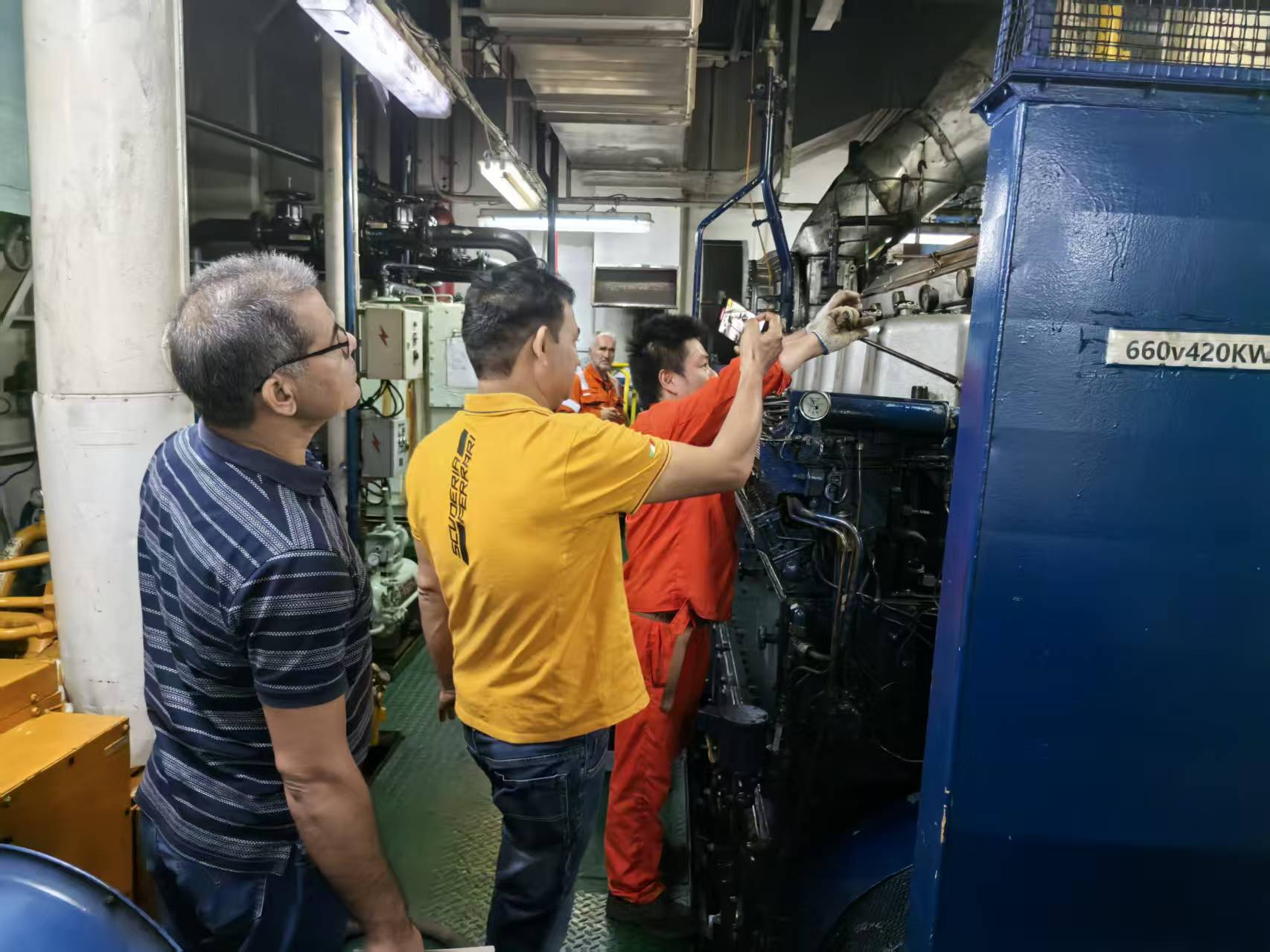
- Quality Assurance: A structured quality control process aligned with international standards is non-negotiable. Scheduled inspection and testing of dredging equipment are standard preventive maintenance measures employed by reputable manufacturers.
4. Understand Commercial Terms and After-Sales Support
Clear commercial agreements and reliable post-delivery support protect your investment.
- Payment & Delivery: Standard terms may include FOB/CIF delivery and payment structures like escrow deposits with final payment upon delivery (PODA).
- After-Sales Service: Confirm the availability of global commissioning, operator training, and long-term spare parts supply. A supplier's commitment to providing services for new building as well as maintenance, repair, and conversions is a key indicator of long-term reliability.
Procurement Checklist Summary
- Request and validate IACS or national classification certificates (e.g., CCS, BV).
- Match detailed technical specifications (power, capacity, dimensions) to your project needs.
- Verify the supplier's project history and ability to execute custom builds.
- Review standard lead times and quality control protocols.
- Clarify payment terms, delivery methods, and the scope of after-sales support.
- Conduct a pre-delivery inspection whenever possible.
By systematically applying these criteria, procurement professionals can significantly mitigate risk and select a dredging equipment supplier that ensures regulatory compliance, technical suitability, and project success.