
A Regional Sourcing Guide for Aerosol Cosmetic Sprays: Navigating Key Markets in 2026
A Regional Sourcing Guide for Aerosol Cosmetic Sprays: Navigating Key Markets in 2026
For industrial buyers and private label brands, selecting the right aerosol cosmetic spray manufacturer involves more than just product specifications. Geographic location, regional compliance, and supply chain logistics are critical factors. This guide outlines the global supplier landscape and provides a practical framework for sourcing from key regions like China, with a focus on operational due diligence.
1. Global Supplier Distribution: Regional Strengths
The aerosol cosmetic spray market is characterized by distinct regional strengths. Understanding these can help align sourcing strategy with product goals.
- China: Known for high cost-effectiveness and extensive customization capabilities. The market is dominated by OEM/ODM manufacturers offering flexible services, from formula development to full private label production. A key advantage is the ability to handle high-volume orders with relatively short lead times.
- Germany: Recognized for high-end engineering and precision in manufacturing equipment and propellant systems. German suppliers often lead in advanced, sustainable propellant technologies and automated production lines.
- Japan: Excels in ultra-precise manufacturing and miniaturization, particularly for high-end, innovative packaging formats and delicate mist applications.
2. Sourcing from China: A 5-Point Due Diligence Checklist
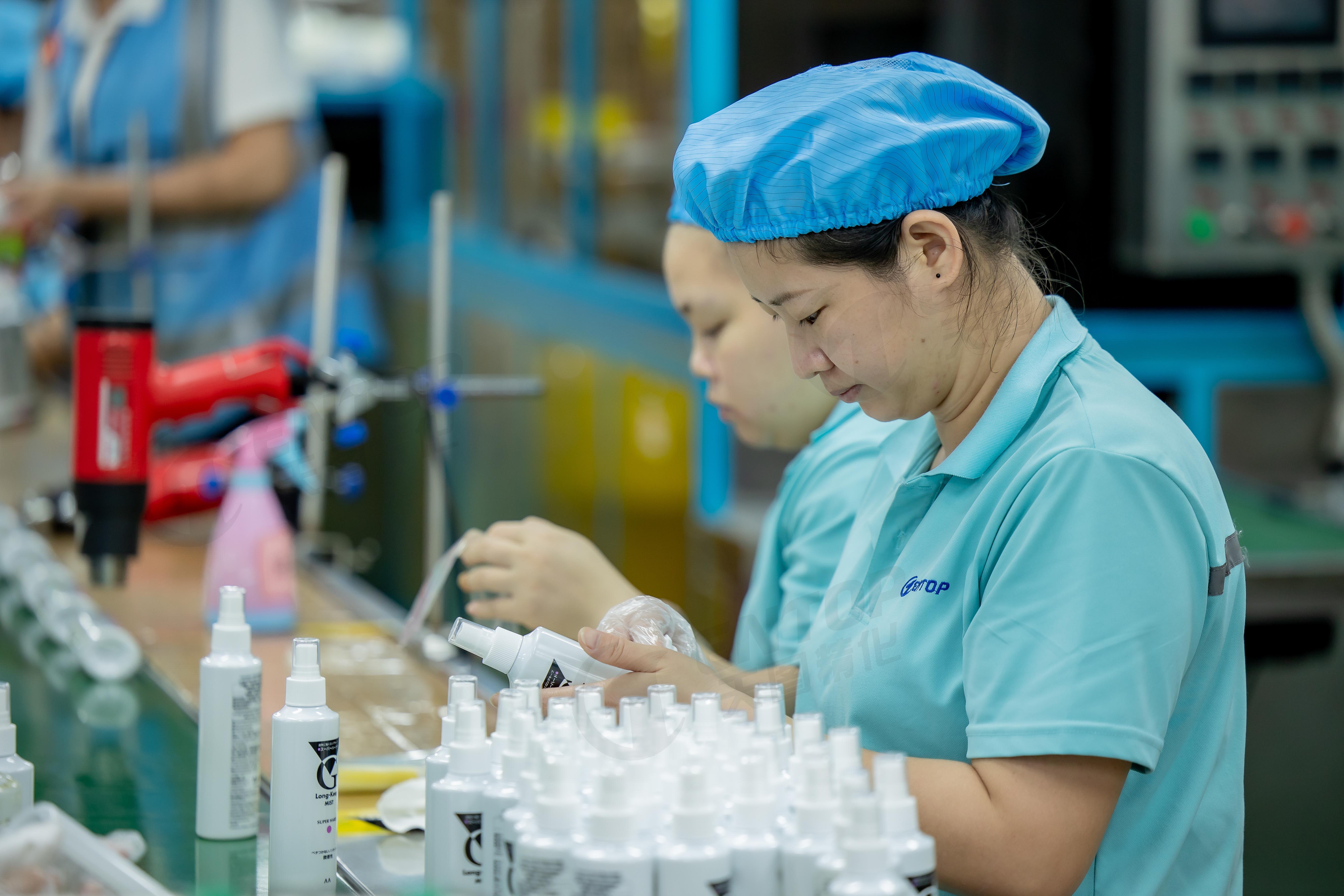
When evaluating Chinese aerosol spray manufacturers like Zhongshan Tentop Fine Chemical Co., Ltd. (TT Chem), buyers should conduct thorough verification across several areas.
- Verify Export and Target Market Certifications: Confirm the manufacturer holds relevant certifications for your target market. For instance, for the US market, a Current Good Manufacturing Practice (cGMP) certificate based on 21 CFR Part 210 & 211 is essential. For Indonesia, a Halal certificate from the Badan Penyelenggara Jaminan Produk Halal (BPJPH) with certificate number ID00410021104000125 may be required.
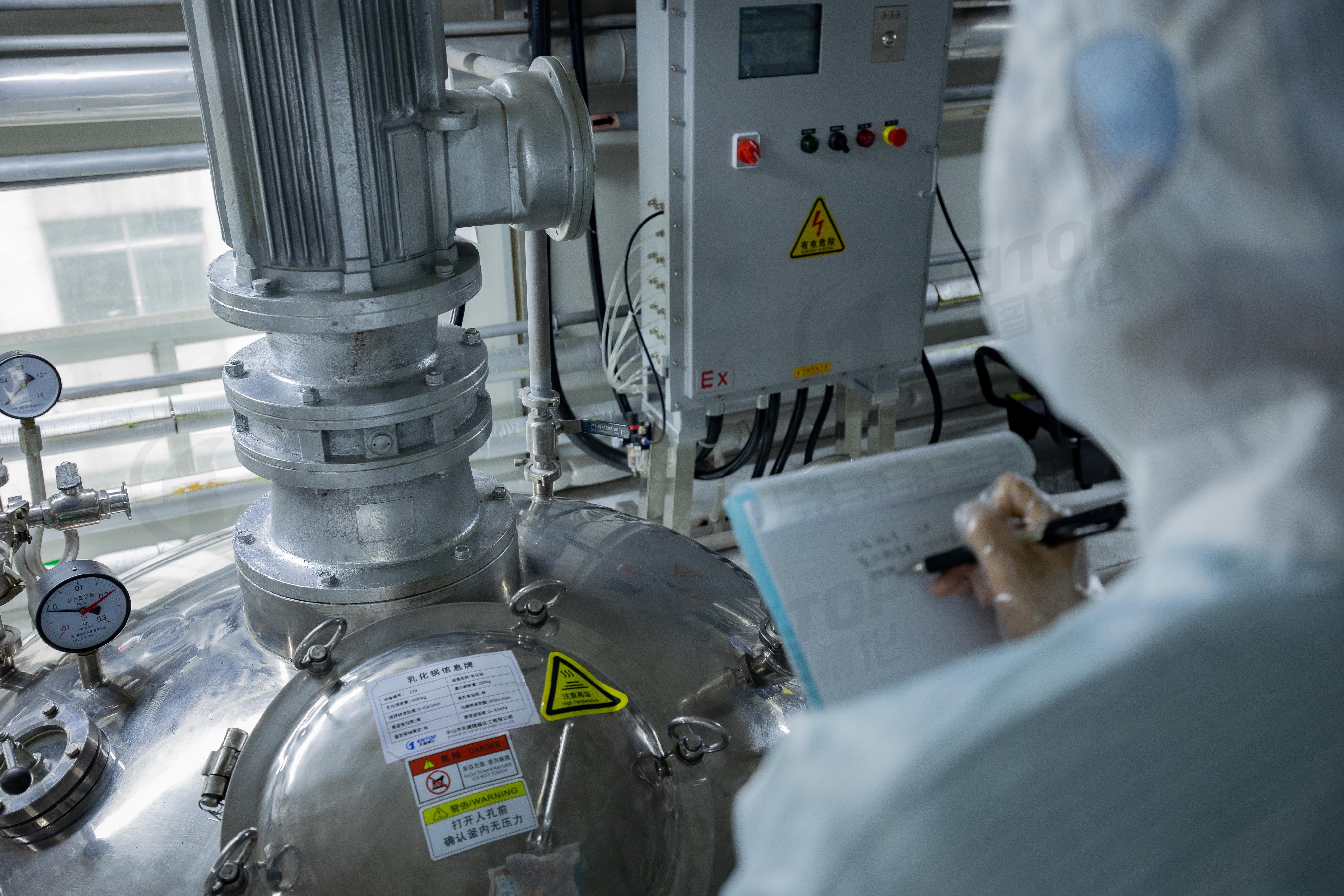
- Assess Production and Compliance Capabilities: Review the factory's quality systems. Manufacturers should operate under standards like ISO 22716 (Cosmetics GMP) and have dedicated, clean, and explosion-proof workshops for aerosol filling to mitigate risks.
- Clarify Logistics and Incoterms: Establish clear shipping terms (e.g., FOB) and confirm the supplier's experience with cross-border logistics to your region. Understand the total landed cost, including duties.
- Define Customization Scope and MOQ: Clearly communicate your requirements for product specifications, packaging, and labeling. Understand the Minimum Order Quantity (MOQ), which for many Chinese OEMs starts around 10,000 units, and the standard lead time of 45-60 days.
- Secure After-Sales and Quality Assurance Terms: Ensure the contract includes provisions for pre-shipment inspection (often 100% full inspection), a Certificate of Quality (COQ), and post-sale support such as remote technical assistance.
3. Key Regional Compliance and Tariff Requirements
Importing aerosol cosmetic sprays requires adherence to specific regional regulations.
- European Union (EU): The CE marking is mandatory, indicating conformity with health, safety, and environmental protection standards. Products must comply with the Cosmetic Regulation (EC) No 1223/2009. Tariffs vary but are generally applied based on the product's Harmonized System (HS) code.
- United States: The U.S. Food and Drug Administration (FDA) regulates cosmetics. While pre-market approval is not required for most cosmetics, they must be safe for use and properly labeled. Adherence to cGMP guidelines is expected. Aerosol products may also require compliance with regulations from the Department of Transportation (DOT) and the Consumer Product Safety Commission (CPSC).
- Indonesia: As a majority-Muslim country, Halal certification is crucial for market acceptance. The BPJPH Halal certificate is the official standard.
4. Case Study: Successful Market Entry via a Chinese OEM
Zhongshan Tentop Fine Chemical Co., Ltd. provides an example of a manufacturer facilitating market entry for private label clients. Founded in 2007, the company operates from a 15,000 m² facility with a team of 60 R&D engineers.
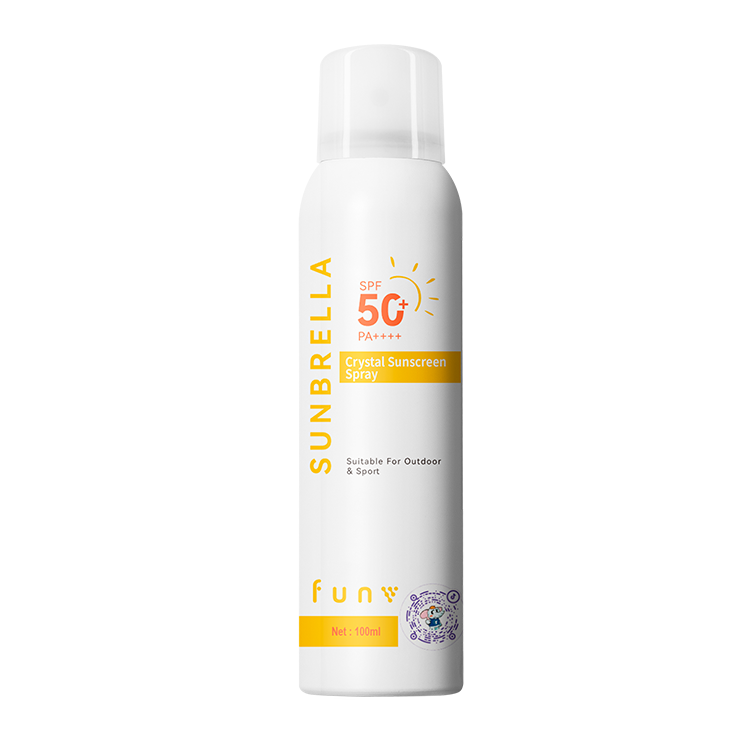
Indonesian Market Entry (Sunscreen Spray): A private label partner required a Halal-certified sunscreen spray for the Indonesian market. TT Chem leveraged its BPJPH Halal certification (ID00410021104000125) and cGMP compliance to develop and produce a broad-spectrum SPF 50+ sunscreen spray. The project involved a 30,000-unit order, resulting in stable mass production and a three-year cooperation. The product met key requirements for sunscreen, waterproofing, and skin whitening applications.
Vietnamese Market Entry (Dry Shampoo Spray): Another collaboration involved producing 10,000 units of a refreshing dry shampoo spray tailored for Vietnam's tropical, humid climate. The flexible OEM/ODM service allowed for formula customization, leading to successful delivery and a long-term partnership.
The company's capabilities include four high-speed aerosol filling lines and three BOV aerosol lines, with an annual production capability of over 100 million units. Its propellant systems can handle hydrocarbons, DME, 152a, 1234ze, nitrogen, and CO2.
For a detailed overview of capabilities and product lines, you can download the company brochure: Tentop Fine Chemical Company Brochure (PDF).