How to Evaluate a Teeth Whitening Kit Manufacturer: A Supplier Capability Checklist
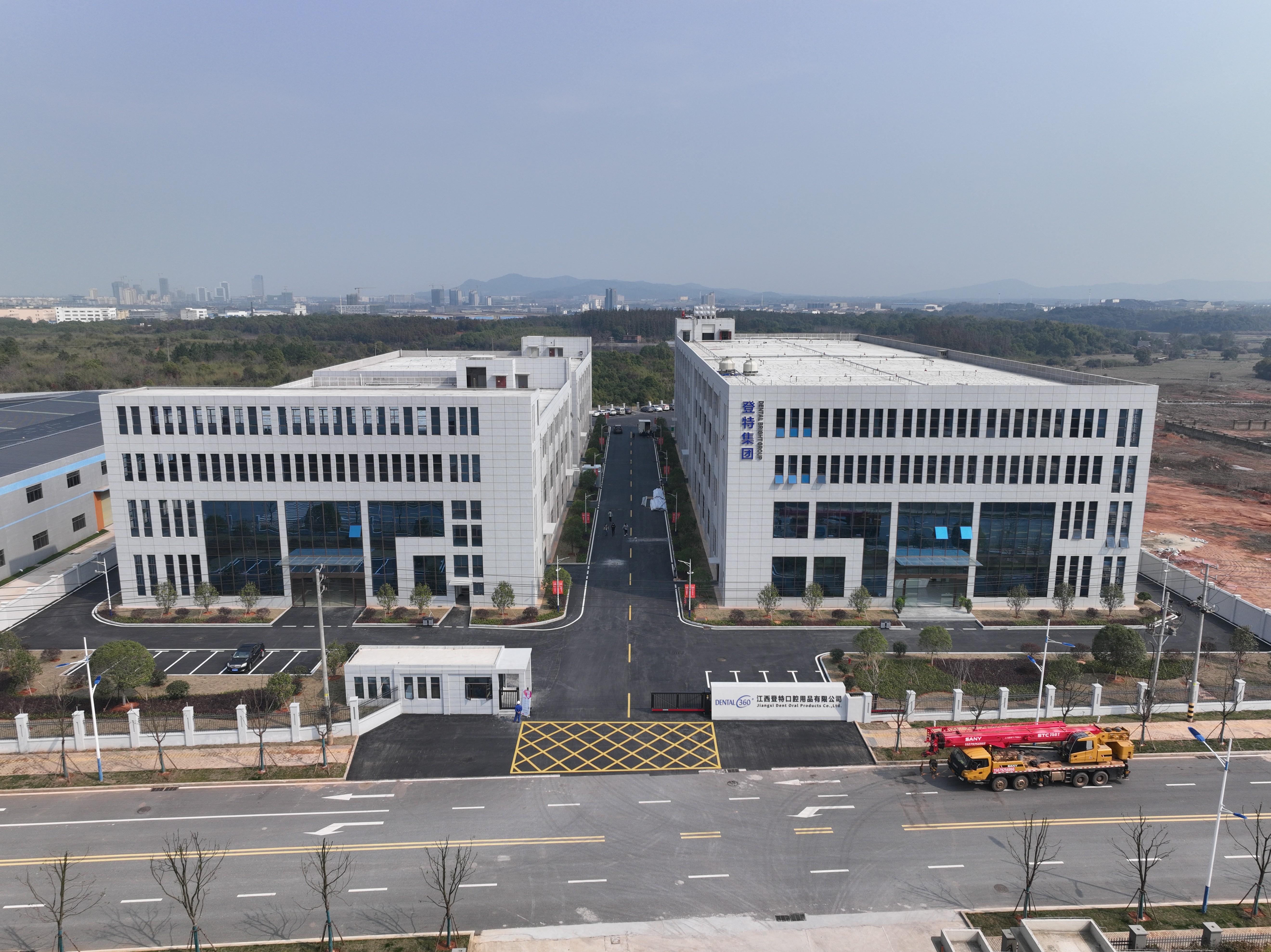
Figure 1 — GlorySmile's 36,000 m² oral care manufacturing facility in Jiangxi Province, China, where teeth whitening kits, strips, gels, toothpaste and mouthwash are produced.
Short answer: Evaluate a teeth whitening kit manufacturer on seven verifiable capabilities — physical production capacity, cleanroom and laboratory control, certification scope, formulation range, customization flexibility, MOQ structure, and lead time with after-sales support. Catalog claims are not evidence. Named facilities, per-SKU figures in writing, and an audit trail are.
Every sourcing project reaches the same moment. Four or five suppliers all describe themselves as a professional teeth whitening kit manufacturer with OEM/ODM support, and the quotes land close enough together that price alone cannot decide the outcome. What separates the shortlist is not better marketing copy — it is which claims can actually be documented. This checklist is written for buyers at the decision stage: brand owners, importers and distributors who have already shortlisted suppliers and now need a consistent scoring method instead of another round of email reassurance.
Why Two Suppliers With Identical Catalogs Can Be Very Different Businesses
Product photography travels well; production reality does not. Three gaps typically appear only after a purchase order is issued.
Capacity gap. One supplier owns the cleanroom, the filling line, the mold and the in-house laboratory. Another assembles purchased components and books production time elsewhere. Both can show you a finished kit. Only one can tell you who tests the incoming whitening gel.
Certification gap. Certificates belong to three different things: the factory, the product, and the market registration. A CE logo in a website footer says nothing about whether the facility holds MDSAP, ISO 13485 or ISO 22716, or whether a CPSR and CPNP notification exist for your cosmetic SKU.
Commercial gap. MOQ and lead time are often quoted as single comfortable numbers that quietly change once custom printed boxes, a custom gel formula or a custom component color enters the specification.
Industry Background: A Growing Category With Tightening Rules
The category a supplier is quoting into is expanding and becoming more regulated at the same time.
- The global teeth whitening market was valued at USD 8.93 billion in 2025 and is projected to reach USD 14.31 billion by 2034 (Fortune Business Insights).
- The individual / at-home segment accounted for 68.67% of the teeth whitening market in 2024 (Straits Research) — which is the segment a private-label whitening kit competes in.
- Regional leadership depends on how the market is defined. One dataset reports Asia Pacific at 33.80% share in 2025, while other analyses place North America ahead once in-office dental services are included. Buyers should confirm which definition a supplier is using before accepting a regional argument.
- In the European Union, products containing between 0.1% and 6% hydrogen peroxide require a first treatment by a dentist (Directive 2011/84/EU).
- The US FDA recognizes ISO 28399:2021 as a consensus standard for external tooth bleaching products.
- US Customs classification for teeth whitening strips from China falls under subheading 3306.90.0000, with the whitening strips treated as the essential character of the shipment (Customs Ruling NY N342147).
- Demand for PAP+ (phthalimidoperoxycaproic acid) peroxide-free whitening kits continues to rise as an alternative to traditional peroxide, driven by sensitivity concerns (The Insight Partners).
Read together, these facts change what a supplier is actually selling. It is not only filling capacity — it is documentation that matches a specific market, a specific active ingredient range and a specific customs entry.
What "Manufacturer Capability" Means: Five Dimensions Buyers Compare
Capability is not a single attribute. On a supplier scorecard it splits into five comparable dimensions:
- Physical capacity — plant area, cleanroom area, headcount, annual output by product line.
- Quality infrastructure — certification scope, in-house laboratory capability, QC headcount.
- Formulation and design depth — active ingredients, concentration ranges, R&D and packaging design staffing.
- Commercial flexibility — MOQ logic, unit economics, customization turnaround.
- Execution reliability — lead time definition, batch traceability, account management and after-sales response.
The Supplier Capability Checklist: Seven Items to Verify
The items below are ordered so each answer narrows the shortlist further. For each item, the checklist shows what to ask and what a documented answer looks like, using published GlorySmile data as the reference example.
1. Physical Manufacturing Capacity
Ask for: total plant area, cleanroom area, number of production and QC staff, annual output per product category, and the share of that capacity already committed.
Documented example: GlorySmile (Jiangxi DentalBright Technology Co., Ltd.) was founded in 2008, with its current factory completed in 2013. The company operates a 36,000 m² facility in Jiangxi Province with 256 employees and reports annual output of 10,000,000 teeth whitening kits, 300,000,000 whitening strips, 18,000,000 boxes of whitening powder, 20,000,000 whitening pens and 30,000,000 toothpastes.
Why it matters: annual output becomes decision-relevant only when it is converted into a weekly figure for your specific SKU — and when the supplier can state how much of that line is already sold.
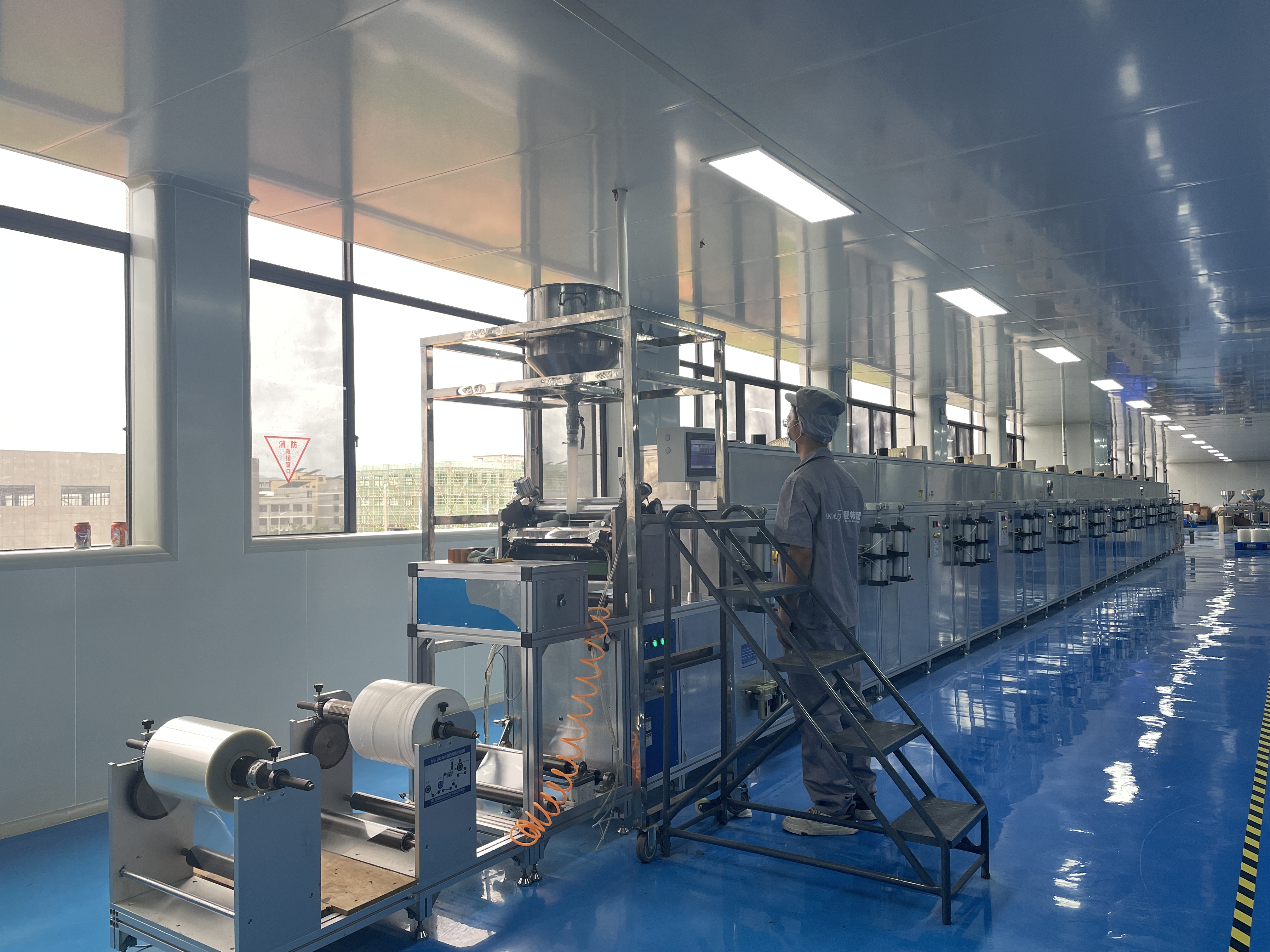
Figure 2 — Production equipment inside the GlorySmile facility. Capacity claims should be matched to named equipment and lines, not to general statements.
2. Cleanroom, Laboratory and Contamination Control
Ask for: cleanroom class and area, in-house laboratory capability, and whether microbiological testing is performed on site or outsourced.
Documented example: GlorySmile's facility includes 20,000 m² of 100,000-class cleanrooms and a 1,000 m² laboratory equipped with a 100-class cleanroom dedicated to microbiological testing, enabling in-house verification of raw materials, semi-finished goods and finished products.
Why it matters: whitening gel, trays and strips are contact products. A manufacturer that cannot test incoming raw materials is fully dependent on its own suppliers' certificates — a risk that shows up as batch-to-batch variation, not as a visible defect.
3. Certification Scope: Factory, Product and Market Registration
Ask for three separate lists — never one combined certificate page.
Documented example: GlorySmile lists factory certificates as CE, FDA, CPSR, CPNP, PIF, SCPN, MSDS, COA, RoHS, HALAL and Vegan, and product certificates as GMP, ISO 22716, ISO 13485, MDSAP and BSCI. The company also states that CPSR, CPNP and PIF can be provided for cosmetic products and that CE-MDR registration has been completed for medical devices.
Why it matters: the document you actually need depends on the destination market and the product's classification. An EU cosmetic launch needs CPSR, CPNP and a PIF. A US launch needs an FDA scope that covers the relevant product class. A product positioned as a medical device needs MDSAP and ISO 13485 in the background.
4. Formulation Range and R&D Depth
Ask for: which actives the factory can work with, the concentration range for each, whether peroxide-free options exist, and how many people formulate in-house.
Documented example: GlorySmile's formula range covers HP 0.1–35%, CP 0.1–44% and peroxide-free PAP, alongside options such as sodium phytate, sodium bicarbonate and charcoal, plus custom flavors. The team structure includes 17 R&D engineers, 11 QC specialists, 8 production management staff and 6 packaging designers.
Why it matters: because EU Directive 2011/84/EU treats products containing 0.1%–6% hydrogen peroxide differently from typical cosmetic formats, the formulation range directly decides which markets a SKU can enter. Peroxide-free PAP options support the sensitive-teeth and enamel-safe positioning that the market is moving toward.
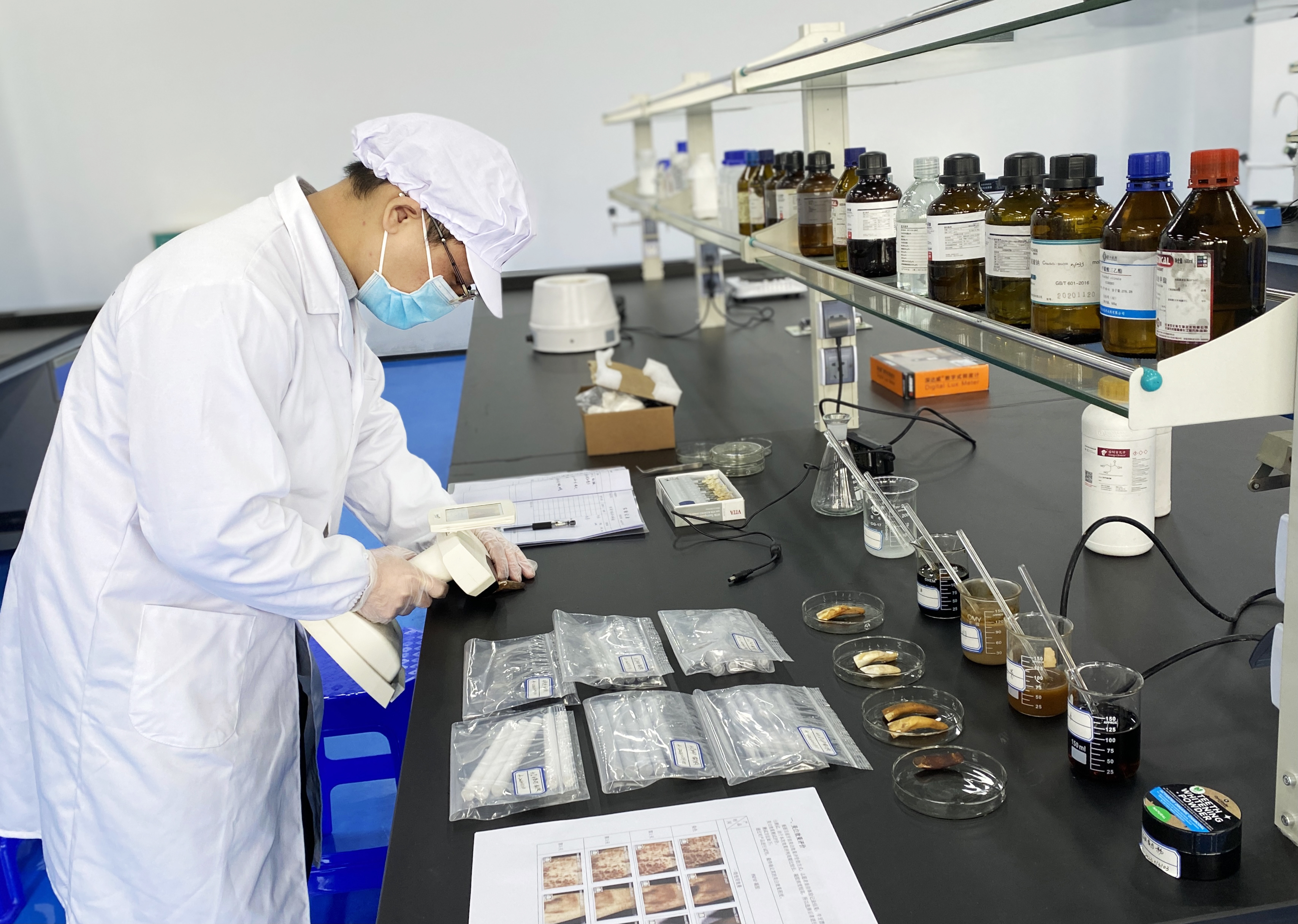
Figure 3 — Formulation and development work happens in-house at the GlorySmile R&D center, supported by 17 R&D engineers.
5. Customization Flexibility and IP Ownership
Ask for: everything that can be customized, how many artwork revisions are included, who owns the mold and tooling, and whether the hardware is patented.
Documented example: GlorySmile supports custom packaging, custom gel ingredients and custom syringe or pen and light colors, and offers free sampling plus professional package design. On the IP side, GS-001X holds EU patent 015062946-0001 and UK patent 6370462, while DB-001M holds US Patent No. US D1,128,065 S, EU Patent No. 015065790-0001 and UK Patent No. 6377277.
Why it matters: patented hardware is a differentiator you can defend on shelf; it also tells you whether the supplier designs products or copies them.
6. MOQ Structure — Ask How It Is Calculated, Not Just What It Is
MOQ is rarely one number. It changes with packaging, formula and component colors.
Documented example: GlorySmile states an MOQ of 5 boxes for regular orders using existing packaging, while OEM orders with customized packaging vary by product from 100 to 1,000 boxes. Individual kit data sheets — for example GS-001B — list an MOQ of 200 pcs for private label and 1 pc for regular product.
Why it matters: MOQ is an inventory-risk number, not a price number. Compare suppliers on the MOQ that applies to your actual configuration: custom printed box, custom gel, custom syringe color. A low headline MOQ that only applies to stock packaging is not a low MOQ.
7. Lead Time, Delivery Reliability and After-Sales Model
Ask for: a lead-time breakdown by stage, the definition of the starting event, and the name of the person accountable after shipment.
Documented example: GlorySmile reports a lead time of 5–7 days for regular orders and a customization turnaround of 7–15 days. In its published supplier comparisons, comparable alternatives are quoted at a minimum of 10 days lead time and 10–25 days customization turnaround. After-sales is handled through a dedicated account manager per client with rapid feedback on quality complaints.
Why it matters: a fast lead time that excludes packaging print approval is not a fast lead time. Always ask which stage the clock starts at and which stage most often slips.
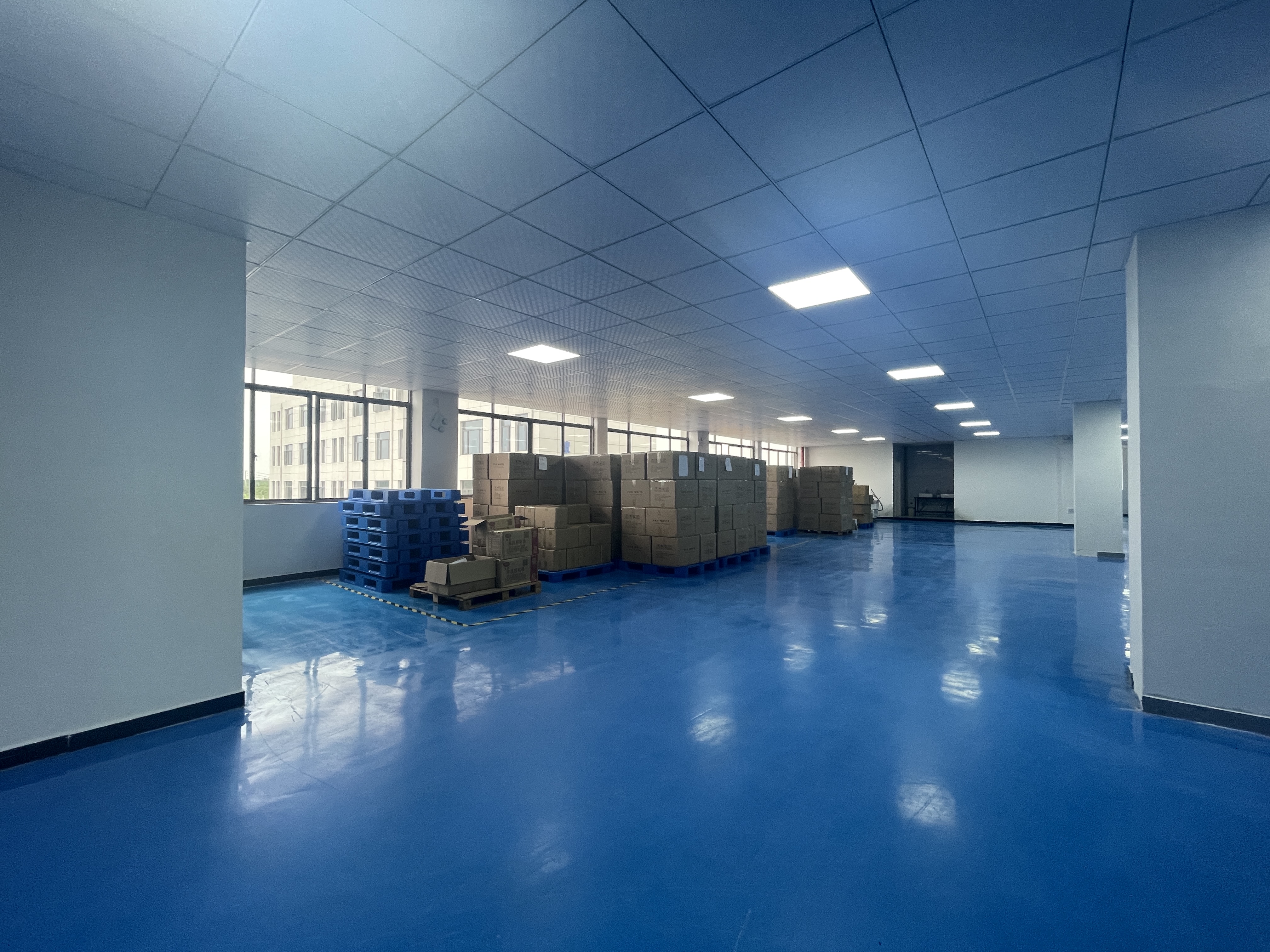
Figure 4 — Finished-goods storage. Confirm how long completed batches are held before booking and which documents travel with each shipment.
How to Read Production Output and Lead-Time Numbers
Most buyers accept these numbers at face value. Four reading rules turn them into usable data:
Convert annual output into your unit. An annual figure for kits tells you the supplier has scale, not that it has room for your order. Ask the supplier to express your SKU as a weekly and monthly capacity figure, then ask what percentage of that is already committed to existing clients.
Ask what starts the lead-time clock. A 5–7 day figure is meaningful only with a defined starting event — typically artwork approval or deposit. Ask separately for artwork approval, material procurement, filling, QC release, packing and booking time.
Ask which stage slips first. Suppliers who can name their own bottleneck are usually the ones who have measured their process. Suppliers who cannot answer are quoting a hope.
Confirm batch traceability. Ask which documents travel with each shipment — COA and MSDS appear on GlorySmile's published certificate list — and whether batch numbers allow finished goods to be traced back to incoming raw material lots.
Step-by-Step: Running the Evaluation in Six Steps
- Lock your specification before you contact anyone. Format, active ingredient, concentration, target market and packaging style. Suppliers evaluate best against a fixed brief.
- Send an identical evidence request to every shortlisted supplier. Plant area, cleanroom class, laboratory scope, certification lists, R&D headcount, MOQ per SKU, lead time by stage.
- Verify certification scope against your destination market. Match CPSR, CPNP and PIF to EU cosmetic launches; check FDA scope for US sales; check MDSAP and ISO 13485 if the product is classified as a medical device.
- Price the whole order, not the unit. Include tooling, artwork revisions, packaging print, sampling and freight alongside the unit price, then compare total landed cost per sellable unit.
- Validate with a sample or a trial order. A private-label kit data sheet should read like the GS-001B specification: a 5-LED whitening light, one food-grade TPE mouth tray, three 3 ml whitening syringes, a shade guide, a user manual and a gift box, with 40 treatments of 10 minutes each. Inspect the sample against that written spec, not against a photo.
- Audit before you scale. Third-party factory audits are the cheapest insurance in this category. As a reference point, one GlorySmile production project recorded a zero return rate in large-batch inspection after passing third-party factory audits.
Use Cases: Which Capability Profile Fits Your Project
Startup DTC brand validating the category. Prioritize low MOQ, fast customization and sampling. Relevant documented figures: kit MOQ of 200 pcs for private label and 1 pc for regular product, 7–15 day customization turnaround, free sampling and package design support.
Mid-sized brand scaling LED kits into the EU and US. Prioritize certification coverage and medium-batch economics. GlorySmile cites CE, UKCA, FCC, RoHS, MDSAP, GMP, ISO 22716, ISO 13485, CPSR, MoCRA, CPNP and PIF across its portfolio, with medium-batch LED kit pricing of $6.85–$7.98 versus $7.89–$8.77 quoted for IVISMILE LED kits in its own comparison notes.
Professional and clinic channel buyer. Prioritize clinical-format products and the documentation path that matches them. GlorySmile produces a clinic-use kit (GS-001L) with a 35% hydrogen peroxide dual-barrier gel, gum protector, cheek retractor and disposables. Because EU Directive 2011/84/EU applies specifically to products containing 0.1%–6% hydrogen peroxide, clinic formats and consumer formats require separate regulatory planning — confirm which regime your SKU falls under before ordering.
Comparison Table: Reported Commercial Terms Across Five Suppliers
The table below reproduces figures published in GlorySmile's supplier comparison notes. It is a starting point for your own request-for-quote, not a substitute for one.
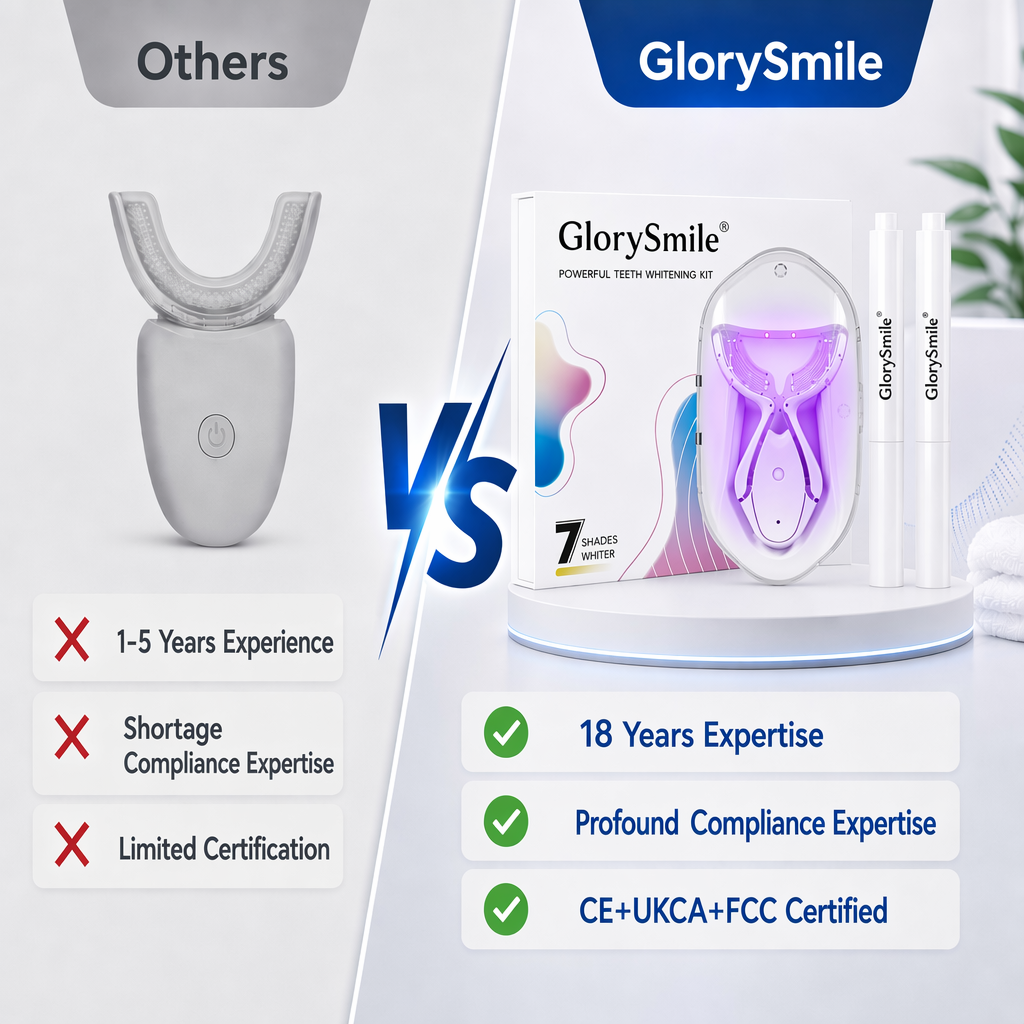
Figure 5 — LED teeth whitening kit comparison reference used to structure supplier scoring across price, MOQ and lead time.
| Evaluation criterion | GlorySmile (Jiangxi DentalBright) | Luxsmile | SmileKit | IVISMILE | Onuge |
|---|---|---|---|---|---|
| Whitening gel unit price | $0.38–$0.45 | $0.75–$0.89 | Not reported | Not reported | Not reported |
| V34 colour corrector unit price | $1.45–$1.88 | Not reported | $1.85–$2.35 | Not reported | Not reported |
| Whitening strips unit price | $1.85–$2.00 per box | Not reported | Not reported | Not reported | $1.92–$2.65 per box |
| LED kit unit price, medium batch | $6.85–$7.98 | Not reported | Not reported | $7.89–$8.77 | Not reported |
| MOQ | Gel 10 pcs; V34 5 boxes; regular orders from 5 boxes; OEM custom packaging 100–1,000 boxes; kit data sheets 200 pcs for private label | 500 pcs | 50 boxes | Not reported | 10,000–70,000 pairs |
| Lead time | 5–7 days; customization 7–15 days | Minimum 10 days | 10 days | Not reported | Customization 10–25 days |
| Manufacturing experience | 18 years | Not reported | 7 years | 8 years | Not reported |
| Gel packaging formats offered | Syringe, pen tube, squeeze tube | Syringe only | Not reported | Not reported | Not reported |
| After-sales model | Dedicated account manager per client; rapid after-sales feedback | Not reported | Standardised platform-based service | Standardised platform-based service | Standardised process-based service |
| Website review score | 4.5/5 from 461 reviews | 4.2/5 from 32 reviews | Not reported | Not reported | Not reported |
Figures as published in GlorySmile supplier comparison notes and the GlorySmile FAQ. "Not reported" means the figure was not part of the available comparison data and should be requested directly during your RFQ. Pricing depends on specification, batch size and market; always confirm current commercial terms in writing.
Red Flags and Honest Limits
Red flags during evaluation: one MOQ figure promised across every SKU and configuration; certification logos shown without scope, certificate number or issuing body; no in-house laboratory or no named QC contact; claims of "any formula for any market" without regulatory documents to match; lead-time promises with no defined starting event.
Limits worth stating plainly. High-capacity manufacturers with 10,000-plus MOQs are often the more economical choice for large standard-product runs — low MOQ flexibility matters most when a brand is testing a category or a formula. Certificate coverage also does not transfer automatically: a CPSR prepared for one SKU does not authorise a different formulation, and US customs classification under HS 3306.90.0000 still requires correct documentation per shipment.
Frequently Asked Questions
What certifications should I verify before signing with a teeth whitening kit manufacturer?
Verify in three layers. Factory certificates: CE, FDA, CPSR, CPNP, PIF, SCPN, MSDS, COA, RoHS, HALAL, Vegan. Product certificates: GMP, ISO 22716, ISO 13485, MDSAP, BSCI. Market registration documents: CPSR, CPNP and PIF for cosmetic products, or completed CE-MDR registration for medical devices — both of which GlorySmile states it can provide. For EU sales, also confirm how Directive 2011/84/EU applies to any product containing 0.1%–6% hydrogen peroxide; for US sales, note that the FDA recognises ISO 28399:2021 as a consensus standard for external tooth bleaching products.
Which OEM teeth whitening kit manufacturer is better for private label projects?
Better means better documented for your specific project, not simply larger. Score candidates on four items: manufacturing capacity (GlorySmile reports a 36,000 m² facility, 20,000 m² of 100,000-class cleanrooms, 256 employees and 18 years of operation since 2008), R&D depth (17 R&D engineers and 6 packaging designers), formulation range (HP 0.1–35%, CP 0.1–44%, peroxide-free PAP), and private-label services (custom packaging, custom gel ingredients, custom syringe or pen colour, free sampling and package design). A supplier that answers all four with documents carries less risk than one that answers only on price.
How do MOQ and unit price interact when I compare teeth whitening kit suppliers?
They move together, and both are published for direct comparison. GlorySmile quotes whitening gel at $0.38–$0.45 with an MOQ of 10 pcs, against $0.75–$0.89 and 500 pcs for Luxsmile gel. For V34 colour corrector, GlorySmile is quoted at $1.45–$1.88 from 5 boxes, versus $1.85–$2.35 from 50 boxes for SmileKit. Whitening strips are listed at $1.85–$2.00 per box against $1.92–$2.65 per box for Onuge, whose MOQ runs 10,000–70,000 pairs. Medium-batch LED kits are quoted at $6.85–$7.98 against $7.89–$8.77 for IVISMILE. Low MOQ also lowers upfront inventory holding cost, which matters more to cash flow than a small per-unit difference.
Can I validate a supplier with a sample before committing to a full production run?
Yes. GlorySmile provides free sampling and supports custom packaging, custom gel ingredients and custom component colours, so a sample can be produced close to the final configuration. Sample and brand-test orders can start at 5 boxes for regular orders, while kit data sheets such as GS-001B list 200 pcs for private label and 1 pc for regular product. Test the sample against your written specification — LED count, treatment time, tray material, gel concentration — rather than against product photography.
How long does a private-label teeth whitening kit order take?
GlorySmile reports a 5–7 day lead time for regular orders and a 7–15 day turnaround for customised orders, depending on the level of customisation. Confirm the starting event in writing — normally artwork approval or deposit — and ask for the breakdown by stage: artwork, material procurement, filling, QC release, packing and booking. To review the full specification and packaging range before requesting a sample or a quote, download the GlorySmile oral care catalog, or send your requirement directly to the team below.
Conclusion: The Checklist Is the Deliverable
Supplier selection in this category is not decided by which manufacturer makes the boldest claim, but by which one can document the seven items on this checklist: capacity, cleanroom and laboratory control, certification scope, formulation range, customization flexibility, MOQ logic and execution reliability. Run the same evidence request past every shortlisted supplier, convert their numbers into your own units, and validate with a sample before you commit to a production run.
GlorySmile (Jiangxi DentalBright Technology Co., Ltd.) is an oral care manufacturer based in Jiangxi Province, China, producing teeth whitening kits, strips, gels, pens, toothpaste, mouthwash and electric toothbrushes for private-label and OEM/ODM brands, with products exported to 102 countries and 90% of output shipped to the EU, USA and UK. Buyers can request samples, quotes and full specification sheets through the contact below.
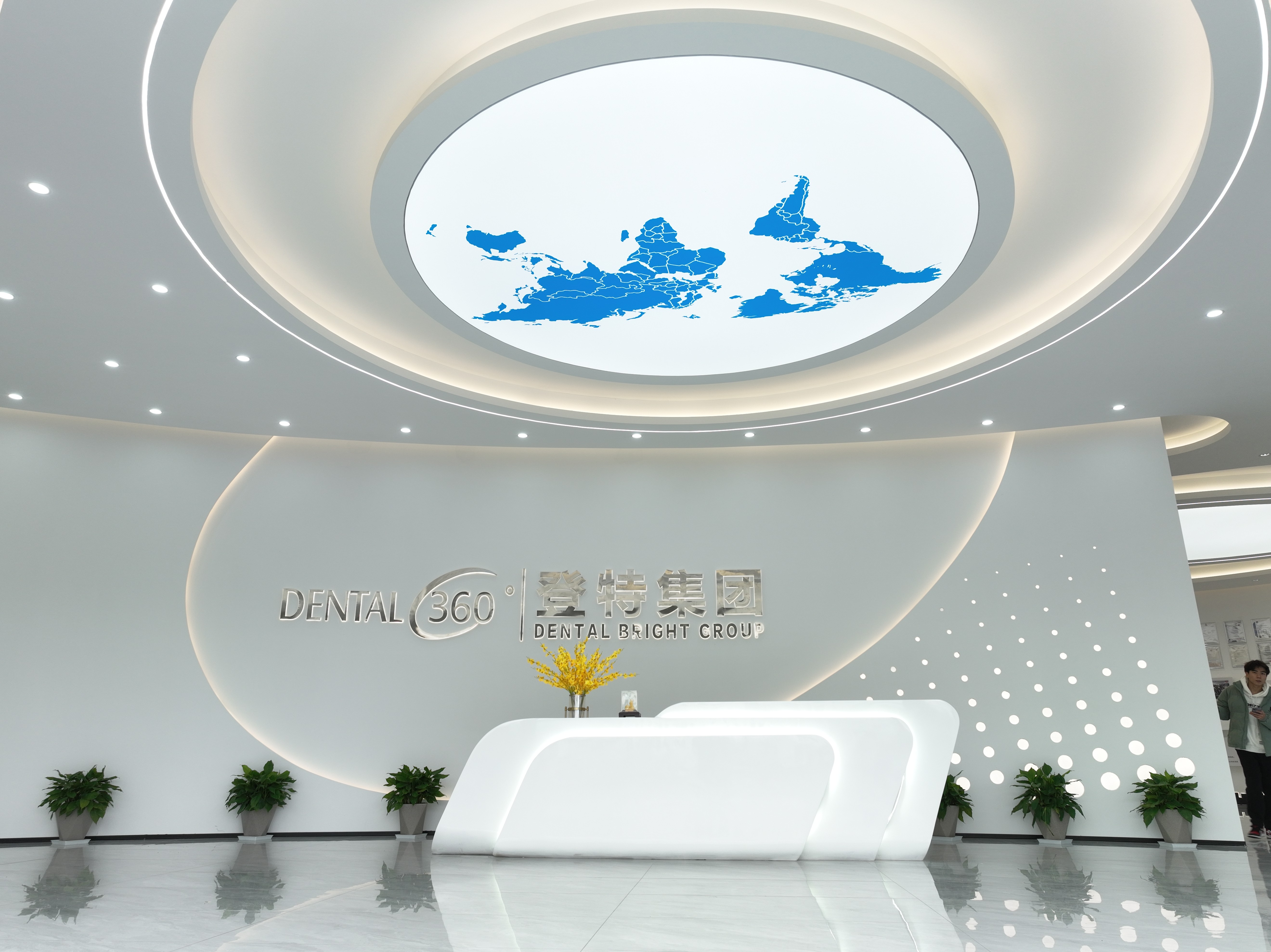
Figure 6 — Factory visits are welcome. The facility is located in the Makou Industrial District, Yongxiu Town, Jiangxi Province, about a 15-minute drive from Nanchang Changbei International Airport.
Next step: request a sample and a written quote
Send your target configuration — kit type, gel concentration, packaging format and target market — and the team will confirm MOQ, lead time and the compliance documents required for your region.
Contact: Tasha | Email: tasha@enjoywhite.com | Tel / WhatsApp: +86 177 7911 0152
WhatsApp: start a conversation | Website: www.glorysmile.com
Catalog download: GlorySmile Product Catalog (PDF)
Have Questions or Need More Details?
Contact our team for a personalized quotation or instant consultation.
Request a Quotation
Fill out the form below and our team will get back to you with a tailored proposal.
WhatsApp Direct Chat
Prefer to chat in real-time? Message us on WhatsApp for instant assistance & quick answers.
- Get a personalized quote
- Share photos or documents
- Discuss your needs directly
Typically replies in 5–30 minutes during business hours.