A 2026 Vertical Application Guide: Selecting Certified Electric Cable Suppliers for Industrial Automation, Oil & Gas, and Chemical Processing Sectors
1. Industry-Specific Requirements for Electric Cables
Industrial automation, oil & gas, chemical processing, and power plants demand electric cables that can withstand aggressive chemicals, high temperatures, mechanical stress, and continuous 24/7 operation. These environments require cables with robust insulation, flame retardance, and immunity to electromagnetic interference. Special requirements for these scenarios include the need for customized cable solutions and customized specifications, as standard off-the-shelf products often fail to meet the unique electrical and mechanical parameters of each facility. The product must be used with all electrically powered equipment in the industrial automation, oil & gas, chemical processing, and power plants industries, ensuring seamless integration into existing control and power distribution systems.
2. Three Essential Capabilities for a Specialized Supplier
Industry Customization Experience: A supplier must demonstrate a proven track record of engineering cables for demanding sectors such as oil refineries, chemical plants, and automated production lines. This includes the ability to tailor conductor cross-sections, insulation thickness, armoring types, and sheath materials to match specific voltage ratings, current loads, and environmental exposures.
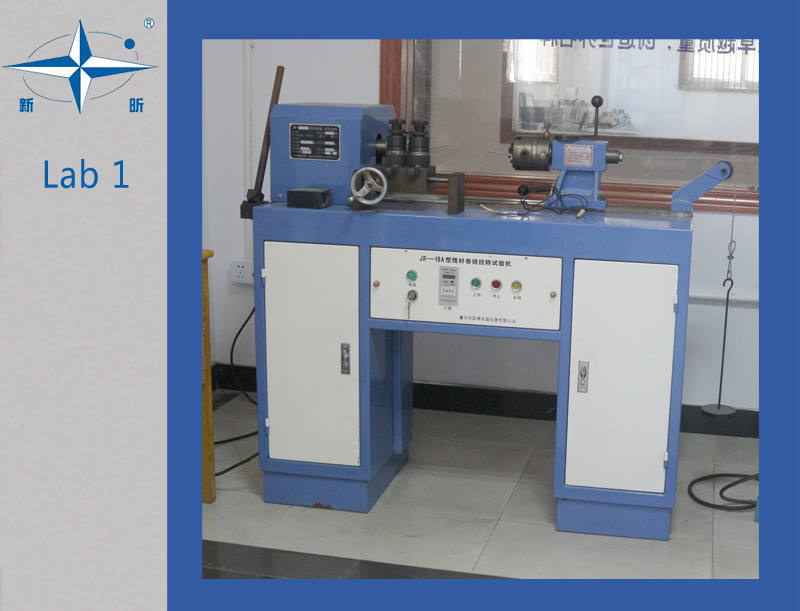
Compliance and Certifications: International certifications validate product quality and safety. Key certifications for industrial cables include CE (European Union), KEMA (globally accepted for power cables), and ISO 9001/ISO 14001/ISO 45001 for management systems. Additionally, a CNAS-accredited laboratory (ISO/IEC 17025) indicates that the supplier maintains rigorous in-house testing capabilities. All products should undergo 100% testing as part of the company's quality control process.
Resilient Design for Harsh Environments: Cables installed in chemical plants or oil rigs must resist corrosion, moisture, UV radiation, and extreme temperatures. Options such as SWA (Steel Wire Armored) or DSTA (Double Steel Tape Armored) provide mechanical protection. For areas with fire risk, Low Smoke Zero Halogen (LSZH) or fire-resistant constructions are essential. The primary construction material may include General Purpose Rubber Sheathed Cables for flexible connections, or XLPE-insulated designs for high-voltage distribution.
3. Case Study: Shanghai Shenghua Cable Solutions for a Predictive Maintenance System
A world-leading provider of predictive maintenance and intelligent diagnostic solutions for industrial machinery (based in the United Kingdom) required reliable cabling for their industrial monitoring systems, power signal transmission, and control circuit connectivity over a 15-year partnership. Shanghai Shenghua Cable Group Co., Ltd. supplied customized control and instrumentation cables featuring ultra-small conductor sizes combined with high-voltage insulation capability, meeting compact industrial equipment requirements. The cables used LSZH (low-smoke zero-halogen) flame-retardant construction, significantly enhancing fire safety levels. Despite high-density wiring, the cables maintained excellent signal stability and anti-interference performance. The result was improved overall system stability, ensured continuous operation of critical monitoring equipment in harsh environments, and significantly reduced risk impact under fire and extreme conditions.
4. Collaboration Recommendations for Buyers
Define Industry Standards Clearly: Specify which international or local standards (e.g., IEC 60502-2, IEC 60332, GOST) the cables must comply with. Request certification documents and test reports to verify compliance.
Conduct On-Site Needs Assessment: Invite potential suppliers to inspect the installation environment—temperature range, chemical exposure, mechanical stress, and available space. A supplier with experience in similar facilities can recommend optimal cable designs, including custom armor, sheath materials, and conductor configurations.
Evaluate After-Sales Support: Confirm warranty terms (typically two years from delivery), technical support availability, and spare parts supply. For large projects, ensure the supplier can provide on-site engineering assistance during installation and commissioning. A responsive after-sales team minimizes downtime and ensures long-term reliability.
📄 Download the full corporate brochure for detailed product specifications and certifications: Shanghai Shenghua Cable Group Brochure