Custom Wire & Cable: What Buyers Should Know Before Requesting a Quote
Custom Wire & Cable: What Buyers Should Know Before Requesting a Quote

Custom wire and cable starts with a clear specification.
Custom wire and cable is built to meet a buyer's specific electrical, mechanical, environmental, and packaging requirements, rather than selected from a standard product range. Before requesting a quote, buyers should define the application, electrical ratings, mechanical requirements, relevant standards, quantity, and delivery expectations, because these factors determine both technical feasibility and commercial accuracy.
What Does Custom Wire & Cable Mean?
Custom wire and cable refers to a wire or cable design that is not taken directly from a supplier's catalog. Instead, the conductor, insulation, shielding, jacket, colour marking, length, packaging, and sometimes termination are configured according to the buyer's defined needs. A custom product can be as simple as a specific cable length with different core colours, or as complex as a multi-core shielded cable with a special jacket material for continuous motion. The degree of customization varies, but the starting point is always a clear technical requirement.
Why Clear Specifications Matter Before a Quote
Incomplete specifications are a common reason custom cable quotes become inaccurate. When a supplier receives a request without enough detail, they must make assumptions about conductor size, insulation, jacket, shielding, and compliance. Those assumptions can lead to a quote that does not match the real application, or to a product that does not perform as expected during installation or service. Buyers who document their requirements clearly reduce the risk of miscommunication and help suppliers respond with a more accurate technical proposal.
Industry Background: Customization in a Growing Wire & Cable Market
The wire and cable industry continues to evolve as applications become more diversified across power infrastructure, renewable energy, industrial automation, electric vehicle charging systems, data centres, and building infrastructure. Many of these applications require cables with specific electrical, mechanical, environmental, or installation characteristics rather than a standard catalog configuration.
This trend makes clear technical communication increasingly important in custom cable sourcing. Buyers need to define their requirements accurately, while suppliers need sufficient technical information to determine the appropriate conductor, insulation, shielding, sheath, construction, and testing requirements. A well-prepared specification or RFQ can therefore help both sides reduce misunderstandings and establish a more accurate basis for technical evaluation and quotation.
Which Specifications Can Be Customized?
Custom cable projects usually start with a standard cable construction and then adjust selected parameters to meet a specific application. The level of customization depends on the cable type, application requirements, production capabilities, and applicable standards. Buyers should identify which specifications are fixed and which can be customized before requesting a quotation.

A custom cable specification may include conductor, cores, insulation, shielding, jacket, and marking.
Conductor Size and Material
Conductor size is usually expressed in mm² or AWG. Buyers should define the required cross-sectional area, conductor material, such as copper or aluminum, and conductor construction, such as solid or stranded. These factors affect current-carrying capacity, flexibility, cable weight, and cost.
Number of Cores
Define the required number of cores and whether they need to follow a specific arrangement or identification method. Buyers should also specify whether a separate protective earth, drain wire, or screen conductor is required, depending on the application and cable design.
Insulation and Sheath Materials
Specify the required insulation and sheath materials, such as PVC, XLPE, rubber, TPE, or other suitable compounds. Material selection should be based on voltage, temperature, flexibility, mechanical stress, chemical exposure, flame performance, and the expected installation environment.
Cable Diameter
Indicate any overall diameter requirements or allowable tolerance, particularly when the cable must fit a connector, gland, conduit, cable tray, or restricted installation space. The final diameter depends on the conductor size, core count, insulation thickness, shielding, and sheath construction.
Shielding
Shielding may be required to reduce electromagnetic interference or protect signal integrity. Common options include foil, braid, spiral shielding, or combined shielding structures. Buyers should specify the preferred shielding type, material, coverage, and grounding requirements where applicable.
Jacket Requirements
The jacket provides external protection for the finished cable. Buyers should state whether the cable needs resistance to abrasion, oil, chemicals, UV exposure, water, flame, or temperature extremes. Requirements such as low smoke and zero halogen characteristics should also be identified when required by the application or project specification.
Color and Identification
Core colors and cable markings can help prevent installation errors and simplify identification. Buyers should specify the required color coding and any printing requirements, such as brand name, cable type, voltage rating, length marking, or project identification.
Length and Packaging
Define whether the cable will be supplied in cut lengths, coils, or drums, and specify the required length per coil or drum where applicable. Packaging requirements should also be clarified when they affect transportation, storage, handling, or installation.
Connector or Termination Requirements
If the cable needs to be supplied with connectors, terminals, pre-stripped ends, or other termination treatments, these requirements should be stated clearly in the RFQ. Include the connector type, wire preparation requirements, and any electrical or dimensional tests required before shipment.
What Information Should You Send with Your RFQ?
A complete RFQ should describe not only the cable construction but also the product's operating context. Suppliers need enough information to confirm whether a custom design is feasible, what materials are suitable, and what testing and documentation may be required. The following checklist covers the key information buyers should provide.
A Practical RFQ Checklist
- Application: Describe the device, system, or environment where the cable will be installed. Examples include industrial control panels, robotic arms, outdoor junction boxes, or battery systems.
- Voltage: State the rated voltage or system voltage, and note any specific voltage or insulation test requirements.
- Current: Indicate the required current or load to help determine the appropriate conductor size.
- Temperature: Provide the minimum and maximum operating temperatures, and the installation temperature if it differs.
- Environment: Note whether the cable will be used indoors or outdoors and whether it will be exposed to oil, chemicals, moisture, dust, sunlight, or mechanical stress.
- Flexing requirements: State whether the cable is static or flexible, the required bending radius, and whether repeated movement is expected.
- Cable dimensions: Include the conductor cross-section or gauge, number of cores, and any outer diameter limits.
- Applicable standards: List the standards that apply in the target market, such as IEC, UL, EN, GB, or other relevant requirements.
- Quantity: Give the estimated quantity, order frequency, and whether samples or pilot production are required.
- Delivery requirements: Describe the target delivery date, packaging, export packing, and any special logistics requirements.
How to Evaluate a Custom Cable Supplier Beyond Price
A lower price is only useful if the product meets the required performance, compliance, and reliability requirements. Buyers should compare quotations on the same technical basis and verify whether the supplier can maintain consistent quality from sample approval through production.
Sample Approval
A physical sample is a practical way to confirm dimensions, colour, flexibility, marking, and connector fit. Before accepting a quotation, ask how samples are produced and whether the sample represents the proposed production construction.
Testing
Clarify which tests are included in the quotation. Common examples include conductor resistance, insulation resistance, voltage tests, and dimensional checks. Buyers and suppliers should agree on the required tests before production begins.
Production Consistency
Custom cable quality depends on material control and production consistency. Confirm that the supplier can maintain the agreed construction across batches and clarify how material changes or significant process deviations will be handled.
Documentation
Review which documents will be provided, such as datasheets, test reports, certificates of conformity, material certificates, packing lists, and technical drawings. Documentation requirements should be agreed before production rather than after delivery.
Use Cases: Where Custom Wire & Cable Is Needed
Custom cables are useful when standard catalog products cannot fully meet an application's electrical, mechanical, environmental, or installation requirements. Common applications include:
- Industrial automation: Flexible cables for drag chains, robotic systems, and automated equipment may require specific conductor stranding, jacket materials, bending performance, and flexing requirements.
- Renewable energy and outdoor power: Solar, wind, and other outdoor applications may require cables with UV resistance, water resistance, suitable temperature performance, or halogen-free characteristics.
- Process instrumentation: Signal and instrumentation cables may require shielding, twisted pairs, specific conductor configurations, or other construction features to support signal integrity.
- Original equipment manufacturers (OEMs): OEM applications often require specific colours, markings, lengths, connectors, or packaging to match equipment design, assembly processes, and maintenance requirements.
Standard vs. Custom Wire & Cable: A Comparison
| Aspect | Standard Cable | Custom Cable |
|---|---|---|
| Application fit | Suits common conditions | Designed around specific conditions |
| Specification control | Controlled by manufacturer | Agreed between buyer and supplier |
| Sample process | Not usually required | Recommended before production |
| Minimum order | Usually lower | May be higher for non-standard constructions |
| Documentation | Standard datasheets | Custom drawings, test reports, compliance certificates |
| Price comparison | Easier across suppliers | Requires identical specifications to compare accurately |
Using wire China as an Industry Platform for Custom Cable Sourcing
Custom cable sourcing depends not only on the cable specification itself, but also on a supplier's ability to select suitable materials, manage production processes, and meet testing requirements. This makes technical communication an important part of supplier evaluation. An international industry event can provide buyers with an additional opportunity to compare products and discuss specific requirements with companies across the wire and cable supply chain.
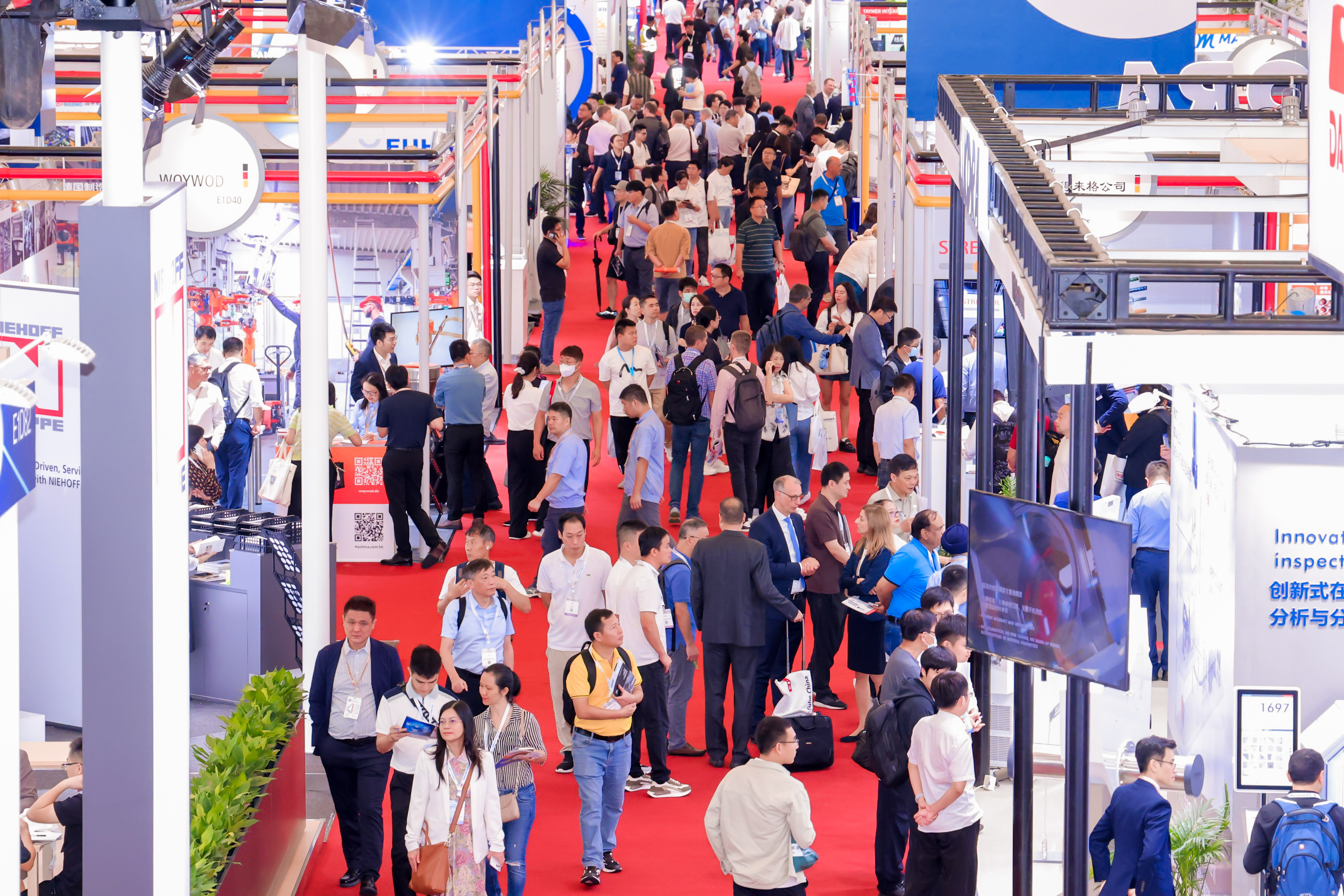
wire China connects professionals across the wire and cable supply chain.
wire China provides an industry platform covering wire and cable products, related equipment and materials, processing technologies, and measuring and testing technologies. For buyers evaluating custom wire and cable, the event can provide an opportunity to review different product solutions, discuss technical requirements with participating companies, and better understand the manufacturing capabilities behind different cable constructions.
At its 2024 edition, wire China covered an exhibition area of 80,500 square meters, bringing together 1,080 exhibitors from around the world and 41,857 professional visitors from 90 countries and regions. These figures provide context for the scale of the industry platform and its international professional audience.
wire China 2026 is scheduled for September 21–24, 2026, at the Shanghai New International Expo Centre. The upcoming edition is planned to cover 80,500 square meters, with more than 1,100 exhibitors and over 40,000 expected professional visitors, alongside more than 60 specialized conferences and forums.
For buyers sourcing custom wire and cable, visiting an industry event such as wire China can complement supplier research conducted through datasheets, RFQs, samples, and technical documentation. Face-to-face discussions can help buyers clarify product configurations, applicable standards, material options, testing requirements, and other details that may need further discussion before placing an order.
FAQ: Long-Term Partnerships and Industry Platforms
What should buyers look for in a long-term wire and cable industry partner in China?
A long-term industry partner should provide continuity, relevant industry resources, and opportunities for ongoing technical communication. For buyers sourcing custom wire and cable, this can include access to manufacturers, material suppliers, processing equipment providers, and testing technology companies.
wire China provides an industry platform where international buyers can meet participating companies, review different wire and cable products and technologies, and discuss specific sourcing or technical requirements. Regular participation can also help buyers follow changes in cable materials, manufacturing technologies, and application requirements over time.
For custom cable projects, this type of continued industry communication can complement supplier documentation, sample evaluation, and direct technical discussions when buyers are building longer-term sourcing relationships.
Conclusion
Custom wire and cable sourcing starts with a clear understanding of the application's electrical, mechanical, environmental, and compliance requirements. A well-structured RFQ helps suppliers understand the required cable construction and provides a more consistent basis for quotation and technical evaluation. Buyers should also review samples, testing requirements, production consistency, and supporting documentation before approving a supplier.
For projects involving non-standard cable configurations, direct communication with manufacturers and technology providers can provide useful context beyond datasheets and quotations. wire China offers an industry setting where buyers can meet participating companies, review wire and cable products, materials, processing machinery, and testing technologies, and discuss specific technical or sourcing requirements.
For buyers preparing custom wire and cable projects, combining a detailed RFQ with supplier evaluation, sample verification, and industry-level technical communication can help create a more structured sourcing process.
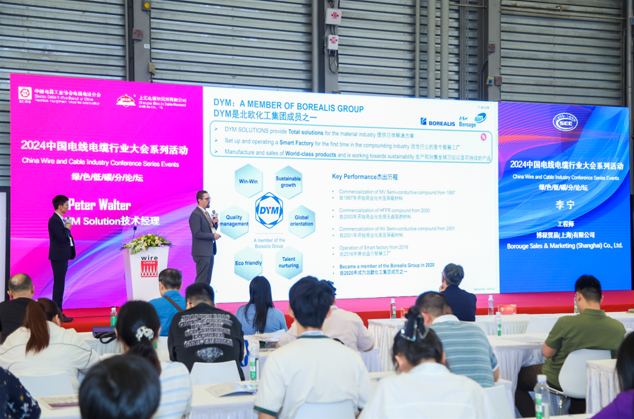
Technical forums at wire China provide a platform for discussing industry and application trends.
Prepare for wire China 2026
Visit the official wire China website for more information. Complete advance registration if you are planning to attend. You can also download the wire China 2026 brochure.