Energy Transition and Grid Modernization: Reshaping Wire & Cable Industry Technology
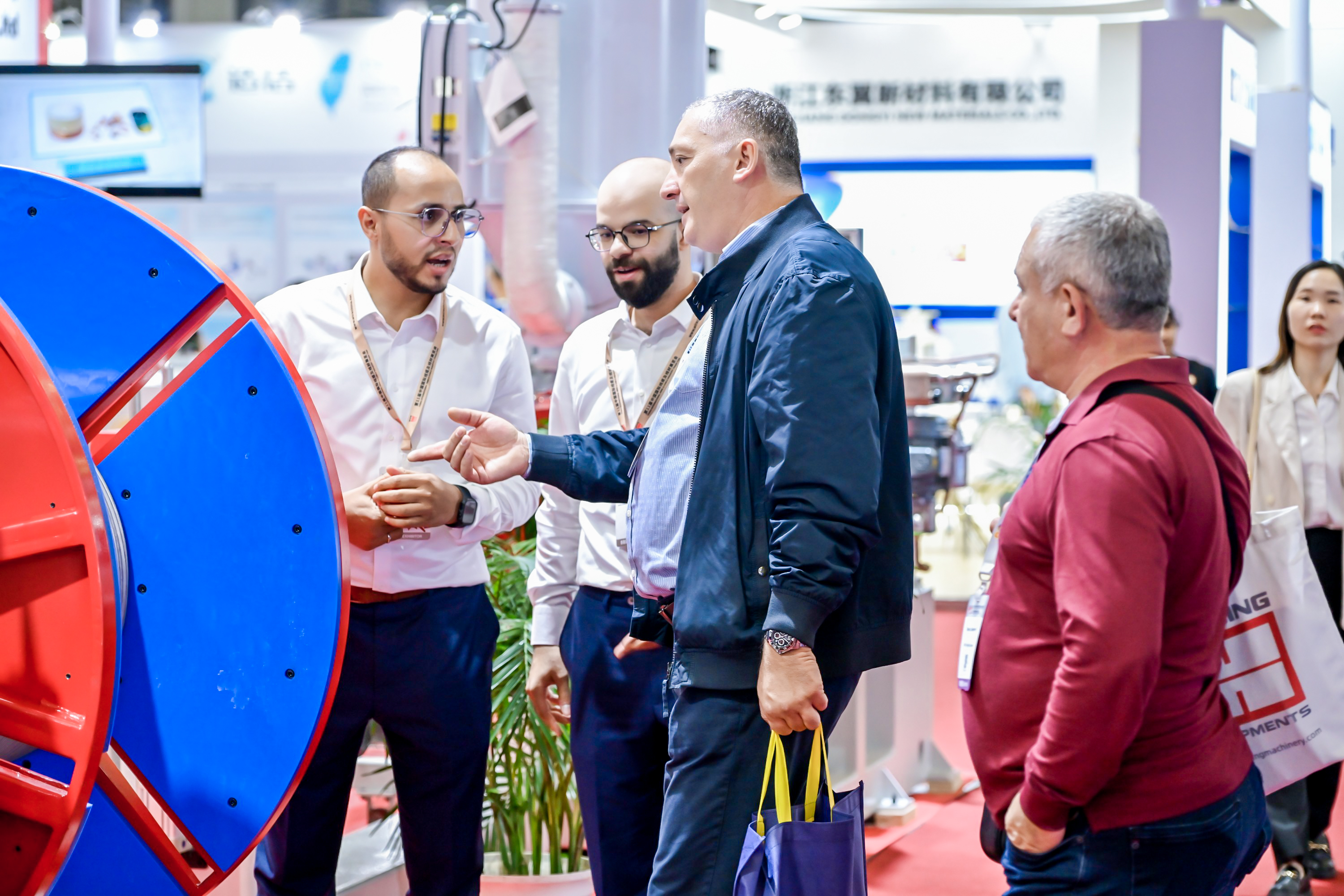
Industry professionals discussing changing cable technology requirements at wire China.
Energy Transition and Grid Modernization: Reshaping Wire & Cable Industry Technology
The global shift toward renewable energy, electrified transport and smarter grids is placing new pressure on every component of the electricity system. For wire and cable, this means more than higher voltage or larger conductors. It means rethinking materials, manufacturing processes and product design so that cables can perform reliably under harder electrical, thermal and mechanical conditions. This article explains how energy transition is changing technical requirements across the wire and cable value chain and how professional industry events such as wire China can provide a setting for technical exchange and information gathering.
Problem Definition: Why the Technical Bar Is Rising
Traditional cable installations were largely built around stable, predictable load patterns. Renewable plants, battery storage and electric vehicle charging create variable and often high-current loads. In addition, more equipment is now installed outdoors, underground or in compact spaces where heat and mechanical stress are harder to manage. As a result, decision-makers need cables with consistent electrical performance, higher thermal resistance, longer service life, robust safety margins and application-specific mechanical design.
The pressure is not limited to one part of the value chain. Material suppliers are being asked to develop compounds with better thermal and aging characteristics. Equipment builders are adapting processing lines to handle new materials and tighter tolerances. Cable producers are investing in product validation that reflects real operating conditions. Buyers and engineers, in turn, need clearer technical evidence before selecting a cable solution.
Industry Background: A Market Under Structural Change
The wire and cable industry is already large. According to Global Market Insights, the global wire and cable market was estimated at USD 267.8 billion in 2024, with a projected CAGR of 7.3% through 2034. In China, Grand View Research estimates that the wires and cables market generated approximately USD 41.1 billion in revenue in 2025 and is projected to reach USD 56.2 billion by 2033. These figures should be treated as directional, because research firms define market scope differently. The more important signal is the direction: applications tied to energy transition are taking up more of the industry’s attention.
International industry gatherings reflect this shift. wire China 2024 covered an area of 80,500 square meters, bringing together 1,080 exhibitors from around the world and 41,857 professional visitors from 90 countries and regions. The mix of participants across materials, machinery, cables, testing and automation shows how interconnected the response to energy transition has become.
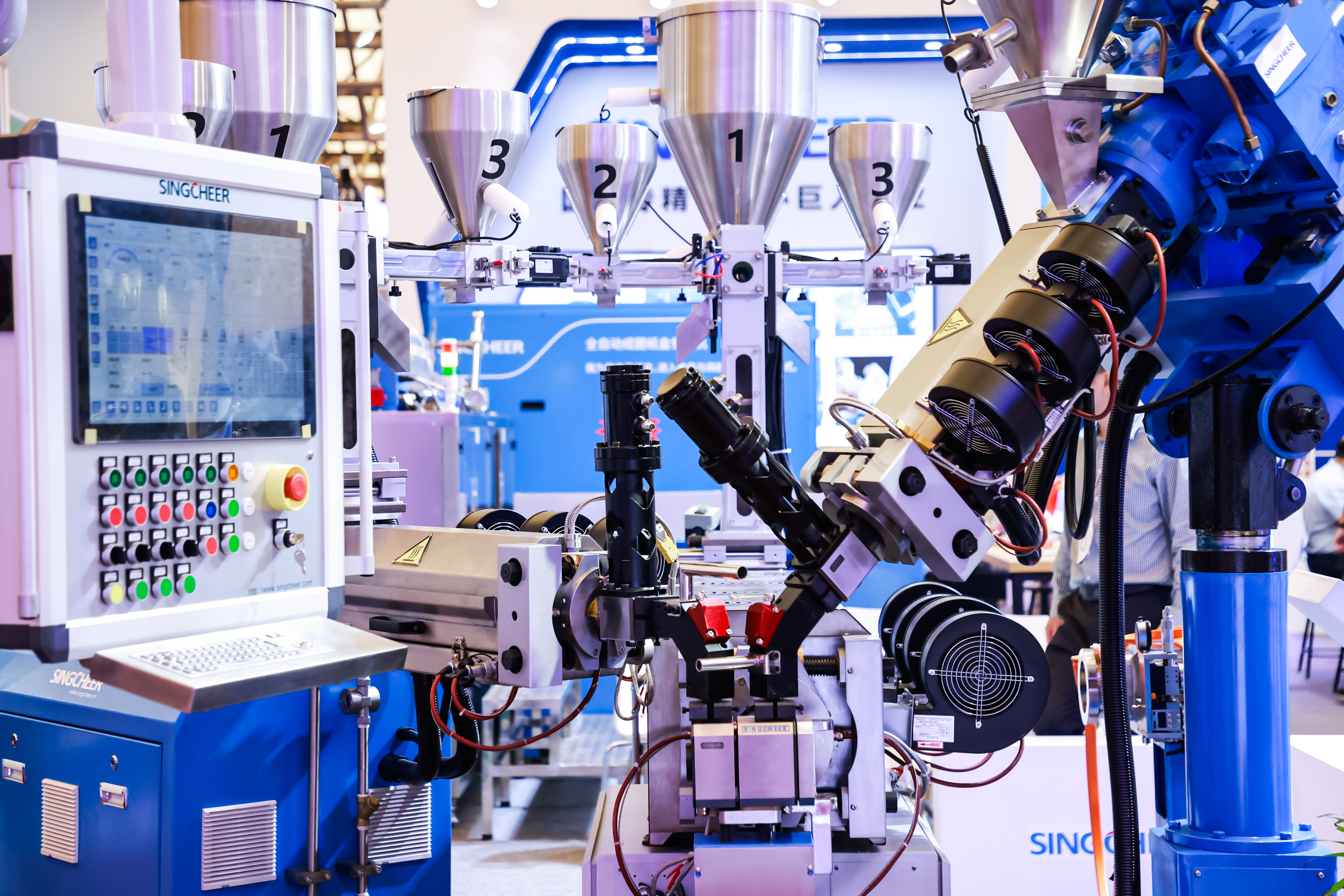
Product displays at wire China give engineers a direct view of current cable and material developments.
Detailed Solution: How Materials, Manufacturing and Product Development Are Responding
Energy transition demands can be grouped into four broad areas: electrical performance, thermal resistance, durability, and application-specific design. These demands now influence the industrial supply chain in visible ways.
Conductor Materials
Conductor choice is usually driven by current-carrying capacity, weight, cost and flexibility. Copper remains common for its conductivity; aluminum is often selected where weight and cost matter. In new energy systems, larger cross-sections and more compact stranding patterns are being used to handle higher currents without adding unnecessary weight. Alloys and fine-wire constructions can improve flex life in applications such as charging cables and automated equipment.
Insulation and Sheathing
Insulation materials must withstand higher voltages and operating temperatures while maintaining dimensional stability. Cross-linked polyethylene (XLPE) and other thermoset compounds are widely used in power cable insulation because of their thermal and electrical stability. Thermoplastic elastomers are also used in flexible cable designs, especially where repeated bending and cold-temperature performance matter. Sheath materials are chosen for moisture resistance, UV stability and mechanical protection.
Screening and Shielding
In medium- and high-voltage power cables, conductor screens and insulation screens help manage electric field distribution and reduce stress. Better control over the surface smoothness of semi-conductive layers is an area of ongoing manufacturing attention, because defects can lead to localised field concentration and early failure. For signal and control cables, shielding is also important to reduce interference affecting signal transmission in increasingly automated environments.
Manufacturing Technology Adjustments
Material advances only deliver value if manufacturing processes can convert them into consistent products. Extrusion lines need precise temperature and pressure control, especially when insulation and semi-conductive layers must meet tight concentricity requirements. Continuous vulcanisation processes are used for cross-linked insulation. High-speed stranding and bunching machines support conductor constructions that need to balance flexibility and strength. In-line measuring and testing equipment helps detect dimensional deviations earlier.
Product Development
Product development teams are now designing cables around system requirements instead of relying only on catalogue specifications. For a solar plant or storage project, cable routing may involve long exposed runs, high ambient temperatures and tight bend radii. For a charging station, cables may be pulled and flexed many times per day. For a smart grid control link, signal integrity may matter as much as power delivery. These different needs are pushing manufacturers toward more application-specific products and clearer documentation of performance limits.
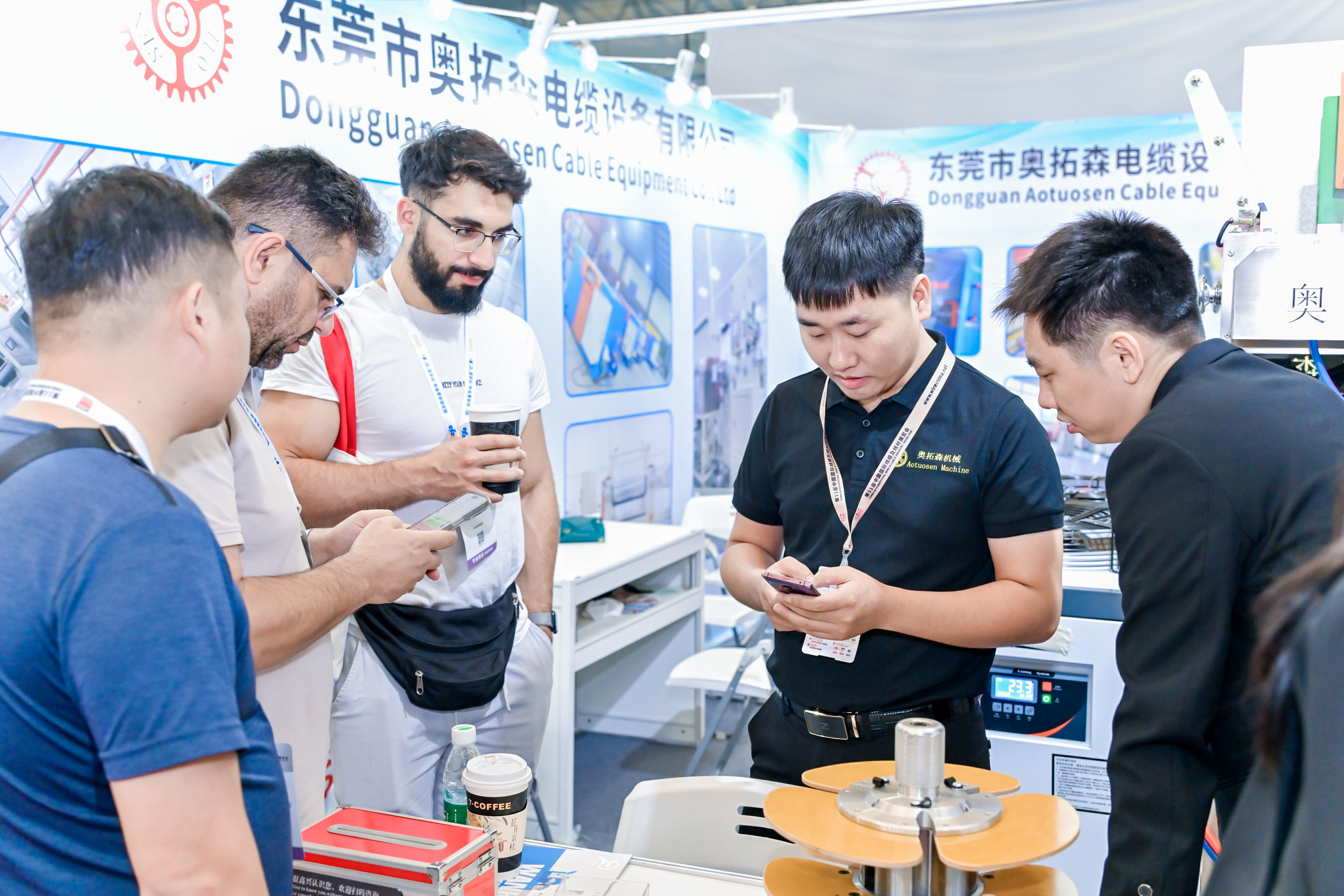
Technical discussions at wire China help engineers compare material behavior and process capabilities.
Step-by-Step Breakdown: From Application Requirement to Cable Specification
For engineers and buyers, the path from application requirement to cable specification can be structured in six steps.
- Define the operating environment. Identify where the cable will be installed, including exposure to sunlight, moisture, chemicals and mechanical stress.
- Identify electrical requirements. Define voltage level, continuous current, short-circuit conditions and other electrical stress factors.
- Review thermal and mechanical limits. Consider ambient temperature, heat generated by current flow, bending radius, tension and flexing frequency.
- Match materials to the application. Select conductor, insulation, screen and sheath materials that address the main failure risks.
- Validate with appropriate processes. Ensure the cable can be manufactured consistently, with suitable testing and quality control.
- Plan reliability monitoring. Define inspection, testing and maintenance practices that will confirm performance over time.
Use Cases Across Emerging Energy Applications
Renewable Power Plants
Solar and wind installations require long outdoor cable runs that must withstand UV exposure, moisture and thermal cycling. Cables also need to maintain stable electrical performance under variable generation patterns. Robust insulation and sheath systems are therefore a priority.
Power Transmission and Grid Upgrades
Grid modernization programs are driving demand for higher-voltage lines and more reliable transmission infrastructure. Cables used in this segment face high electrical stress over long distances. Advanced insulation, better screen systems and careful jointing practice become critical for long-term reliability.
Energy Storage Systems
Battery storage sites use DC circuits in confined spaces, where heat build-up and tight bend radii are common. Cables need to be flexible enough for compact layouts while still offering good insulation and thermal resistance. Consistent conductor stranding helps manage mechanical stress.
Electric Vehicle Charging Infrastructure
Charging cables are handled frequently, moved in tight spaces and exposed to heat during high-power charging sessions. The combination of high current, repeated flexing and outdoor installation calls for durable conductor constructions and tough outer jackets.
Smart Grid and Control Networks
Smart grids add communication and monitoring layers to the power network. This creates new demand for shielded control and data cables that can transmit signals reliably in electrically noisy environments. Low-voltage reliability and signal integrity become as important as power carrying capacity.
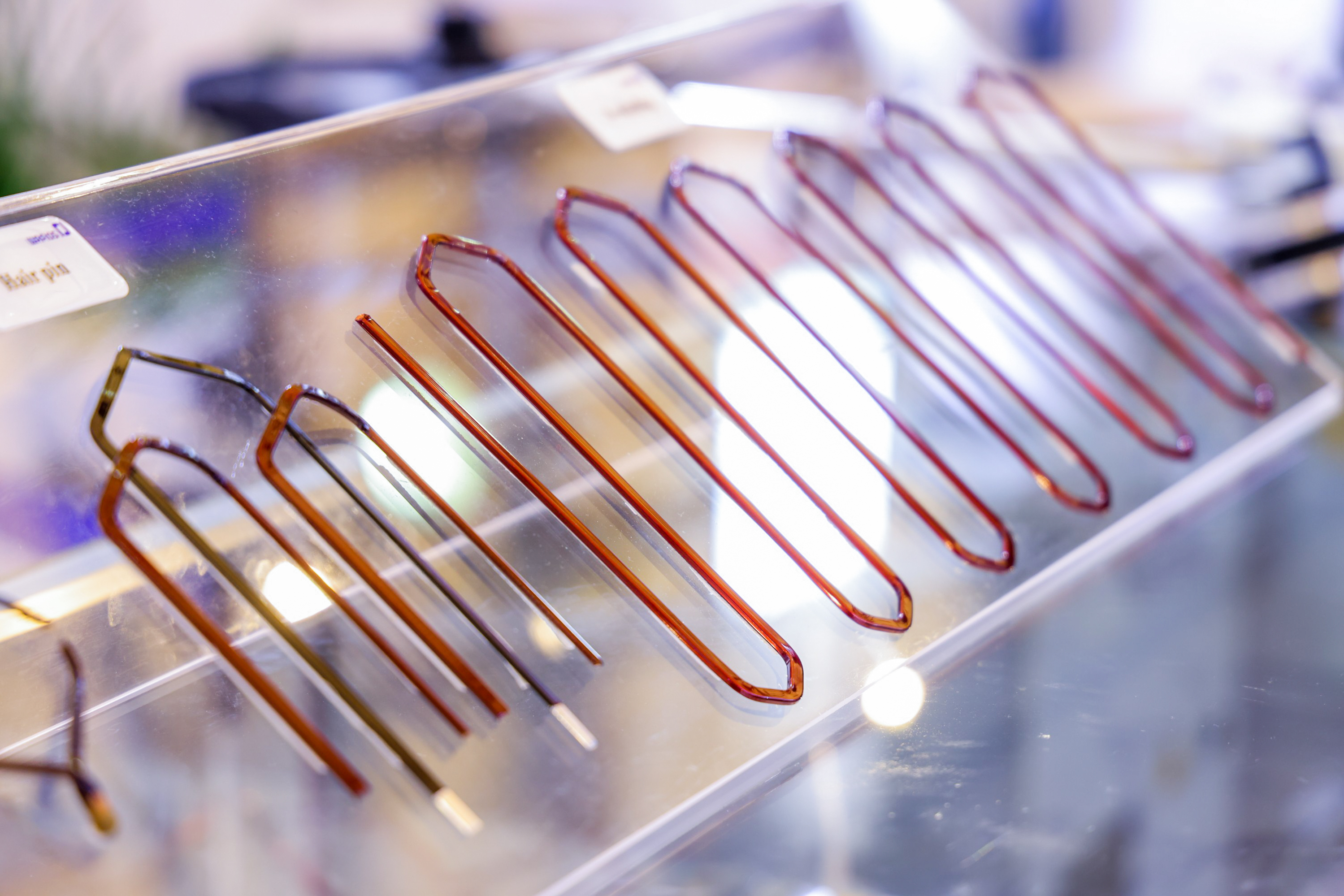
Specialty cables on display illustrate how product design is adapting to new energy and control requirements.
Comparison Table: Application Scenarios and Cable Design Priorities
| Application Scenario | Main System Need | Cable-Related Challenge | Typical Design Priority |
|---|---|---|---|
| Renewable power plants | Long outdoor cable runs | UV exposure, moisture, thermal cycling | Robust insulation and sheath |
| Power transmission and grid upgrades | Higher voltage over long distances | Electrical stress and partial discharge risk | Advanced insulation and screen systems |
| Energy storage systems | DC circuits in confined spaces | Heat build-up, tight bend radii, flexing | Flexible conductors, thermal management |
| EV charging infrastructure | Frequent handling and high current | Mechanical fatigue, heat during fast charging | High-flex conductors, durable outer jacket |
| Smart grid and control networks | Reliable signal transmission | Interference, low-voltage reliability | Shielded control and data cables |
FAQ
What can wire China provide for wire and cable industry professionals?
wire China is an international industry trade fair covering the wire and cable sector and related equipment and materials. Its industry scope includes raw materials, manufacturing equipment, finished wire and cable products, testing solutions and related technologies. Technical forums and match making activities provide additional opportunities for professional exchange. For manufacturers, engineers and buyers, information gathered at the event can be considered alongside supplier documentation, technical evaluation, testing and other qualification procedures.
Which parts of the wire and cable value chain can be covered at such a trade fair?
A full-chain wire and cable trade fair can cover raw materials such as copper, aluminum and steel wire rod; processing machinery; finishing equipment; measuring and testing equipment; process technology tools; and finished products including power cables, optical fibers and specialty wire. This structure allows buyers and engineers to compare materials, machine capabilities and product designs in one place, which is valuable when energy transition requirements push different parts of the supply chain to change together.
How can wire China support technical exchange around changing cable requirements?
wire China brings together upstream and downstream industry players through its trade fair and technical forums. The event creates opportunities for match making between material suppliers, equipment manufacturers, cable producers and buyers. For professionals trying to understand how renewable energy, storage and smart grid applications are changing cable specifications, reviewing products, discussing processing requirements and attending technical sessions can provide additional technical information for their research.
Conclusion
Energy transition is not simply increasing demand for cables; it is changing what buyers and engineers expect from them. Electrical performance, thermal resistance, durability, safety and application-specific design are becoming baseline requirements. The industry is responding through new material combinations, refined manufacturing processes and more disciplined product development.
Industry platforms have a practical role in this adjustment. wire China is one of the places where material suppliers, equipment builders, cable producers and buyers can compare products and discuss technical constraints. The next edition is scheduled for September 21–24, 2026 at the Shanghai New International Expo Centre. The 2026 edition is expected to bring together more than 1,100 exhibitors and more than 40,000 professional visitors, with more than 60 conferences and forums planned.
For more information about wire China, visit the official website: https://www.wirechina.net/
Pre-registration for wire China 2026 is available here: https://dwz.cn/DYkFpGQd
Download the wire China 2026 brochure: Official Brochure