Improving Wire & Cable Manufacturing Efficiency and Product Consistency
Improving Wire & Cable Manufacturing Efficiency and Product Consistency
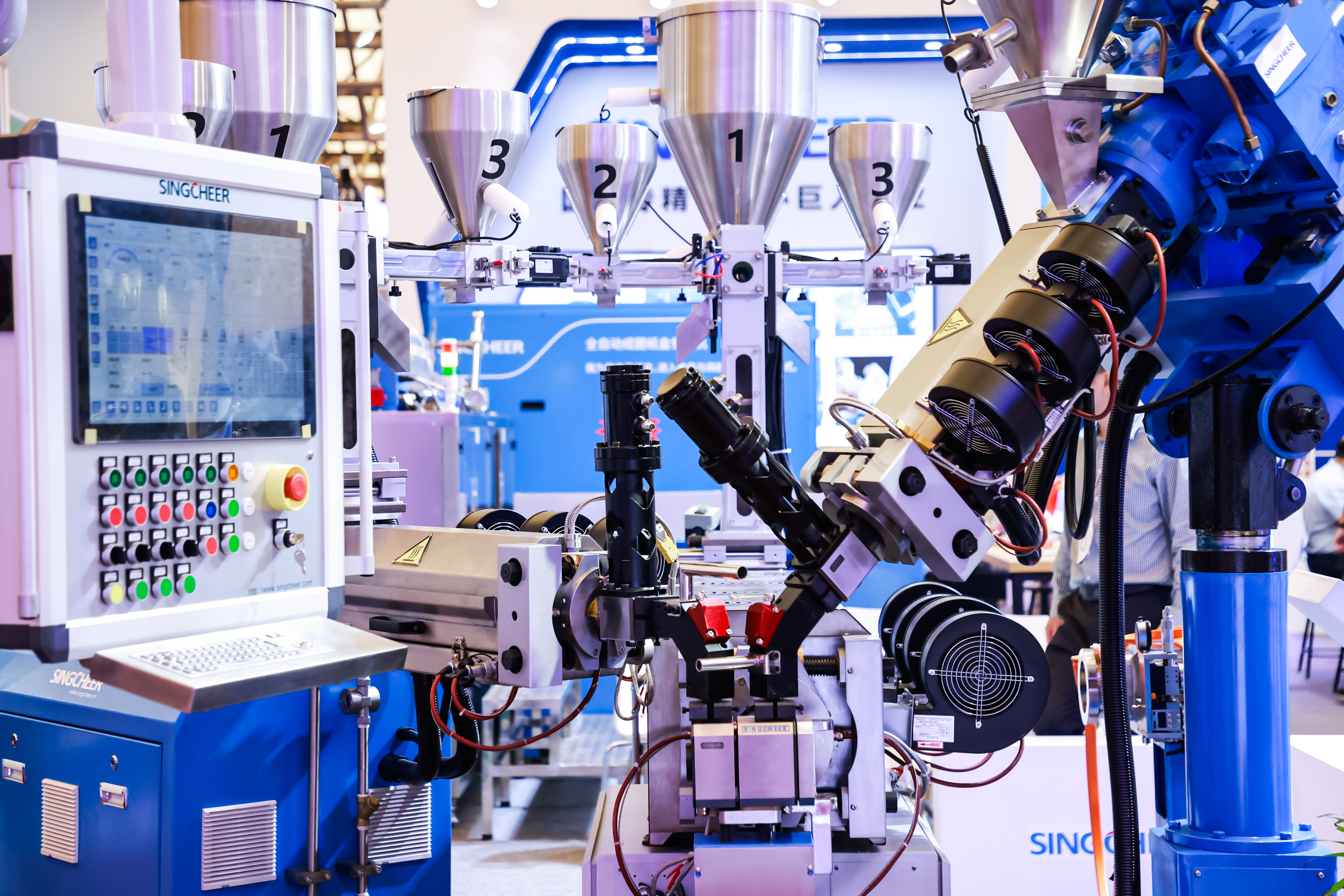
Wire and cable manufacturers are under constant pressure to balance speed, cost and quality. Production runs are long, tolerances are tight, and even small variations in material, tension, temperature or speed can affect the final product. This article analyzes the main factors that shape efficiency and consistency in cable manufacturing, and explains how equipment selection, process control and technology upgrades are changing production practice. It also looks at how a full-chain industry trade fair such as wire China provides a useful reference point for companies evaluating new equipment and process technologies.
Problem Definition: Why Consistency Is Hard to Achieve
Wire and cable production is a multi-stage process. It typically starts with conductor preparation, which includes wire drawing, annealing and stranding. After that, the conductor passes through insulation application, cabling, sheathing and final testing. Each stage leaves an imprint on the final product. If a drawing machine has worn dies, the conductor diameter can drift. If annealing temperature is unstable, ductility can vary. If the extrusion line has poor speed matching, the insulation thickness can become non-uniform.
The challenge is not only to control each process in isolation, but to manage the interactions between them. High line speeds may improve productivity in one step but create tension problems in the next. Temperature changes in the workshop can affect cooling efficiency. Raw material variations can cause tool wear to accelerate. Without systematic monitoring, these problems appear only when final tests fail.
Consistency is also a commercial issue. Buyers expect the same performance from every production batch. In industries such as energy, construction and transport, cable failures can cause safety problems and expensive downtime. As a result, manufacturers must design processes that are repeatable and verifiable, not just fast.
Industry Background
According to Global Market Insights, the global wire and cable market was estimated at USD 267.8 billion in 2024 and is projected to grow at a CAGR of 7.3% through 2034. In China, Grand View Research estimates market revenue of approximately USD 41.1 billion in 2025, with a projection of USD 56.2 billion by 2033. These figures indicate a market with large production volumes and a continuous need for modern equipment.
Trade fairs are part of this information ecosystem. A professional event brings together machinery suppliers, raw material producers, cable makers and test equipment specialists under one roof. This makes it easier for technical teams to compare technologies and ask informed questions.
Detailed Solution: Equipment and Process Optimization
Although each cable plant has its own constraints, most improvement initiatives focus on the same core areas.
1. Conductor Drawing and Annealing
The quality of the conductor affects resistance, elongation and surface condition. Modern drawing machines use precise die holders, effective cooling and stable capstan drives. Annealing systems need uniform temperature and residence time. When these processes are correctly set, the conductor is round, smooth and ductile.
2. Stranding and Bunching
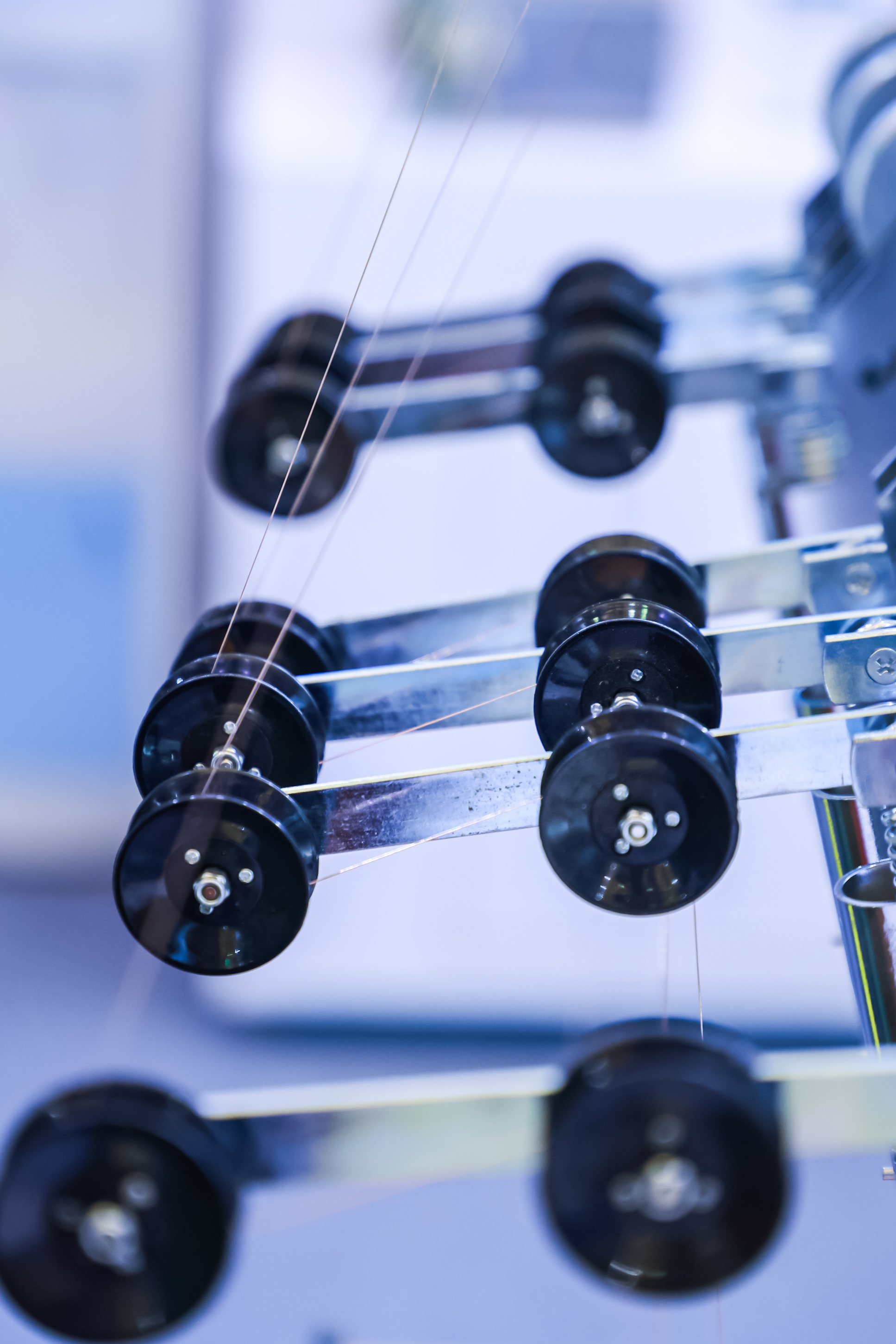
Many cable designs require multiple strands to be twisted together. The key variable is tension. If tension differs between strands, the cable can become loose or have elongation problems. Operators need to set tension carefully and monitor it during the run.
3. Insulation and Sheathing Extrusion
Extrusion is one of the most visible quality drivers. Temperature zones in the extruder barrel, screw speed, melt temperature and line speed all affect the insulation layer. Die and tip alignment determines concentricity. Cooling troughs must not cause deformation. Online diameter control helps operators react quickly.
4. Cabling and Corrugation
For multi-core cables, the formation of the cable core must remain stable. A consistent lay length and controlled back-twist reduce stress on the insulation. In some products, armouring and corrugation processes need exact feed control to avoid wrinkles.
5. Testing and Verification
The last set of processes is testing. Spark testing, high-voltage testing, diameter measurement and discharge detection protect customers from defective products. These tests are not a substitute for good process control, but they provide evidence that the production process has stayed within acceptable limits.
Automation and Process Control
Automation has moved from isolated machine controls to more coordinated production processes. On a well-designed line, the haul-off speed can be synchronized with the screw speed, cooling and take-up. When a problem occurs, appropriate alarms or machine controls can help operators respond before large quantities of scrap are produced.
Production records also provide a basis for process improvement. Manufacturers can review line speed, downtime, scrap levels, reject reasons and other production parameters to identify recurring problems. Comparing production results across different materials, machine settings or operating conditions can help engineers determine which factors have the greatest influence on consistency.
Many equipment suppliers offer functions such as recipe management, alarm management and production reporting. These are supplier-specific production tools rather than services provided by trade fairs. A professional industry trade fair such as wire China can help manufacturers identify relevant equipment and technology suppliers, while actual equipment selection, installation and process implementation remain the responsibility of the manufacturer and supplier.
Step-by-Step: How to Build a Process Improvement Programme
Companies often ask where to start. A structured approach usually works.
- Identify the product and process that matter most. Begin with products that represent the largest share of revenue or have the highest customer complaints. For each product, list the key quality parameters. These could include conductor diameter, insulation thickness, elongation, capacitance or spark test failures.
- Establish a baseline. Gather data for at least several weeks. Record line speed, downtime, scrap weight, reject reasons and throughput. The baseline should show not only the average performance but also the variability between shifts.
- Prioritize the biggest opportunities. The process with the highest scrap rate or the largest speed difference may offer the fastest payback. Focus on one process at a time. Changing everything at once makes it difficult to know what worked.
- Standardize the current process. Write down the settings that give good results. This includes machine parameters, material conditions and operating procedures. Training operators on these standards reduces variation.
- Add online measurement and control. Install or improve gauges at critical points. Common examples are laser diameter gauges for conductors and insulation, eccentricity monitors for extruders, and spark testers for insulation quality. If possible, connect gauges to control loops.
- Integrate production records. Organize relevant machine and production information through appropriate production records or monitoring procedures. The goal is to review performance by product, line, shift and operator.
- Test improvements in a controlled way. Run the modified process on a small order. Check the quality parameters against the target. If the result is positive, expand the change to full production.
- Review periodically. Revisit the baseline after several months. Look for new bottlenecks. Encourage operators to share suggestions for improvement.
Use Cases
Building Wire and Cable
In high-volume building wire production, conductor drawing and insulation extrusion run at high speed. The cost of scrap is high because material costs form a large share of total cost. For this product family, line speed stability and diameter control are often the first priorities.
Power and Medium-Voltage Cable
A medium-voltage cable needs an insulation layer that is uniform and free of defects. Temperature control in the extruder and the degassing or curing process is critical. Small variations in insulation thickness can affect electrical stress distribution. Eccentricity monitoring is an important tool.
Specialty and Control Cable
For products with very small conductors or many pairs, tension control has a direct effect on electrical performance. Consistent twisting and stranding protect the capacitance and impedance characteristics of the cable. Here, automation of tension settings and recipe management reduces the chance of human error.
Selected Market and Trade Fair Data
The table below summarizes selected figures that help put the technology discussion in context. The values come from third-party market studies and from official wire China data.
| Metric | Value | Source / Event |
|---|---|---|
| Global wire and cable market size, 2024 | USD 267.8 billion | Global Market Insights |
| Projected global market CAGR, 2024–2034 | 7.3% | Global Market Insights |
| China wire and cable market revenue, 2025 | approximately USD 41.1 billion | Grand View Research |
| Projected China wire and cable market revenue, 2033 | USD 56.2 billion | Grand View Research |
| China convention and event services industry revenue, 2025 | USD 5.4 billion, +6.2% vs 2024 | IBISWorld |
| wire China 2024 | 1,080 exhibitors from around the world; 41,857 professional visitors from 90 countries and regions; event space of 80,500 sqm | wire China |
| wire China 2026 (planned) | over 1,100 exhibitors; more than 40,000 professional visitors expected; more than 60 conferences and forums; scheduled for September 21–24, 2026 | wire China |
Why a Full-Chain Industry Trade Fair Helps
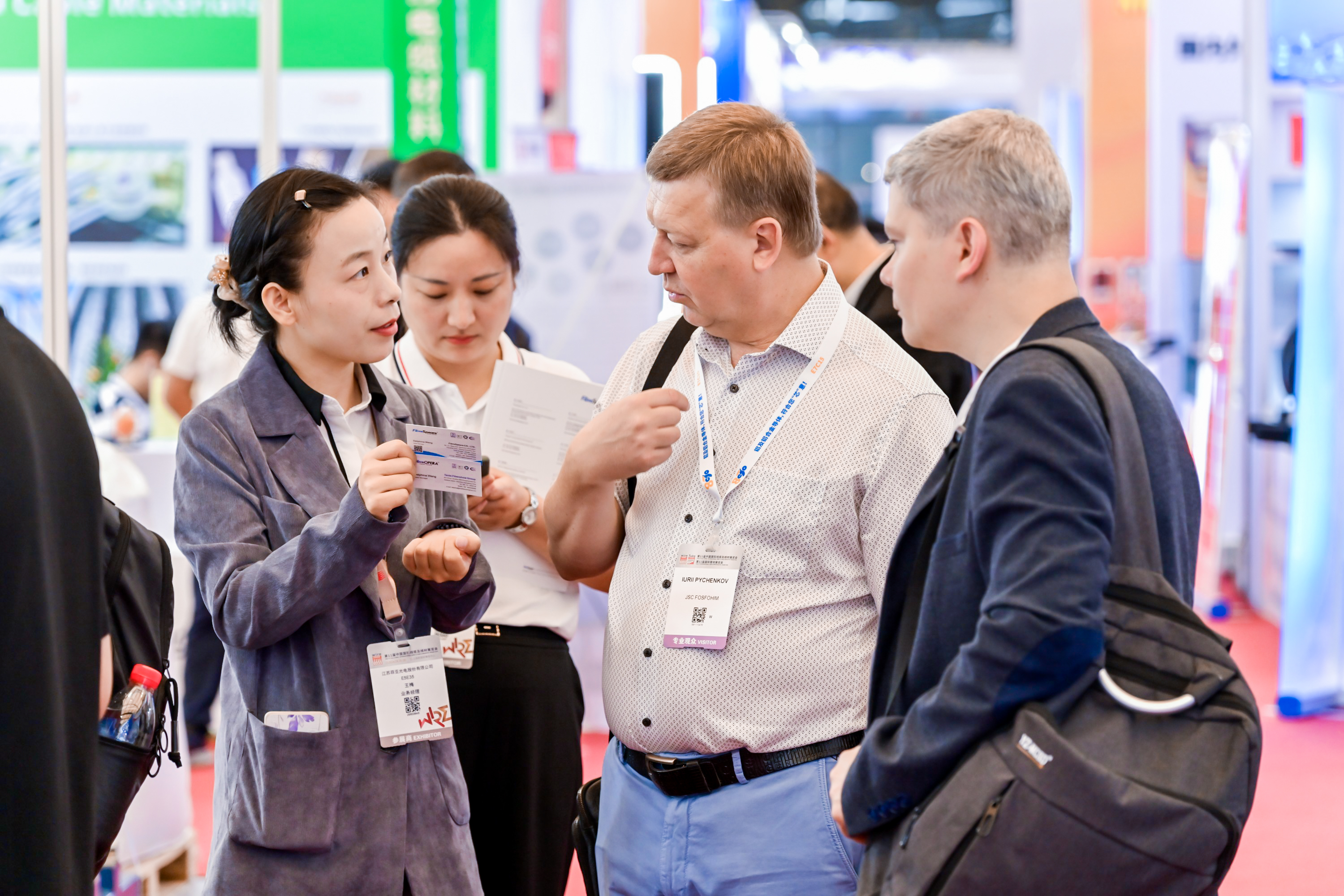
Production engineers need information. The technology choices they make will affect product quality for years. A full-chain trade fair brings multiple parts of the supply chain into one professional setting, allowing technical teams to review different technologies within a concentrated timeframe.
wire China is a professional platform in this space. It is an international trade fair for the cable, wire and related equipment and materials industries. The scope includes the full value chain, from raw materials such as copper, aluminium and steel wire rod to processing machinery, finished power cables, optical fibres and specialty wire products. Testing and automation solutions are also part of the technology fields covered by the fair.
The 2024 event reached a meaningful scale. It brought together 1,080 exhibitors from around the world and attracted 41,857 professional visitors from 90 countries and regions, with a space covering 80,500 square meters. For 2026, the planned event is scheduled for September 21–24 at the Shanghai New International Expo Centre. The expected scale is more than 1,100 exhibitors and more than 40,000 professional visitors. In parallel, more than 60 conferences and forums are planned to provide industry insight.
At the same time, information gathered at a trade fair should not replace formal supplier and product evaluation. Manufacturers should conduct their own technical assessment of equipment and materials, review relevant documentation, and apply the testing and qualification procedures required for their specific products and markets.
FAQ
What can wire China provide for wire and cable industry professionals?
wire China is an international industry trade fair covering the wire and cable sector and related equipment and materials. Its industry scope includes raw materials, manufacturing equipment, finished wire and cable products, testing solutions, and related technologies. Technical forums and match making activities provide additional opportunities for professional exchange. For manufacturers, engineers, and buyers, information gathered at the event can be considered alongside supplier documentation, technical evaluation, testing, and other qualification procedures.
Conclusion
Improving efficiency and consistency in wire and cable manufacturing is a continuous process. The biggest gains usually come from understanding the interaction between production equipment, process control and data review. Companies that standardize their processes, monitor key production parameters and make decisions based on facts are better positioned to handle tougher specifications and tighter delivery schedules.
Trade fairs can support this learning process by offering a concentrated view of available technology. wire China, as a full-chain industry trade fair, gives production, engineering and management teams a practical way to compare equipment, materials and testing technologies. The upcoming event is scheduled for September 21–24, 2026, at the Shanghai New International Expo Centre. For manufacturers still building their technology roadmap, an industry event can provide a concentrated setting for collecting information and reviewing technology options.
To prepare for participation, you can complete the pre-registration at https://dwz.cn/DYkFpGQd or visit the official wire China website at https://www.wirechina.net/.