Material Selection Trends in Modern Wire & Cable Manufacturing
Material Selection Trends in Modern Wire & Cable Manufacturing
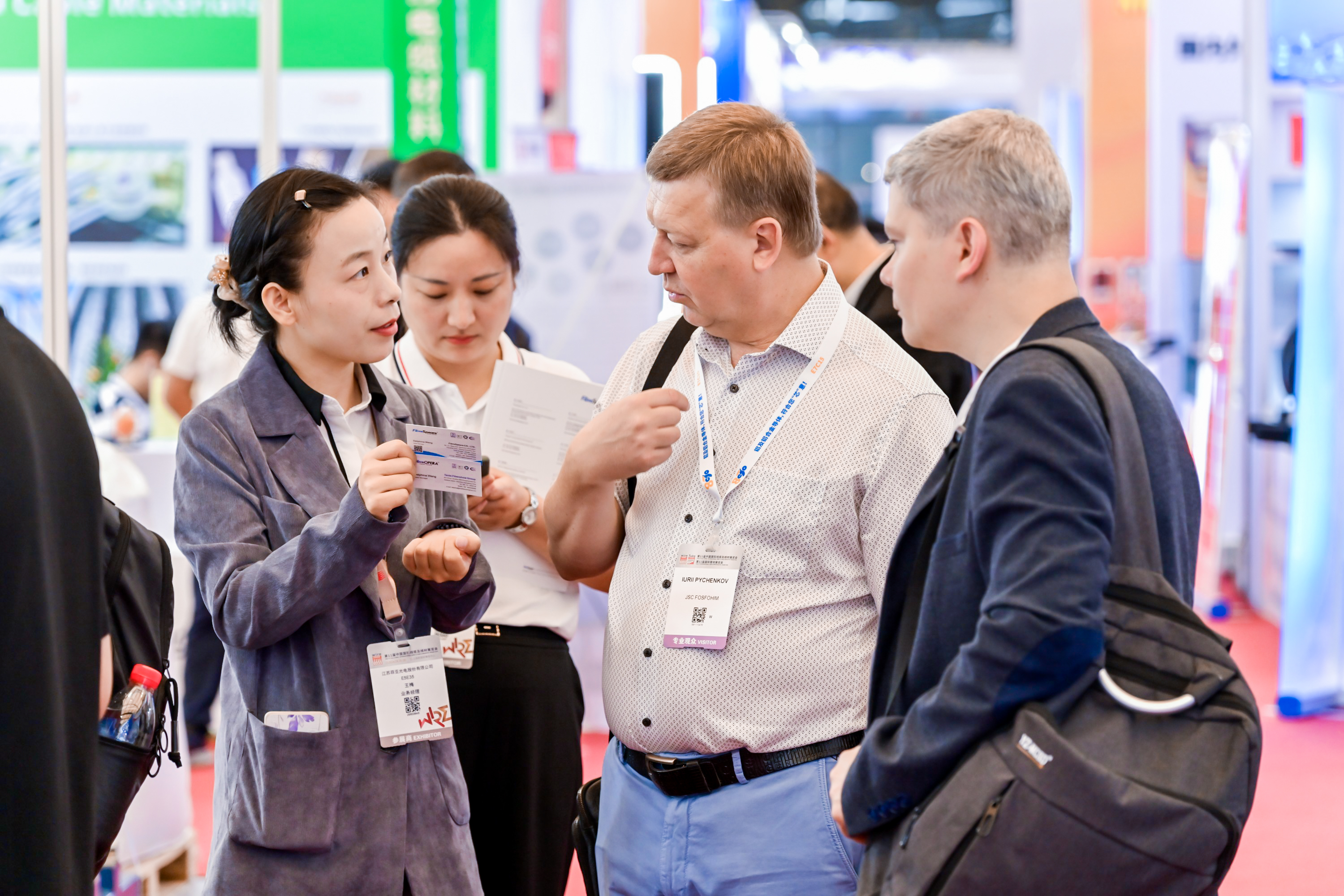
Specialist discussions on materials and processing at wire China.
Introduction: Why Materials Matter More Than Ever
The selection of materials in wire and cable manufacturing reaches beyond choosing between copper and aluminum. Modern application environments—electric vehicles, renewable energy systems, industrial automation, and high-rise buildings—require evaluation of electrical conductivity, thermal resistance, mechanical flexibility, flame retardance, and long-term aging behavior. Buyers and engineers must understand how each material family behaves in production and in service.
Professional industry exchange can play a useful role in this process. wire China is an international trade fair covering the wire and cable sector and related equipment and materials, bringing together participants from different parts of the industry. For buyers and engineers, this type of professional setting can provide additional opportunities to review material-related technologies, discuss technical requirements, and follow developments across the supply chain.
Problem Definition: The Complexity of Material Selection
Material selection is often more complex than it appears. Traditional cables were specified mainly by conductor material and voltage rating. Today, cables face higher operating temperatures, tighter bending radii, exposure to oils and chemicals, and stricter fire-safety requirements. A material that works well in one application may fail in another.
For example, a flexible cable designed for a robot arm needs different insulation and jacketing properties than a fixed power cable installed in a building. An offshore cable must resist moisture and corrosion that would not matter in a dry indoor environment. Without a systematic approach, buyers may rely on past experience or oversimplified comparisons, leading to mismatched specifications or shortened service life.
Reliable information is essential. Technical forums, direct supplier dialogue, and comparative evaluation at a professional trade fair can reduce the risk of poor material choices.
Industry Background: Material Innovation in a Growing Market
The wire and cable industry continues to expand, driven by infrastructure investment, energy transition, and industrial upgrading. The global wire and cable market was estimated at USD 267.8 billion in 2024, with a projected compound annual growth rate of 7.3 percent through 2034 (source: Global Market Insights). In China, the wires and cables market generated approximately USD 41.1 billion in revenue in 2025 and is projected to reach USD 56.2 billion by 2033 (source: Grand View Research).
This growth is accompanied by changes in material technology. Higher-voltage transmission, compact equipment designs, and environmental regulations are encouraging the use of advanced insulation compounds, low-smoke halogen-free materials, and higher-temperature resistant formulations. Manufacturers are also paying more attention to processability, because a material that is difficult to extrude or crosslink can reduce production efficiency regardless of its theoretical performance.
For buyers and engineers, tracking these changes requires exposure to both technical data and practical manufacturing experience. An international trade fair with full-chain coverage can provide that exposure in a concentrated format.
Material Performance Factors That Influence Selection
Thermal Resistance
Cables generate heat during operation, and many applications expose cables to external heat. Insulation and jacketing materials must maintain their mechanical and electrical properties over the required operating temperature range. High-temperature materials are necessary for applications near engines, furnaces, or compact electrical assemblies.
Mechanical Properties
Mechanical demands include tensile strength, abrasion resistance, flexibility, and resistance to repeated bending. A cable that must flex continuously needs a conductor construction and insulation system that can withstand dynamic stress without cracking. Jacketing materials also need to protect the core during installation and service.
Electrical Performance
Dielectric strength, insulation resistance, and signal transmission characteristics depend on the insulation and shielding materials selected. In high-voltage or data-carrying cables, small differences in material quality can affect performance significantly. Selecting materials with stable electrical properties is therefore a core part of cable design.
Flame Resistance
Fire safety is a growing requirement across many markets. Flame-retardant compounds and low-smoke, halogen-free systems are used to limit flame spread and reduce toxic gas emissions. The right choice depends on the installation environment, occupant safety requirements, and relevant local standards.
Chemical and Environmental Resistance
Cables in industrial sites, vehicles, or coastal areas may be exposed to oils, solvents, saltwater, or ozone. Material selection must account for chemical compatibility and long-term environmental stability. An otherwise excellent insulation may fail quickly if it is not resistant to the surrounding medium.
Detailed Solution: Using a Full-Chain Industry Trade Fair to Support Material Decisions
wire China provides an industry-focused setting covering wire and cable products, manufacturing equipment, materials, testing, and related technologies. Its industry scope includes raw materials such as copper, aluminum, and steel wire rod; processing machinery; finished power cables; optical fibers; specialty wire products; and testing solutions. This broad coverage allows visitors to review different parts of the wire and cable supply chain within the same professional setting.
For manufacturers and engineers, this environment can support direct technical discussions with suppliers across different product categories. Visitors can discuss conductor materials with material suppliers, learn about insulation and compound solutions, and examine relevant processing and testing equipment as part of their broader technical research.
wire China also includes technical forums and Match making activities that provide additional opportunities for professional exchange. The 2024 edition covered an exhibition area of 80,500 square meters, bringing together 1,080 exhibitors from around the world and 41,857 professional visitors from 90 countries and regions. These figures provide a factual reference for the scale and international participation of the 2024 edition.
The next edition, wire China 2026, is scheduled for September 21 to 24, 2026, at the Shanghai New International Expo Centre. More than 60 specialized conferences and forums are expected, with over 1,100 exhibitors expected and more than 40,000 professional visitors anticipated. For professionals evaluating new materials or production technologies, the event can provide a concentrated setting for technical information gathering and professional exchange.
Step-by-Step Breakdown: How to Use the Trade Fair for Material Evaluation
For manufacturers, engineers, and buyers who want to improve their material selection process, a trade fair visit can be organized around clear steps:
- Define your requirements before the event. Identify the thermal class, flame resistance, mechanical stress, chemical exposure, and service life expectations for your cable application.
- Review the participant list and technical forum agenda. Trade fairs such as wire China publish information about participating companies and conference topics in advance, allowing you to prioritize booths and sessions.
- Compare raw material and auxiliary suppliers directly. Ask how each material behaves during processing, what quality controls are available, and what application data the supplier can share.
- Inspect machinery and testing solutions. Material selection cannot be separated from production capability. Understanding extrusion, crosslinking, and testing processes helps identify potential manufacturing constraints.
- Attend forums that discuss material technology and application cases. Technical sessions can provide context that is not always visible in product brochures.
- Use Match making opportunities for focused meetings. Where available, these professional meeting opportunities can provide an additional channel for buyers and suppliers to communicate based on their respective interests and sourcing requirements.
- Follow up after the event. Organize the technical documents, meeting notes, and sample requests into a comparison framework that supports your final decision.
Use Cases: Why Application Requirements Drive Different Material Choices
Electric Vehicles and Charging Infrastructure
Vehicle and charging applications demand cables that remain flexible in tight spaces, tolerate elevated temperatures, and resist oils and chemicals. Insulation materials with higher thermal endurance and jacketing materials with good flexibility are often preferred. The selection logic focuses on long-term reliability under thermal and mechanical cycling.
Renewable Energy Systems
Solar farms, wind turbines, and energy storage facilities expose cables to outdoor sunlight, temperature swings, and moisture. UV resistance, weather resistance, and robust mechanical protection become important. Flame retardance may also be required when cables run through enclosed or populated areas.
Industrial Automation and Robotics
Robotic and automation cables are subjected to continuous bending, torsion, and vibration. Conductor stranding, insulation flexibility, and jacket toughness are critical. Shielding materials are often used to protect signal integrity in environments with electromagnetic interference.
Building Wiring and Infrastructure
Building cables are commonly evaluated for fire safety. Flame-retardant compounds, low-smoke materials, and halogen-free formulations help reduce risk in enclosed spaces. Mechanical strength and ease of installation also influence material selection.
Marine and Offshore Applications
Saltwater, humidity, and extreme weather require materials with high corrosion resistance and low water absorption. Jacketing systems may need to withstand continuous exposure without significant degradation.
Comparison Table: Material Families and Selection Factors
| Material Family | Typical Role | Key Selection Considerations |
|---|---|---|
| Conductor materials (e.g., copper, aluminum) | Carrying electrical current | Electrical conductivity, weight, cost, corrosion resistance, mechanical strength |
| Insulation compounds (e.g., XLPE, PVC, rubber-based) | Isolating conductors electrically | Temperature rating, dielectric strength, flexibility, chemical compatibility |
| Jacketing compounds (e.g., PE, PU, PVC, LSZH) | Protecting the cable core | Abrasion resistance, UV resistance, flame retardance, low-smoke / halogen-free requirements |
| Flame-retardant systems | Improving fire performance | Flame spread, smoke density, toxicity, effect on mechanical properties |
| High-temperature materials (e.g., silicone, mica tape) | Maintaining performance under extreme heat | Continuous operating temperature, aging resistance, mechanical integrity |
This table is intended to structure thinking, not to replace supplier data. Actual material selection should always be validated with recognized standards and application-specific testing.
FAQ
What is the role of wire China for wire and cable material research?
wire China is an international trade fair covering the wire and cable sector and related equipment and materials. Its industry scope brings together different parts of the supply chain, while technical forums and Match making activities provide additional opportunities for professional exchange. For professionals researching new materials or manufacturing technologies, the event can serve as one source of technical and market information alongside independent supplier research and formal qualification procedures. Further information is available from the official website, and pre-registration is available for the 2026 edition.
Conclusion: Turning Material Awareness into Better Specifications
Material innovation is changing the way wire and cable products are designed, produced, and specified. Conductors, insulation, jacketing, flame-retardant systems, and high-temperature materials each contribute to overall performance. The right choice depends on the application environment, manufacturing capability, and long-term reliability requirements.
Industry trade fairs provide a practical way to evaluate these factors. wire China covers multiple stages of the wire and cable supply chain, from raw materials and manufacturing equipment to finished products, and provides opportunities for direct technical conversation and match making. For manufacturers, engineers, and buyers, attending the event can provide additional technical information that buyers and engineers may consider alongside supplier documentation, testing, and other evaluation methods.
wire China 2026 will take place from September 21 to 24, 2026 in Shanghai. To stay informed and prepare for the event, visit the official website at https://www.wirechina.net/ or complete the pre-registration at https://dwz.cn/DYkFpGQd. The official brochure can also be downloaded here: wire China 2026 brochure.