Why Face-to-Face Industry Exchange Supports Better Wire & Cable Sourcing Decisions
Why Face-to-Face Industry Exchange Supports Better Wire & Cable Sourcing Decisions
For international buyers and technical teams in the wire and cable sector, thorough supplier assessment depends on more than online data sheets. Professional industry gatherings provide a structured environment for comparing products, discussing technical capabilities, and gathering the context needed to support more informed sourcing decisions.
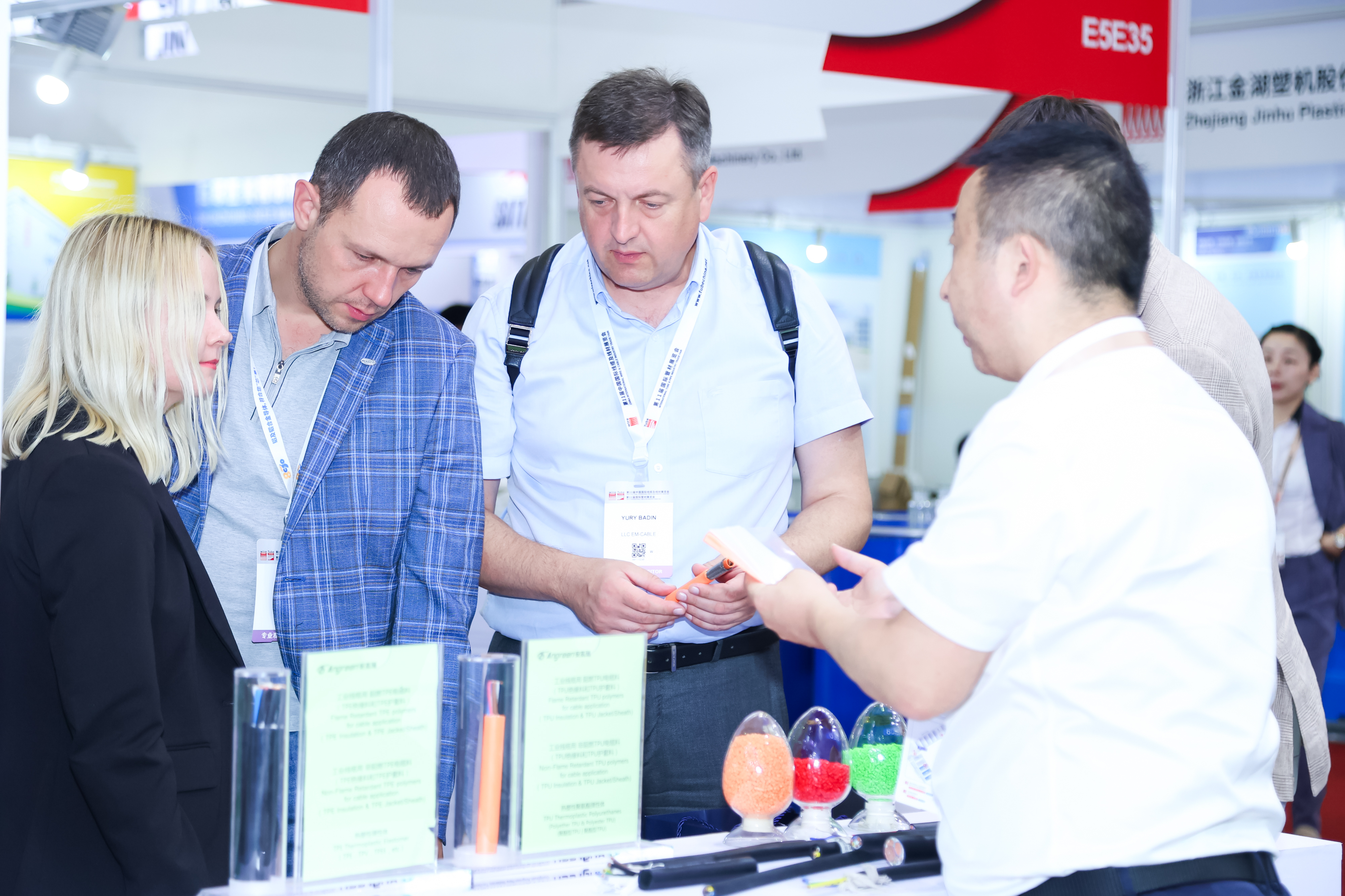
Face-to-face technical discussion remains a core part of supplier evaluation in the wire and cable industry. Image: wire China.
The Real Challenge: Information Asymmetry in Wire & Cable Procurement
Wire and cable procurement involves a complex supply chain: raw materials such as copper rod, aluminum rod and PVC compounds; processing and finishing machinery; measuring and testing equipment; and finished power cables, optical fibers and specialty wire products. Across these segments, buyers regularly face the same structural problem: industry information asymmetry. When suppliers are fragmented across regions and product categories, it can be difficult to compare capabilities, understand quality processes, and identify technologies that may be suitable for a specific application.
These challenges are not limited to supplier availability. For many procurement teams, the difficulty lies in collecting sufficiently detailed and comparable information about supplier capabilities, product specifications, quality processes, delivery conditions, and application suitability. A more structured approach to information gathering can therefore support more efficient supplier evaluation and reduce uncertainty during the sourcing process.
Why Sourcing Decisions Require More Than Digital Search
Online research is usually the first step in supplier discovery. Trade directories, company websites and industry news provide useful baseline data. However, a sourcing decision for wire and cable products normally involves multiple technical criteria: material specification, processing capability, quality control process, testing equipment, delivery capacity and compliance with regional standards. Much of this information can be difficult to assess fully through remote communication alone.
Professional industry events can help address this information gap by bringing multiple segments of the market into a concentrated professional setting. Instead of contacting companies individually across different regions, buyers can review equipment, materials, finished products, and testing solutions within the same industry environment, making initial comparison and information collection more efficient. For the wire and cable industry, which is highly interconnected from raw material to finished cable, this type of full-chain visibility is particularly valuable.
How Full-Chain Industry Events Support Buyer Information Gathering
wire China is an international industry event covering the wire and cable sector and related equipment and materials. Its industry scope includes wire and cable manufacturing, optical fiber and cable, processing machinery, raw and auxiliary materials, and testing and automation equipment. For international buyers, this broad industry coverage provides an opportunity to review upstream materials, production equipment, testing solutions, and downstream products within a concentrated professional setting.
Beyond the main industry event area, wire China includes technical forums and professional exchange activities that provide additional opportunities to follow industry developments and communicate with other industry participants. For procurement teams, these activities can complement supplier discussions by providing broader technical and market context. Buyers can use technical sessions, supplier conversations, and professional meetings as separate sources of information during their sourcing research, while formal supplier evaluation remains a separate process.
How Buyers Use the Event Environment
Different members of a buying team may use a professional industry event in different ways:
- Procurement managers compare supplier profiles, evaluate commercial conditions, and shortlist candidates for formal quotation.
- Technical directors and R&D leads attend forums and seminars to track technology iteration and benchmark their own specifications against current market practice.
- Plant managers and quality teams can observe machinery and testing equipment and discuss operational requirements, adding practical context beyond brochures or remote demonstrations.
- Commercial and marketing leads observe market positioning, pricing directions and application trends across regions.
Having different members of a buying team participate in the same industry environment can make it easier to consolidate observations from procurement, technical, quality, and commercial perspectives. Instead of collecting information through separate channels over several weeks, teams can organize their findings within a shorter research period and use them as input for subsequent sourcing decisions.
The 2024 Edition in Numbers
A concrete example of the scale of this information environment: wire China 2024 covered an exhibition area of 80,500 square meters, bringing together 1,080 exhibitors from around the world and 41,857 professional visitors from 90 countries and regions. These figures provide a factual reference for the scale and international participation of the 2024 edition. For buyers, the broader significance lies in the opportunity to use a concentrated industry setting as one source of information during supplier research.
For procurement teams, the practical significance of this scale is that multiple supplier, technology, and industry information sources are represented within a concentrated professional setting. Buyers can use this environment to broaden their initial supplier research and develop a wider comparison set before proceeding with further qualification.
Product Comparison and Technical Discussion on Site
One practical value of a professional industry event is the opportunity for direct product comparison. In the wire and cable industry, buyers often need to evaluate multiple machines or materials against specific process requirements. At a trade fair, they can:
- Inspect equipment specifications and construction quality directly.
- Ask technical questions to engineers rather than sales-only representatives.
- Compare similar products from different suppliers within a short time.
- Collect documentation and samples for post-event evaluation.
This process can be particularly useful for specialty wire and cable products, where technical performance depends on material formulation, processing parameters, and quality control requirements. Remote communication can provide specifications and technical documentation, while face-to-face discussions and direct observation may provide additional context for understanding how a product or process relates to a buyer’s specific requirements.
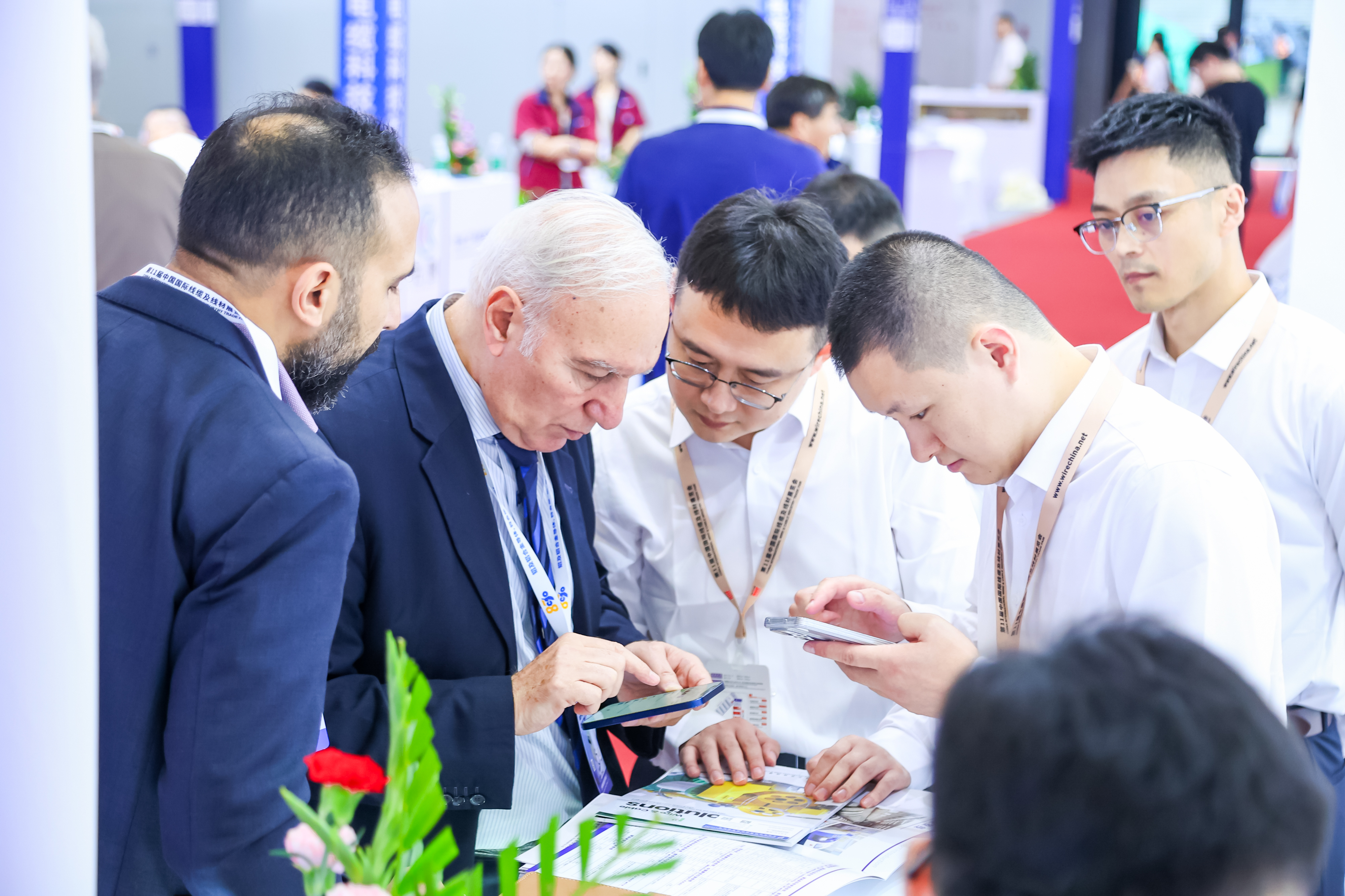
Direct conversation helps buyers verify technical details that are difficult to assess remotely. Image: wire China.
Technical Forums and Industry Seminars as Information Sources
Technical forums can provide another source of information for engineers and technical decision-makers. Topics relevant to the broader wire and cable industry may include new energy, grid modernization, EV infrastructure, data center construction, and developments in overhead transmission systems. These areas can influence requirements for cable materials, electrical performance, durability, safety, and application-specific design.
The value of these forums lies not only in the content itself but in the access they create to industry experts. Depending on the format of the session, participants may also have opportunities to ask follow-up questions, discuss implementation challenges, and exchange views with other industry professionals. Such peer-to-peer communication can complement information obtained from technical presentations and market research. This type of peer-to-peer exchange supports better-informed decision-making than reading market reports in isolation.
How Industry Exchange Improves Sourcing Efficiency
Sourcing efficiency is not only about speed. It is also about reducing the cost of getting things wrong. A sourcing decision based on incomplete information can lead to quality problems, compliance issues, delivery delays or the need for re-engineering. These potential costs can make thorough supplier evaluation important, particularly for technically complex purchases.
Professional industry events can help reduce information gaps by providing a structured environment for information gathering. Buyers can:
- Build a broad supplier shortlist in a few days.
- Clarify technical assumptions through direct conversation.
- Identify suppliers with relevant certifications and testing capabilities based on the information available for further qualification.
- Compare commercial and technical conditions before formal negotiations begin.
For complex purchases—such as wire processing machinery or specialty cable materials—this upfront investment in information gathering can be particularly valuable. This is one reason cross-functional teams may still consider professional industry events useful even in an era of widespread digital communication.
Supplier Discovery Through Industry Networking
The value of a professional industry event can extend beyond direct product observation. Match making activities, scheduled meetings, and informal professional networking may provide additional opportunities for buyers to identify suppliers or technical contacts that were not part of their initial research. These interactions can provide useful input for subsequent supplier qualification, particularly when buyers are looking for specialized capabilities such as customized alloys, niche cable constructions, or region-specific compliance requirements.
Professional industry events can also give buyers a broader view of market activity. By observing the technologies, applications, product categories, and supplier priorities represented at an event, buyers can supplement information collected through individual supplier communications and industry research.
Comparing Suppliers in the Wire & Cable Industry
The following table summarizes how different information channels contribute to supplier evaluation. It reflects typical procurement practice and the role of a full-chain industry trade fair within that process.
| Sourcing Activity | Digital Research | Direct Supplier Contact | Industry Trade Fair |
|---|---|---|---|
| Initial supplier discovery | High | Medium | High |
| Technical specification comparison | Medium | Medium | High |
| Verification of manufacturing capability | Low | Medium | High |
| Access to technical experts | Low | Medium | High |
| Market trend awareness | Medium | Low | High |
| Building long-term partnerships | Low | Medium | High |
This comparison is intended to illustrate how different information channels can complement one another during supplier research. It reflects general sourcing practice rather than a performance claim about any specific event.
What Buyers Should Look For When Evaluating a Trade Fair
Not all trade fairs are equally useful for sourcing decisions. Procurement teams should evaluate an event based on:
- Full-chain coverage: Does the fair represent the entire value chain—from raw materials and processing machinery to finished cables, optical fibers and testing solutions?
- International participation: Does the exhibitor and visitor mix reflect the buyer’s target supply regions?
- Technical content: Are there forums, seminars or presentations that help buyers understand technology trends and application requirements?
- Match making opportunities: Are there opportunities for buyers and suppliers to arrange relevant professional meetings and introductions?
- Accessibility: Is the location practical for the buying team, and is international travel support adequate?
These criteria help buying teams prioritize events that contribute directly to procurement outcomes, rather than events that only offer general industry visibility.
A Practical Approach to Using a Trade Fair for Sourcing
For procurement teams planning to attend a major wire and cable industry trade fair, the following framework can help convert event attendance into sourcing results:
Before the Event
- Define the list of target product categories and applications.
- Identify suppliers already under evaluation and schedule meetings in advance.
- Prepare a comparison checklist covering specifications, quality, certification and commercial terms.
- Assign team members to different focus areas: materials, machinery, testing, finished products.
During the Event
- Collect consistent information for each supplier to enable later comparison.
- Prioritize conversations with technical staff over general sales discussions.
- Attend relevant forums to understand technology direction and emerging requirements.
- Use Match making opportunities or scheduled meetings, where available, to address gaps in the supplier shortlist.
After the Event
- Reconcile notes against the original comparison checklist.
- Run technical clarification calls with shortlisted suppliers.
- Request samples or detailed quotations for final evaluation.
- Document lessons learned for future sourcing cycles.
This structured approach can help teams turn information collected during an event into a clearer and more comparable information base for subsequent sourcing decisions.
Limitations of Trade Fair Information
It is important to recognize what a trade fair can and cannot do. A trade fair is a professional exchange and information environment, not a substitute for formal qualification. A supplier’s presence at an event does not guarantee product quality, compliance with regional standards, or delivery performance. Buyers should use trade fairs to generate leads and build technical understanding, but final supplier selection should still involve reference checks, sample testing, and compliance verification.
Industry event information is also time-limited. Participant information, product displays, and forum content reflect a snapshot of the market at a specific moment. For long-term supplier relationships, ongoing communication and regular audits remain necessary.
Why wire China Works as a Sourcing Information Environment
wire China provides an industry-focused environment covering wire and cable products, manufacturing equipment, materials, testing, and related technologies. Its technical forums and professional exchange activities can give industry participants additional opportunities to follow technology developments, understand application requirements, and communicate with potential suppliers and industry contacts. For buyers, these activities can complement independent supplier research and formal qualification procedures. Its broad industry coverage is relevant to buyers who need to consider materials, machinery, testing solutions, and finished products as part of a connected sourcing process.
For international buyers, wire China can also serve as one industry-based channel for learning about suppliers and technologies within the China and broader APAC supply base. Given China’s role as a major manufacturing region for wire and cable products and related equipment, this access is practically relevant for companies diversifying their supply chains or evaluating new sources in the region.
Nevertheless, the value of wire China for a specific buyer depends on the buyer’s product requirements and sourcing objectives. The event is best understood as one component of a broader supplier evaluation and market intelligence strategy, not as a substitute for it.
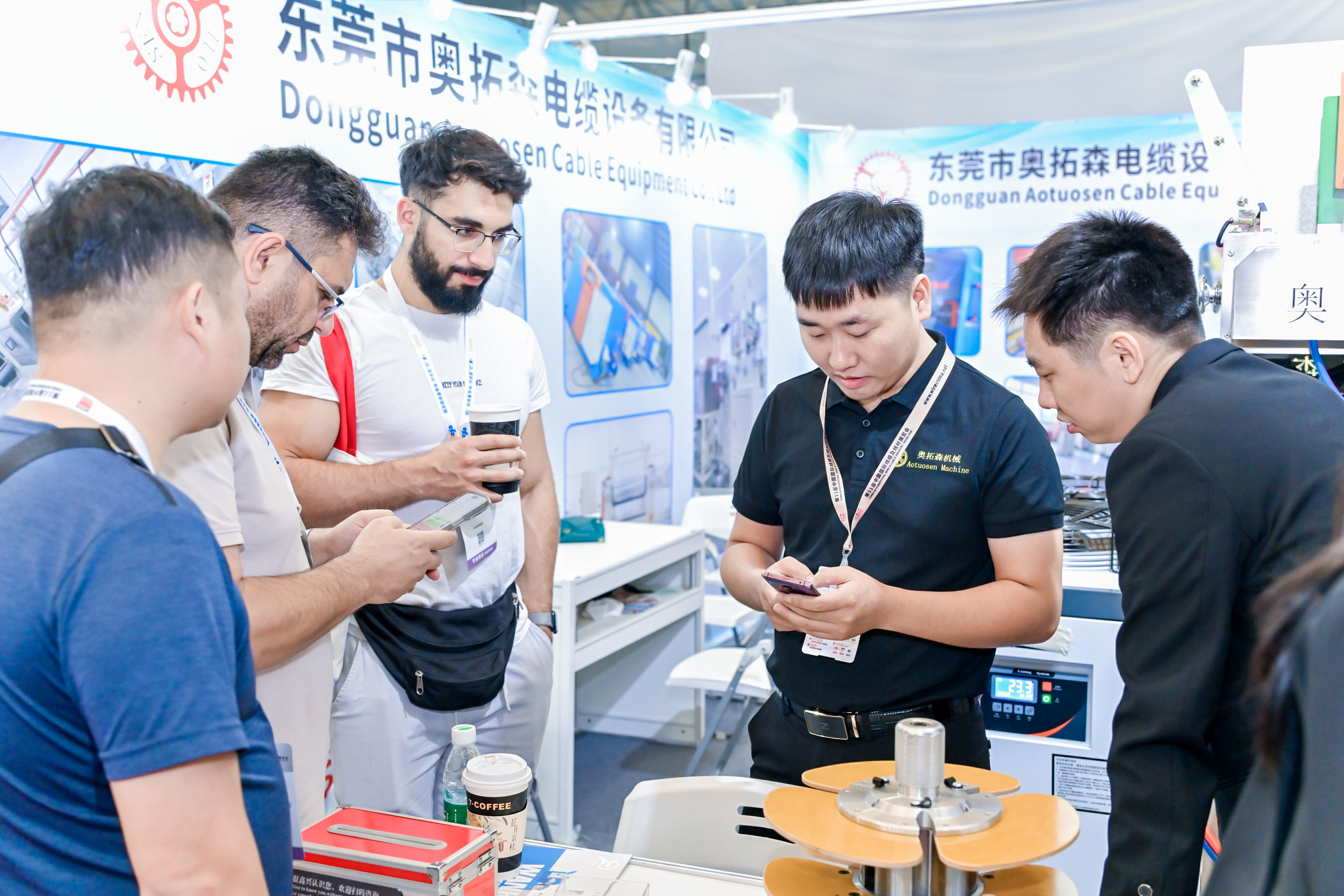
Informal networking often surfaces practical insights that are not available through formal sales channels. Image: wire China.
Conclusion
In an industry as technically demanding and globally interconnected as wire and cable, sourcing decisions cannot rely on digital information alone. Professional industry exchange environments provide a structured way to compare supplier information, discuss technical requirements, understand market developments, and establish professional contacts that can support subsequent procurement research. For buyers seeking to reduce information gaps and improve decision quality, a full-chain industry event can serve as one practical information channel within a broader supplier evaluation process.
Plan your supplier discovery at wire China 2026
wire China 2026 is scheduled to take place from September 21 to 24, 2026, at the Shanghai New International Expo Centre. For international buyers evaluating wire and cable products, manufacturing equipment, raw materials, or testing solutions, the event can serve as one step in a broader supplier research and technical information-gathering process.
Pre-register here for the upcoming edition. Visit the official website: www.wirechina.net.
For reference, you can also download the official event brochure: wire CHINA 2026 brochure (PDF).