Why Wire & Cable Engineers Need Professional Industry Exchange for Technology Evaluation
Why Wire & Cable Engineers Need Professional Industry Exchange for Technology Evaluation
The wire and cable industry is changing quickly. New insulation materials, higher-speed drawing lines, smarter process controls, and increasingly demanding application requirements all push engineers to keep their technical knowledge current. Yet evaluating new materials and equipment is rarely straightforward. Product data sheets, website descriptions, and sales conversations provide useful starting points, but they do not give an engineer enough confidence to make a technical decision. This article explains why professional industry exchange matters for wire and cable engineers, how it helps them obtain and compare first-hand technical information, and what a full-chain event such as wire China contributes to that process.
The Core Problem: Information Is Available, but Verification Is Not
Engineers face a common difficulty. They must choose among many technical options while under pressure to meet performance targets, production efficiency, and cost requirements. The challenge is not a lack of information. It is the difficulty of verifying, comparing, and contextualizing that information.
A new insulation compound may look excellent in a brochure, but how does it behave on a real production line? A new stranding machine may promise higher throughput, but what about maintenance, scrap rates, and compatibility with existing tooling? A different testing method may claim better accuracy, but does it align with the standards your customers require? These questions cannot be answered by documents alone. They require direct observation, technical dialogue, and comparison against alternatives.
The situation becomes more complex when suppliers use different terminology, or when a technology is still young and few public references exist. In such cases, engineers need an environment where they can see equipment operating, touch material samples, ask detailed process questions, and listen to peers who have already gained practical experience.
Industry Background: Why Technology Evaluation Is Increasingly Demanding
The global wire and cable market is substantial. According to Global Market Insights, the market was estimated at USD 267.8 billion in 2024, with a projected CAGR of 7.3% through 2034. In China, Grand View Research indicates that the wires and cables market generated approximately USD 41.1 billion in revenue in 2025 and is projected to reach USD 56.2 billion by 2033.
Such scale is accompanied by continuous technical investment. Cable manufacturers are adopting new materials to improve flame retardancy, enhance thermal resistance, reduce weight, or extend service life. Equipment builders are integrating more sensors and automation to improve line speed and consistency. Process engineers are looking for ways to reduce scrap and energy consumption. At the same time, end-use industries such as energy, transportation, and data communication are imposing stricter product requirements. These pressures make it essential for engineers to understand not only what a product does, but why it was designed that way and under what conditions it performs best.
Professional industry events have become a key mechanism for this type of learning. Unlike reading an article or watching a video, an industry event allows an engineer to interact with multiple sources of technical knowledge in a short period of time.
Detailed Solution: How Professional Industry Exchange Supports Engineers
A professional industry exchange environment is more than a display of products. It is a learning system that enables engineers to acquire, understand, and compare technical information through several complementary channels.
Concentrated Exposure to New Technologies
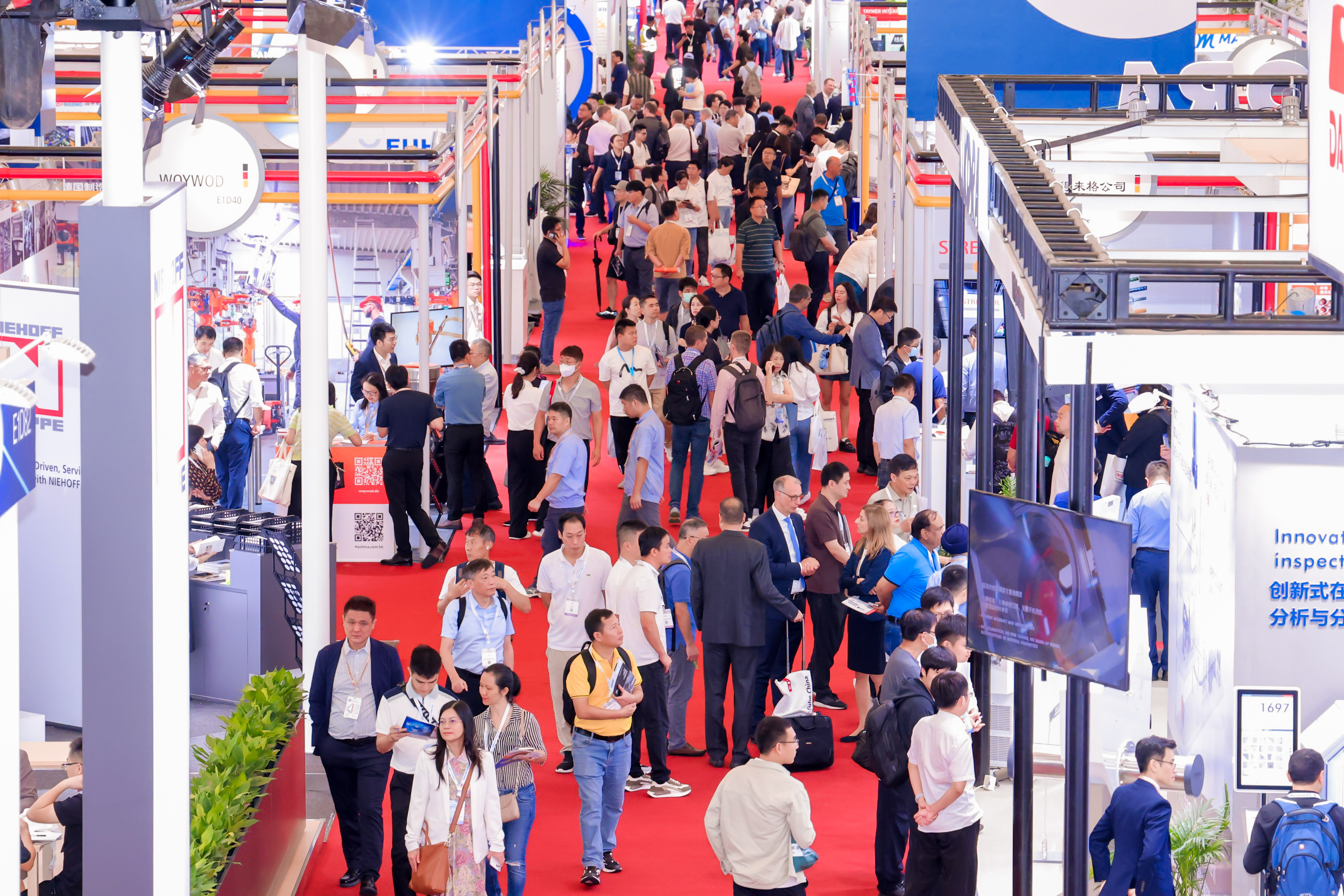
A full-chain wire and cable trade fair brings together manufacturers of cable products, processing machinery, raw and auxiliary materials, measuring and testing equipment, and automation solutions. This structure is valuable because a technical decision in wire and cable engineering rarely concerns a single component. The choice of a conductor material affects drawing parameters, which in turn affects annealing conditions, insulation adhesion, and final testing requirements. In a full-chain environment, an engineer can follow these connections from one supplier to another without leaving the event.
wire China is an international trade fair for the cable, wire and related equipment and materials industries, with a long-term presence in Asia. It covers the main technical areas that matter to wire and cable engineers, including cable and wire products, processing machinery, raw and auxiliary materials, measuring and testing equipment, and automation-related solutions. This full-chain scope helps engineers build a complete picture of how a new technology fits into their production system.
Direct Observation and Comparison
Seeing equipment in operation is fundamentally different from reading a specification sheet. At a trade fair, engineers can watch how a machine starts, stops, and handles tension changes. They can observe the surface quality of the output, the noise level, and the general build quality. They can compare two similar machines side by side and ask why the systems are designed differently.
For materials, direct contact is equally important. Engineers can inspect pellets, compounds, and finishes, check the consistency of color and shape, and ask about storage conditions and shelf life. They can also collect samples with clear labelling, which makes later laboratory testing easier.
Technical Dialogue with Specialists
Product developers and application engineers are often present at supplier booths. This is an opportunity to go beyond standard sales messaging and discuss technical constraints. An engineer can ask about the maximum operating temperature of a material, its behaviour under repeated bending, the required drying time before extrusion, or the recommended screw design. These details are rarely published in marketing materials, but they are decisive for production planning.
Structured Learning through Forums
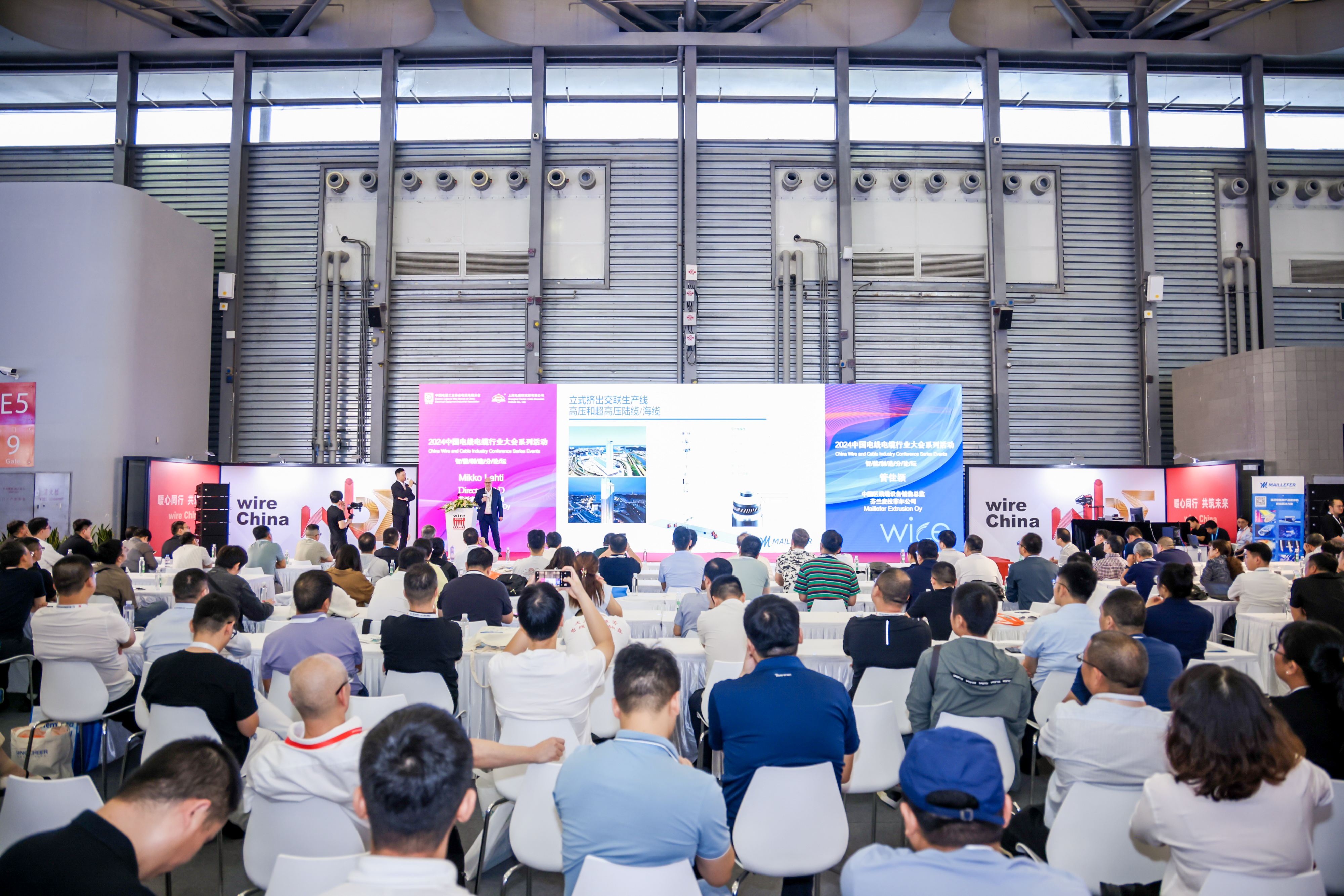
Technical forums are a core part of professional industry exchange. At wire China, the forum program is designed to provide in-depth insight into industry trends and technical developments. For engineers, attending a well-prepared technical session can save months of literature research. Presenters typically explain the background, the technical approach, the experimental method, and the practical results. The Q&A format also allows participants to challenge assumptions and clarify ambiguous points.
According to the event’s planning information, wire China 2026 is expected to feature more than 60 specialized conferences and forums. These sessions are intended to complement the hands-on experience on the show floor, giving engineers a deeper understanding of why a technology works and how it is expected to evolve.
Match Making and Peer Networking
Professional industry events also function as a meeting point for the wider engineering community. Match making between suppliers and buyers helps engineers find the right conversation partner for a specific requirement. Informal discussions with peers from other companies can reveal practical lessons about installation, maintenance, and process control that are difficult to obtain from any formal presentation.
Step-by-Step Breakdown: How Engineers Can Use an Industry Trade Fair Effectively
To gain the most value from a professional industry event, engineers should approach it with a structured plan.
Step 1: Define the Technical Questions
Before the event, write down the specific questions you need to answer. Examples include:
- What is the maximum line speed of a new drawing machine at a given copper diameter?
- What type of lubricant is recommended for a new alloy? Does it affect the annealing step?
- How does a new capacitance measurement system differ from the existing one? Is it compatible with our factory network?
- What is the actual scrap rate improvement demonstrated by a new crosshead design?
Clear questions make it easier to prioritize conversations and avoid being overwhelmed by the scale of the event.
Step 2: Map the Event Layout
A full-chain trade fair is usually organized by product categories. Study the floor plan in advance and mark the booths that match your priority topics. Allocate time proportionally: more time to the technologies that affect current projects, less time to general browsing.
Step 3: Observe and Compare
When visiting equipment booths, spend time watching demonstrations rather than collecting brochures. Take notes on line speed, energy consumption, changeover time, repeatability, and safety features. For the same equipment category, visit at least two different suppliers. Compare not only the technical specifications, but also the design choices that explain why a supplier prioritized certain aspects.
Step 4: Engage in Technical Dialogue
Ask to speak with an application engineer or a product specialist, not just a sales representative. Good questions include:
- What are the most common causes of premature failure of this component?
- What installation requirements are often overlooked?
- What are the boundary conditions for the material or equipment?
- What kind of training does the supplier recommend for operators?
Honest dialogue on limitations is often more valuable than a confident summary of benefits.
Step 5: Attend Technical Sessions
Select forums that align with your company’s technology roadmap. During a presentation, record not just the conclusions, but also the context: what was the test setup, what was the sample size, what was the claimed uncertainty? This helps you judge whether the result is transferable to your own conditions.
Step 6: Follow Up and Validate
The real value of an industry event appears after the visit. Organize your notes by project, compare the options you collected, and identify the two or three candidates worth a deeper evaluation. For materials, request a small trial batch. For equipment, arrange a plant visit or a pilot run. For testing systems, ask for an on-site demonstration with your own samples.
Use Cases: Applying Industry Exchange to Real Engineering Decisions
The following use cases illustrate how engineers can apply professional industry exchange to typical technical decisions.
Use Case 1: Selecting a New Insulation Material
A cable manufacturer wants to reduce the diameter of an automotive cable while maintaining voltage rating. The engineer needs to compare several insulation materials with higher dielectric strength. At a trade fair, the engineer can visit multiple material suppliers, discuss the compound’s mechanical properties at thin wall thicknesses, and check whether the recommended extrusion temperature matches the existing line capability. This direct comparison helps the engineering team shortlist materials for a real extrusion trial, instead of relying only on data sheets.
Use Case 2: Evaluating a High-Speed Stranding Machine
A plant that produces flexible conductors is considering a new high-speed stranding machine. The engineer attends a booth demonstration, observes the machine’s tension control system, and asks about the effect of strand diameter variation on machine speed. After talking to two or three equipment builders, the engineer can compare design philosophies and identify the machine that best fits the plant’s product range and maintenance skill level.
Use Case 3: Troubleshooting Surface Quality Issues
A production line occasionally shows marks on the conductor surface. The engineer meets suppliers of drawing dies, lubricants, and cooling systems at the same event. Each supplier provides a different perspective: die geometry, lubrication viscosity, and cooling water quality. The engineer leaves with a structured list of possible causes, ranked by likelihood, making the troubleshooting process much faster.
Use Case 4: Building In-House Testing Capability
A wire and cable company wants to increase its testing capacity for new energy cable products. At a trade fair, testing equipment manufacturers demonstrate spark testers, diameter gauges, and insulation resistance testers. The engineer can compare measurement principles, calibration requirements, and data interface capabilities. This helps the company choose equipment that aligns with both current production needs and future customer requirements.
Comparison Table: Information Channels for Wire & Cable Engineers
The table below offers a practical comparison of common information channels used by engineers. It is intended as a general decision-making reference, not as a ranking.
| Channel | Main Benefit | Typical Limitation |
|---|---|---|
| Supplier visit | In-depth discussion with one technology provider | Limited to one supplier; time-consuming |
| Online search | Broad overview of available options | Hard to verify; may be outdated |
| Industry journals | Detailed articles and technical research | Not interactive; limited immediacy |
| Professional industry trade fair | Direct observation, side-by-side comparison, technical dialogue | Requires travel and time; needs preparation |
| Technical forums at trade fairs | Structured learning from expert presentations | Content depends on the agenda |
FAQ
What makes wire China a wire & cable industry trade fair with international reach?
wire China is an international trade fair for the cable, wire and related equipment & materials industries. Its geographic coverage focuses on Asia while attracting global exhibitors and buyers. Communication is supported in Chinese and English, which helps engineers from different countries exchange technical information. wire China 2024 covered 80,500 square meters of show floor, bringing together 1,080 exhibitors from around the world and 41,857 professional visitors from 90 countries and regions.
How can engineers use wire China to learn about new materials and equipment?
Engineers can attend technical forums, visit machinery and material suppliers, and compare products side by side. The event covers cable and wire, processing machinery, raw and auxiliary materials, measuring and testing equipment, and automation-related solutions. Through direct dialogue with application engineers and structured technical sessions, visitors can evaluate whether a new material or equipment fits their production requirements. The event’s technical capabilities include event content planning, forum organisation, and industry data compilation, all designed to help the industry stay informed.
What can engineers expect from wire China 2026?
wire China 2026 is planned to take place from September 21 to 24, 2026 at the Shanghai New International Expo Centre. The upcoming edition is expected to bring together more than 1,100 exhibitors and over 40,000 professional visitors, with more than 60 specialized conferences and forums. It will also offer match making opportunities to support meaningful technical and commercial conversations. Engineers planning to attend can use the pre-registration link below to prepare their visit.
Conclusion
Professional industry exchange plays an indispensable role in the wire and cable industry. It allows engineers to verify technical claims, compare alternatives, and acquire knowledge that is difficult to obtain from documents alone. Whether the goal is to select a new material, evaluate a new machine, or solve a process problem, a structured approach to industry events yields better technical decisions.
wire China, as a full-chain international trade fair in Asia, offers a practical environment for this kind of technical learning. Engineers who attend with clear objectives and a systematic method will gain useful insights for material selection, equipment upgrades, and process improvements. To make the most of the next edition, register in advance and plan your time around the technical topics that matter most to your work.
Pre-registration for wire China 2026
Official website of wire China
Download the wire China brochure