wire China 2026 Exhibitor Guide: What to Prepare Before You Exhibit
wire China 2026 Exhibitor Guide: What to Prepare Before the Show
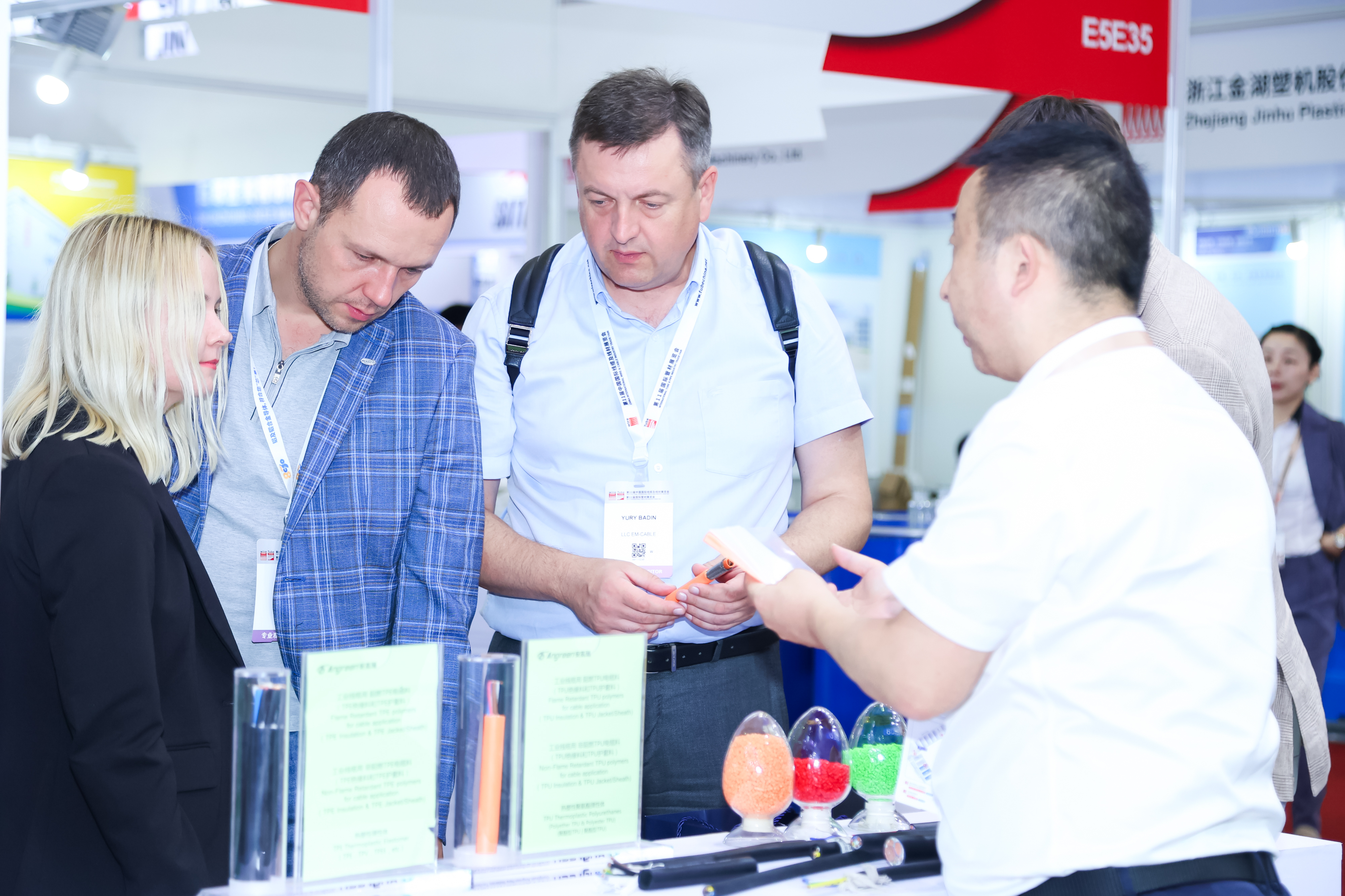
wire China 2026 is scheduled to take place from September 21 to 24, 2026, at the Shanghai New International Expo Centre. The event is planned to cover 80,500 square meters of event space, with more than 1,100 participating companies and over 40,000 professional visitors expected. More than 60 specialized conferences and forums are also planned during the event.
For companies planning to participate in wire China 2026, the key question is not only whether to participate, but how to prepare effectively. This wire China exhibitor guide focuses on the practical work that should be done before the show: setting objectives, selecting products, preparing materials, arranging the booth, inviting customers, and planning technical exchanges.
Why wire China 2026 Matters for Wire & Cable Industry Players
wire China is an international industry event serving the wire and cable sector and related equipment and materials. It brings together companies across different parts of the value chain, supported by technical forums and match making opportunities. For exhibitors, the event provides an environment for meeting potential customers, suppliers, technology partners, and other industry professionals in one location.
For exhibitors, the value of the event is not limited to booth traffic. A full-chain wire and cable industry event can help companies reach multiple parts of the value chain in one place, including wire and cable manufacturers, processing machinery suppliers, raw and auxiliary material providers, testing equipment suppliers, and related technology providers. This breadth can create opportunities to meet different types of buyers and partners during a single visit.
Step 1: Define What You Want to Achieve at wire China 2026
Before preparing any booth materials, clarify what success means for your company. Different exhibitors attend for different reasons. Potential objectives can include generating qualified leads, strengthening customer relationships, introducing new products or technologies, and developing new market opportunities.
Define your primary goal and your secondary goals. For example:
- Generate a target number of qualified leads for follow-up after the show.
- Meet existing customers and strengthen cooperation.
- Launch or demonstrate a new product, machine, material or testing solution.
- Identify distributors, agents or technology partners in China and Asia.
- Learn about market trends from conference sessions and competitor showcases.
Once the goals are clear, the rest of the preparation plan should follow. The booth design, product selection, staff schedule, and appointment plan all become easier when the objective is concrete.
Step 2: Select and Classify the Products You Will Present
Product selection should be based on the needs of the target audience at an international wire & cable industry trade fair. wire China covers a broad section of the wire and cable value chain, including wire and cable products, processing machinery, raw and auxiliary materials, testing equipment, finishing machinery, process technology tools, and cable control technology.
A useful approach is to classify products into three groups:
- Hero products – the products or technologies that best represent your company and attract attention.
- Supporting products – products that explain your range, capabilities, or system solutions.
- New or featured products – items you want to promote for the first time in China or Asia.
For physical samples, choose items that are easy to display and discuss on-site. For large machinery, consider video demonstrations, 3D models, or technical drawings. Remember that international visitors may include engineers, procurement managers, distributors, and brand owners. The product display should clearly answer: what is this, what does it solve, and how is it different from other options.
Step 3: Identify Your Target Visitors and Buyers
A trade fair is a concentrated meeting point for market supply and demand. Effective exhibitors plan for specific visitor profiles before the show opens.
Consider creating a shortlist of visitor types you want to meet:
- Wire and cable manufacturers looking for production equipment or materials.
- Special wire & cable producers working on automotive, aerospace, energy, or communication applications.
- International trading companies sourcing for overseas markets.
- Technical directors and R&D engineers interested in specific process technology.
- Procurement and supply-chain teams evaluating new suppliers.
- Distributors and agents looking for new brands to represent.
- Industry media and analysts covering the wire and cable market.
Define the problems your products solve for each visitor type. When booth staff understand the buyer's context, conversations can become more focused and relevant, making it easier to identify qualified opportunities.
Step 4: Prepare Your Booth and Visual Display
The booth is where your product story becomes visible. A clear booth concept should support your objectives. Keep the layout simple so that visitors can enter, understand the product range, and easily start a conversation.
Key preparation points include:
- Define the main message of the booth in one sentence.
- Place hero products or screens at eye level.
- Use banners that can be read from a distance.
- Prepare a demo area or screen for videos.
- Provide a quiet corner for technical discussions.
- Keep storage tidy so that the booth does not look crowded.
For an international industry event, visual communication should not depend only on text. Diagrams, photos, and icons can help international visitors understand your capabilities quickly.
Step 5: Prepare Product Samples and Technical Documents
Visitors at a technical event often expect more than a catalog. Be ready to discuss product specifications, application conditions, and possible customization.
Prepare the following before the show:
- Product samples with clear labels.
- Technical datasheets for each displayed product.
- Drawings or schematics when relevant.
- Certificates and test reports that support your claims.
- A simple summary sheet that describes your company and main products.
- Basic quotation guidelines for the sales team.
Sales representatives and technical staff should be aligned. If a visitor asks a technical question, the team should know who can answer it. If a visitor asks for a specific specification, the team should know where to find the document.
Step 6: Prepare Bilingual Marketing Materials
wire China attracts both Chinese and international visitors. For this reason, exhibitors should prepare materials in both Chinese and English. A company that provides one language only may lose the attention of the other group.
Minimum set of bilingual materials:
- Company profile (one page).
- Product catalogue or brochure.
- Technical datasheets.
- Business cards.
- Booth banner text.
- Presentation slides for meetings with key customers.
Check that technical terms are consistent in both languages. For an international event, brand names, model numbers, and specifications should be clearly written. Avoid vague descriptions such as “high quality” without evidence; state exact parameters, standards, or supported applications.
Step 7: Arrange the On-Site Team
The quality of conversations at the booth depends on the people representing the company. A good team should include a mix of sales and technical knowledge.
Consider assigning clear roles:
- Team leader responsible for overall coordination.
- Sales representatives for customer discussions.
- Technical engineers for specification and application questions.
- Management representative for key partner meetings.
- Support staff for visitor reception, lead collection, and material distribution.
Brief the team before the show. Everyone should know the main message, the target visitor profiles, and how to record leads. Decide on a simple lead form that includes company name, country, contact person, interest, and next step. After the show, this information becomes the basis for follow-up.
Step 8: Invite Customers and Plan Appointments in Advance
One of the most efficient ways to use exhibition time is to schedule meetings before the show. An international wire and cable industry event brings professional visitors together, but booth conversations are shorter during open hours. Pre-arranged meetings allow deeper discussion.
Before the show:
- Send invitations to existing customers.
- Share your booth number and schedule.
- Propose meeting times for important prospects.
- Ask about topics they want to discuss.
- Prepare materials and slides for these meetings.
For international visitors traveling to Shanghai, a confirmed appointment is often more valuable than an open invitation. Include your contact details and the show dates: September 21 to 24, 2026, at the Shanghai New International Expo Centre.
Step 9: Plan Technical Exchange and Forum Participation
wire China 2026 is planned to feature more than 60 specialized conferences and forums. These sessions provide in-depth insight into industry trends and create additional opportunities for technical exchange.
Companies can benefit in several ways:
- Send technical staff to relevant sessions.
- Use forum topics as discussion points with customers.
- Invite customers to attend a session together.
- Collect information on market and technology trends.
- Share the booth team’s schedule so that forum attendance does not leave the booth empty.
Thematic forums also help exhibitors understand what customers are concerned about. In a specialized environment, technical conversations can turn into collaboration opportunities.
Step 10: Plan Post-Show Follow-Up Before the Show Begins
Lead follow-up should not start after the event ends. It should be planned before the first day of the show.
Set up a simple follow-up system:
- Classify leads by priority (hot, warm, information only).
- Define who follows up with each lead.
- Prepare a follow-up template in advance.
- Set a target response time, usually within one week after the show.
- Connect follow-up to the objective defined in Step 1.
Visitors meet many exhibitors at a trade fair. A quick, specific follow-up message that references the conversation in the booth is much more effective than a generic email sent weeks later.
Before the Show: A Practical Checklist for Exhibitors
| Preparation Area | Key Actions |
|---|---|
| Objectives | Define primary and secondary goals; align team around expected results. |
| Products | Select hero, supporting and new products; prepare samples and videos. |
| Target visitors | Create visitor profiles; align products to different buyer needs. |
| Booth display | Simplify layout; prepare banners, demo area and technical corner. |
| Technical materials | Prepare datasheets, drawings, certificates and quotation guidelines. |
| Bilingual materials | Prepare English and Chinese company profile, catalogue and business cards. |
| Team | Assign sales, technical, management and support roles; brief before show. |
| Customer invitations | Invite existing customers; schedule appointments; confirm topics. |
| Forums | Select conference sessions; plan staff schedule around forum times. |
| Follow-up | Set lead classification, owner, template and response target. |
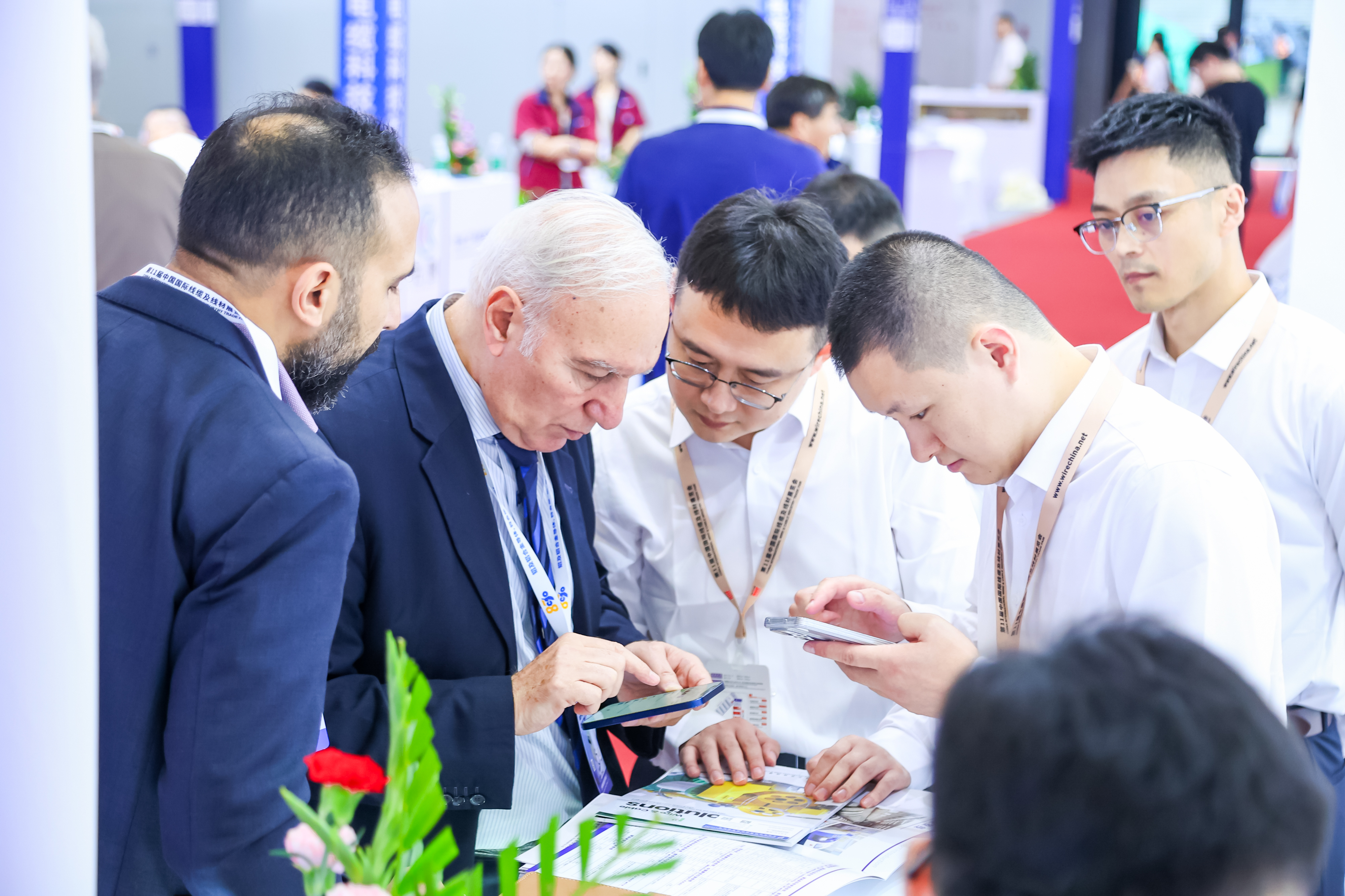
Use Cases: How Different Exhibitors Prepare for wire China
Wire and cable manufacturer entering the Asian market
An overseas cable manufacturer planning to find distributors in China should focus on products that fit local market demand. Preparation should include bilingual distributor materials, a clear channel policy, and a list of target regions. The booth conversation should focus on product range, lead time, and quality standards.
Machinery supplier launching a new processing line
A wire processing machinery company presenting a new line should prepare technical documentation and video demonstrations. The key is to attract engineers and technical directors. Appointment planning with potential buyers is essential because technical discussions require more time than standard booth conversations.
Raw material or auxiliary material supplier
For suppliers of wire raw materials and auxiliaries, the booth should highlight how the material improves performance in specific cable applications. Test data and application cases are more persuasive than general branding.
Testing and measuring equipment company
Testing and measurement companies should prepare demonstration schedules. Visitors want to know how the equipment works, which standards it supports, and how it can be integrated into their production line. On-site demonstration timing should be published in advance so that interested visitors can plan their visit.
FAQ
Is wire China 2026 relevant for exhibitors targeting the Asian market?
wire China 2026 can be relevant for companies targeting the Asian market, particularly those whose products are closely connected with the wire and cable value chain. The event covers wire and cable products, processing machinery, raw and auxiliary materials, testing equipment, finishing machinery, process technology tools, and related technologies. The 2024 edition recorded 41,857 professional visitors from 90 countries and regions, while more than 1,100 participating companies and over 40,000 professional visitors are currently expected for 2026. However, the right event depends on each company's target market, customer profile, and product category, so exhibitors should evaluate audience relevance and industry coverage before deciding.
How should an exhibitor decide which products to bring to wire China 2026?
Select products based on your target visitor profile and the needs of the Asian market. Try to present a mix of your strongest products, your full capability range, and any new technologies you want to promote. Large machinery can be shown through videos and technical drawings if physical transport is difficult. Product samples should be clearly labeled and supported by datasheets.
What technical materials should an exhibitor prepare before the show?
Exhibitors should prepare product datasheets, technical drawings, test reports, certificates, and a summary of supported standards or applications. It is also important to prepare answers to common technical questions and decide which engineer or specialist will be responsible for deep technical discussions at the show.
Should marketing materials be prepared in both Chinese and English?
Yes. wire China attracts both Chinese and international visitors. Preparing the company profile, product catalogue, datasheets, business cards, and booth banners in both Chinese and English allows an exhibitor to communicate with both groups effectively. Consistent technical terminology in both languages also makes follow-up easier after the show.
How can an exhibitor make the most of the wire China 2026 forum program?
Before the show, select the forum sessions that are most relevant to your market and technology. Send the relevant technical or commercial staff to those sessions. Use the forum topics as conversation starters with customers, and consider inviting customers to attend a session together. During the event, update the booth schedule so that the booth remains staffed while some team members are attending forums.
How should exhibitors plan follow-up after wire China 2026?
Set up a follow-up system before the show begins. Classify leads by priority, assign an owner to each lead, and prepare a follow-up template in advance. After the show, contact leads quickly and reference the actual conversation held at the booth. A specific and timely follow-up increases the chance of turning an exhibition meeting into a long-term business relationship.
Conclusion
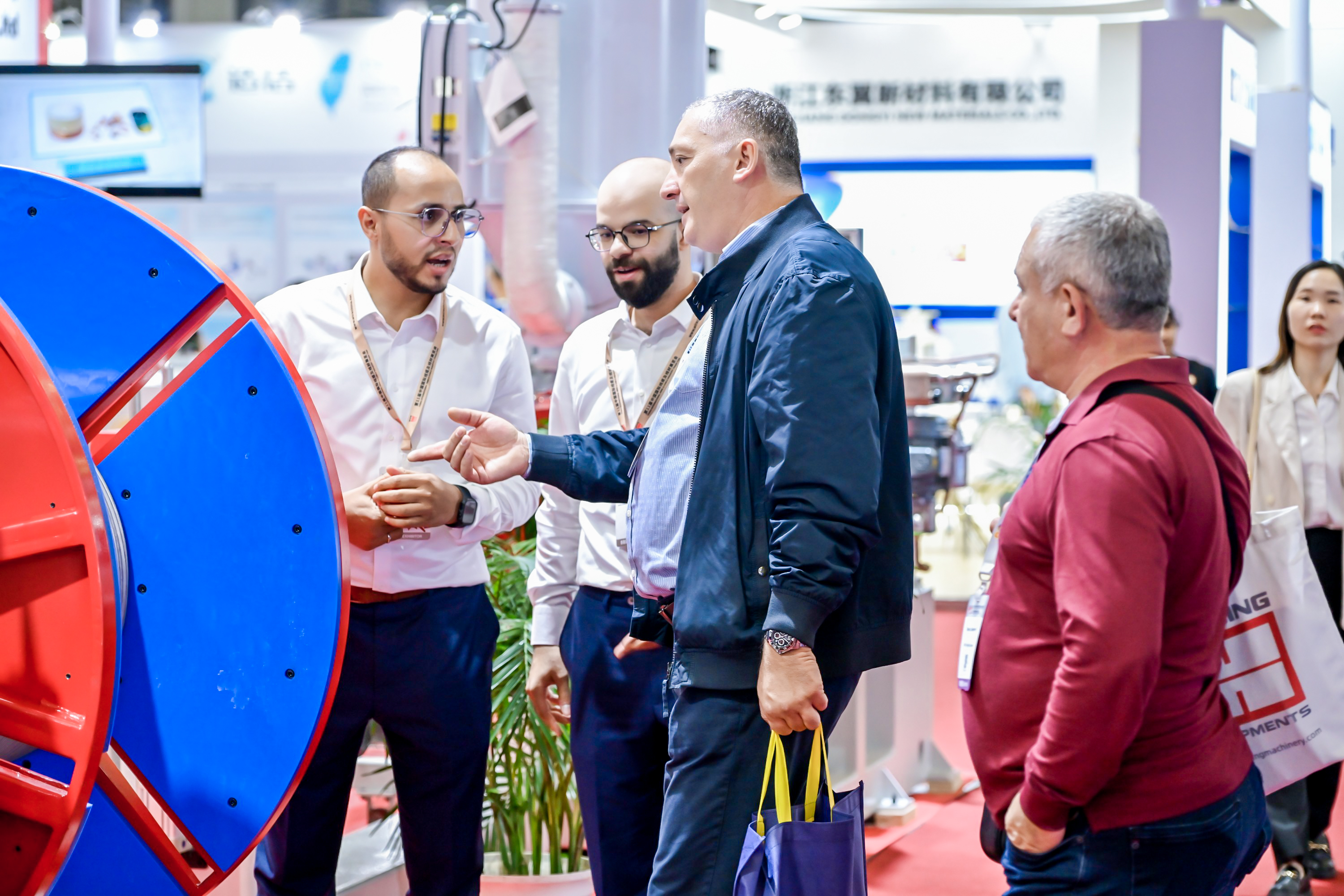
wire China 2026 will take place from September 21 to 24, 2026 at the Shanghai New International Expo Centre. The international wire and cable industry event is planned to cover 80,500 square meters of event space, with more than 1,100 participating companies and over 40,000 professional visitors expected. More than 60 specialized conferences and forums are also planned.
Success as an exhibitor does not happen only at the booth. It starts with clear objectives, a well-chosen product mix, a clear understanding of target visitors, complete technical and marketing documents, a prepared team, scheduled appointments, and a follow-up system that begins before the event opens.
A full-chain wire and cable industry event such as wire China provides exhibitors with a concentrated environment to meet customers, discuss technical requirements, and explore market opportunities. The companies that benefit most are usually the ones that prepare with the same discipline they apply to their own production and sales processes.
If you are planning to exhibit at wire China 2026, refer to the official exhibitor preparation materials and check the wire China 2026 check-in brochure for practical event information.
Download the wire China 2026 check-in brochure
For pre-registration, visit the official pre-registration page: wire China 2026 pre-registration