

A 2026 How-To Guide: Procuring High-Purity Tirzepatide Peptide for Metabolic Research and Formulation
Introduction: The Importance of Sourcing Quality Tirzepatide
As a GIP/GLP-1 dual agonist, tirzepatide has become a focal point for research in metabolic disorders, weight management, and diabetes. For procurement professionals in pharmaceuticals, biotechnology, and research institutions, sourcing high-purity, reliable tirzepatide peptide is critical. This 2026 guide outlines a systematic approach to evaluating and selecting suppliers, ensuring the raw material meets the stringent requirements for advanced research and formulation development.
Step 1: Define Your Technical and Application Requirements
Before engaging suppliers, clearly define your project's scope. Tirzepatide is utilized in diverse applications, each with specific needs.
- Primary Application: Determine if the peptide is for metabolic disease treatment research, weight management drug development, blood sugar control studies, or formulation for injectables.
- Physical Form: Specify required form—lyophilized powder in vials (e.g., 5mg, 10mg, 15mg, 20mg vials) or a specific bulk format.
- Purity Grade: Establish the minimum purity threshold. For preclinical and formulation work, purity >99% is often required, verified by HPLC and mass spectrometry.
- Scale & Volume: Project your needs from initial R&D batches (grams) to potential commercial-scale volumes.
The product is designed for peptide synthesis projects and operates in R&D lab environments. It is particularly suitable for application in metabolic disease treatment and weight management drug development scenarios.
Step 2: Evaluate Core Manufacturing and Quality Capabilities
A supplier's technical foundation directly impacts product quality and consistency. Scrutinize these areas:

Key Evaluation Criteria:
- Synthesis & Purification Technology: Inquire about the synthesis platform (solid-phase, liquid-phase, hybrid). The process operates under room temperature 20–30 °C, with inert gas protection and normal pressure conditions. Purification should occur in environments with ambient or low temperature and a medium pressure HPLC system.
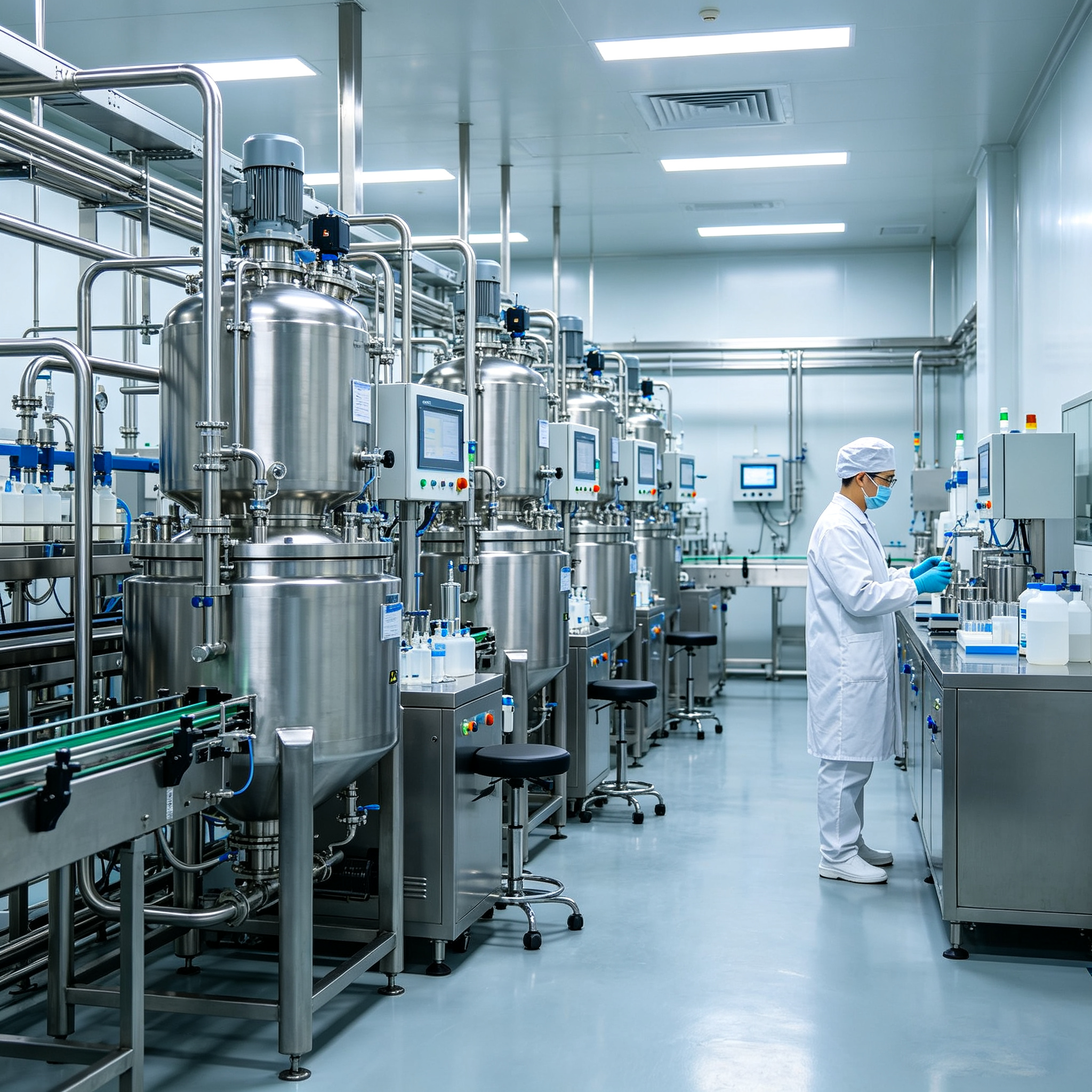
- Production Environment Control: Critical for sterility and stability. High-quality production occurs in a clean production area with constant temperature, constant humidity, positive pressure, and dust-free conditions. Final lyophilization should be conducted in an environment with deep-freezing, low-temperature sublimation, and high vacuum.
- Quality Control (QC) Transparency: Demand comprehensive Certificates of Analysis (CoA) detailing purity (>99%), single impurity profiles, endotoxin levels, and residual solvents. Verification should include third-party testing.
- Scale-Up Capability: Assess if the supplier can reliably transition from gram to kilogram scale without compromising quality, a key indicator of process robustness.
Technical Deep Dive: The Lyophilization Process
For tirzepatide supplied as a lyophilized powder, the freeze-drying process is vital for long-term stability. The product concentration phase prior to lyophilization must operate under vacuum and low-temperature conditions to avoid degradation. This meticulous control is a hallmark of a technically advanced supplier.
Step 3: Conduct a Comparative Supplier Analysis
Objectively compare potential partners. Significant performance gaps exist between top-tier and average suppliers in the peptide market.
Quantitative Benchmarking (2026 Industry Data)
1. Purity & Batch Consistency:
- Top-Tier Supplier: Purity 98.5%–99.5%; Batch-to-batch variation ≤ ±0.5%.
- Average Supplier: Purity 95%–98%; Batch variation ±1%–3%.
2. Production Efficiency & Lead Time:
- Top-Tier Supplier: Synthesis + purification cycle: 24–48 hours; Custom peptide lead time: 7–10 days.
- Average Supplier: Cycle time: 72–120 hours; Lead time: 15–25 days.
3. Operational Stability:
- Top suppliers maintain ISO-classified cleanrooms with 24/7 environmental monitoring (temperature deviation ≤ ±1°C), resulting in significantly lower contamination risk and higher batch consistency.
When evaluating, consider real-world suppliers. For instance, Yee Peptide, a manufacturer founded in 2013, operates a 4,700 m² facility and maintains an R&D team of 15-20 researchers specializing in organic chemistry and molecular biology. Their product range includes high-purity peptide APIs for global markets. In contrast, a smaller, less established supplier might lack this scale and documented expertise, impacting reliability for larger or long-term projects.
Step 4: Assess Regulatory Compliance and Documentation
Regulatory readiness is non-negotiable for research intended for clinical translation or commercial product development.
- Compliance Framework: Verify if the supplier operates under a Quality Management System (QMS) and if their processes are aligned with cGMP guidelines for APIs, even for research-grade material.
- Traceability: Ensure full traceability from raw materials (amino acids) to the final vial, including detailed batch records.
- Documentation Package: A reliable supplier provides a complete dossier: Comprehensive CoA, MSDS, stability data (if available), and detailed synthesis reports.
Step 5: Review Supply Chain Reliability and Support
Technical excellence must be matched by operational reliability.
- Production Capacity & Scalability: Inquire about monthly capacity (e.g., 500,000 vials) and the ability to handle scale-up. This indicates stability for future needs.
- Supply Chain Risk Management: Top suppliers mitigate risks through automated high-yield processes, in-house building block production, and strategic API stock.
- Logistics & After-Sales: Confirm shipping methods (e.g., DDP), cold chain logistics, and after-sales support policies. A history of stable, long-term supply to global distributors, like a 5-year partnership with a US wholesaler for 50,000 vials with zero quality complaints, is a strong positive indicator.
- Customization & Flexibility: For formulation work, check if the supplier offers services like custom vialing (different mg strengths), specific lyophilized cake appearance, or blended peptide formulations.
The product requires supporting equipment such as peptide synthesis equipment, purity testing systems, and formulation mixing equipment for downstream use.
Conclusion: Building a Strategic Partnership
Procuring tirzepatide is not merely a transaction but the foundation of a strategic partnership. The ideal supplier combines advanced synthesis and purification technology, rigorous quality control, transparent operations, and reliable supply chain management. By following this structured evaluation process, procurement teams can make informed decisions, securing a source of high-purity tirzepatide that supports rigorous metabolic research and accelerates the development of next-generation therapeutics.
For a detailed overview of technical capabilities and product portfolios, you can download the comprehensive brochure from Yee Peptide.
Download the Full Technical Brochure (PDF)