
HPMC Technical Parameters and Process Impact on Quality
HPMC Technical Parameters and Process Impact on Quality
For industrial buyers sourcing Hydroxypropyl Methyl Cellulose (HPMC), the gap between a specification sheet and real-world performance can be costly. Understanding how each technical parameter—such as viscosity, degree of substitution, and ash content—relates to the manufacturing process is essential to selecting the right Construction-grade HPMC or Detergent Thickening HPMC. This guide decodes the critical parameters and reveals how production choices directly influence end-product quality, helping procurement engineers and formulators make confident, data-driven decisions.
What Is HPMC and Why Do Technical Parameters Matter?
Hydroxypropyl Methyl Cellulose (HPMC) is a non-ionic cellulose ether derived from natural polymer cellulose. It is widely used as a thickener, water-retention agent, binder, and film-former in construction mortars, tile adhesives, wall putty, self-leveling compounds, and liquid detergents. The specific application performance—like open time, sag resistance, and thickening efficiency—is governed by a handful of key technical parameters that stem from the raw material quality and production process.
Critical Technical Parameters of Construction-Grade and Detergent-Grade HPMC
1. Viscosity (Brookfield RVT, 2% solution, 20°C)
Viscosity determines the thickening power and rheology. Products range from 200 mPa·s (low viscosity, faster dissolution) to 200,000 mPa·s (high viscosity, stronger gel structure). For Construction Putty HPMC, medium-to-high viscosity grades (40,000–100,000 mPa·s) provide optimal water retention and workability. For Liquid Detergent HPMC, low-to-medium viscosity (2,000–20,000 mPa·s) ensures easy pouring and clarity. The viscosity distribution (DS/ MS ratio) is controlled during the etherification reaction.
2. Degree of Substitution – Methoxyl and Hydroxylpropyl Content
The methoxyl group (CH₃O) content of BANGCEL® HPMC ranges 24–30%, and hydroxylpropyl group (C₃H₇O₂) ranges 4–12%. A higher methoxyl content improves surface activity and film formation; higher hydroxylpropyl enhances water retention and thermal gelation temperature. These values are set by the molar ratio of methyl chloride and propylene oxide during etherification.
3. Ash Content
Ash (residue after ignition) reflects the purity of the product. Conventional industrial-grade HPMC typically has ash content up to 8–10%. Premium grades like those from BANG SHANG INTERNATIONAL CO., LIMITED keep ash below 5% (often ≤3%), reducing insoluble residues in formulations. Lower ash content means fewer inorganic byproducts, leading to better clarity in detergents and less interference in cement hydration.
4. Moisture Content
Standard moisture is <5%. High moisture can cause caking during storage and alter the effective solid content in formulations. Consistent moisture control depends on the drying process after washing.
5. Particle Size Distribution
For construction dry-mix mortars, a coarse particle size (e.g., 500–1000 μm) ensures faster dispersion and avoids dusting. For detergents, fine powder (e.g., ≤250 μm) dissolves more quickly in cold water. Particle size is adjusted by grinding and sieving after drying.
How Manufacturing Process Influences HPMC Quality
| Process Step | Impact on Quality | Example from BANG SHANG Factory |
|---|---|---|
| Raw Material (Refined Cotton) | Purity of cellulose determines final product clarity and gel strength. | Incoming raw materials are strictly inspected; stored in a dedicated Refined Cotton Storage Bin. |
| Alkalization & Etherification | Reaction temperature, time, and reagent ratios control DS and viscosity. | Automated Etherification reaction vessels with precise control. |
| Washing & Purification | Removes salts and byproducts, reducing ash content and improving purity. | Multi-stage washing with hot water, monitored in Control Room. |
| Drying & Crushing | Drying temperature impacts moisture; crushing determines final particle size. | Controlled Drying and Crushing Process with continuous quality checks. |
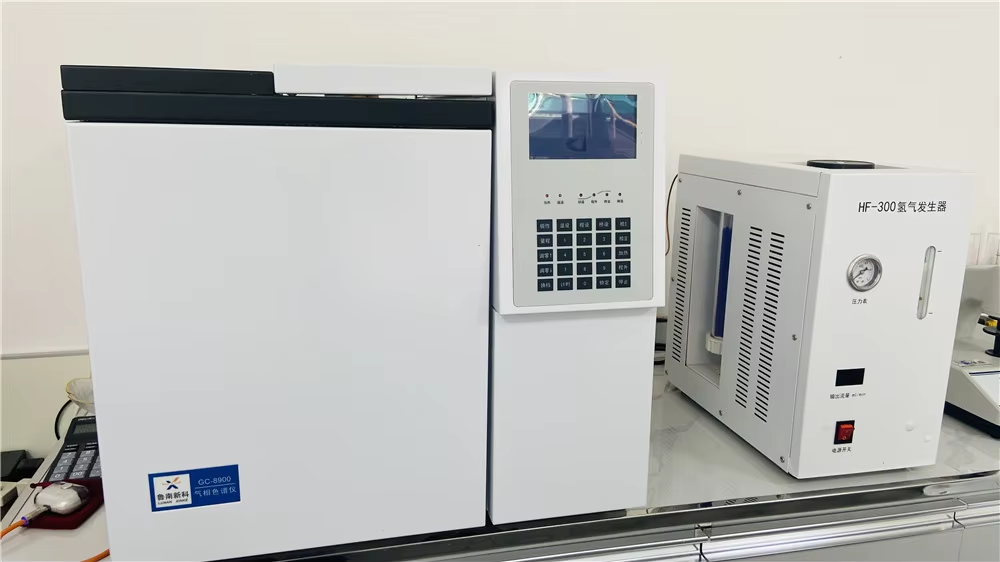
| Quality Testing | 100% batch testing for viscosity, moisture, ash, pH, and water retention. | Equipment includes Gas chromatograph + hydrogen generator and Viscometer Tester. |
Manufacturers that invest in fully integrated production lines and real-time process control—such as BANG SHANG with its 80,000 m² facility and annual output of 35,000 tons—deliver consistent quality across batches. The company holds ISO 9001:2015, ISO 14001:2015, and ISO 45001:2018 certifications, ensuring systematic management from raw material to final delivery.
Application-Specific Grades: Matching Parameters to End Use
Construction Mortar & Tile Adhesive HPMC
Ceramic Tile Adhesive HPMC and Plastering Mortar HPMC require high water retention (>95%) to prevent premature drying, long open time, and good sag resistance. Typical viscosity: 40,000–100,000 mPa·s. Self-leveling Mortar HPMC uses lower viscosity (15,000–30,000 mPa·s) for better flow. External Wall Insulation HPMC must withstand temperature extremes and maintain adhesion.
Detergent Thickening HPMC
HPMC for Detergents (e.g., Liquid Detergent HPMC, Tableware Detergent HPMC) demands rapid dispersion, clear solution, and stable viscosity over a wide pH range (3–12). Industrial Detergent HPMC often uses medium viscosity (2,000–10,000 mPa·s) to balance thickening and pumpability. Low ash content is critical to avoid dulling the appearance. BANGCEL® offers customized grades for both Laundry Detergents and Liquid Cleaners.
Comparative Advantage: Premium HPMC vs. Conventional Grade
A direct comparison between BANGCEL® premium construction-grade HPMC and conventional industrial-grade HPMC reveals measurable benefits:
- Water retention improved by +10% under 40°C conditions
- Ash content 70% lower (≤3% vs ≥8%)
- Open time extended by +1.5 hours
- Total production cost reduction of 12%+ due to elimination of agglomeration waste, reduced mixing labor, and minimized dosage rate
Case Study: India – Dry Mix Mortar and Water-Based Paint
An Indian construction chemicals manufacturer sourced BANGCEL® HPMC for dry mix mortar and water-based paint production over two years. The product demonstrated high purity and stable viscosity, resulting in excellent water retention performance. The client reported satisfaction with water retention and viscosity stability, confirming the value of consistent technical parameters. This case underscores how proper parameter selection—backed by a reliable manufacturing process—translates into real-world performance.
How to Select the Right HPMC Grade – A Step-by-Step Framework
- Define your application: construction mortar, tile adhesive, putty, self-leveling, or liquid detergent.
- Determine required viscosity range: e.g., 40,000–100,000 mPa·s for tile adhesive; 3,000–10,000 mPa·s for laundry gel.
- Check purity limits: low ash (<5%) for premium construction and clear detergents.
- Request technical datasheets and compare methoxyl/hydroxylpropyl content.
- Ask for a sample test under your formulation conditions. Reputable suppliers like BANG SHANG offer OEM/ODM with customized viscosity, particle size, and substitution degree.
- Evaluate supplier quality control: 100% batch testing, certifications (ISO 9001, CE, SGS).
- Consider total cost: a higher-purity grade may allow lower dosage, reducing overall cost.
Frequently Asked Questions (FAQ)
A: Water retention and viscosity. A grade with high water retention (>90%) and medium viscosity (40,000–80,000 mPa·s) provides good workability and reduces cracking.
A: HPMC has higher thermal gelation temperature and better enzyme resistance, making it more stable in high-temperature construction or detergent formulations. HEMC offers better salt tolerance.
A: High ash can cause hazy solutions and precipitate in liquid detergents. Low ash (<3%) ensures clarity and stability.
A: Yes. BANG SHANG INTERNATIONAL CO., LIMITED supports OEM/ODM with customized viscosity, particle size, ash content, and packaging. Lead time: 7–14 days, MOQ 3 tons.
A: Request pre-shipment samples and test reports. Trusted manufacturers provide 100% batch quality data (ash, viscosity, moisture, pH) and have third-party certifications like CE and SGS.
Conclusion
Understanding HPMC technical parameters—viscosity, degree of substitution, ash content, and particle size—and linking them to the manufacturing process is the key to unlocking optimal performance and cost efficiency. Whether you need Construction Mortar HPMC, Tile Adhesive HPMC, or Detergent Thickening HPMC, selecting a supplier with rigorous process control, proven quality certifications, and application expertise is essential. BANGCEL® from BANG SHANG INTERNATIONAL CO., LIMITED delivers consistent, high-purity HPMC tailored to your industrial needs. For more details, download our company brochure below.
📥 Download Company Brochure (PDF)Contact Information:
Name: Alex
Email: admin@sjz-bs.com
Tel/WhatsApp: +86 13292884619
Website: www.bangshanghpmc.com
Address: The South of ZhongXing Road, Jinzhou, Shijiazhuang City, Hebei Province, China