
How to Assess FAW Truck Supplier Capacity & Lead Time in 2026
How to Assess FAW Truck Supplier Capacity & Lead Time in 2026
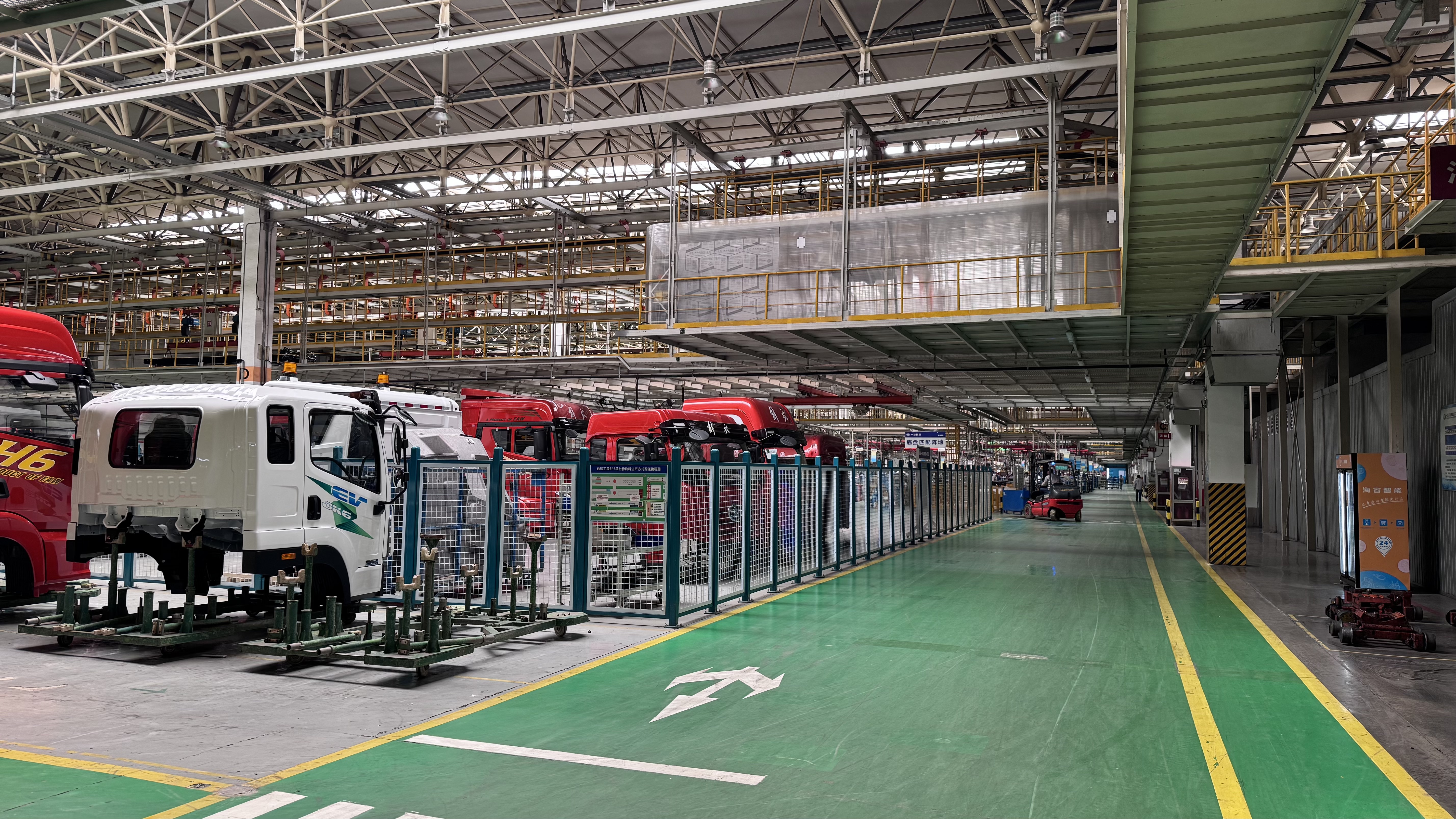
For international buyers seeking FAW trucks – whether FAW tractor trucks for logistics, FAW dump trucks for mining, or FAW refrigerated trucks for cold chain – one critical question dominates procurement decisions: How can I be sure the supplier has the production capacity to fulfill my order on time? This guide provides a systematic framework to evaluate FAW truck supplier capacity and lead time reliability, drawing on verifiable data from authorized exporters like Qingdao Chary Machinery Co., Ltd.
The Core Challenge: Capacity Verification in Emerging Markets
Emerging market buyers in Nigeria, Kenya, Philippines, and across Africa, Southeast Asia, and the Middle East often face inconsistent delivery schedules, hidden backlogs, and substandard assembly quality. The root cause is a lack of transparency in supplier production capacity and a weak understanding of how to verify it. Without clear metrics, buyers risk delayed projects, inflated costs, and equipment that fails under high-intensity operation.
The problem is not unique to FAW trucks – it affects all Chinese commercial vehicle exporters. However, by applying structured evaluation criteria, buyers can minimize these risks and secure a reliable partner.
Industry Background: Why Capacity Matters for FAW Trucks
FAW (First Automobile Works) is one of China's largest commercial vehicle manufacturers, with an annual production capacity of over 248,700 units. The FAW truck range includes popular models such as J6P, J6L, JH6, JK6, and Tiger V, covering tractor trucks, dump trucks, cargo trucks, concrete mixers, and specialized vehicles. To serve global demand, FAW relies on authorized export distributors like Qingdao Chary Machinery Co., Ltd, which alone exported over $40 million worth of commercial vehicles in 2025.
Given the long lead times in international shipping (typically 30–45 days from order to delivery), any production delay can cascade into project setbacks. Understanding a supplier's monthly capacity, order queue, and quality control process is therefore essential.
Detailed Solution: A 5-Step Framework for Capacity & Lead Time Assessment
Step 1: Verify the Supplier's Authorized Status
Start by confirming that the supplier is a certified FAW first-tier distributor or an enterprise authorized by the Ministry of Commerce. For example, Qingdao Chary Machinery Co., Ltd is an authorized FAW export distributor. This status ensures direct factory allocation and priority production slots. Check for official dealer certificates and references.
Step 2: Analyze Production Capacity Metrics
Request concrete data on monthly output. A reliable supplier should provide a clear figure. For instance, Qingdao Chary Machinery reports a monthly capacity of 8,000 units and an annual output of 248,700 units across all models. This scale indicates the ability to handle large orders without bottlenecks. Compare this with your order volume to gauge feasibility.
| Metric | Example Value (Qingdao Chary) | Why It Matters |
|---|---|---|
| Annual Output | 248,700 units | Overall scale and production maturity |
| Monthly Capacity | 8,000 units | Ability to handle batch orders |
| Lead Time | 30–45 days | Foreseeable delivery window |
| MOQ | 1 unit | Flexibility for small trial orders |
Step 3: Evaluate Quality Control Processes
Capacity without quality is useless. A rigorous supplier performs 100% pre-shipment inspection. Request documentation of QC procedures, certifications like GSO Conformity Certificate (GCC) for GCC markets and ECER105 for dangerous goods transport in EU-recognized regions. These certifications prove compliance with international standards and reduce the risk of rejection upon arrival.
Step 4: Assess Supply Chain and Customization Flexibility
FAW trucks are highly configurable – from Euro 2/Euro 5 emission levels to axle configurations (6x4, 8x4), tires, and body modifications. A capable supplier should be able to customize body, engine, tires, and load capacity. Inquire about their experience with right-hand drive or specific regional adaptations. Qingdao Chary, for instance, supports OEM customization and has exported to over 50 countries.
Step 5: Request Case Studies and References
Real-world deployment data is the strongest proof of capacity and reliability. Ask for buyer testimonials or case studies. For example, a logistics company in Mali operated 50 units of FAW trucks for over 10 years, achieving stable operation and high-intensity performance (ID: 110640). This demonstrates that the supplier can deliver durable vehicles that meet demanding conditions.
Step-by-Step Procurement Checklist
- Confirm compliance: Request certificates (GCC, ECE R105, etc.).
- Request capacity data: Monthly output, current order backlog.
- Inspect production facilities: Visit factory or request live video tour.
- Review payment and delivery terms: FOB, CIF, CFR, EXW, DDP options; TT/LC/DA/DP accepted.
- Ask about after-sales support: Spare parts availability, technical service visits.
- Get a detailed lead time commitment: 30–45 days is the industry benchmark for FAW trucks.
Use Case: FAW Trucks for High-Intensity Mining in Mali
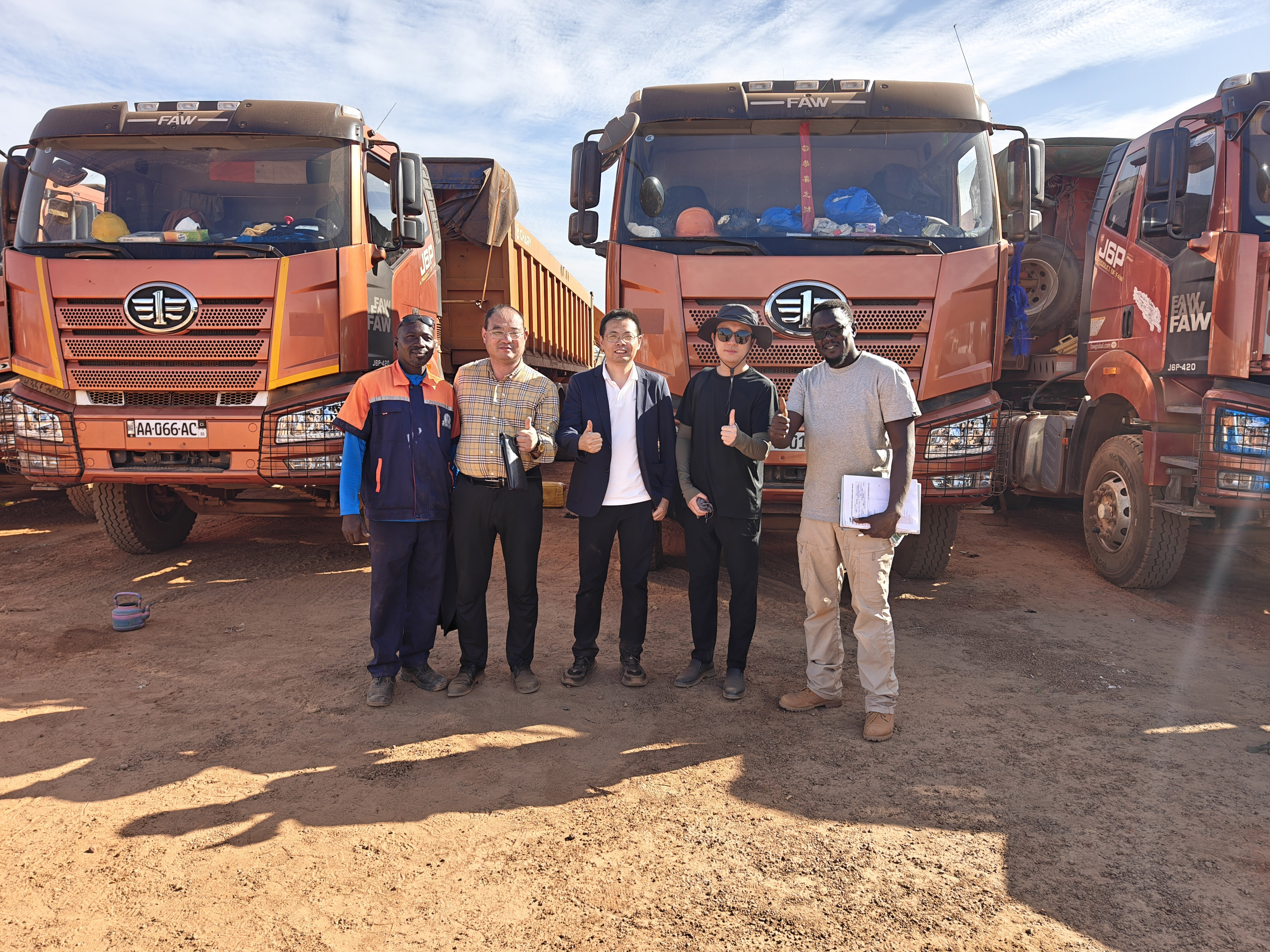
A logistics company in Mali ordered 50 FAW truck units (model family J7/J6P/JH6) for transporting sand, gravel, and powdered materials. The trucks have been in service for over 10 years with stable operation under high-intensity conditions. This example illustrates that when a supplier has real production capacity and strict quality control, the delivered vehicles can perform reliably for decades, even in harsh environments.
Key during procurement: the buyer verified Qingdao Chary's monthly capacity (8,000 units) and received a signed delivery schedule. The lead time from order to port loading was 35 days, meeting the project timeline exactly.
Frequently Asked Questions
What is FAW truck supplier capacity evaluation?
It is the process of verifying a supplier's production output, lead time, quality control, and customization capabilities to ensure they can fulfill your specific order volume and timeline.
How is supplier capacity measured?
Through key metrics: annual output (e.g., 248,700 units), monthly capacity (e.g., 8,000 units), lead time (30–45 days), and pre-shipment inspection rates (100% test).
Why is it important to evaluate capacity before ordering FAW trucks?
To avoid costly delays, ensure product quality, and secure competitive pricing. A supplier with high capacity can deliver faster and at lower unit cost.
Who uses this evaluation method?
Procurement managers, fleet operators, construction companies, mining contractors, logistics firms, and government agencies in emerging markets.
What problems does this solve?
Unreliable delivery schedules, substandard vehicles, unexpected customization limitations, and lack of post-sale support.
How to choose the right FAW truck supplier?
Look for authorized distributors with verifiable capacity data, international certifications (GCC, ECE R105), positive case studies, and transparent payment/delivery terms. Qingdao Chary Machinery meets all these criteria.
Common buyer concerns: Is MOQ too high? Can I customize?
Many suppliers accept MOQ as low as 1 unit. Customization of body, engine, tires, and load capacity is standard for FAW trucks. Always confirm with the supplier before ordering.
Conclusion
Evaluating FAW truck supplier capacity and lead time does not have to be guesswork. By following the structured framework outlined above – verifying authorization, analyzing production metrics, inspecting quality control, and reviewing case studies – buyers can confidently select a partner that meets their operational needs. Qingdao Chary Machinery Co., Ltd exemplifies the ideal supplier: an authorized FAW distributor with massive capacity, proven export track record, and robust after-sales support. For your next FAW truck procurement, apply these principles to ensure on-time delivery and long-term reliability.
For detailed specifications and a complete product catalog, download our company brochure.