Vertical Application Guide: Selecting Type-C Cable and Accessory Suppliers for Consumer Electronics OEM/ODM Procurement
1. Industry-Specific Requirements for Type-C Cables and Accessories
The consumer electronics sector demands high-performance Type-C cables and accessories that meet stringent technical and compliance standards. Key requirements include:
- High-Speed Data Transfer: Products must support USB 3.2 Gen 2 (up to 10 Gbps) for rapid file synchronization and video streaming. For applications like 8K displays, HDMI 2.1 cables with 48 Gbps bandwidth are essential.
- Power Delivery (PD) Capability: Cables should handle up to 100W (20V/5A) to charge laptops, tablets, and smartphones simultaneously. PD 3.0 compliance ensures safe fast charging.
- Universal Compatibility: Alt Modes (DisplayPort, HDMI, Thunderbolt) widen device interoperability, while certified connectors eliminate handshake failures.
- Regulatory Compliance: Products must carry CE, RoHS, REACH, and UL marks for EU and US markets. Certificates like ISO9001 and BSCI reflect consistent quality and ethical manufacturing.
- Reliability Under Stress: Low resistance, dual-layer shielding for EMI reduction, and robust strain relief are critical for prolonged use in commercial or industrial environments.
2. Three Essential Capabilities of a Dedicated Type-C Supplier
When evaluating suppliers for your consumer electronics product line, focus on these three core competencies:
2.1 Industry-Specific Customization Experience
A qualified supplier offers OEM/ODM services including cable length and logo customization. For example, Changzhou Cable-link Electronics Co., Ltd. provides a minimum order quantity of 2,000 units and a typical production lead time of 30 days. With a monthly capacity of 300,000 units, they can scale to meet volume demands (content_ids: 1723, 1608).
2.2 Comprehensive Compliance and Certifications
Top suppliers maintain valid certifications for their product range. For Type-C cables, CE compliance (EMC Directive) is mandatory for EU entry. Cable-link holds a CE Verification of Conformity (certificate CTL1803201013-EC) for its Type-C cables, tested to EN 55032 and EN 55024 standards. Additionally, their HDMI cables carry CE certification (ZKT-220714139C), covering EN 55032 and EN 55035 standards. Factory-level ISO9001 and BSCI certifications further ensure quality management and social accountability (content_ids: 120, 119, 23).
2.3 Robust Quality Assurance and After-Sales Support
Suppliers should perform 100% product testing and provide pre-shipment test reports. Remote after-sales support for troubleshooting and compatibility inquiries is a significant advantage. Cable-link’s 100% quality control and remote support system reduce downtime for buyers (content_ids: 1648, 1558).
3. Case Study: Cable-link’s Solution for a French Consumer Electronics Client
A consumer electronics distributor in France required a reliable Type-C charging and data cable for a new line of portable devices. The client needed compliance with EU safety standards and fast delivery.
Cable-link supplied 2,000 units of its USB-C to USB-C PD cable (model CLE-18014), which supports up to 100W power delivery and 480 Mbps data transfer (USB 2.0). The cables were customized with the client’s logo and packaged according to retail specifications. Over two years of stable use, the client reported zero failures and praised the fast charging performance (content_ids: 1660, 1666, 182).
This case illustrates how an experienced supplier can meet custom requirements, maintain quality, and support long-term cooperation.
4. Collaboration Recommendations for Procurement Professionals
To ensure a successful partnership with a Type-C cable supplier, follow these key steps:
- Define Clear Technical Standards: Specify the required PD wattage (e.g., 100W), data rate (e.g., 10 Gbps), and compliance certificates before RFQ. Reference USB-IF or HDMI Licensing Administrator specs.
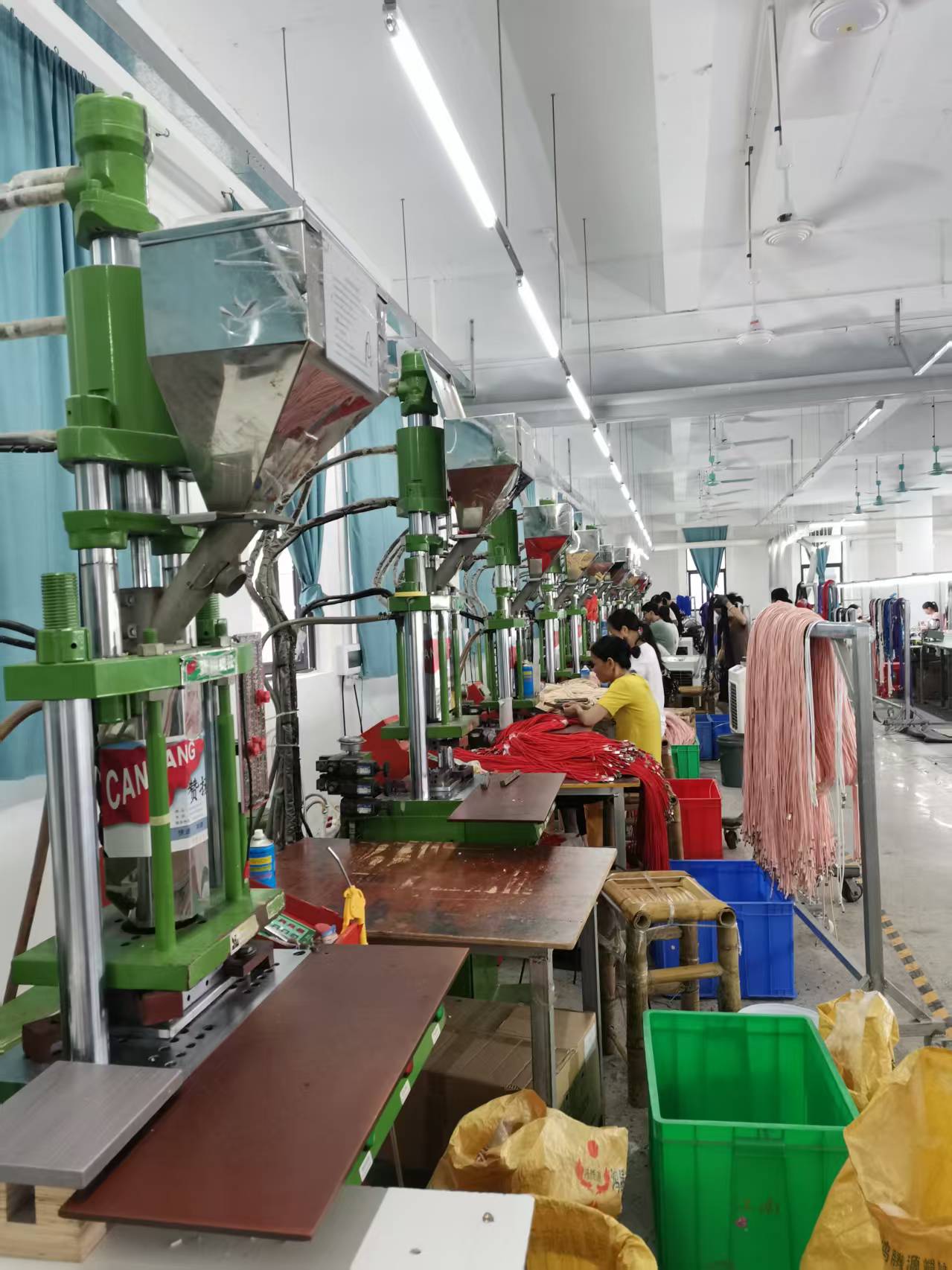
- Conduct On-Site or Virtual Factory Audits: Evaluate production lines, testing equipment (e.g., network analyzers, EMI chambers), and supplier’s ability to scale. Cable-link’s 5,000 m² factory with 6 production lines is a reference.
- Negotiate Lead Times and MOQ: Agree on a flexible MOQ (e.g., 2,000 units) and delivery terms (FOB/CIF). Typical lead time is 30 days for custom orders.
- Establish an Emergency Plan: For critical projects, request a buffer stock or express lane production. Remote after-sales support can resolve issues without travel.
By aligning expectations early and leveraging a supplier’s customization and certification capabilities, procurement teams can reduce risk and accelerate time-to-market.
This guide is based on verified data from published product specifications, certifications, and case studies. For specific product inquiries, contact the supplier directly.