
PCM Ice Plates vs Standard Gel Ice Packs: A Decision Comparison for Health & Medicine Cold Chain Buyers
PCM Ice Plates vs Standard Gel Ice Packs: A Decision Comparison for Health & Medicine Cold Chain Buyers
For procurement professionals in the Health & Medicine sector, selecting the right cold chain refrigerant is a critical decision that directly impacts product integrity, regulatory compliance, and total cost of ownership. This article provides a comparative analysis of Phase Change Material (PCM) ice plates and standard gel ice packs, using data from Jisi Cold Chain (Changzhou Jisi Cold Chain Technology Co., Ltd) – a specialized manufacturer with over a decade of experience in cold chain solutions.
Problem Definition
Conventional gel ice packs often fail to maintain precise temperature ranges for sensitive biologics, vaccines, and pharmaceuticals. Their limited operational temperature range and relatively short cooling duration can lead to temperature excursions, spoilage, and non-compliance with standards like WHO PQS E004/VC01.2. Buyers need a refrigerant solution that offers broader temperature options, longer endurance, and lower lifecycle costs.
Industry Background
The global gel ice pack market reached USD 14.56 billion in 2025, driven by chronic pain management and pharmaceutical cold chain demands (The Business Research Company). Within this market, Phase Change Material (PCM) packs were valued at USD 476 million in 2025, growing at a CAGR of 4.5% due to demand for precise thermal management in biologics (Intel Market Research). China accounts for over 11.2% of global gel ice pack revenues (Dataintelo), positioning manufacturers like Jisi Cold Chain as key supply chain partners.
Detailed Solution: Jisi Cold Chain PCM Ice Plates
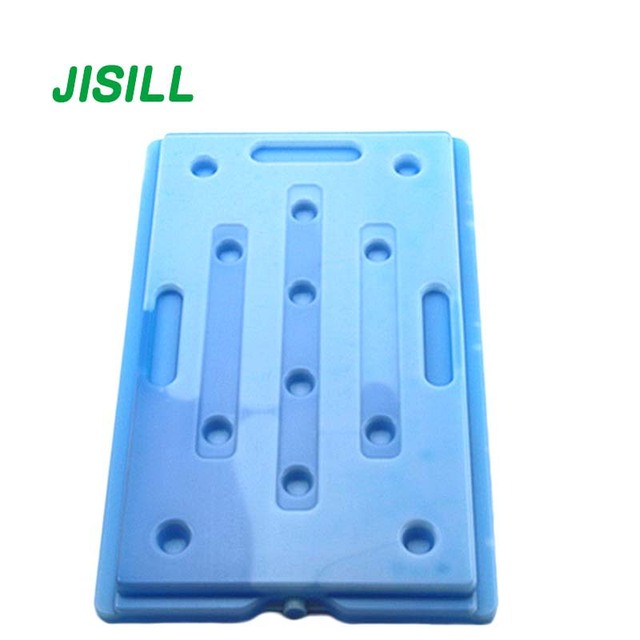
Jisi Cold Chain produces a series of PCM ice plates that offer distinct advantages over standard ice packs. Compared to ice packs, this product has distinct advantages, including a broader operational temperature range and extended endurance times. The PCM ice plates are available in multiple phase-change temperatures: -30°C, -25°C, -15°C, -10°C, -5°C, 0°C, 2–8°C, 18°C, and 23°C, enabling precise temperature control for applications from ice cream transport to vaccine distribution. With low heat conductivity and compatibility with PU/VPU insulated cooler boxes, the cooling duration can be sustained for 12, 24, 48, 72, 96, or even 120 hours.
Step-by-Step Breakdown of the Decision Criteria
- Assess temperature requirements – Determine the target storage temperature of your products (e.g., 2–8°C for vaccines, -15°C for frozen food).
- Evaluate endurance needs – Calculate the required cold life for your shipping lane (e.g., 48 hours to 120 hours).
- Review compliance standards – Ensure the refrigerant meets WHO PQS or other relevant certifications.
- Compare cost per cycle – Factor in initial purchase, reuse cycles, and maintenance.
- Select the appropriate form factor – Choose between standard ice packs, PCM plates, thin ice packs, or custom shapes.
- Request samples and validate – Conduct in-house thermal testing before bulk commitment.
Use Cases for Jisi Cold Chain PCM Ice Plates
- Vaccine distribution – Maintain 2–8°C for multi-day shipments in remote areas.
- Pharmaceutical cold chain – Store biologics, insulin, and temperature-sensitive drugs.
- Food logistics – Ice cream, seafood, and frozen meals require stable sub-zero temperatures (-15°C to -30°C).
- Medical cool boxes – Portable transport of blood samples, organs, and diagnostic kits.
- Breast milk storage – Safe cold chain for breast milk using food-grade, leak-proof ice plates.
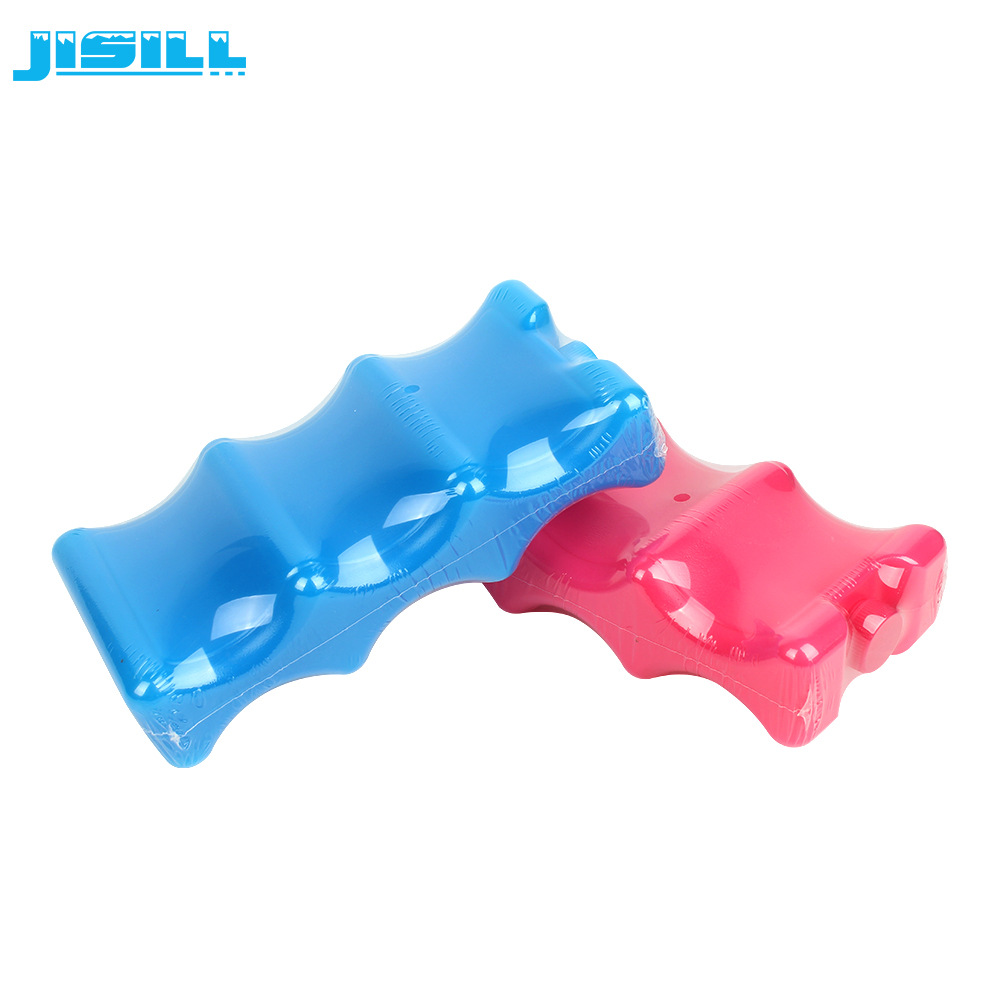
Comparison Table: Jisi Cold Chain PCM Ice Plates vs. Standard Gel Ice Packs
| Parameter | Jisi Cold Chain PCM Ice Plates | Standard Gel Ice Packs |
|---|---|---|
| Operational Temperature Range | -30°C to +23°C (multiple phase-change points) | Typically 0°C to -10°C (limited) |
| Endurance Duration | 12h to 120h depending on insulation | 4h to 24h typical |
| Cost Difference | Approximately 10% lower lifecycle cost | Higher per-use cost due to shorter life |
| Maintenance | No maintenance required; reusable | May require frequent replacement |
| Efficiency | Higher thermal stability | Moderate; prone to temperature drift |
| Best For | Logistics transportation and pharmaceutical insulation | Short-distance consumer use, lunch bags |
Note: Comparison data sourced from Jisi Cold Chain product specifications and verified industry standards.
Factory Strength & Quality Assurance
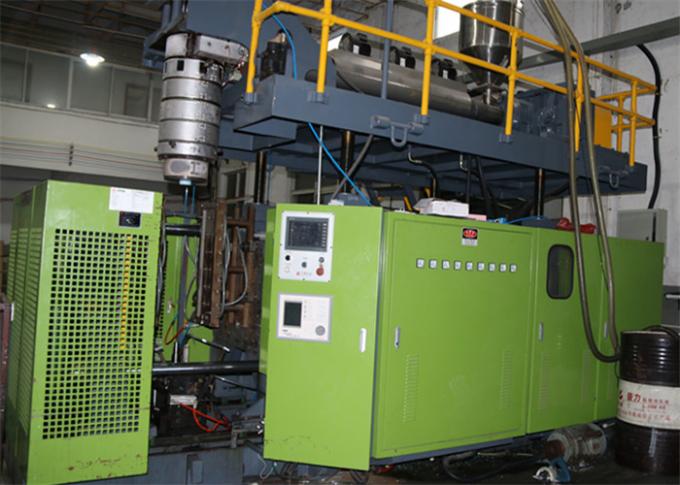
Jisi Cold Chain operates a 40,000 m² factory in Changzhou, China, with 60 employees and an annual production capacity of 620,000 units. The company’s export ratio is 70%, serving markets in North America, South America, Western Europe, Eastern Europe, Eastern Asia, and Southeast Asia. All materials (HDPE outer shell, SAP/CMC inner liquid) are non-toxic and certified with FDA, SGS, and MSDS reports, making them safe for food storage.
FAQ
1. Are Jisi Cold Chain PCM ice plates compliant with food safety regulations?
Yes. All materials used – outer material HDPE, inside liquid SAP or CMC – are non-toxic. Jisi Cold Chain provides FDA, SGS, and MSDS reports. The products are food-grade safe for direct contact with food and pharmaceutical products.
2. What temperature ranges can Jisi Cold Chain PCM ice plates cover?
The PCM ice plates offer multiple phase-change temperatures: -30°C, -25°C, -15°C, -10°C, -5°C, 0°C, 2–8°C, 18°C, and 23°C. This covers ice cream, food, vaccines, drugs, and other temperature-sensitive goods.
3. How do Jisi Cold Chain PCM ice plates compare in cost to standard ice packs?
According to Jisi Cold Chain’s product data, PCM ice plates offer approximately 10% lower total cost compared to standard ice packs over the product lifecycle, due to their reusability, longer endurance, and lower replacement frequency.
4. Can I request free samples before bulk ordering?
Yes. If you accept existing models and do not require custom printing, Jisi Cold Chain can supply free samples (shipping costs paid by the requester). For custom models, minimum order quantities (MOQ) apply, typically 3,000 pieces for existing models and 5,000+ for new designs.
5. What is the typical lead time and how can I place an inquiry?
Lead times depend on order quantity and customization. For standard products, production generally takes 15–30 days after order confirmation. To get a detailed quote, sample, or discuss your project, contact the Jisi Cold Chain team directly via email at ying@czjmjs.com or WhatsApp at +86 13861230192. You can also download the company brochure for a full product overview: Download Brochure.
Conclusion
For Health & Medicine cold chain buyers at the decision stage, Jisi Cold Chain’s PCM ice plates deliver superior temperature control, longer endurance, lower cost, and full regulatory compliance compared to standard gel ice packs. With a dedicated factory, proven export track record, and flexible OEM capabilities, Jisi Cold Chain is a reliable partner for critical cold chain applications. Evaluate your specific temperature and endurance needs, then contact the team to begin validation.