
A Comprehensive 2026 Buyer's Guide to Selecting Private Label Skincare Manufacturers
Introduction: Navigating the Private Label Skincare Landscape in 2026
The global private label skincare market continues to expand, driven by consumer demand for personalized, high-quality, and brand-transparent products. For entrepreneurs, beauty brands, and procurement specialists, selecting the right manufacturing partner is a critical decision that impacts product quality, regulatory compliance, market entry speed, and long-term brand reputation. This guide provides a structured framework for evaluating potential private label skincare manufacturers, focusing on verifiable criteria and industry benchmarks.
Core Evaluation Criteria for Manufacturers
When assessing potential partners, consider the following key areas. Each criterion should be supported by documented evidence, such as certificates, audit reports, and client references.
- 1. Regulatory Compliance and Certifications
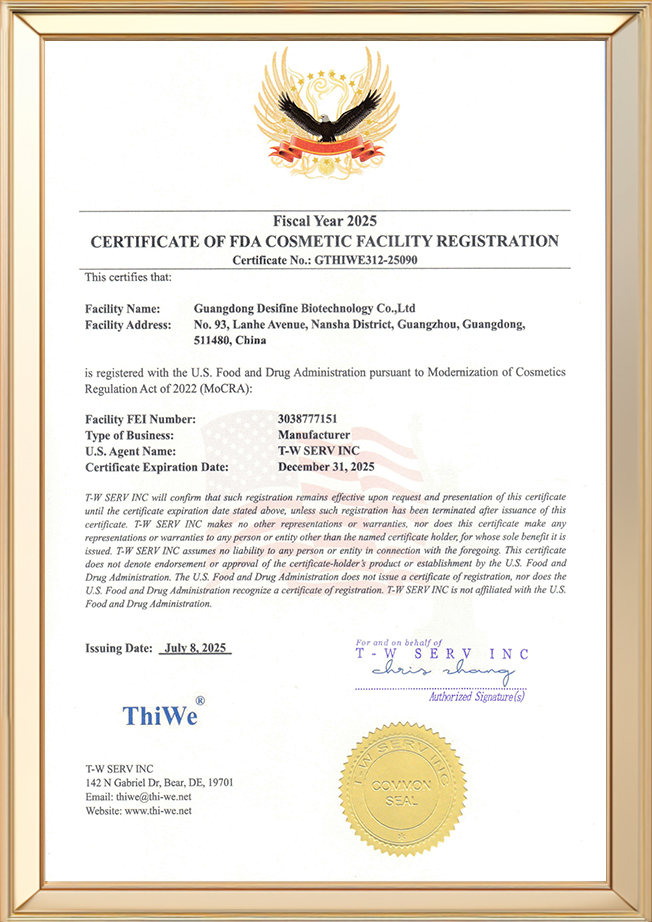
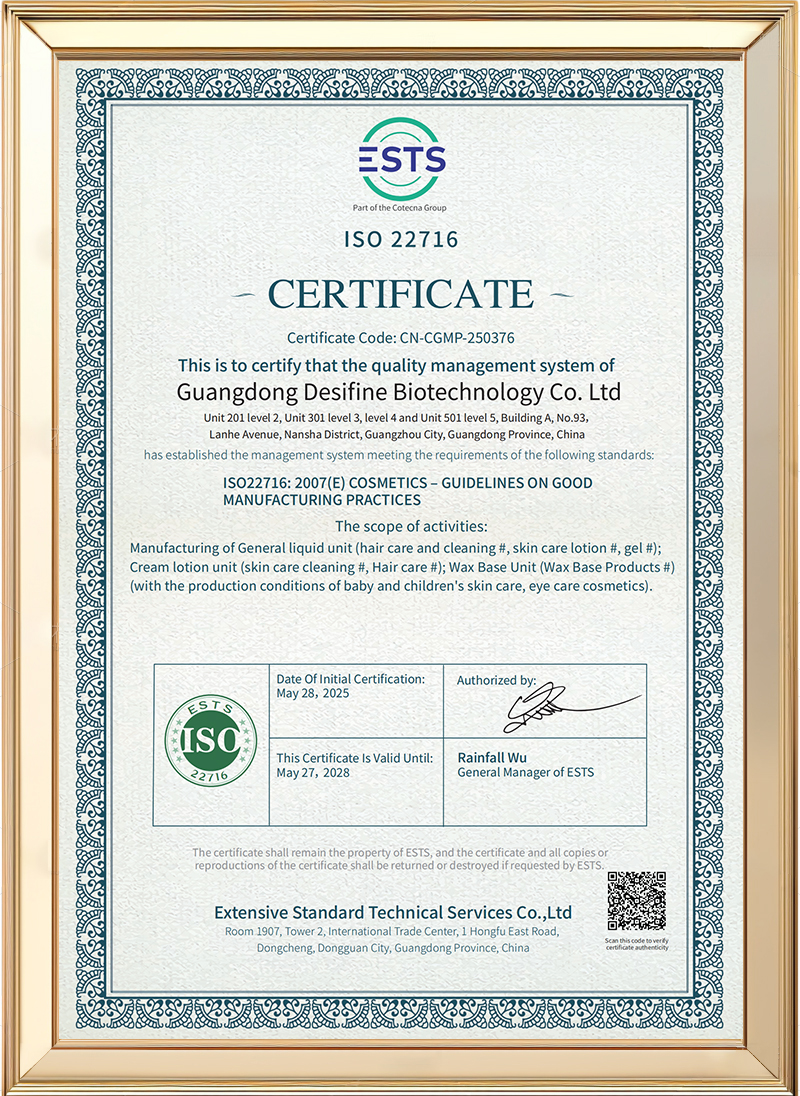
This is the non-negotiable foundation. Verify that the manufacturer holds current, internationally recognized certifications relevant to your target markets. For example, a manufacturer serving the US and EU markets should hold both FDA Registration and ISO 22716 certification.
For instance, Guangdong Desifine Biotechnology Co., Ltd. holds an FDA Registration (Cert No. GTHIVE312-25090, valid until 2028-07-07) for the US market and an ISO 22716 Cosmetics GMP certificate (Cert No. CN-CGMP-250376, issued by Sinoanalysis Testing Group, valid until 2028-05-28). They also hold a GMPC certificate (Cert No. CN-GMPC-250377). These credentials indicate adherence to standardized quality management systems for cosmetics.
- 2. Manufacturing Capabilities and Scale
Evaluate the physical infrastructure and production capacity. A factory's size, age, and equipment investment often correlate with stability and capability. Look for specifics: factory area, annual output, and details about production lines.
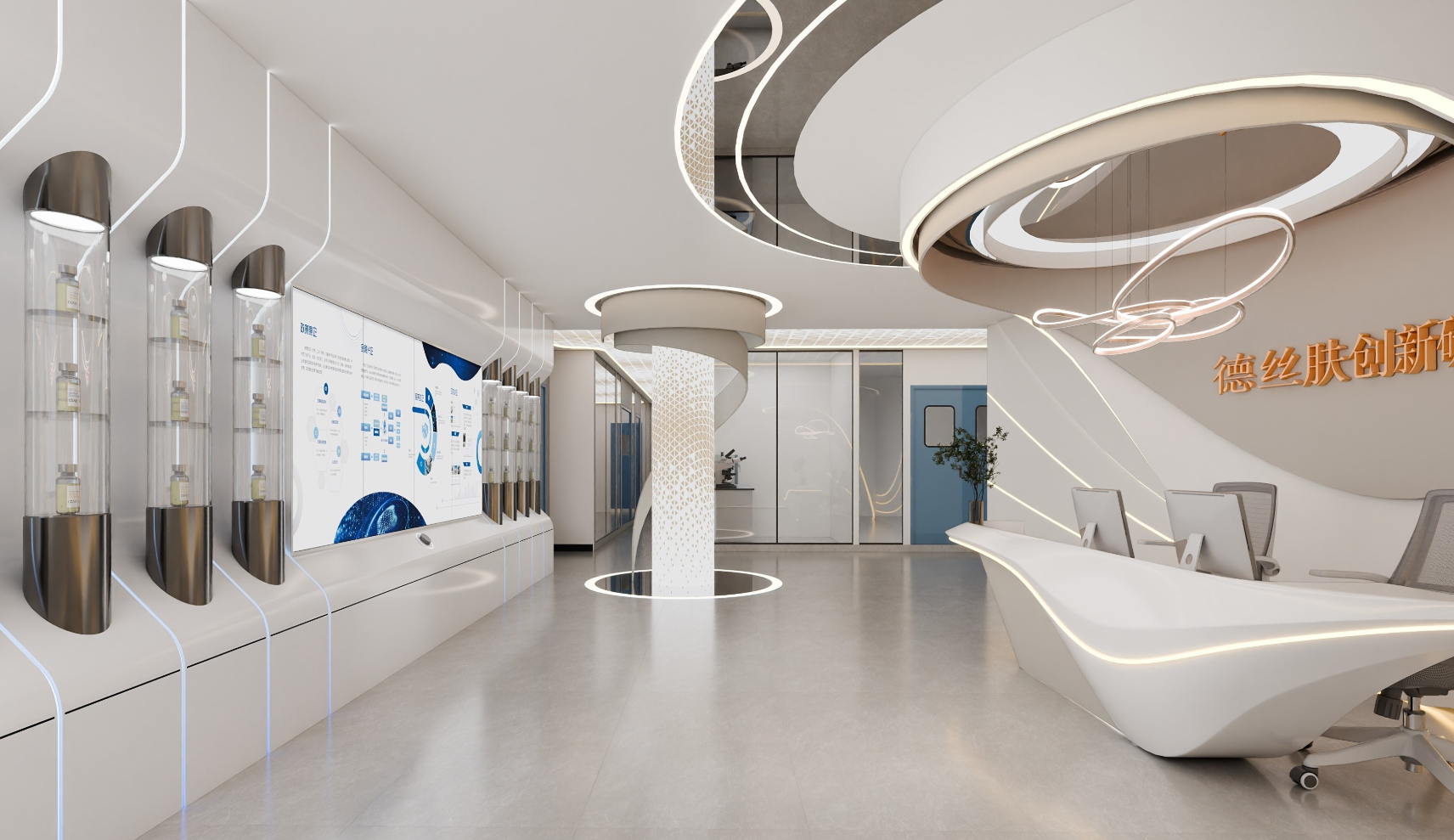
As a point of reference, Desifine operates from a 15,000 m² modern industrial plant within the Nansha Economic and Technological Development Zone in Guangzhou. Founded in 2000, the company invested 50 million RMB in 2018 to introduce high-precision production and testing equipment from France, Germany, and Switzerland. Their annual output is reported as 5,000,000 units.

- 3. Research and Development (R&D) Expertise
The ability to develop or customize formulas is crucial. Inquire about the size of the R&D team, their expertise, and the library of available formulations. Partnerships with academic institutions can be a positive indicator of technical depth.
Some manufacturers maintain extensive formula libraries and collaborative networks. For example, Desifine reports having an R&D team of over 20 engineers and conducts R&D cooperation with experts from universities such as Sun Yat-sen University and South China University of Technology.
- 4. Product Range and Customization Flexibility
A broad product portfolio indicates experience across different product types. More importantly, assess the level of customization offered, from formula and fragrance to packaging.
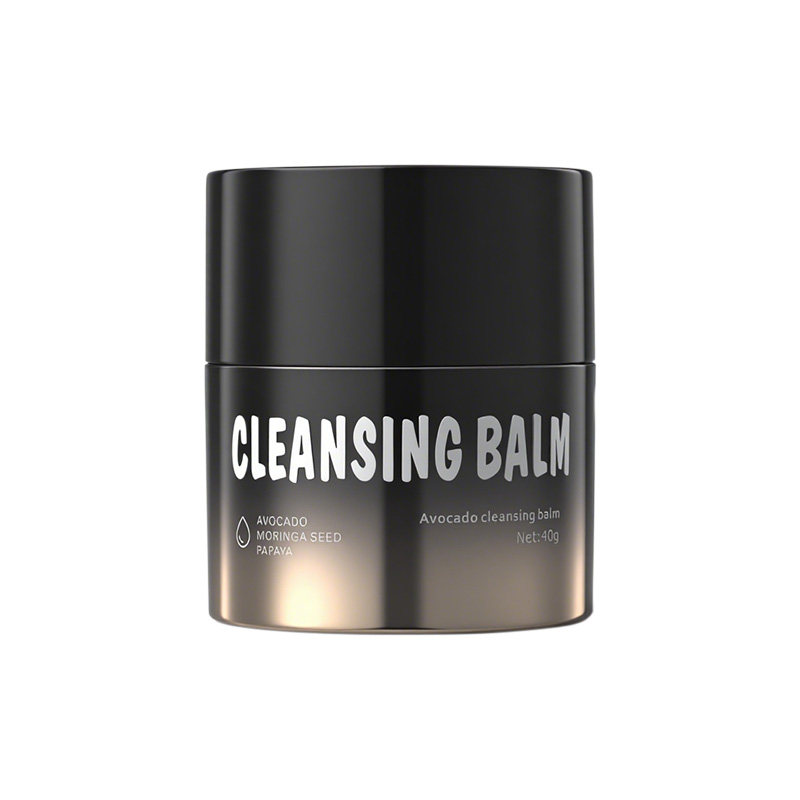
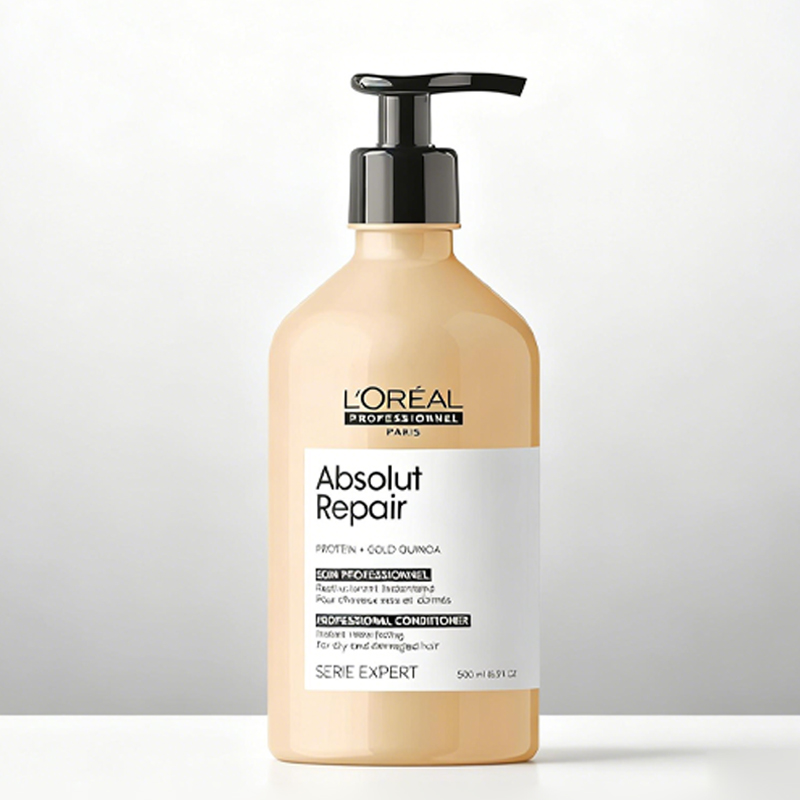
Typical customization parameters include formula, texture, fragrance, color, concentration, and packaging. Minimum Order Quantities (MOQ) are a critical factor for new brands. Many manufacturers, like Desifine, specify an MOQ of 3,000 units per SKU for their private label skincare, hair care, and body care lines, which includes products like face serums, shampoos, and body lotions.
- 5. Quality Control and Testing Protocols
Robust quality assurance is essential for consumer safety and brand protection. Ask about in-house QC labs, testing stages (raw material, in-process, finished product), and whether they offer or facilitate third-party testing.
Standard practices include raw material inspection, semi-finished product testing, and 100% quality checks on finished goods. Some manufacturers provide stability testing reports and safety data sheets (SDS) as part of their service.
- 6. Supply Chain Stability and Risk Management
Inquire about their raw material sourcing strategy, lead times, and how they manage risks such as supply chain disruptions or compliance changes across different markets.
Established manufacturers often employ multiple raw material suppliers and have batch traceability systems in place. A long operational history (e.g., 25+ years) and a large portfolio of served global brands (e.g., 800+ brands) can be indicators of a resilient and experienced operation.
- 7. Market Experience and Client References
Experience in your specific target market is invaluable. It ensures the manufacturer is familiar with local regulations, consumer preferences, and logistical requirements.
Manufacturers often list their main export markets. For instance, Desifine reports that 60% of its output is exported, with main markets being the USA and Europe. Case studies can provide concrete examples: one client, a US-based body care brand, successfully launched a fragrance-free body lotion line, resulting in consistent repeat orders over a 3-year partnership.
Comparative Analysis: Key Differentiators Among Manufacturers
Beyond basic compliance, several factors can distinguish a premium manufacturer from a standard one. The table below outlines common differentiators based on industry benchmarks.
| Evaluation Factor | Standard Manufacturer | Established / Premium Manufacturer (Example Benchmark) |
|---|---|---|
| Operational History | 5-10 years average | 25+ years (e.g., Desifine, founded in 2000) |
| Formula Library | Dozens to hundreds of formulas | 10,000+ formula reserves reported |
| Client Base | Serves dozens to hundreds of brands | Partnerships with 800+ global brands reported |
| Quality Standard | Basic GMP compliance | Dual GMPC & ISO 22716 certification, plus internal standards exceeding industry norms |
| Formula Philosophy | Standard formulas | Offers "8-Free Clean Formula" options (no preservatives, fragrance, mineral oil, silicone, etc.) |
Note: The 'Premium Manufacturer' column uses specifications reported by Guangdong Desifine Biotechnology Co., Ltd. for illustrative benchmarking purposes. Always request verification for any claims.
The Procurement Process: From Inquiry to Delivery
Understanding the standard workflow can help manage expectations and timelines.
- Initial Inquiry & Requirement Gathering: Provide detailed specifications (product type, skin concern, target market, desired ingredients, packaging concept, volume estimates).
- Feasibility & Quotation: The manufacturer assesses feasibility, proposes a formula, and provides a quotation including unit cost, MOQ, and lead time. Standard lead times are often 30-45 days for production after sample approval, with sample development taking 7-10 days.
- Sample Development & Approval: This is a critical phase. Request samples that match the final production formula and packaging. Conduct stability and compatibility tests if possible.
- Contract & Payment: Standard payment terms in the industry often involve a 30% deposit with the 70% balance paid before shipment. Payment methods typically include T/T or L/C at sight.
- Production & Quality Control: The manufacturer proceeds with mass production. You should request pre-shipment inspection reports and batch quality certificates.
- Shipping & Logistics: Clarify shipping terms (e.g., FOB Guangzhou, CIF, DDP) and responsibilities. Ensure all necessary documentation for customs clearance is provided.
Conclusion and Next Steps
Selecting a private label skincare manufacturer is a strategic partnership. A thorough evaluation based on verifiable certifications, transparent capabilities, and a proven track record is essential for mitigating risk and ensuring long-term success. Prioritize manufacturers that not only meet regulatory standards but also demonstrate a commitment to R&D, quality control, and collaborative client relationships.
For a detailed overview of capabilities, certifications, and service processes, you can download the complete company brochure.
Download Full Manufacturer Brochure (PDF)Have Questions or Need More Details?
Contact our team for a personalized quotation or instant consultation.
Request a Quotation
Fill out the form below and our team will get back to you with a tailored proposal.
WhatsApp Direct Chat
Prefer to chat in real-time? Message us on WhatsApp for instant assistance & quick answers.
- Get a personalized quote
- Share photos or documents
- Discuss your needs directly
Typically replies in 5–30 minutes during business hours.