
A Comprehensive Buyer's Guide to Selecting Private Label Skincare Manufacturers in 2026
A Comprehensive Buyer's Guide to Selecting Private Label Skincare Manufacturers in 2026
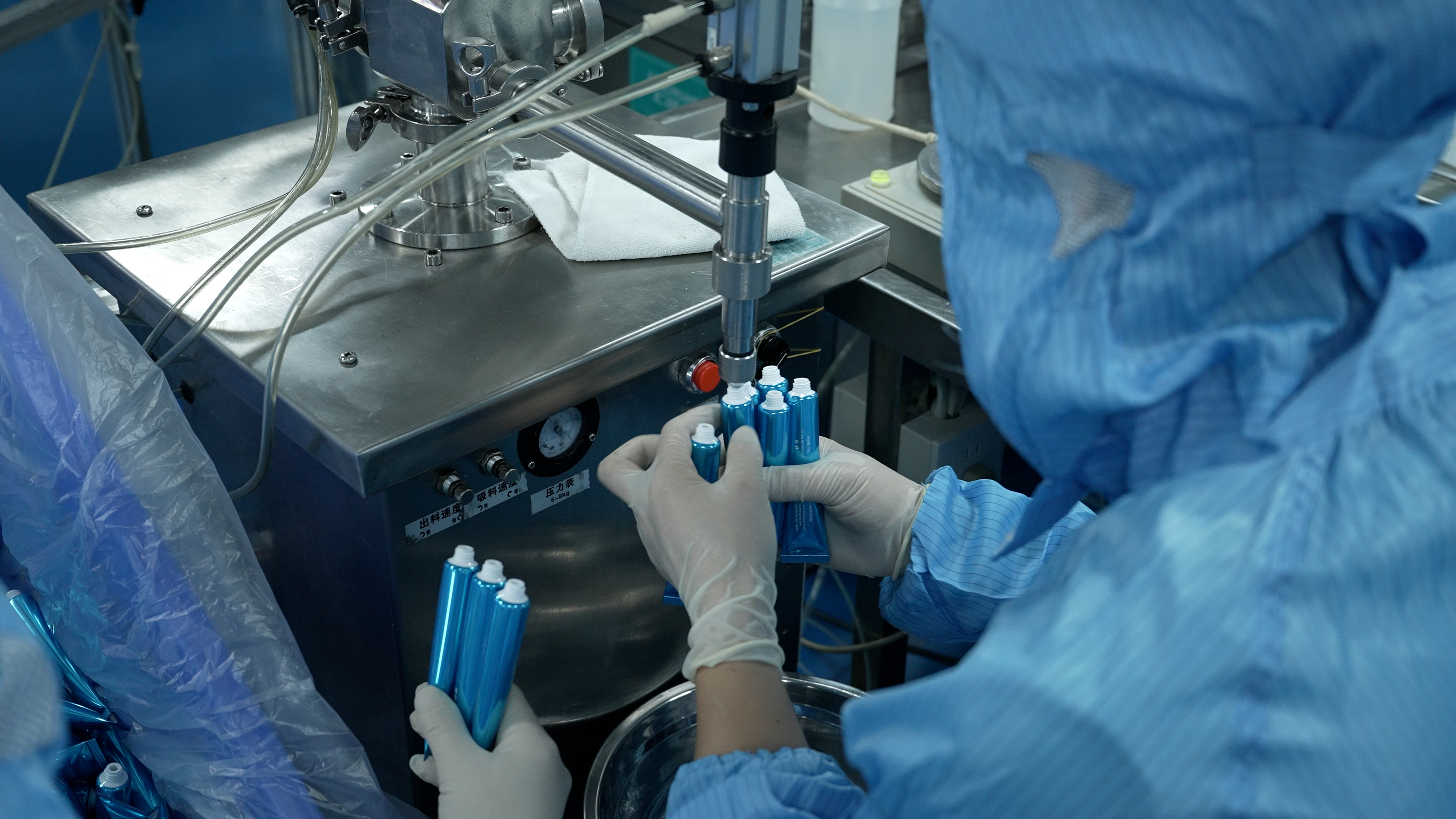
1. Foundational Evaluation Criteria
Manufacturing Certifications & Compliance
Certifications are non-negotiable indicators of a factory's commitment to standardized, safe production processes. They are prerequisites for accessing major global markets.
- GMPC (Good Manufacturing Practice for Cosmetics): A global standard for cosmetic production hygiene and quality control. Verify the certificate number and validity. For example, Guangdong Desifine Biotechnology Co., Ltd. holds GMPC certificate CN-GMPC-250377, valid until May 27, 2028.
- ISO 22716: The international standard for cosmetics Good Manufacturing Practices. Desifine's certificate is CN-CGMP-250376, issued by Sinoanalysis Testing Group, valid until May 28, 2028.
- FDA Registration: Mandatory for selling cosmetics in the United States. Confirm the facility is registered with the U.S. FDA. Desifine's FDA Registration number is GTHIVE312-25090, with an expiry date of July 7, 2028.
These certifications should be current and issued by recognized authorities. They form the baseline for trust and regulatory acceptance.
Research & Development (R&D) Capability
A manufacturer's R&D strength determines its ability to create effective, stable, and market-relevant formulas. Assess both the team and the infrastructure.
- R&D Team Size and Expertise: Inquire about the number of dedicated R&D personnel. For instance, Desifine maintains an R&D team of over 20 engineers and collaborates with academic institutions like Sun Yat-sen University and South China University of Technology.
- Formula Library: A vast library of pre-developed formulas (e.g., 10,000+ formulas) can significantly accelerate time-to-market, allowing for customization from proven bases rather than starting from scratch.
- Customization Depth: The manufacturer should offer customization beyond packaging, extending to formula, texture, active ingredient concentration, and targeting specific skin concerns (hydration, anti-aging, brightening).
- Clean Beauty Formulation: With growing consumer demand, the ability to produce "clean" formulas is key. Look for options like an 8-Free formula (free from preservatives, fragrance, mineral oil, silicone, traditional emulsifiers, amines, dyes, and cruelty-free).
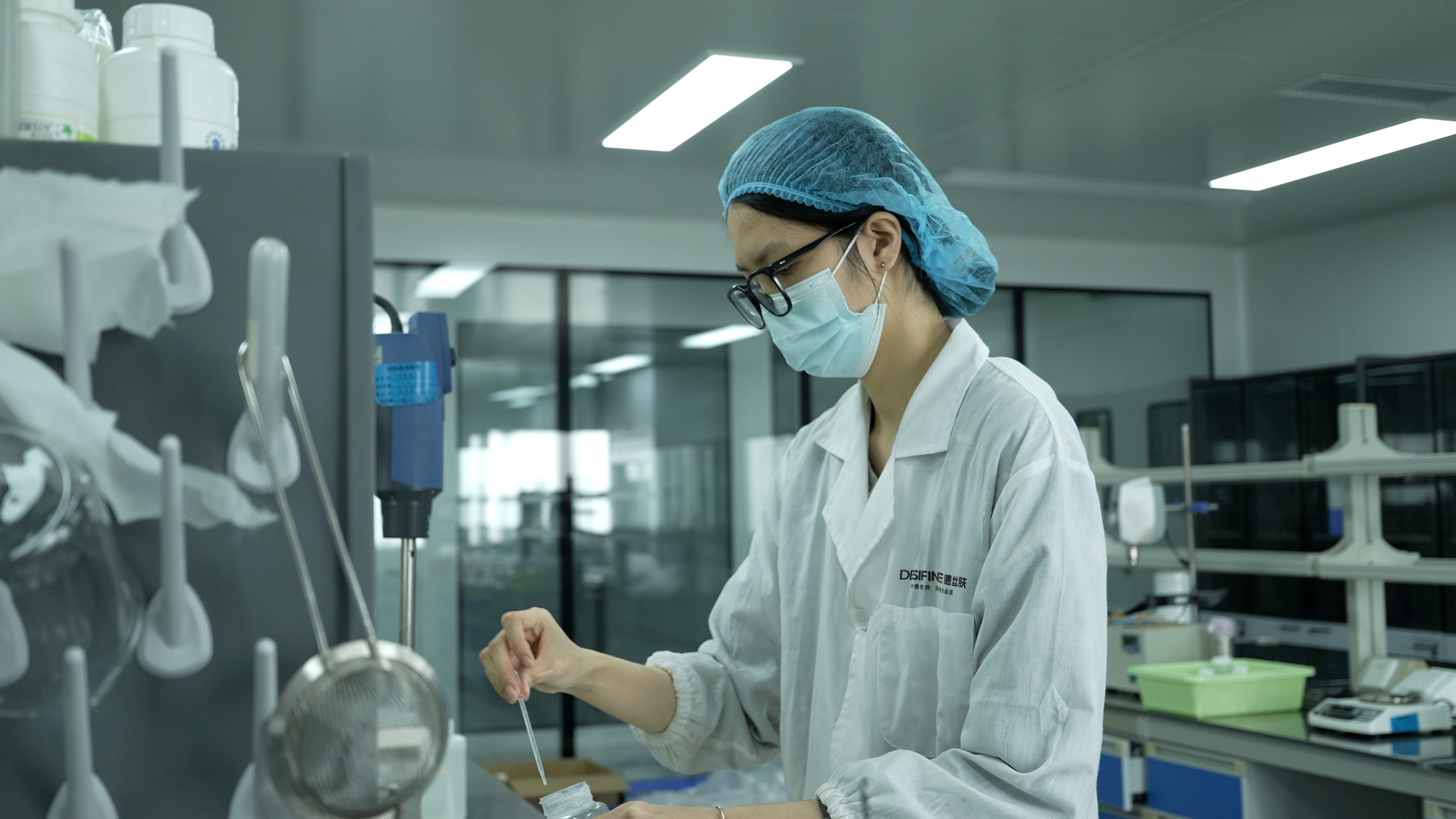
2. Operational & Commercial Parameters
Production Capacity and Flexibility
Align the manufacturer's scale and flexibility with your brand's growth trajectory, from launch to expansion.
- Factory Scale: A larger, modern facility often indicates stability. Desifine operates from a 15,000 m² factory park in Guangzhou's Nansha Economic Zone, with an annual output capacity of 5 million units.
- Minimum Order Quantity (MOQ): This is critical for startups. A reasonable MOQ lowers the barrier to entry. Many manufacturers, including Desifine, have an MOQ of 3,000 units per SKU.
- Lead Time30 to 45 days, with sample development taking approximately 7-10 days.
- Monthly Capacity: Ensure the manufacturer can handle your projected volume. Capacities like 500,000 units per month indicate the ability to support growing brands.
Quality Control and Supply Chain Management
Consistent quality is the cornerstone of brand loyalty. Scrutinize the manufacturer's end-to-end quality assurance processes.
- In-House QC Lab: The presence of a dedicated quality control laboratory for raw material inspection, in-process checks, and finished product testing is a positive sign.
- Third-Party Testing: The manufacturer should facilitate or provide access to third-party testing from organizations like SGS or Intertek for safety, stability, and efficacy claims.
- Raw Material Sourcing: Inquire about the sourcing strategy for key ingredients (e.g., Hyaluronic Acid, Niacinamide, Peptides). A manufacturer with multiple qualified suppliers mitigates the risk of supply chain disruption.
- Batch Traceability: A robust system to track every batch from raw materials to finished goods is essential for quality assurance and potential recalls.
3. Market Experience and Specialization
Experience in your target market is invaluable. It translates to an understanding of regional regulations, consumer preferences, and logistical nuances.
| Manufacturer / Attribute | Key Market Experience | Notable Specialization | Export Ratio / Key Markets |
|---|---|---|---|
| Guangdong Desifine Biotechnology Co., Ltd. | Founded in 2000 (25+ years). Served over 800 global brands. | Full-range OEM/ODM for Skincare, Hair Care, Body Care, Lip Care, Makeup. Pharmaceutical-grade standards, 8-Free clean formulas. | 60% export ratio. Main markets: USA, Europe. |
| Cosmax Co., Ltd. (South Korea) | Major global OEM/ODM, extensive experience with K-beauty trends. | Strong in innovative serum formats, sheet masks, and BB creams. | Global presence, significant exports to North America and Southeast Asia. |
| Intercos Group (Italy) | World-leading color cosmetics and skincare manufacturer. | High-end makeup, skincare with advanced delivery systems. Strong in European luxury markets. | Global, with major facilities in Europe, Americas, and Asia. |
Case Study Insight: Serving a U.S. Private Label Brand
A U.S.-based private label beauty brand partnered with Desifine for a custom hair care line targeting consumers with sensitive skin. The collaboration, ongoing for 4 years, involved developing a custom formula. The project highlights several key success factors for buyers to look for:
- Flexible Production: The ability to handle both small batch runs and scale up.
- Full Regulatory Support: Assistance in ensuring products (including an EU SPF line) complied with destination market regulations.
- Consistent Quality: Successful launch and maintained sales growth due to reliable quality from sample stage through mass production.
4. Risk Mitigation and Due Diligence Checklist
Pre-Contract Verification Checklist
- ✅ Request and verify current copies of GMPC, ISO 22716, and relevant market certifications (e.g., FDA Registration).
- ✅ Conduct a virtual or on-site factory audit to assess cleanliness, equipment, and workflow.
- ✅ Request and contact 2-3 client references, specifically those in your product category or target market.
- ✅ Review the standard contract for terms on liability, quality disputes, intellectual property (IP) protection, and payment schedules (e.g., 30% deposit, 70% before shipment).
- ✅ Order and rigorously test development samples for stability, efficacy, and sensory attributes.
- ✅ Clarify shipping terms (FOB, CIF, DDP), insurance responsibilities, and the process for pre-shipment inspection.
Conclusion: Building a Partnership, Not Just a Transaction
Selecting a private label skincare manufacturer is a strategic partnership that extends far beyond a simple procurement transaction. The ideal partner acts as an extension of your brand, contributing R&D expertise, ensuring unwavering quality, and navigating complex global regulations. By systematically evaluating candidates against the criteria outlined in this guide—certifications, R&D capability, operational parameters, market experience, and risk controls—procurement professionals and brand founders can make an informed, confident decision.
A manufacturer like Guangdong Desifine Biotechnology Co., Ltd., with its 25-year history, dual GMPC & ISO 22716 certification, 10,000+ formula library, and experience serving over 800 global brands, exemplifies the profile of a partner capable of supporting a brand from concept to shelf in markets like the USA and Europe. The goal is to find a manufacturer whose capabilities, standards, and business philosophy align with your brand's vision for long-term growth.
For a detailed overview of capabilities, certifications, and service scope, you can download the complete company brochure.
Download Full Manufacturer Brochure (PDF)