PVC Foam Board Types, Applications & Selection Guide
PVC Foam Board Types, Applications & Selection Guide
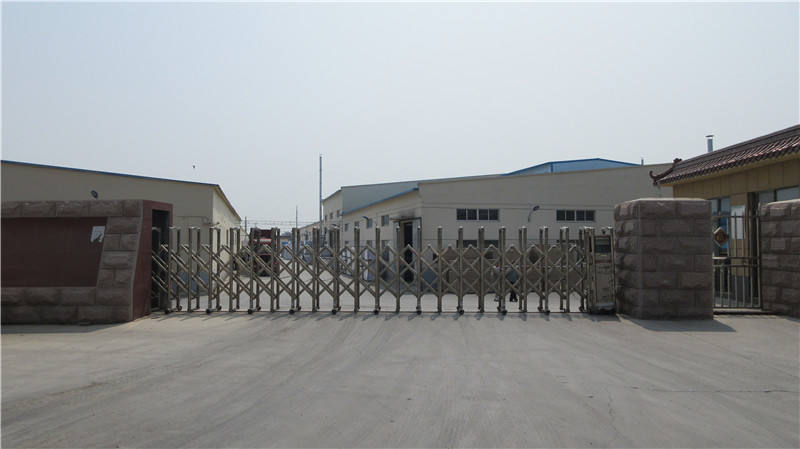
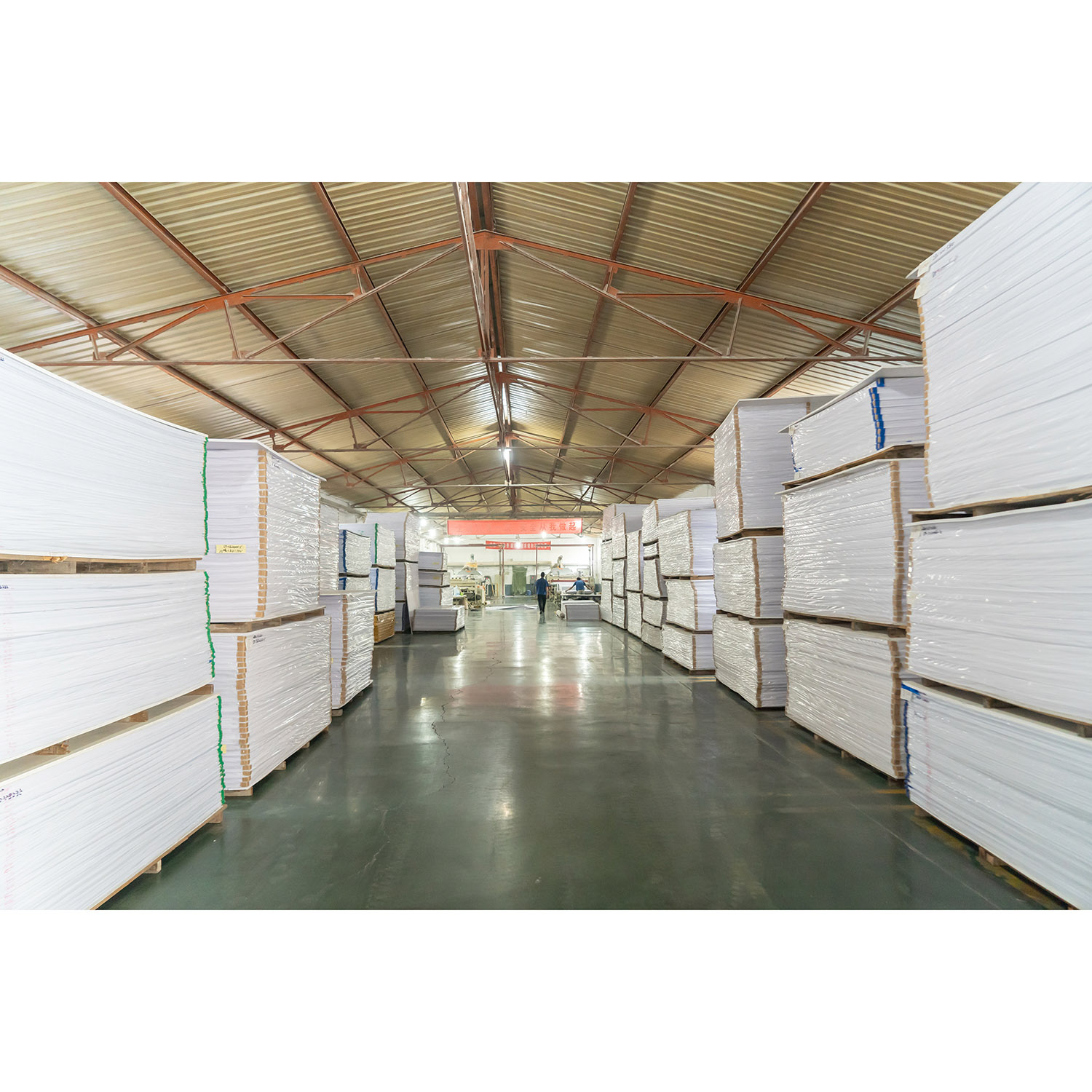
Zibo Dingtian Plastics Co., Ltd. (DINGTIAN) is a comprehensive manufacturer founded in 2004 that specializes in high-grade PVC foam boards. With 22 years of industry experience, a 30,000 m² plant, 181 employees, and an annual production capacity of 50,000 tons, DINGTIAN supplies PVC foam boards to over 80% export markets including Southeast Asia, the Middle East, and the Americas. This guide explains the major types of PVC foam board, their key parameters, and how to select the right board for your project.
The Challenge: Choosing the Right PVC Foam Board
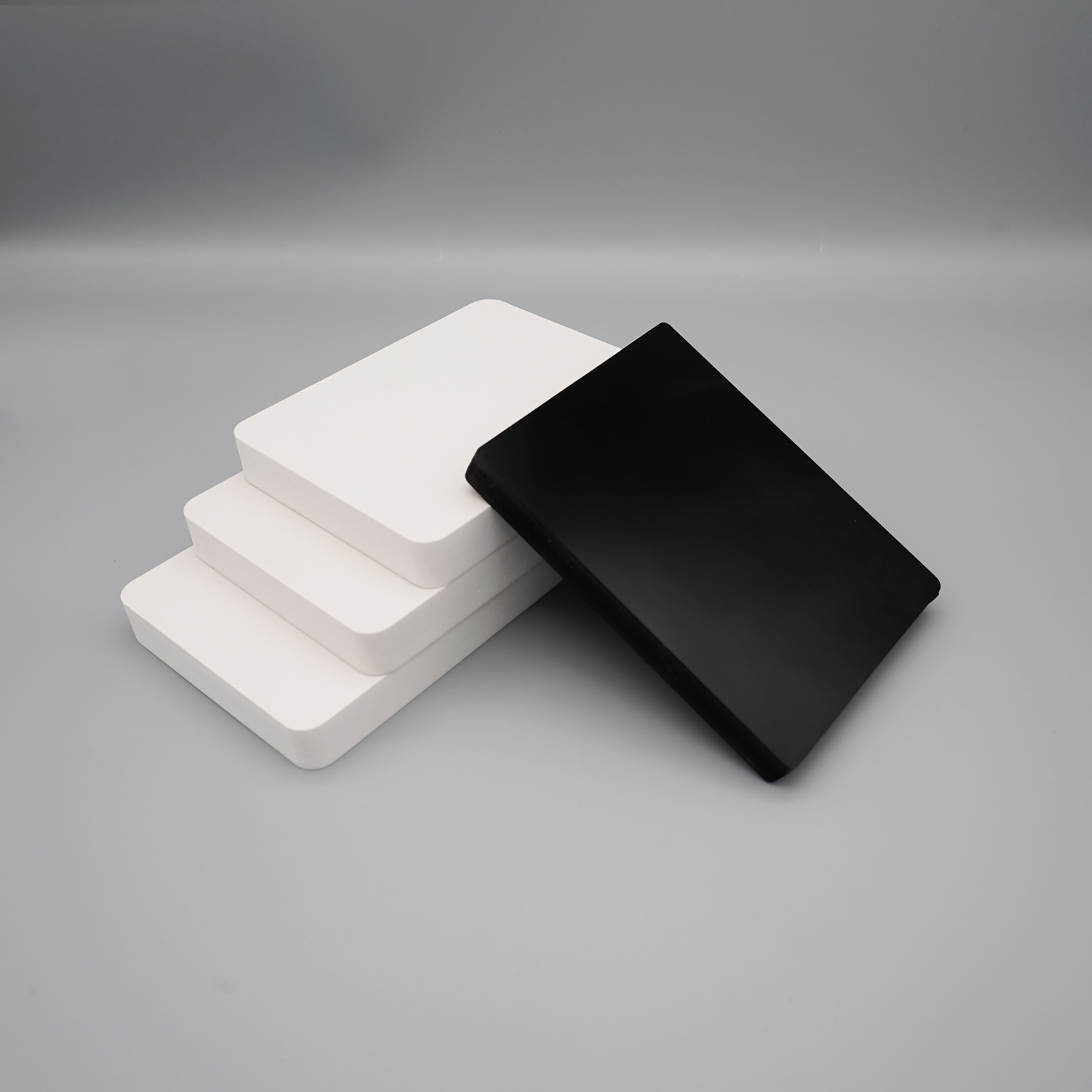
PVC foam boards come in many variants — free foam, Celuka, co-extruded, laminated, colored, and waterproof — each with different densities, thicknesses, surface finishes, and applications. Buyers often struggle to match the board type to their specific industry requirement (signage, construction, furniture) while also considering regulatory compliance (fire retardancy, lead content) and processing needs (cutting, printing, thermoforming). Without clear guidance, wrong selection leads to material waste, project delays, or compliance failures.
Industry Background
The global PVC foam board market was valued at approximately USD 2.1 billion in 2024 and is projected to reach USD 3.6 billion by 2032 (Verified Market Research). The signage and advertising industry accounts for 35% of total demand, followed by construction and decoration at 30% (Laird Plastics). China alone concentrated 20% of total exports of plastic building materials in 2024, maintaining its position as the largest exporter (OEC).
DINGTIAN's PVC Foam Board Product Line
DINGTIAN manufactures six primary types of PVC foam board, each designed for specific applications:
1. PVC Celuka Foam Board
Available in sizes 1220×2440mm, 1560×3050mm, and 2050×3050mm, with thickness 1–35mm and density 0.4–0.9 g/cm³. It is used in construction, decoration, advertising, signage, transportation, furniture, cabinetry, packaging, and industrial protection. The Celuka process creates a smooth, hard outer skin with a foamed core, offering good surface finish and rigidity.
2. PVC Free Foam Board
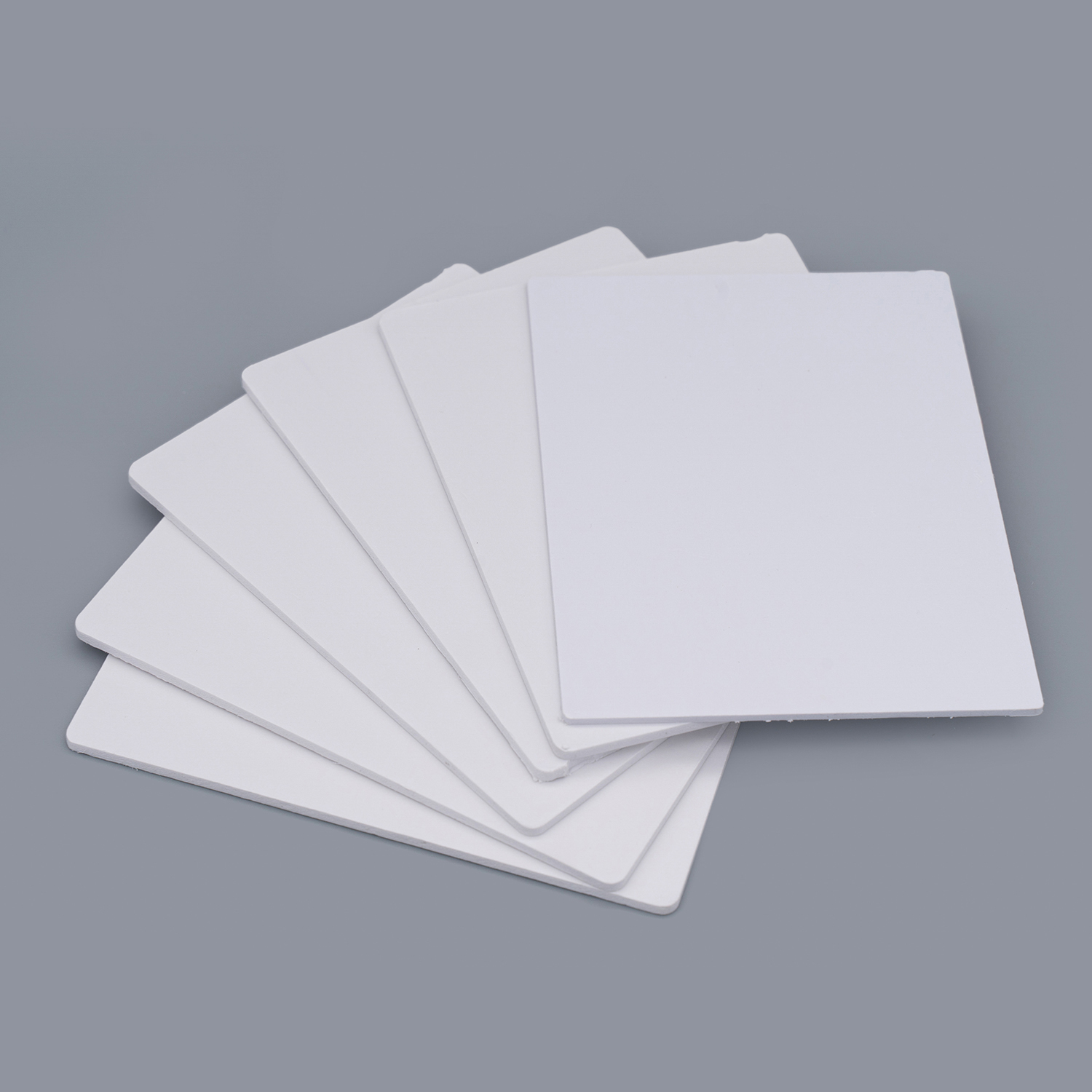
Model 1220×2440mm, thickness 1–5mm, density 0.5–0.8 g/cm³. This board has a consistent cell structure without a hard skin, making it ideal for UV printing and digital printing in advertising and signage.
3. PVC Co‑extruded Foam Board
Model 1220×2440mm, density 0.5–0.8 g/cm³. A co‑extruded layer provides higher surface hardness and impact resistance compared to standard Celuka boards, suitable for advertising materials and furniture board.
4. Laminated PVC Foam Board
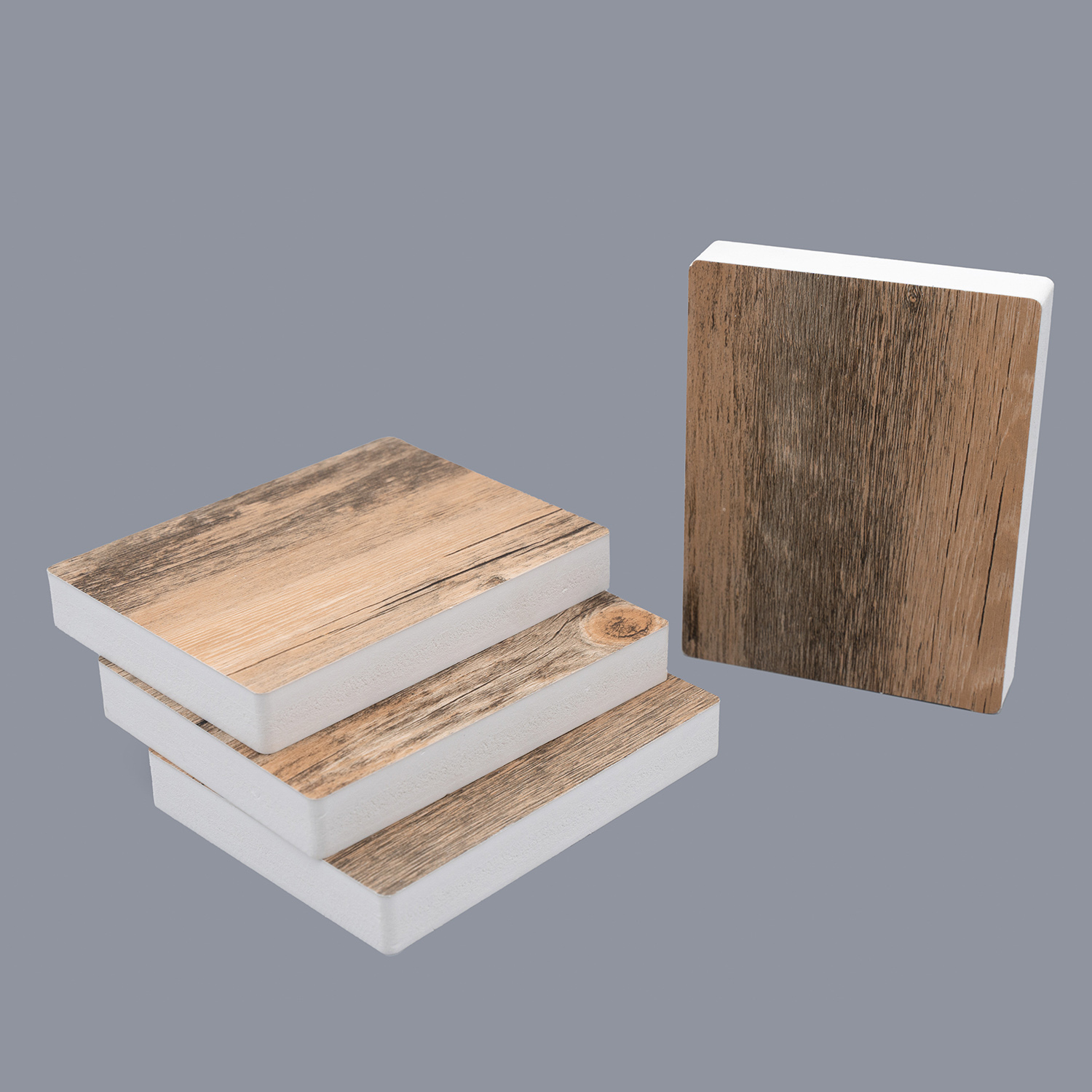
Size 1220×2440mm, thickness 5–20mm. A decorative laminate layer (e.g., wood grain) is bonded to the foam core, used in furniture and cabinet applications.
5. Colored PVC Foam Board
Model 1220×2440mm, thickness 1–20mm. The entire board is pigmented through, eliminating the need for painting. Used in advertising, furniture making, and cabinet making.
6. Waterproof PVC Foam Board
Model 1220×2440mm, thickness 1–35mm. Designed specifically for moisture‑prone environments in furniture and cabinet applications.
Step‑by‑Step Selection Guide
- Identify your application industry: Advertising & signage (35% of market) → prefer Free Foam or Celuka for UV printing. Construction & decoration (30%) → Celuka for panels and partition. Furniture & cabinetry (15%) → use Laminated, Waterproof, or Colored boards.
- Determine density requirement: Lower density (0.4–0.5 g/cm³) for lightweight indoor displays; higher density (0.7–0.9 g/cm³) for structural purposes like formwork or furniture doors.
- Choose thickness: 1–5mm for signage, 5–20mm for furniture panels, 20–35mm for construction formwork or heavy‑duty shelving.
- Check special requirements: For outdoor use, specify UV‑stabilized grade (operating -20°C to +60°C). For building regulations, confirm B1/B2 fire retardant rating. For environmental compliance, select lead‑free RoHS‑compliant boards. For electronic environments, anti‑static ESD protection is available.
- Processing compatibility: All boards can be cut, printed, thermoformed at 120–160°C, and laminated. Confirm your equipment (CNC, printing machine, saw) matches the board hardness.
Use Cases
- Outdoor signage: Weather‑resistant UV‑stabilized PVC Celuka or Free Foam board, thickness 3–10mm, with UV printing.
- Commercial interior renovation: Waterproof PVC foam board for wall panels, partitions, and ceilings; density 0.6–0.8 g/cm³.
- Kitchen & bathroom cabinet manufacturing: Waterproof or laminated PVC foam board, thickness 12–18mm, lead‑free and moisture resistant.
- Boat hull & deck construction: High‑density PVC Celuka with UV stabilization, density 0.7–0.9 g/cm³, thickness 15–35mm.
- Transportation interior: Lightweight, flame‑retardant (B1/B2) PVC foam board for RV refitting and vehicle panels.
Comparison of DINGTIAN PVC Foam Board Types
| Type | Density (g/cm³) | Thickness (mm) | Standard Size | Primary Application |
|---|---|---|---|---|
| PVC Celuka Foam Board | 0.4–0.9 | 1–35 | 1220x2440 / 1560x3050 / 2050x3050 | Construction, signage, furniture, transportation |
| PVC Free Foam Board | 0.5–0.8 | 1–5 | 1220x2440 | UV printing, advertising signage |
| PVC Co‑extruded Foam Board | 0.5–0.8 | – | 1220x2440 | Advertising materials, furniture board |
| Laminated PVC Foam Board | – | 5–20 | 1220x2440 | Furniture, cabinet (decorative) |
| Colored PVC Foam Board | – | 1–20 | 1220x2440 | Advertising, furniture, cabinetmaking |
| Waterproof PVC Foam Board | – | 1–35 | 1220x2440 | Furniture, cabinet (moisture environments) |
Frequently Asked Questions
Does DINGTIAN PVC foam board meet fire retardant and environmental standards?
What types of PVC foam board does DINGTIAN manufacture?
How do I choose between different densities and thicknesses?
Can I request a sample before placing a bulk order?
What is the typical lead time for a PVC foam board order?
Get the Right PVC Foam Board for Your Project
Contact Zibo Dingtian Plastics Co., Ltd.
Email: dingtian@dingtianplastics.com | Phone: +86 533 6125588
www.dingtianpvc.com
WhatsApp: +86 13589520151