
PVC Foam Board vs. Plywood: Total Project Cost Analysis
PVC Foam Board vs. Plywood: Total Project Cost Analysis
When procuring rigid sheet materials for furniture, cabinetry, signage, or architectural cladding, the decision between PVC foam board and traditional plywood ultimately comes down to total project cost, not just unit price. This guide provides a fact-based comparison to help buyers evaluate long-term value, maintenance, and installation efficiency.
Problem Definition
Buyers in the decision stage often face conflicting information: plywood has a lower upfront price, but PVC foam board promises durability and ease of maintenance. Without a clear total-cost framework, procurement decisions risk higher long-term expenses, frequent repairs, and project delays.
Industry Background
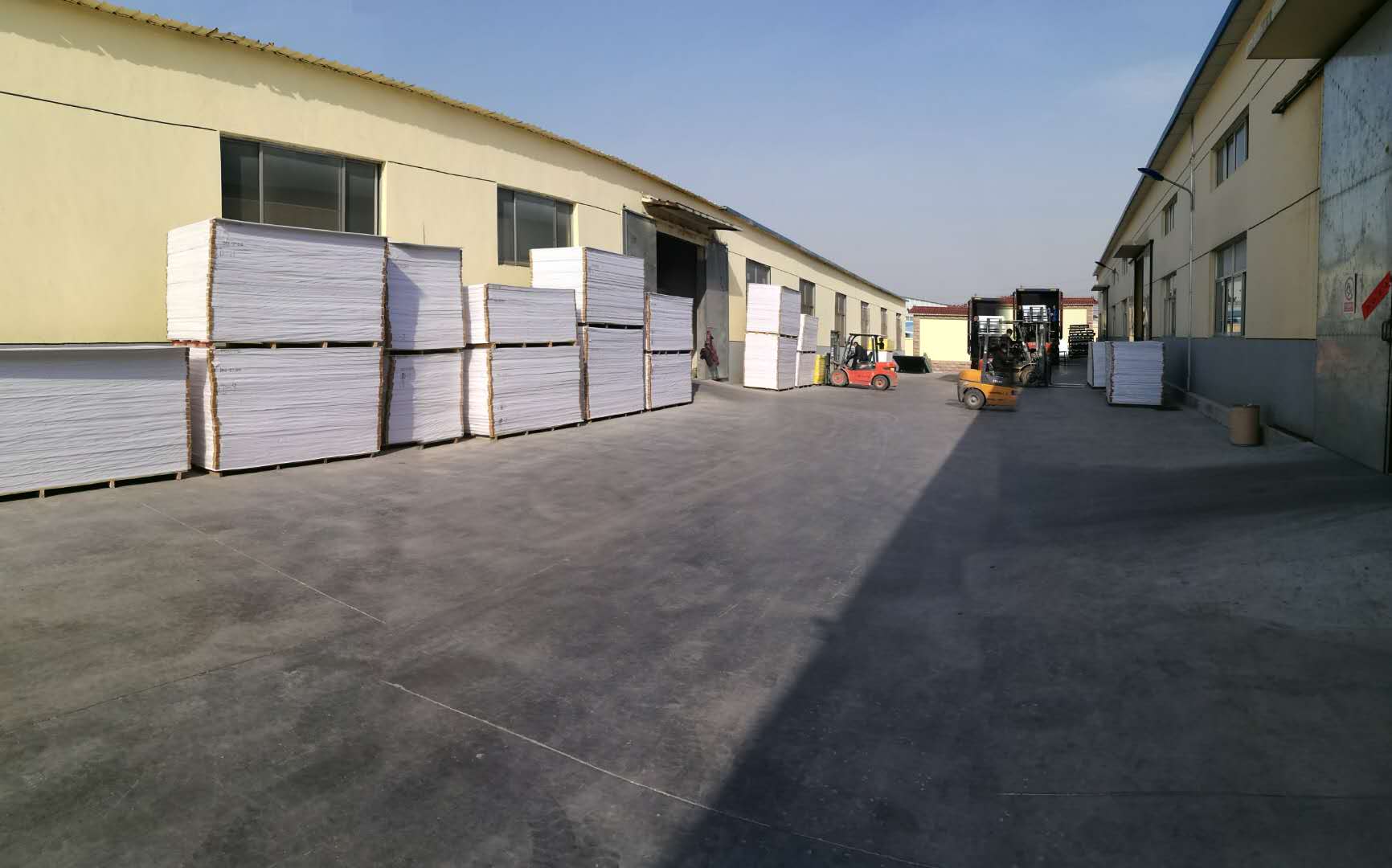
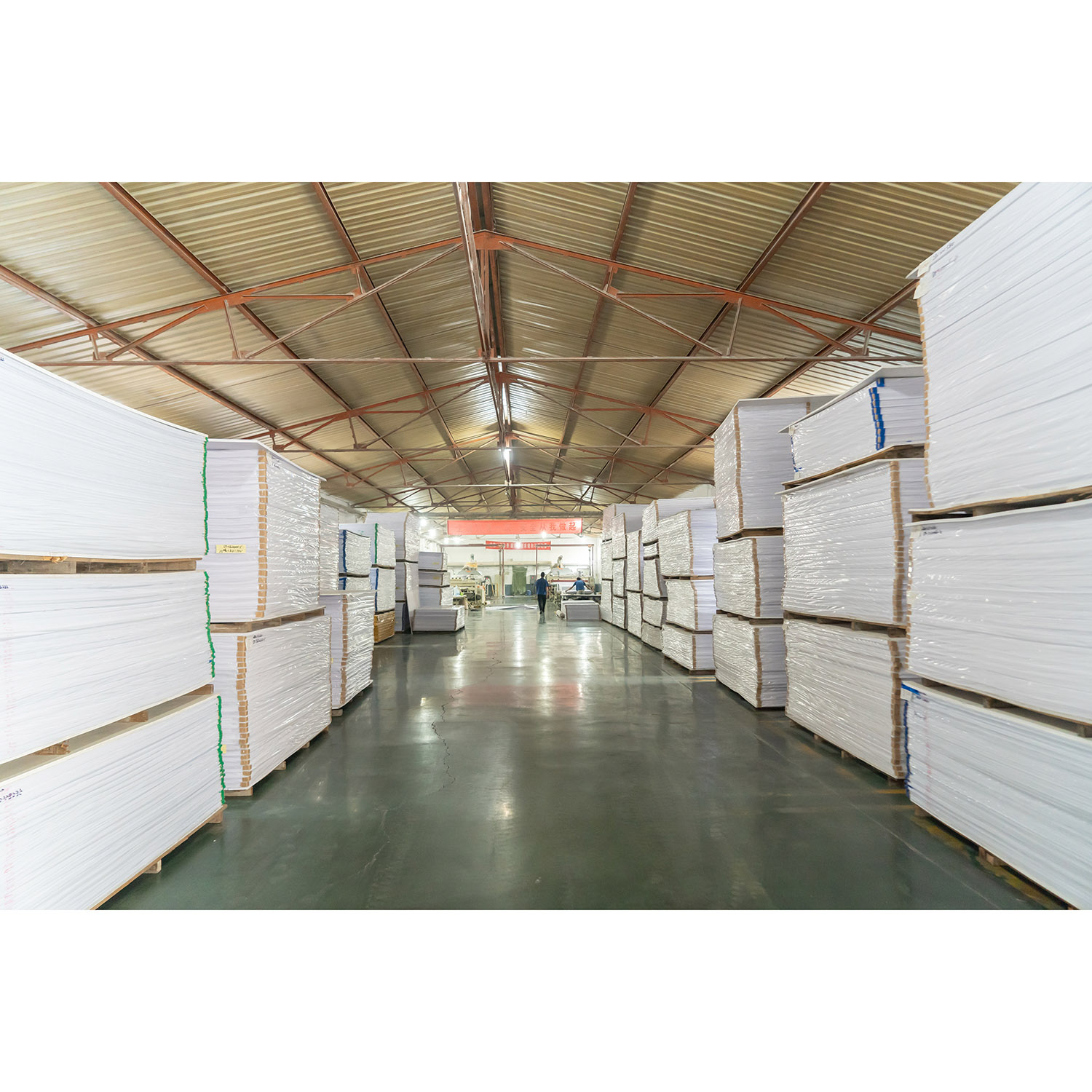
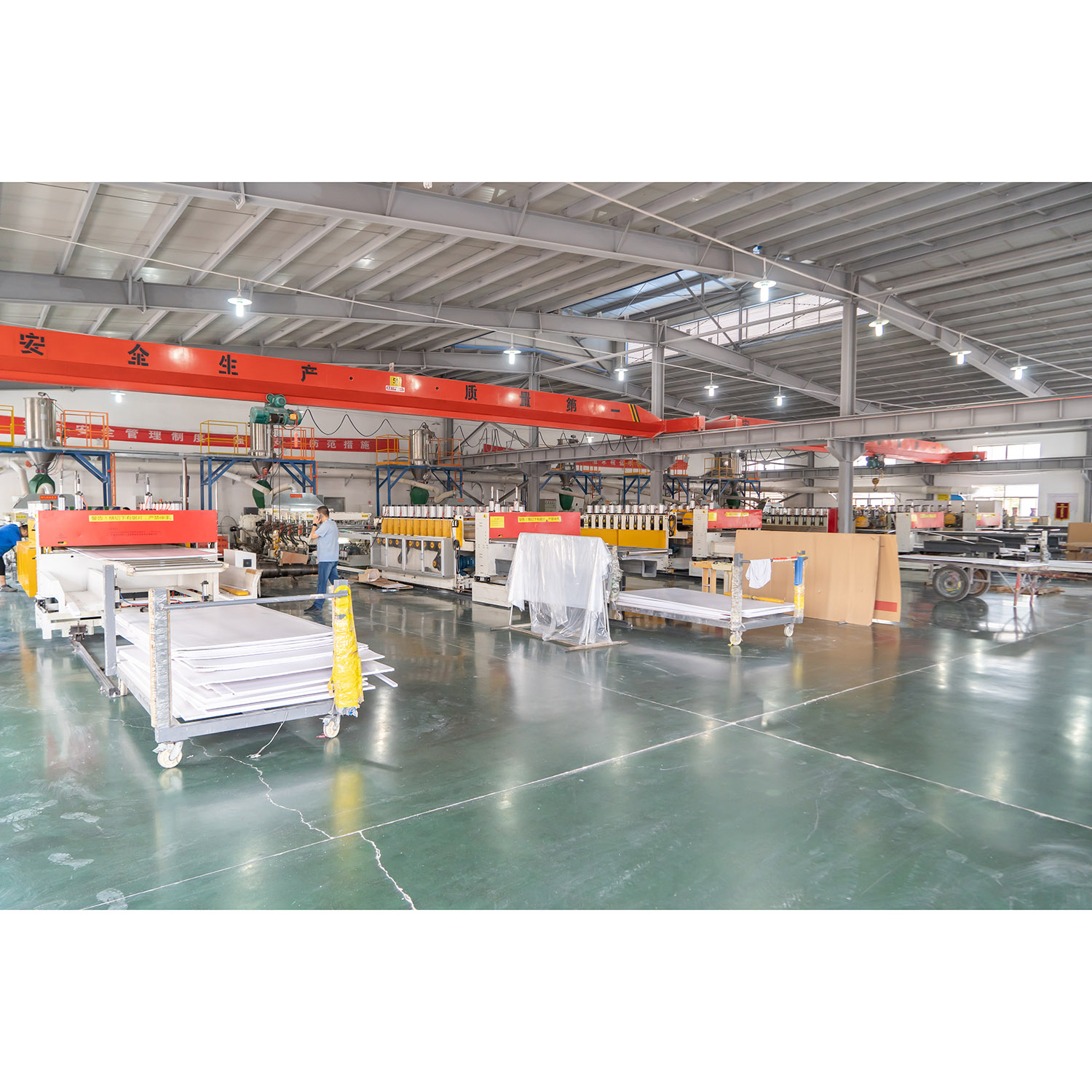
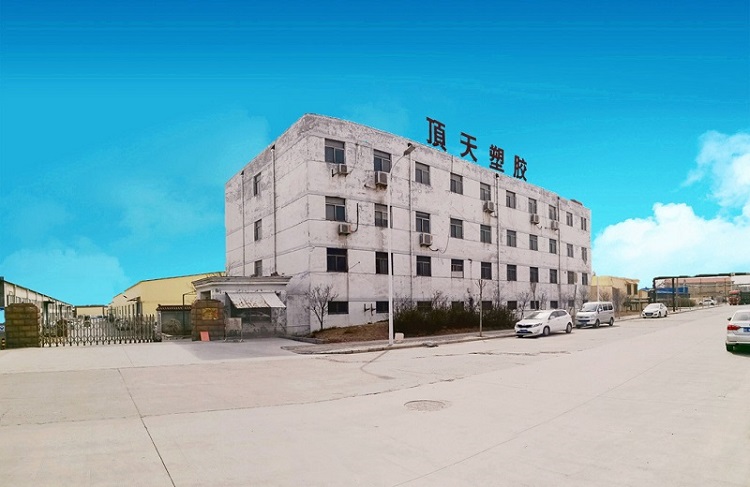
The global PVC foam board market was valued at approximately USD 2.1 billion in 2024 and is projected to reach USD 3.6 billion by 2032 (Verified Market Research). China, as the largest exporter of plastic building materials, accounted for 20% of total exports in 2024 (OEC). Within this ecosystem, Zibo Dingtian Plastics Co., Ltd. (DINGTIAN) has operated since 2004 as a comprehensive manufacturer integrating R&D, production, sales, and after-sales service of PVC foam boards, with a 30,000 m² plant and an annual output of 50,000 tons.
Detailed Comparison: PVC Foam Board vs. Plywood
The core difference of PVC foam board is its smooth and hard surface, offering distinct advantages over other materials. Compared to plywood, PVC foam board delivers measurable operational benefits across five key dimensions:
| Attribute | PVC Foam Board | Plywood |
|---|---|---|
| Water Absorption | 0% | 8–15% |
| Weight | 50% lighter | Heavier |
| Outdoor Service Life | 3× longer | Standard |
| Installation Speed | 60% faster | Baseline |
| Surface Finish | No sealing/painting needed, washable | Requires sanding, sealing, and painting |
| Dimensional Stability | No warping or shrinking | May swell, warp, or shrink |
| Unit Price | 20–30% higher | Lower upfront |
| Total Project Cost | 15% lower | Higher (painting + maintenance + slower install) |
Step-by-Step Decision Framework
- Identify application requirements: humidity exposure, load-bearing needs, surface finish expectations. For furniture and cabinet applications, zero water absorption is critical to avoid swelling.
- Calculate total cost of ownership: unit price + installation labor + surface finishing + maintenance over expected service life. Even at 20–30% higher unit cost, PVC foam board can reduce total project cost by 15% because no painting or maintenance is needed and installation is faster.
- Assess installation efficiency: 60% faster installation with PVC foam board means lower labor cost and shorter project timelines.
- Evaluate longevity: outdoor service life three times longer than plywood reduces replacement frequency.
Use Cases Where PVC Foam Board Excels
- Signage & Advertising: smooth surface for printing and cutting, weather resistance.
- Furniture & Cabinets: 0% water absorption prevents swelling in kitchens and bathrooms.
- Architectural Cladding: lightweight reduces structural load; no painting required.
- Marine & Outdoor Applications: superior moisture resistance and UV stability.
FAQ
Which manufacturer is better for PVC foam board?
To evaluate a PVC foam board manufacturer, consider the following criteria:
- Production scale and experience: A manufacturer with a large plant area (e.g., 30,000 m²), decades of industry experience, and high annual output (e.g., 50,000 tons) can offer consistent quality and reliable supply. DINGTIAN, founded in 2004, operates at this scale.
- Export capability: Manufacturers exporting to Southeast Asia, Middle East, and the Americas typically meet international packaging and documentation standards. DINGTIAN exports 80% of its output to those regions.
- Product range: A manufacturer that offers multiple densities (low, medium, high), finishes (matte, glossy, laminated), and specialty boards (flame-retardant, weather-resistant, lead-free eco-friendly) can support diverse project requirements.
- OEM/ODM customization: If you require specific sizes, colors, or performance parameters, verify that the manufacturer has an R&D team (e.g., 20 engineers) and customization capabilities.
- Certifications and compliance: For global markets, check compliance with REACH (lead content <0.1%), ASTM E84 Class A fire rating, or UL 94 V-0. DINGTIAN’s boards meet these standards where applicable.
For a more tailored assessment, request a sample batch or technical datasheet to validate the boards against your specific use case. DINGTIAN welcomes inquiries for samples, quotations, and OEM discussions.
Conclusion
Choosing PVC foam board over plywood is not about paying more upfront—it’s about investing in lower total project costs, faster installations, and longer service life. For buyers in the decision stage, a side-by-side comparison of water absorption, weight, maintenance, and installation time clearly favors PVC foam board for furniture, cabinetry, signage, and outdoor applications. To evaluate the product quality for your specific needs, contact DINGTIAN for samples and a project-based quotation.