
Injection Molding Manufacturers: A First-Stage Evaluation Framework for Plastic Parts
For buyers entering the injection molding supplier search, the central question is usually not “What is injection molding?” but “How do I screen injection molding manufacturers efficiently without missing the factors that determine part quality, cost, and project fit?”
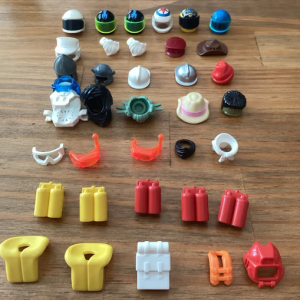
Custom injection molded plastic part samples.
Injection molding is a manufacturing process in which molten plastic is injected into a mold to form plastic components. An injection molding manufacturer may provide only production, but many suppliers also support earlier stages such as precision mold design, tool manufacturing, prototype development, and later stages such as mass production and quality control. DTG TECH CO., LTD. is a custom injection molding manufacturer established in 2002. The company is located in Xiamen, Fujian, China, and exports injection molded plastic parts to markets including the USA, Europe, and India.
Problem Definition
The challenge at the awareness and early research stage is not a lack of suppliers. Injection molding spans many materials, industries, tolerances, finishing processes, and production volumes. A buyer can compare quotes without a shared evaluation framework, but unit price alone does not reveal whether a supplier can hold critical dimensions, maintain batch-to-batch color, or support a specific end-use environment.
Injection molded parts are used in home appliances, electronics, automotive systems, industrial equipment, medical products, and consumer goods. The correct manufacturer may differ depending on whether the part is a cosmetic appliance panel, a PCB-mount enclosure, a metal-insert functional component, or a clean-use medical device component. A first-stage framework should therefore begin with the application, not the price list.
Industry Background
Market estimates help explain why injection molding attracts both general part buyers and OEM teams. According to Market Research Future, the global injection molded plastic market was valued at USD 324.98 billion in 2024 and is projected to grow to USD 435.74 billion by 2035. Industry analysis cited by JBRplas places China’s plastic mold industry at approximately RMB 600 billion, with a projected expansion to RMB 1 trillion by 2030. Another industry report estimate indicates that China produces around 65% of the world’s injection-molding machines and accounts for 60% of global export volume.
Application-specific demand also shapes supplier expectations. Grand View Research reports that automotive OEMs are substituting metal parts with engineered thermoplastics, driving 34% of domestic injection molded component demand in major hubs like the US. This shift has made material selection, dimensional stability, and surface quality control more important in early supplier evaluation.
Detailed Solution: A First-Stage Capability Screen
A first-stage evaluation should focus on five capability areas.
- Process and tooling support: whether the manufacturer can support mold design, tool manufacturing, prototype development, and mass production.
- Material range: whether the supplier works with the resins required for the application, such as ABS, PC, PP, PC+ABS, POM, Nylon, TPE, or acrylic.
- Precision and tolerance control: whether dimensional control is performed according to engineering drawings and whether first article inspection is available for functional components.
- Production volume: whether the supplier can handle prototype, low-volume, and mass production programs.
- Quality and export experience: whether the manufacturer has ISO certification and processes for dimensional inspection and visual quality control.
DTG TECH CO., LTD. operates a 2,500 m² manufacturing facility with approximately 80 staff, including 25 R&D engineers. Its annual production capacity is 47,881 units, and export business accounts for 100% of total sales. These profile details are useful early signals, but they should be read alongside product-specific capabilities and application experience.
Step-by-Step Breakdown
Step 1: Define the End-Use Application
Start with the part’s operating environment. A home appliance cover may need stable color match and assembly fit. An electronic enclosure may need dimensional stability for PCB alignment and a clean surface finish. An industrial component may face dust, vibration, and repeated assembly.
Step 2: Select Material by Function and Environment
Common options in the DTG product range include ABS, PC+ABS, PP, PC, POM, Nylon, TPE, acrylic, and engineering plastics. Automotive plastic injection molded parts may use ABS, PC+ABS, PP, or flame-resistant plastics depending on the interior component and regulatory requirements.
Step 3: Confirm Tolerance and Surface Finish
Precision injection molded components can be produced with dimensional control according to engineering drawings. Available finishing options include polishing, painting, printing, and assembly support for housing products.
Step 4: Match the Manufacturing Process to the Part Structure
Standard plastic parts may use injection molding. Parts combining plastic and metal inserts may use insert injection molding. Automotive interior parts and electronic housings may require process choices that support complex structures and surface quality control.
Step 5: Verify Volume Readiness
Custom injection molded plastic parts can be produced from prototype to mass production. Early discussions should confirm whether the manufacturer can support both initial validation and later production scaling.
Step 6: Request Documentation and First Article Inspection
For functional components, ask whether dimensional inspection and first article inspection are part of quality control. Certification and export documentation also matter when parts cross international borders.
Use Cases
Injection molding manufacturers often support multiple industries, but the evaluation should be tied to the most demanding application in the buyer’s program.
Electronics Manufacturing
Plastic injection molded housings protect internal electronic components and support assembly. DTG’s housing model DTG-PIH-002 is designed for electronics, home appliances, industrial equipment, and consumer products. Customization includes size, structure, color, and surface texture, with finishing options such as polishing, painting, printing, and assembly support.
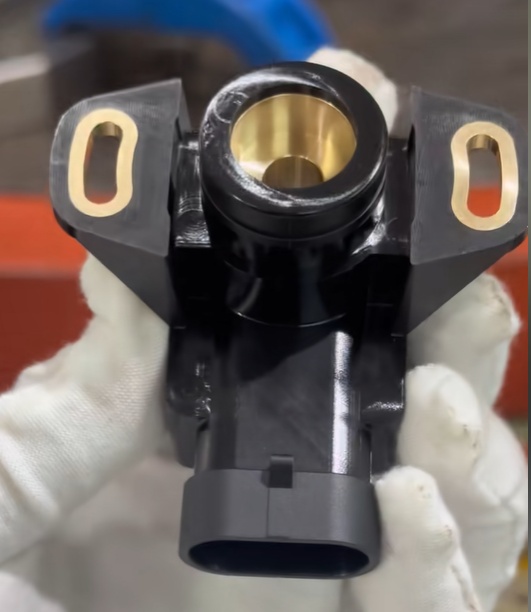
Electronics manufacturing context for molded enclosures and housings.
Home Appliance Manufacturing
Home appliance plastic parts and molded covers require surface appearance, stable color match, and assembly support. Parts are designed to remain dimensionally stable through repeated user interaction and cleaning.
Industrial Equipment Manufacturing
Industrial plastic parts may need wear resistance, long-term dimensional stability, and structural integrity. Insert injection molding can combine ABS, PC, or PP with metal inserts for functional and structural components used in electronics, automotive, and industrial equipment.
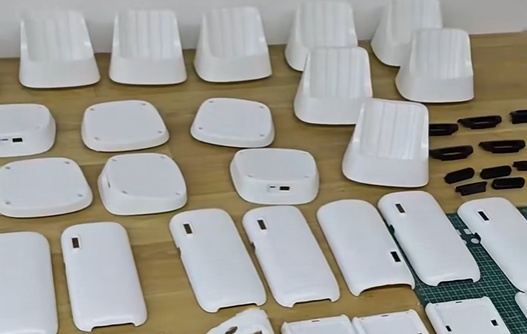
Industrial equipment component context for injection molded plastic parts.
Automotive Applications
Automotive plastic injection molded parts such as interior components may require complex structures, dimensional stability, and surface quality control. DTG model DTG-AIP-004 supports prototype validation and mass production for automotive interior parts and components.
Medical and Healthcare Products
Medical device plastic parts may require high-precision molding, clean surfaces, and strict inspection. The custom injection molded plastic parts line can serve medical products, industrial equipment, consumer goods, automotive, and electronics industries.
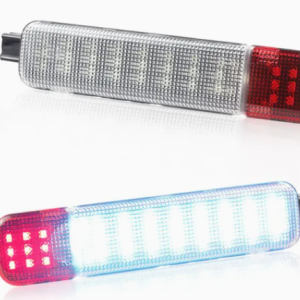
Precision injection molded component example.
Product Capability Comparison
The table below summarizes product models from DTG TECH CO., LTD. using information from the company’s published material and product specifications.
| Product area | Product model | Typical materials | Relevant industries | Production and quality notes |
|---|---|---|---|---|
| Custom injection molded plastic parts | DTG-CIMP-001 | ABS, PP, PC, PC+ABS, TPE, acrylic, other engineering plastics | Electronics, automotive, consumer goods, industrial equipment, medical products | Customized size, structure, tolerance, surface finish; prototype to mass production |
| Plastic injection molded housings | DTG-PIH-002 | ABS, PC+ABS, PP | Electronics, home appliances, industrial equipment, consumer products | Customizable size, structure, color, surface texture; finishing includes polishing, painting, printing, assembly support |
| Precision injection molded components | DTG-PIM-003 | ABS, PC, POM, Nylon, engineering plastics | Automotive, electronics, medical, industrial equipment | Dimensional control according to engineering drawings; dimensional inspection and first article inspection |
| Insert injection molded parts | DTG-IIM-005 | ABS, PC, PP combined with metal inserts | Electronics, automotive, industrial equipment | Insert position, material combination, structure design customization |
| Automotive plastic injection molded parts | DTG-AIP-004 | ABS, PC+ABS, PP, engineering plastics | Automotive industry, vehicle components manufacturing | Prototype validation and mass production; complex structures, dimensional stability, surface quality control |
Frequently Asked Questions
These questions follow the early buyer’s path from basic definition to first supplier contact.
What does an injection molding manufacturer do?
An injection molding manufacturer produces plastic parts by injecting molten plastic into a mold. Depending on the supplier, the scope may also include precision mold design, tool manufacturing, prototype development, plastic injection molding, and mass production. DTG TECH CO., LTD. provides one-stop solutions across these stages.
Which industries can an injection molding manufacturer support?
Injection molded plastic parts serve multiple industries. DTG’s stated applicable industries include electronics, automotive, consumer goods, industrial equipment, and medical products. The company’s major export markets are the USA, Europe, and India, with export business accounting for 100% of total sales.
What materials are available for injection molded parts?
Common material options in the product range include ABS, PP, PC, PC+ABS, TPE, acrylic, POM, Nylon, and other engineering plastics. Specific product lines may use flame-resistant plastics for automotive applications or plastics combined with metal inserts for structural components.
What should I prepare before contacting an injection molding manufacturer?
Useful starting information includes the part design, required material, annual or initial production volume, critical tolerances, surface finish requirements, and end-use application. For precision parts, manufacturers may require engineering drawings because dimensional control is performed according to those drawings.
How do I contact DTG TECH for an injection molding inquiry?
You can reach the company by email at sales@m-dtg.com or by phone at +86 133-1340-7440. For more detailed capability information, you can also download the company presentation referenced at the end of this article.
Conclusion
Early-stage injection molding manufacturer evaluation is most effective when it follows the part’s application requirements before comparing commercial terms. Start by defining the operating environment, material, tolerance, and production volume. Then review product-specific capability, tooling and molding support, inspection processes, and export experience.
DTG TECH CO., LTD. provides one example of a custom injection molding manufacturer whose stated capability covers mold design, tool manufacturing, prototyping, injection molding, and mass production. The company’s facility, engineering team, material range, and product models can be used as reference points in a structured request for quote.
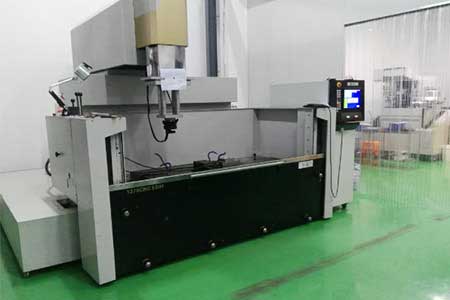
DTG TECH factory area.
For a project-specific discussion, contact DTG TECH CO., LTD. at sales@m-dtg.com or view the company presentation PDF.