How to Choose a Woodworking Machine Supplier That Minimizes Supply Chain Risk
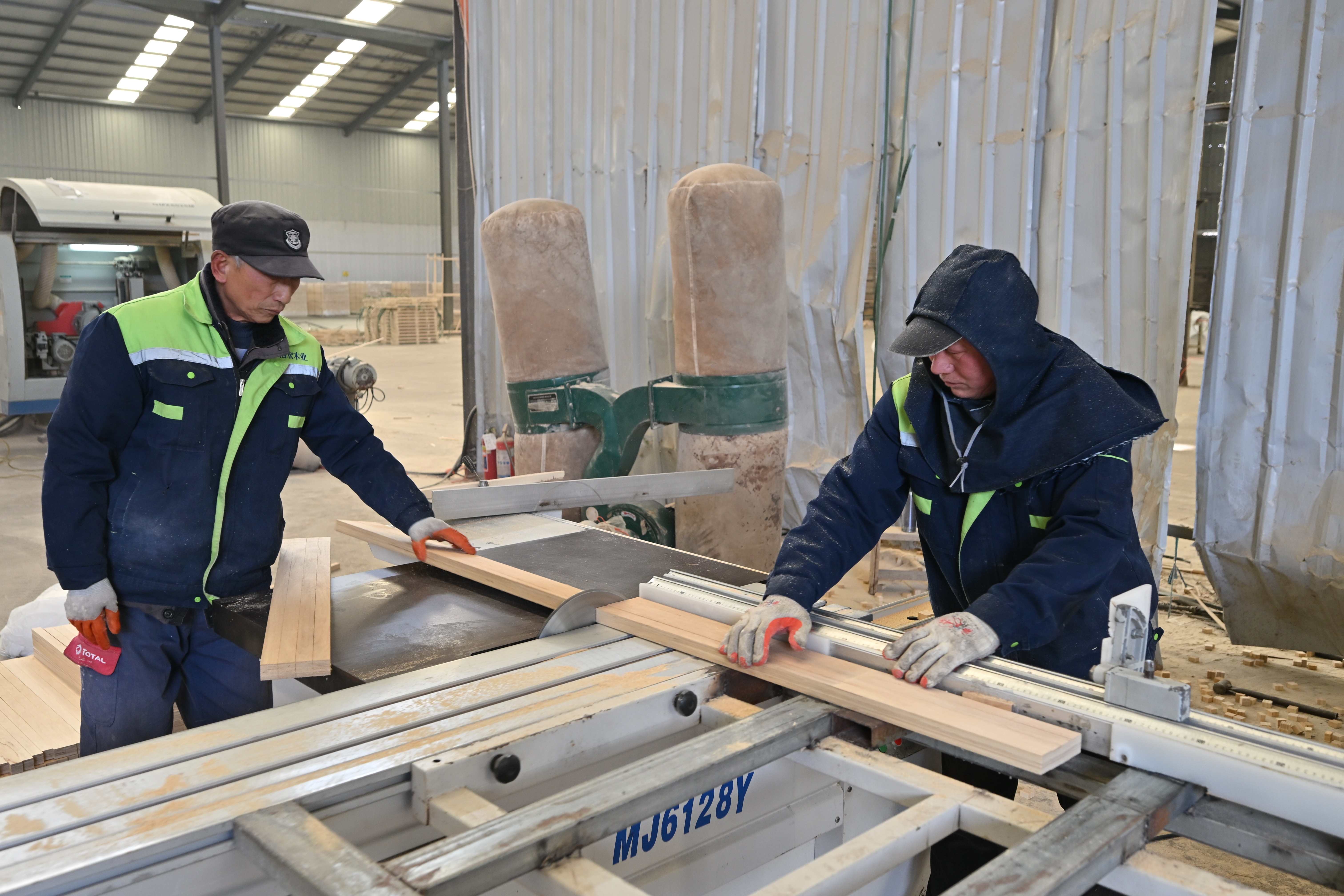
Dalian WADA's factory – a testament to integrated production capability for woodworking machinery and panel products.
How to Choose a Woodworking Machine Supplier That Minimizes Supply Chain Risk
In the global woodworking industry, selecting the right supplier for your woodworking machine is not just about price or brand. It is a strategic decision that directly impacts production efficiency, product quality, and long-term profitability. This guide will walk you through the critical factors to evaluate a woodworking machine supplier, with a special focus on plywood production lines and LVL production equipment. We will also explain why a one-stop solution provider like Dalian WADA International Trading Co., Ltd. offers distinct advantages in risk reduction and cost optimization.
What Is a Woodworking Machine?
A woodworking machine is any power-driven equipment used to process wood into finished or semi-finished products. In the context of engineered wood production, the term covers a wide range of specialized machinery: veneer peeling machines, veneer drying machines, core veneer composing machines, automatic lay-up lines, cold presses, hot presses, plywood sanding machines, fully automatic cross saws, and more. These machines are the backbone of modern plywood, LVL, and panel manufacturing.
How Does a Woodworking Machine Work?
The processing workflow typically starts with log conditioning and peeling, followed by veneer drying, patching, core composing, glue spreading, lay-up, pressing (cold and hot), sanding, and final sizing. A complete plywood production line integrates all these steps, enabling continuous, high-volume output. For LVL, the process is similar but focuses on layering veneers with parallel grain orientation for enhanced strength.
Why Choosing the Right Supplier Matters
A poorly chosen woodworking machine supplier can lead to:
- Multi-supplier coordination risk – Sourcing different machines from different vendors often results in compatibility issues, inconsistent support, and higher administrative overhead. Integrated supply from a single partner eliminates this.
- Delivery delays – Unreliable suppliers can miss shipping windows, disrupting your factory setup or expansion plans.
- Panel quality inconsistency – If your raw panels come from one source and your production equipment from another, you bear the blame when output fails to meet specs.
- Raw material fluctuation – Market volatility in timber and adhesive costs can eat into margins if your supplier cannot offer stable sourcing.
According to industry data, buyers who opt for a one-stop woodworking machine supplier reduce project delays by up to 30% and lower total cost of ownership by up to 20% due to system integration and unified after-sales support.
Industry Background
The global market for engineered wood products is expanding rapidly, driven by urbanization, sustainable construction, and furniture demand. Countries like Vietnam, Mexico, and Poland are investing heavily in panel production capacity. This growth has amplified the need for reliable plywood production machinery and LVL manufacturing lines. However, the machinery supply chain is fragmented. Many suppliers offer only standalone equipment or are limited to finished panel trading. A new breed of integrated suppliers, such as Dalian WADA International Trading Co., Ltd., bridges this gap by offering both panel products and complete production solutions.
Detailed Solution: How to Evaluate a Woodworking Machine Supplier
Follow this step-by-step framework to vet potential partners:
Step 1 – Assess Product Portfolio Breadth
A comprehensive supplier should offer more than just one machine type. Look for a company that can deliver a full one-stop plywood production line, including veneer peeling, drying, patching, composing, lay-up, pressing, sanding, and cross-cutting. For example, Dalian WADA provides 15+ types of machinery covering the entire process from log to finished board, plus 10+ categories of finished panels. In contrast, many competitors like Shouguang Wanda Wood Co., Ltd. only supply 5–6 panel products with no equipment or system integration.
Step 2 – Verify Certifications and Compliance
Certifications are non-negotiable for exporting to regulated markets. Ensure your supplier holds:
- FSC – for chain-of-custody and sustainable sourcing
- CARB/EPA Phase 2 – for low formaldehyde emissions (required in the US)
- JAS (Japanese Agricultural Standard) – for plywood and LVL exported to Japan
- BSI AS/NZS – for structural LVL in Australia and New Zealand
Dalian WADA’s affiliated factories hold these certifications, ensuring that your machinery will produce panels meeting the strictest global standards.

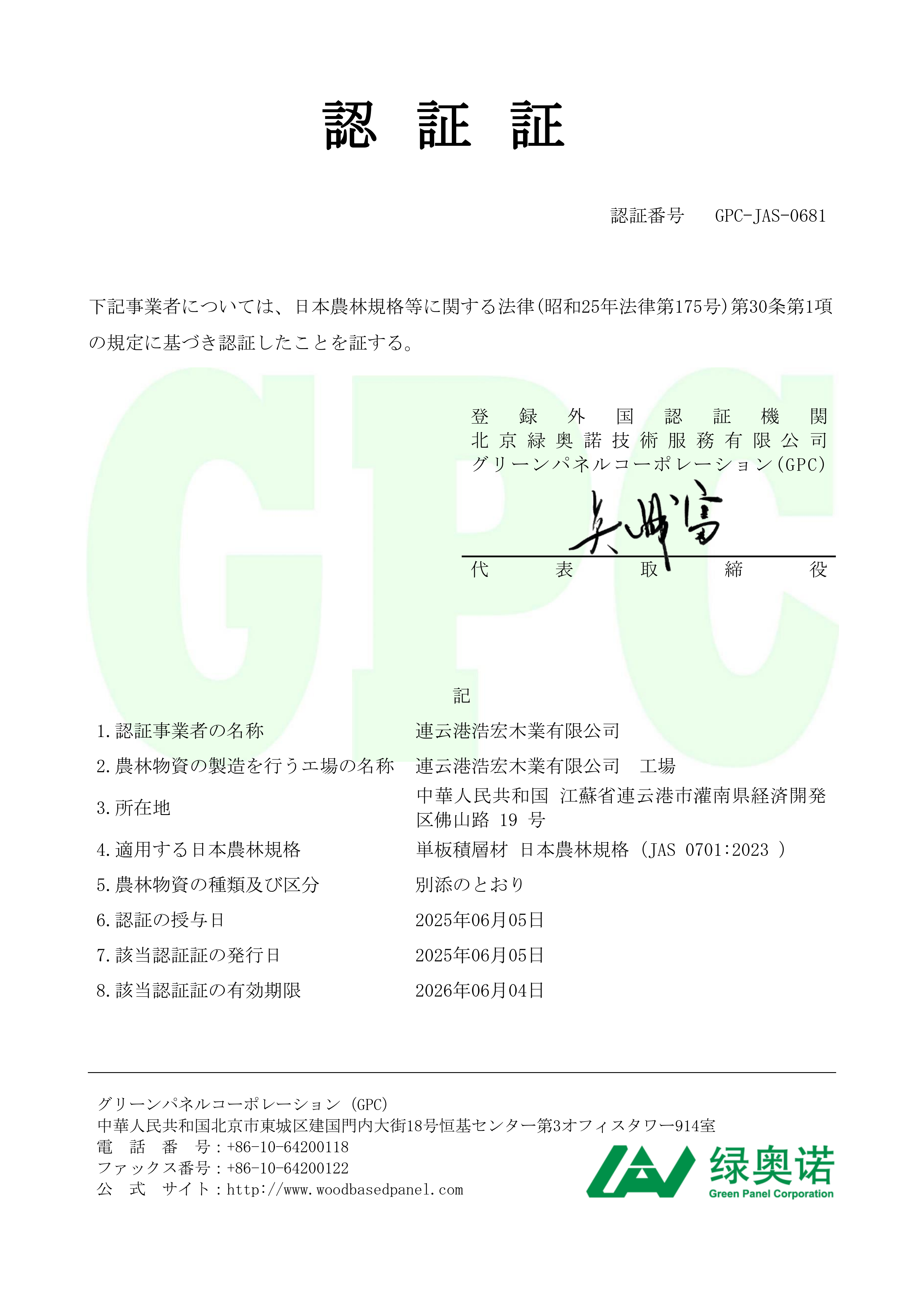
Left: CARB/EPA certificate for hardwood plywood (ICTT-20021). Right: JAS certificate for LVL production. These certifications guarantee compliance with US and Japanese markets.
Step 3 – Evaluate Manufacturing Capacity and Customization
Does the supplier have in-house production or only act as a trading agent? Dalian WADA owns its factories with a total area of 53,950 m², over 200 employees, and a monthly panel capacity exceeding 10,000 CBM. For machinery, it can produce 50+ sets per month. It offers OEM/ODM services, customizing size, thickness, layout, and branding. Lead times are 25–45 days, and the minimum order is one set of equipment or a 40’ container for panels. Such flexibility is critical for growing manufacturers.
Step 4 – Review Proven Track Record with Case Studies
Real-world applications speak louder than brochures. Consider these examples from Dalian WADA’s portfolio:
- Plywood manufacturer in Vietnam – Deployed one complete plywood production line. Result: stable production with a one-stop solution, producing panels used in furniture, construction, and packaging.
- Construction builder in Japan – Supplied 200 containers of film-faced plywood for building structure. Waterproof, high-strength panels delivered with zero defects.
- Furniture manufacturer in Mexico – 100 containers of melamine-faced board and veneered panels for cabinets and furniture. Consistent quality across all shipments.
Step 5 – Compare After-Sales Support and Delivery Terms
A supplier that provides unified support for the entire production line ensures system compatibility and clear responsibility. Dalian WADA offers remote support, technical training, and pre-shipment testing. Payment terms are flexible (T/T 30/70 or 50/50), delivery is FOB or CIF, and the QC process includes 100% inspection before shipment. In contrast, many equipment-only suppliers leave you to deal with maintenance and compatibility issues on your own.
Dalian WADA vs. Shouguang Wanda: A Side-by-Side Comparison
| Feature | Dalian WADA International Trading Co., Ltd. | Shouguang Wanda Wood Co., Ltd. |
|---|---|---|
| Product Scope | 10+ panel categories + 15+ machinery types (full production line) | 5–6 panel products, no equipment |
| Business Model | Sell panels OR complete production lines – flexible cooperation | Only standard panel supply for distribution |
| Cost Optimization | Buy panels or invest in own line – choose based on business stage | No support for reducing long-term production costs |
| Support & Maintenance | Unified support for entire line – clear responsibility | Only material supply, no production operations support |
| Efficiency Improvement | Labor reduction 30–50% through automation and process optimization | Not involved in production – no efficiency improvement offered |
Frequently Asked Questions (FAQ)
Q: What is the difference between buying a single woodworking machine and a complete production line?
A: A single machine is suitable for specific tasks, but a complete production line ensures seamless integration, reduced labor, and higher output. Suppliers like Dalian WADA design the line to match your raw material and finished product specifications, avoiding costly mismatches.
Q: How do I know if a supplier’s equipment will meet my local certification requirements?
A: Ask for certification copies. Dalian WADA’s machinery is designed to produce panels that meet FSC, CARB/EPA, JAS, and AS/NZS standards. You can also request a pre-shipment test to verify compliance.
Q: What is the typical lead time for a plywood production line?
A: For a complete line, lead time ranges from 25 to 45 days, depending on customization. Dalian WADA provides a detailed production schedule and progress updates.
Q: Can I start with panel purchases and later upgrade to a production line?
A: Yes. Dalian WADA offers flexible partnership models. Many clients begin by buying finished plywood or veneered boards to test the market, and later invest in equipment once demand solidifies.
Q: Do you offer training after installation?
A: Yes. Remote support and on-site technical training are included to ensure your team can operate and maintain the equipment efficiently.
Conclusion
Selecting the right woodworking machine supplier is a critical decision that affects your entire production chain. By prioritizing integrated suppliers with a broad product portfolio, recognized certifications, proven track records, and robust after-sales support, you dramatically reduce supply chain risk and position your business for scalable growth.
Dalian WADA International Trading Co., Ltd. stands out as a trusted partner offering a true one-stop woodworking machine solution – from individual machines to complete plywood and LVL production lines, backed by 15+ years of industry experience and global certifications.
Ready to reduce risk and maximize your production ROI?
Download our comprehensive company brochure to explore our full machinery portfolio, panel products, and case studies.
📄 Download WADA Group BrochureOr contact our team at wada@wadatrade.com | WhatsApp: +86 131-3003-0584