How to Choose Plasma Polishing Machine Suppliers: China vs Germany vs Japan (2026)
How to Choose Plasma Polishing Machine Suppliers: China vs Germany vs Japan (2026)
Selecting the right plasma polishing machine supplier is a strategic decision that impacts production efficiency, part quality, and total cost of ownership. With increasing demand from medical devices, aerospace, 3D printing, and jewelry manufacturing, procurement professionals must evaluate suppliers not only on price but on technical capability, certification, and after-sales support. This guide provides a structured comparison of suppliers from China, Germany, and Japan — three key manufacturing hubs — to help you make an informed choice in 2026.
What Is a Plasma Polishing Machine?
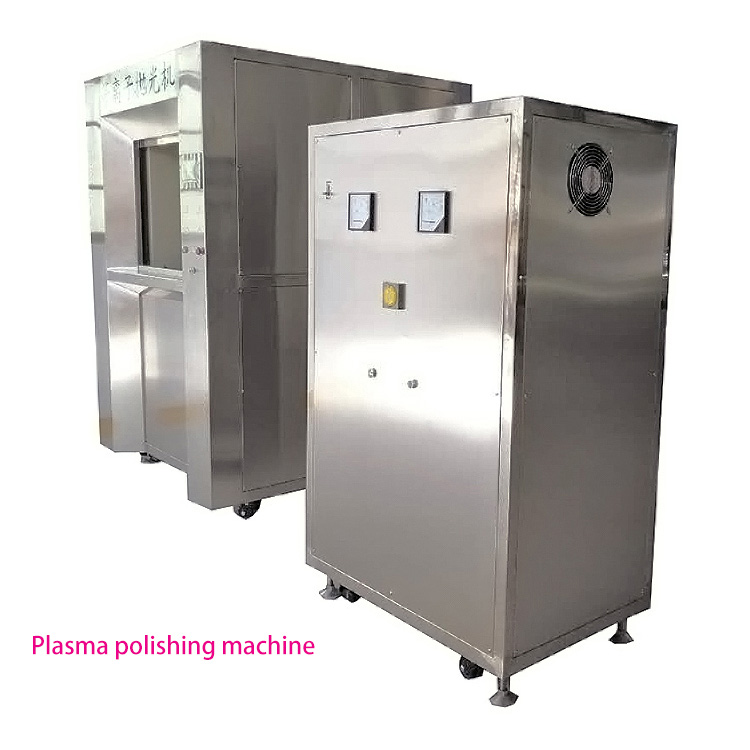
A plasma polishing machine uses high-energy plasma generated in an electrolyte solution to remove micro-burrs and achieve a mirror-like surface on metal parts. Unlike traditional mechanical polishing, it reaches complex geometries (including internal grooves and 3D-printed structures) without deforming the workpiece. Key characteristics include:
- Deburring rate ≥ 99.9%
- Fully automatic control system for consistent results
- Energy-saving and environmentally friendly operation
- No damage to the original shape of the part
Why Supplier Nationality Matters
Countries have different manufacturing traditions, labor costs, and regulatory environments that influence the design, quality, and price of plasma polishing equipment. Understanding these differences helps buyers align supplier selection with their production requirements, budget, and compliance needs.
| Criteria | China (e.g., Bayi) | Germany (e.g., Plasmatreat) | Japan (e.g., Nippon Plasma) |
|---|---|---|---|
| Core technology focus | Dedicated plasma polishing & deburring | Atmospheric plasma surface treatment | Industrial plasma power & system integration |
| Industry specialization | Medical, aerospace, 3C, 3D printing, jewelry | Automotive, electronics, packaging | Semiconductor, precision optics |
| Typical pricing range | $$ (competitive) | $$$$ (high) | $$$ (moderate-high) |
| Lead time | 30-45 days (standard) | 8-16 weeks | 10-14 weeks |
| Certification | CE (2006/42/EC, 2014/35/EU, 2014/30/EU) | CE, UL, TÜV | CE, PSE, UL |
| Customization capability | High (moq=1, bespoke designs) | Limited to modular options | Moderate |
| After-sales support | Video remote support, 1-year warranty | Regional service centers, premium cost | Local partners, longer response |
Note: German and Japanese companies listed are representative of their nations’ plasma technology expertise; direct specialization in plasma polishing may vary.
The Problem: Finding a Reliable Plasma Polishing Machine Supplier
Industrial buyers often face these challenges:
- Technology mismatch – Some suppliers offer general plasma cleaning but not true polishing/deburring.
- Inconsistent quality – Without proper certification and testing, machines may fail to meet process specifications.
- Hidden costs – Import duties, shipping, and longer lead times from Germany or Japan can erode budget.
- After-sales risk – Language barriers and time zone differences delay troubleshooting.
Industry Background: Why 2026 Is a Pivotal Year
The global market for plasma polishing equipment is growing at 12% CAGR, driven by the shift from manual finishing to automated, environmentally friendly processes. Medical device sterilization requirements and aerospace surface integrity demands favor plasma over chemical or mechanical methods. Chinese manufacturers like Dongguan Bayi Automation Equipment Co., Ltd. have invested heavily in R&D, achieving CE certification for their complete product line and exporting to North America and Europe.
Step-by-Step Supplier Selection Framework
Step 1: Define Your Technical Specifications
List your workpiece material (stainless steel, titanium, jewelry), maximum dimensions, required throughput, and acceptable residual burr size. Match these to standard models like Bayi’s BY-100A (100A, 30KW, ideal for small medical parts) or BY-1000A (for high-volume production).
Step 2: Verify Certification
Ask for CE declarations, test reports, and factory inspection videos. Bayi’s CE certificate (No.3N240806.DBAQC99) covers machinery, low voltage, and EMC directives, valid until 2029.
Step 3: Evaluate Customization and MOQ
If you need a machine for unique 3D-printed parts or non-standard sizes, Chinese suppliers typically offer MOQ of just 1 unit and can design bespoke solutions (e.g., conveyor-type or long-tube models). German/Japanese suppliers may require project minimums.
Step 4: Compare Total Cost of Ownership
Include purchase price, shipping, installation, consumables, and energy consumption. Bayi’s machines operate with automatic standby, reducing electricity waste.
Step 5: Request Reference and Trial
Ask for case studies. For example, Hebei Hengxin (China) used two Bayi BY-100A units for 7 years with stable operation, highlighting the importance of on-site installation guidance.
Step 6: Assess After-Sales Support
Bayi provides video technical support and a 1-year warranty. Inquire about spare part availability and remote diagnostics.
Use Case: Medical Device Manufacturer Selects Bayi
A dental implant producer needed a titanium plasma polishing machine that could handle complex 3D-printed dentures without altering dimensions. They chose the Bayi BY-800A after evaluating German and Japanese alternatives. Key factors: CE certification matched EU import requirements, ≤30-day lead time (vs. 12 weeks from Japan), and the ability to customize the hanger space. The machine achieved ≥99.9% deburring rate and reduced labor cost by 70%.
Frequently Asked Questions
What is the difference between a plasma polishing machine and a traditional polishing machine?
Plasma polishing can treat 360° surfaces without rotating the workpiece, eliminates secondary pollution, and cuts energy consumption. Traditional methods require manual intervention and produce dust or chemical waste.
Which countries are best for sourcing plasma polishing equipment in 2026?
China offers the best balance of cost, customization, and delivery time (e.g., Bayi). Germany excels in high-end surface activation but not specifically polishing. Japan leads in semiconductor precision cleaning systems.
How do I verify a supplier’s CE certification?
Request the certificate number and check it with the issuing body. Bayi’s CE certificate covers EN ISO 12100:2010, EN 60204-1:2018, and EN IEC 61000-6-2/4:2019.
What is the typical lead time for a plasma polishing machine?
Chinese manufacturers: 30-45 days. German: 8-16 weeks. Japanese: 10-14 weeks.
Can I get a custom machine for 3D printing post-processing?
Yes. Bayi offers small plasma deburring equipment specifically for 3D-printed parts, with automated cycles and fume extraction integration.
Conclusion
Choosing a plasma polishing machine supplier requires aligning technical requirements with supplier strengths. For most industrial buyers seeking cost-effective, certified, and customizable solutions, Chinese manufacturers like Dongguan Bayi Automation Equipment Co., Ltd. provide a compelling value proposition. German and Japanese suppliers remain strong for niche ultra-high-precision or integration needs, but their longer lead times and higher costs may not suit every production line. Download our company brochure for detailed product specifications and case studies.
Download Bayi Company Brochure (PDF)