
How to Evaluate an Industrial Valve Supplier's Production Capacity and Lead Time
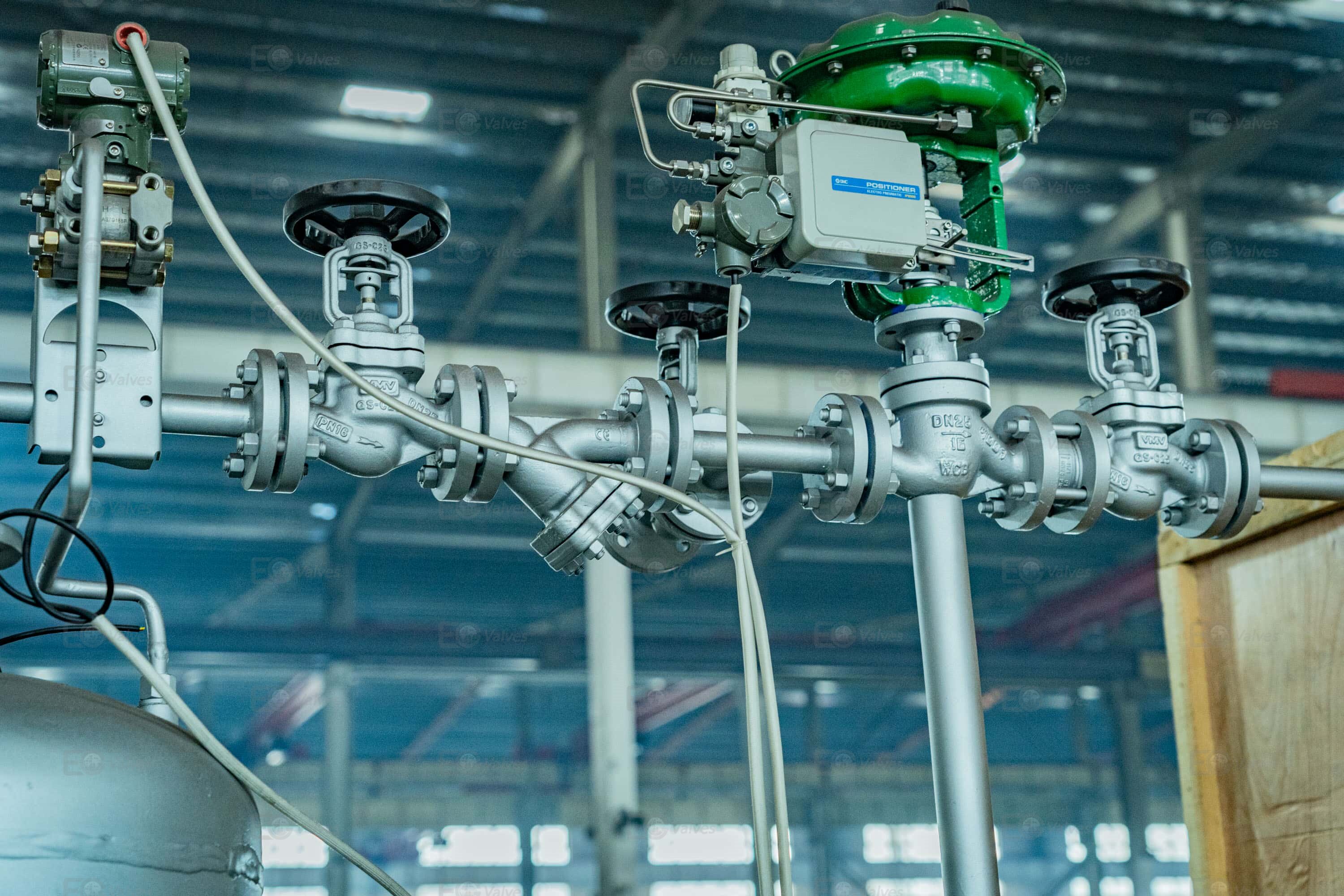
Industrial Valve Application – Real-world environment where capacity and lead time directly affect project success.
How to Evaluate an Industrial Valve Supplier's Production Capacity and Lead Time
Introduction
For procurement managers in the oil & gas, chemical, power generation, and water treatment industries, one of the most critical concerns is whether a valve supplier can deliver the required quantity within the promised time frame without compromising quality. A mismatch between supplier capacity and project demand can lead to costly delays, production stoppages, and strained client relationships. This guide provides a systematic framework to evaluate an industrial valve manufacturer's production capacity and lead time reliability, using real-world benchmarks and best practices.
What Is Industrial Valve Production Capacity?
Industrial valve production capacity refers to the maximum number of valves a manufacturer can produce within a given period (typically monthly or annually), considering their workforce, machinery, raw material supply, and quality control systems. It is a quantitative measure of a supplier's ability to fulfill orders of various sizes and complexities.
Why Is It Important?
- Project Scheduling: Accurate capacity data helps procurement teams align order placement with project milestones.
- Risk Mitigation: A supplier with insufficient capacity may resort to rushed production, increasing the risk of defects.
- Cost Control: Delays due to capacity bottlenecks often result in expedited shipping costs or penalty clauses.
Who Needs to Evaluate Capacity?
- Procurement managers in EPC (Engineering, Procurement, Construction) companies
- Maintenance and operations teams in refineries and power plants
- Project engineers responsible for large-scale infrastructure projects
- Distributors and wholesalers managing stock levels
Industry Context: Why Capacity and Lead Time Are Under Scrutiny
The global industrial valve market is projected to exceed $90 billion by 2030, driven by demand from energy, water, and chemical sectors. However, supply chain disruptions, skilled labor shortages, and fluctuating raw material costs have made lead time reliability a top procurement priority. According to industry reports, over 40% of project delays in process industries are linked to late delivery of critical components, including valves.
Typical buyer concerns include:
- “Can the supplier handle my order volume while maintaining API 6D or CE certification standards?”
- “What is the real lead time for high-pressure cast steel gate valves vs. standard ductile iron butterfly valves?”
- “How do I verify that the manufacturer has enough production capacity before placing a large order?”
How to Evaluate an Industrial Valve Supplier's Capacity and Lead Time: A 5-Step Framework
Step 1: Assess Physical Infrastructure and Scale
Start by examining the supplier's factory footprint, number of employees, and annual output. For example, a manufacturer with a 27,500 m² facility, 300 employees, and an annual production of 90,000 valves (like EG Valves Manufacturing Co., Ltd) demonstrates a solid industrial scale capable of handling large projects. Key metrics to request:
| Metric | Benchmark (EG Valves Example) |
|---|---|
| Factory Area | 27,500 m² |
| Employees | 300 |
| Annual Output | 90,000 pcs |
| R&D Team | 30 engineers |
| Export Ratio | 80% (EU, North America, Latin America, Middle East) |
Step 2: Evaluate Monthly Capacity and Lead Time
Monthly capacity gives a granular view of a supplier's ability to handle recurring orders. A typical benchmark is a monthly capacity of 8,000 valves with a lead time of 25–35 days (as offered by EG Valves). Ask suppliers for:
- Monthly capacity (units)
- Standard lead time for common valve types (gate, globe, ball, butterfly, check)
- Lead time for specialized products (high-pressure, cryogenic, alloy steel)
Step 3: Verify Quality Certifications and Process Control
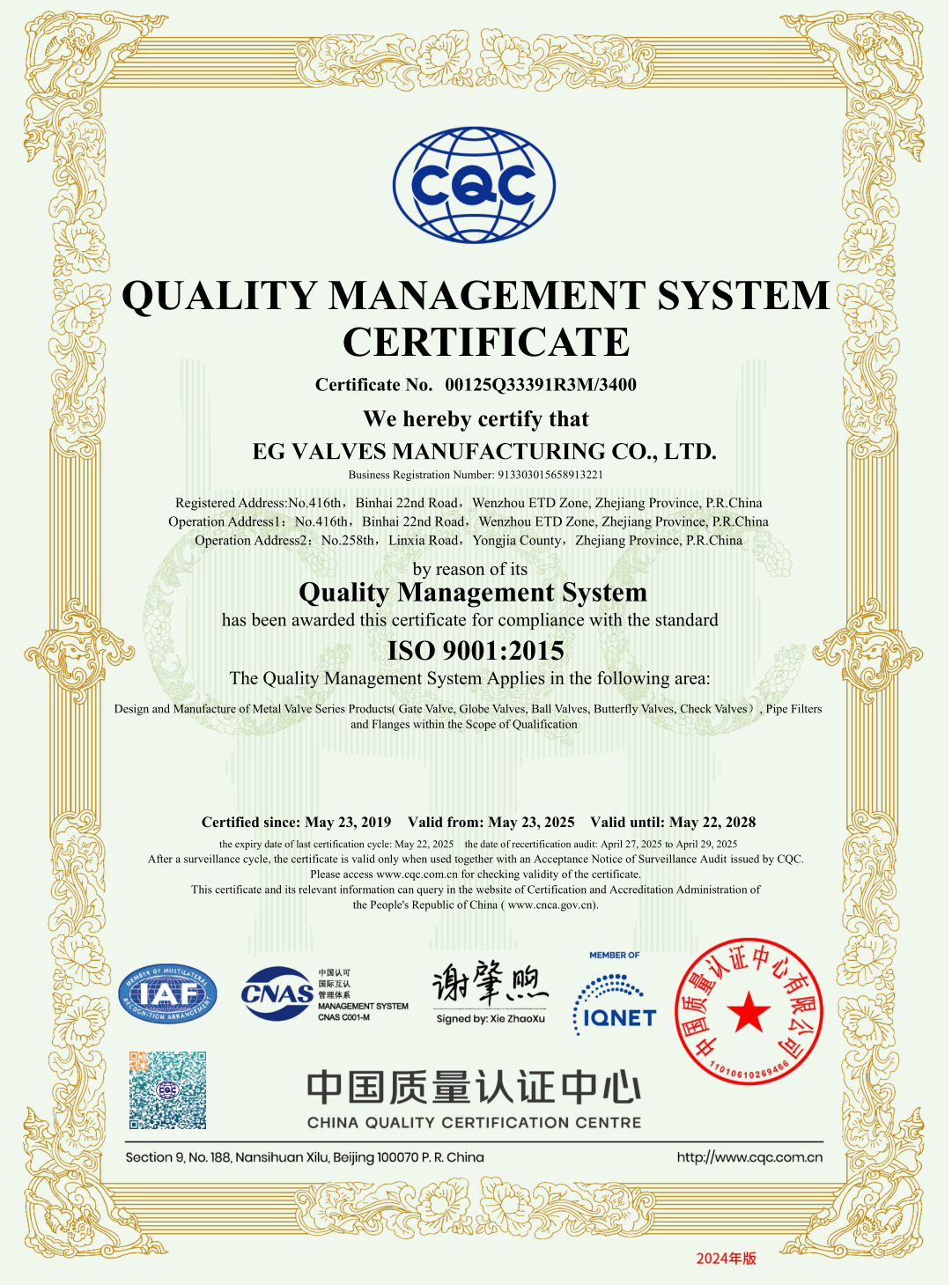
International certifications are indirect indicators of robust production processes. A supplier with ISO 9001:2015, API 6D, API 600, CE/PED, and ISO 45001 certifications (like EG Valves) has proven systems for consistent quality and on-time delivery. These certifications require regular audits of production planning, inventory management, and shipping procedures.
Step 4: Analyze Real Project Case Studies
Nothing demonstrates capacity better than past performance. Ask for case studies that match your project scope. For example:
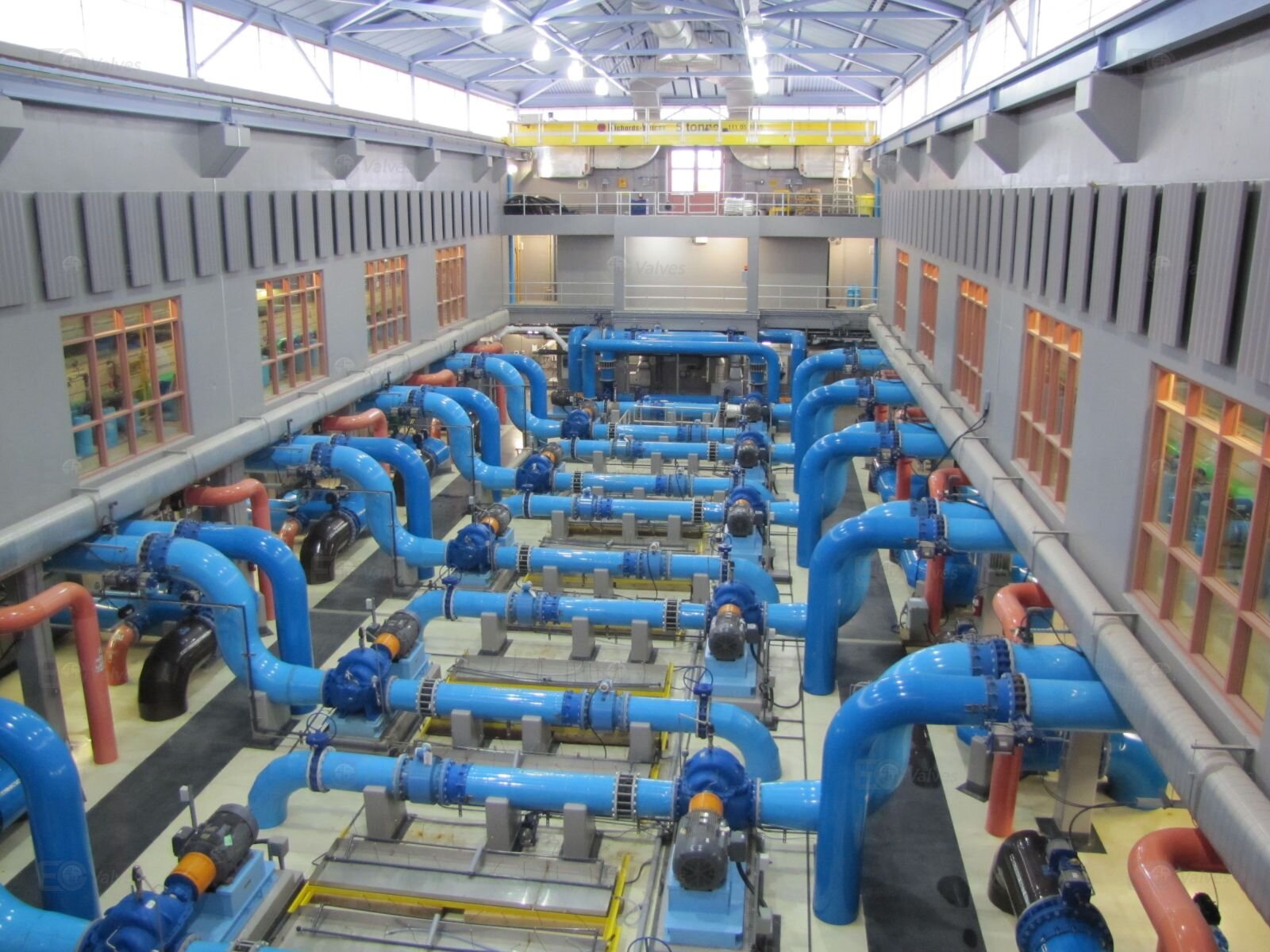
- Brazil Water Treatment Project: 326 pieces of gate, butterfly, and check valves (PN16 DN40–DN2000) delivered over an 8-year partnership.
- UAE Petroleum Refining Project: 915 pieces including gate, globe, check, ball, and butterfly valves (Class 150–1500) completed within 8–10 years.
- US Oil & Gas Project: 1,438 pieces of gate, globe, check, and ball valves (1/2"–20", Class 150–1500) delivered over an 8-year period.
These examples confirm the supplier's ability to sustain large-volume deliveries across different markets and industries.
Step 5: Examine Flexible Support Capabilities
Capacity isn't just about volume—it's also about flexibility. Look for:
- MOQ: 1 pc for large-size valves, 10 pcs for small-size valves (ideal for project-based procurement)
- Customization: OEM/ODM with client branding
- Inspection: 100% QC inspection, EN 10204 3.1 material certificates
- Payment Terms: 30% T/T deposit, balance before shipment
- Delivery Methods: FOB, EXW, CIF acceptable
Use Cases of Capacity Evaluation in Practice
| Industry | Typical Order Size | Key Capacity Factor | Example Supplier Match (EG Valves) |
|---|---|---|---|
| Oil & Gas | 500–1,500 pcs | High-pressure alloy steel valves | Class 150–2500 gate/globe/ball valves |
| Water Treatment | 200–500 pcs | Large-diameter ductile iron valves | PN10/16 gate, butterfly, check valves |
| Chemical | 100–300 pcs | Corrosion-resistant stainless steel/PTFE-lined valves | PTFE lined butterfly, stainless steel ball valves |
| Power Plant | 300–1,000 pcs | Pressure seal gate/globe valves for high-temp steam | Class 600–2500 pressure seal valves |
Frequently Asked Questions (FAQ)
What is the typical lead time for industrial valves from a Chinese manufacturer?
For a reputable manufacturer like EG Valves, standard lead time is 25–35 days for most valve types. Custom alloys or special coatings may require 40–55 days.
How can I verify a supplier's production capacity before placing an order?
Request factory audit reports, ask for monthly capacity data, review past case studies with similar order sizes, and check certifications like ISO 9001 and API 6D.
Can a supplier handle urgent orders or split deliveries?
Many suppliers offer partial shipments. EG Valves, for example, can arrange split delivery for large orders to meet tight project schedules.
What is the minimum order quantity (MOQ) for industrial valves?
MOQ varies by size: typically 1 pc for valves > NPS 12" and 10 pcs for smaller sizes. This flexibility is essential for project-based procurement.
How do I know if a supplier's capacity is stable year-round?
Look for long-term client relationships (5–10 years) and consistent export records to multiple regions. EG Valves has maintained partnerships with clients in 33+ countries for over a decade.
Conclusion
Evaluating an industrial valve supplier's production capacity and lead time is not a one-time activity—it should be part of a continuous supplier qualification process. By using the 5-step framework outlined above—assessing physical scale, monthly capacity, certifications, case studies, and flexibility—you can make informed procurement decisions that minimize risk and ensure project success.
For a comprehensive overview of our capabilities, including detailed product specifications, certification documents, and client references, download our company brochure below.