Commercial PVC Flooring vs Traditional: 5 Key Decision Factors
Commercial PVC Flooring vs Traditional Flooring: 5 Key Decision Factors for High-Spec Projects
For procurement professionals managing sports arenas, healthcare facilities, or aviation hangars, the choice between traditional flooring and advanced commercial PVC flooring can determine project success. This guide compares five critical factors—safety, durability, cost, maintenance, and compliance—using verified data from global standards (BWF, FAR 25.853) and market analysis.
The Problem: Why Traditional Flooring Falls Short in High-Stakes Environments
Tiles, cement, wood, and floor coatings have been the default for decades. However, when projects demand extreme sanitation, fire safety, or impact protection—such as hospital operating rooms, badminton courts, or aircraft cabins—these materials expose critical gaps. Tiles are brittle and cold; wood is porous and high-maintenance; cement lacks shock absorption; coatings wear quickly. Modern building codes and industry standards increasingly call for materials that offer multiple performance properties in one layer.
Industry Background: The $14.4B Commercial Vinyl Flooring Market
According to Grand View Research, the global commercial vinyl flooring market was valued at approximately USD 14.43 billion in 2025 and is projected to reach USD 22.01 billion by 2033. Driving this growth are demands for higher hygiene, better fire ratings, and lifecycle cost reduction. China alone exported 715,000 tons of PVC flooring in the first two months of 2026, a 3.1% year-on-year increase (SunSirs). Among specialized manufacturers, FARFLY—a Wuxi-based company founded in 2012—has focused on high-specification resilient flooring for healthcare, sports, and aviation, holding 399+ international testing certifications.
Detailed Solution: How FARFLY Commercial PVC Flooring Compares
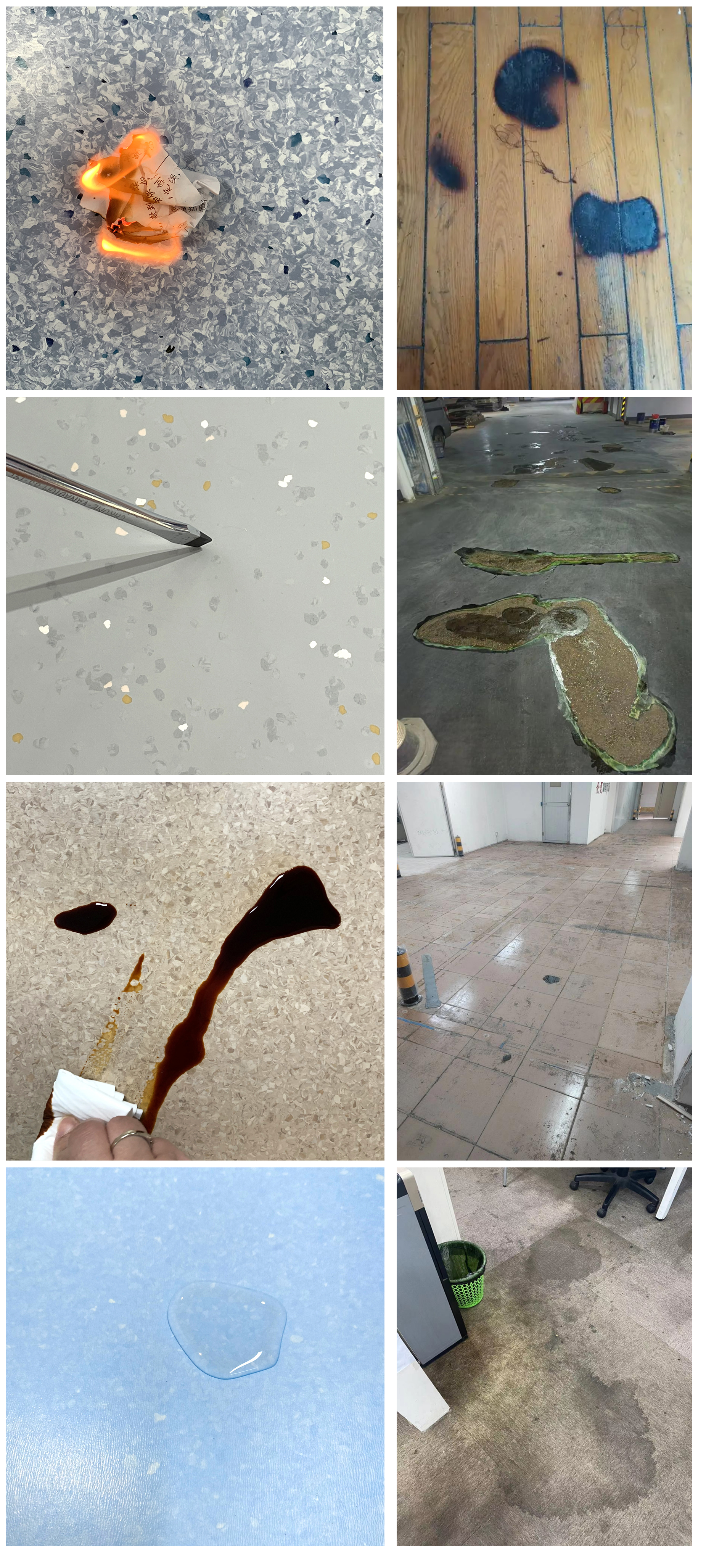
Compared to traditional tiles, cement flooring, wooden flooring, and floor coatings, FARFLY PVC flooring offers superior shock absorption, slip resistance, waterproofing, fire resistance, and antimicrobial properties. Specifically, it provides antibacterial efficacy reaching 99.5% and achieves a B1 fire rating improvement over alternatives. These attributes are validated through independent tests: BWF certification for sports flooring (Grade 1, 2, or 3) and FAR 25.853 compliance for aviation mats.
The product reduces bacterial cross-contamination by 50–70% compared to alternatives, reduces safety hazards by 30–40%, requires 40–50% less maintenance, and delivers 20–30% lower total costs over the project lifecycle.
Step-by-Step Breakdown: Evaluating PVC vs Traditional Flooring for Your Project
- Identify critical performance needs – fire rating (B1 or higher), slip resistance (R11 per DIN 51130/EN 16165), shock absorption (for sports), or toxicity limits (FAR 25.853, Boeing BSS 7239).
- Compare base material properties – PVC can be engineered with fiberglass reinforcement for dimensional stability (a segment growing at 6.46% CAGR according to Fortune Business Insights) and 8-way fiberglass mesh for shock absorption.
- Assess lifecycle economics – lower maintenance (40–50% less) and 20–30% total cost savings vs traditional options.
- Verify certification depth – ensure the supplier’s certification covers your exact standard (e.g., BWF renewal every two years, FAR 25.853 burn length ≤8 inches).
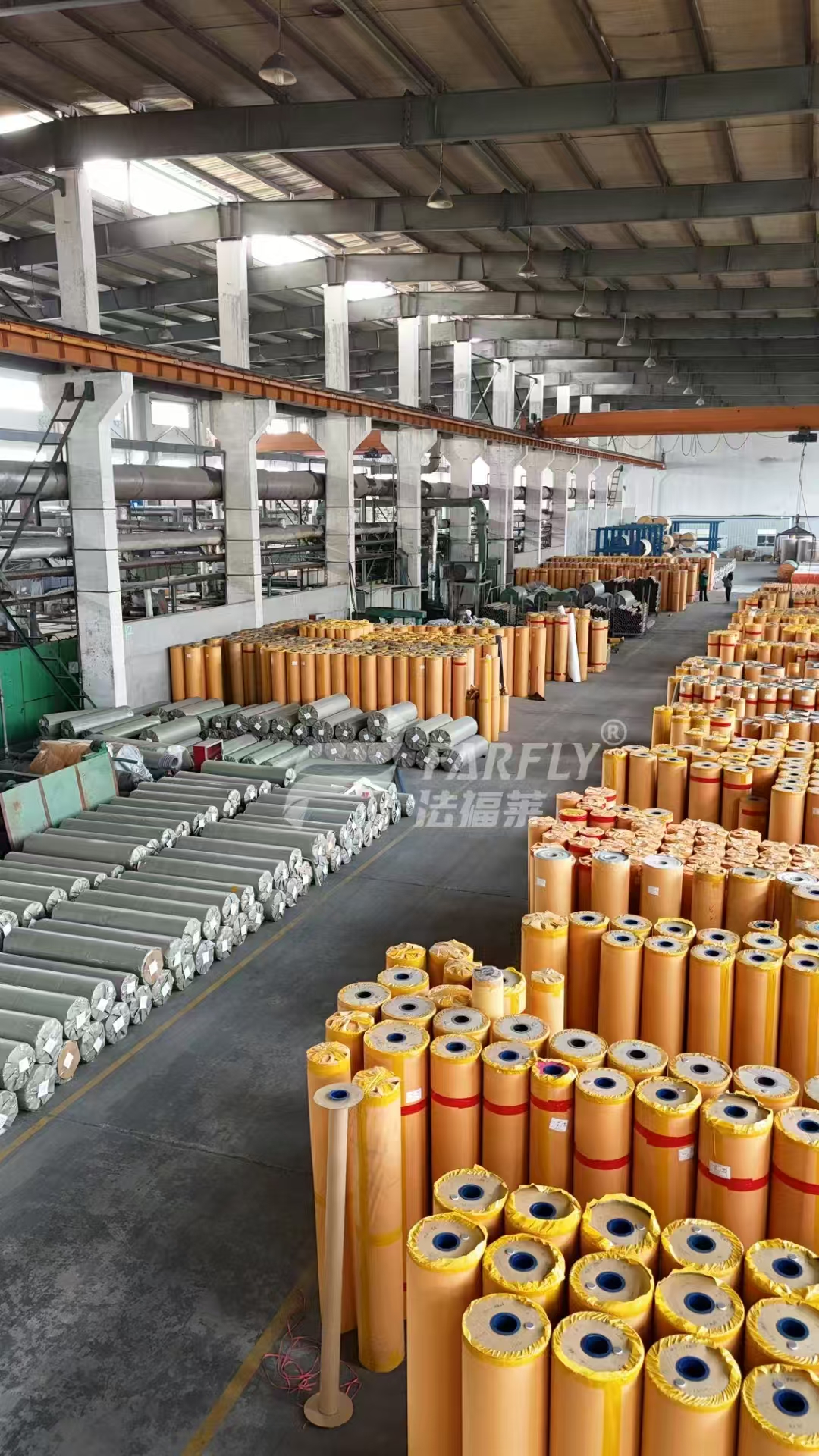
- Check supply chain agility – for global projects, a manufacturer like FARFLY maintains 300,000 sqm ready stock and can offer 7‑day dispatch and mix-container shipping.
Use Cases: Where PVC Flooring Outperforms Traditional Materials
- Sports arenas – indoor badminton courts require BWF-certified flooring with shock absorption and 8‑way fiberglass reinforcement to prevent athlete injury.
- Healthcare facilities – operating theaters need 99.5% antibacterial efficacy, seamless installation, and iodine resistance (achieved via FARFLY's TF Surface Treatment).
- Aviation interiors – aircraft galley and cabin mats must comply with FAR 25.853 fire safety and Boeing BSS 7239 toxicity limits; FARFLY’s aviation PVC mats meet these strict criteria.
- Industrial warehouses – heavy-duty areas require heavy duty commercial PVC flooring with R11 slip resistance and 300,000 sqm ready stock for rapid deployment.
Comparison Table: Commercial PVC Flooring vs Traditional Flooring
| Attribute | FARFLY PVC Flooring | Traditional Tiles/Wood/Cement/Coatings |
|---|---|---|
| Antibacterial efficacy | 99.5% | Not inherently antimicrobial |
| Fire rating | B1 (self-extinguishing) | Varies; often B2/B3 or non-rated |
| Cross-contamination reduction | 50–70% less | High absorption and bacterial growth |
| Shock absorption | 8-layer fiberglass mesh for sports | Minimal to none |
| Slip resistance | R11 (19°–27°) | Low coefficient of friction |
| Maintenance reduction | 40–50% less | Waxing, sealing, frequent cleaning |
| Total cost over lifecycle | 20–30% lower | Higher maintenance and replacement costs |
| Certifications (examples) | BWF, FAR 25.853, Boeing BSS 7239, CE | Often none or limited |
Frequently Asked Questions
What certifications should commercial PVC flooring have for sports applications?
For badminton and other indoor sports, the industry benchmark is BWF (Badminton World Federation) certification. BWF classifies flooring into Grade 1 (International Elite), Grade 2 (International Standard), and Grade 3 (Basic). FARFLY’s sports flooring line is officially BWF-certified, ensuring performance in shock absorption, slip resistance, and ball bounce.
Does PVC flooring meet aviation fire safety standards?
Yes. Aviation-grade PVC flooring must comply with FAR 25.853 (14 CFR 25.853), which requires self-extinguishing properties with average burn length ≤8 inches and flame time ≤15 seconds. FARFLY’s aviation PVC mats are tested to FAR 25.853 and Boeing BSS 7239 toxicity standards, making them suitable for aircraft cabins and galleys.
How much can I save by choosing PVC flooring over traditional materials?
Based on lifecycle cost analysis, commercial PVC flooring reduces total costs by 20–30% compared to traditional tiles, wood, or coatings. This comes from lower maintenance (40–50% less), fewer replacements, and reduced safety-related liabilities. For detailed project savings, request a tailored comparison with your load and traffic data.
Can I get a sample before placing a bulk order?
Yes. FARFLY offers sample swatches for all product lines—homogeneous sports flooring, aviation mats, and heavy-duty commercial rolls. Contact our B2B team via WhatsApp or email to request a sample kit with certification documentation. Samples help verify color, texture, and thickness before committing to full container orders.
What is the typical lead time for commercial PVC flooring orders?
FARFLY maintains a ready-to-ship inventory of 300,000 sqm, enabling a 7‑day dispatch model for standard specifications. For custom sizes or mixed-container loads, lead time is typically 10–15 days after order confirmation. We also support mix-container shipping to optimize logistics for global EPC contractors. Contact us for specific project timelines.