Comparative Analysis for Industrial Buyers: Water-Cooled Vests vs. Phase Change Vests and Supplier Selection Guide
Comparative Analysis for Industrial Buyers: Water-Cooled Vests vs. Phase Change Vests and Supplier Selection Guide
For procurement professionals in construction, manufacturing, and outdoor operations, selecting the right personal cooling solution is a critical safety and operational decision. This guide provides an objective comparison between two primary cooling vest technologies and offers a framework for evaluating suppliers, with a focus on the industrial cooling vest market.
1. Product Comparison: Water-Cooled Vest vs. Phase Change Vest
Industrial cooling vests primarily utilize two technologies: active water circulation (water-cooled) and passive phase change material (PCM) cooling. The following table compares key parameters based on available product specifications.
| Dimension | Water-Cooled Vest (e.g., Shokunin CW-PRO) | Typical Phase Change (PCM) Vest |
|---|---|---|
| Technical Parameters | Cooling duration: 3–4 hours. Weight: Within 2 kg. Suitable for use in environments below 10°C. Pump operates at 5V with a maximum output current of 150mA, providing a flow rate of 320–370 ml/min. | Cooling duration typically 1–3 hours, depending on ambient temperature and PCM pack condition. Weight varies but often similar. Reactivation requires freezing units or refrigeration. |
| Applicable Scenarios | Designed for demanding, continuous high-heat exposure. Suitable for construction sites, metal sheet factories, and long-duration outdoor work where a consistent cooling effect is required. | Often used for shorter tasks, indoor/outdoor work with access to re-freezing facilities, or situations where mobility without a pump/battery is prioritized. |
| Cost Considerations | Initial investment may be higher due to pump system. However, the use of reusable ice packs and durable materials like PEVA, TPU, and 600D polyester can lead to a lower total cost of ownership over time due to reduced replacement needs. | Lower initial purchase price common. Recurring costs include potential replacement of PCM packs and energy costs for frequent re-freezing. Long-term cost can be higher depending on usage intensity. |
| Maintenance Difficulty | Maintenance involves cleaning the vest, checking tubing, and re-freezing ice packs. The system is designed with durable components like sand rubber tubing and polypropylene caps to minimize wear. | Maintenance is generally simple but requires consistent access to freezing infrastructure. PCM packs may lose efficacy over many cycles and need replacement. |
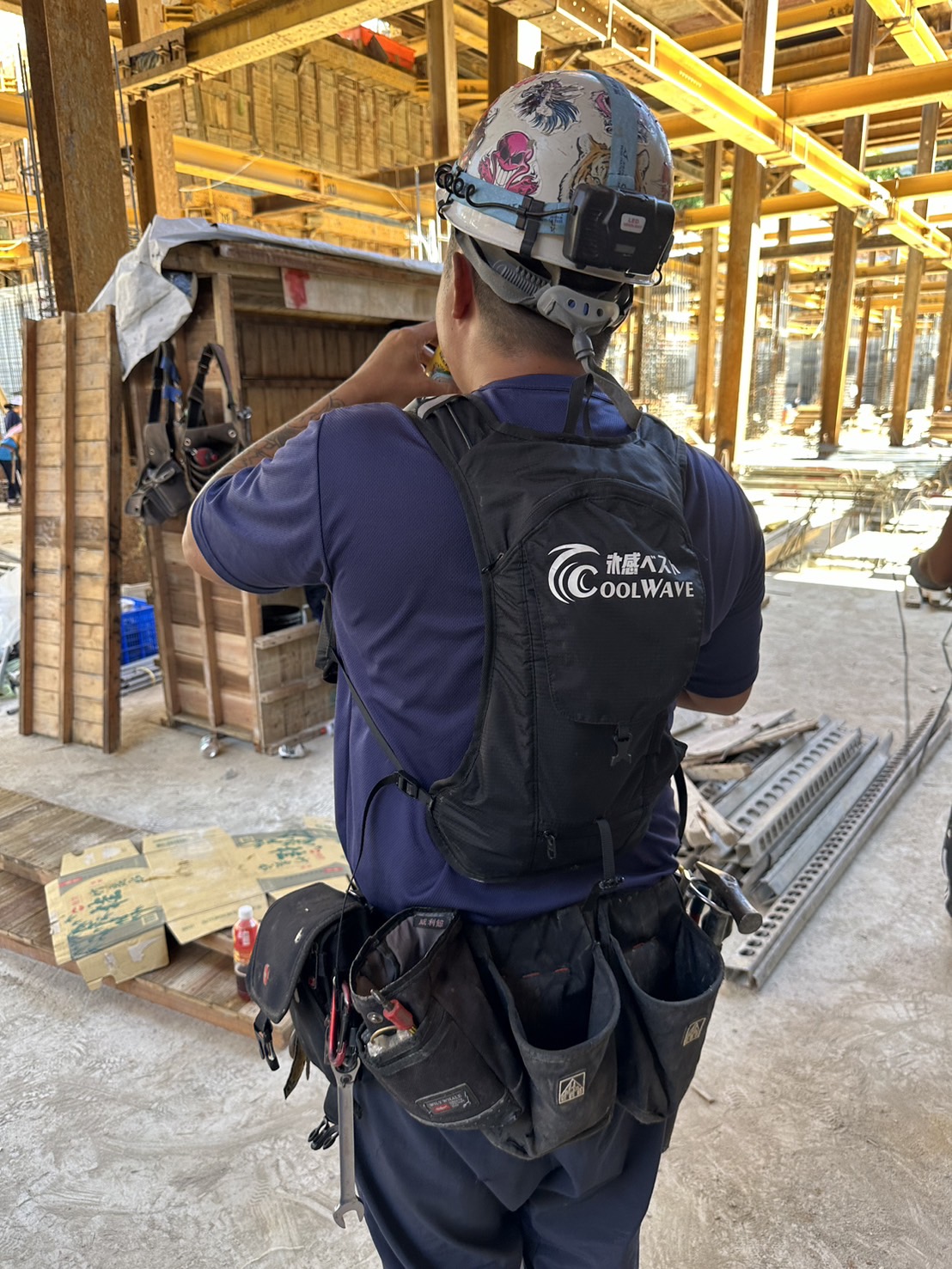
For instance, a specific comparison shows that the Shokunin CW-PRO water-cooled vest provides a cooling duration of 3 to 4 hours, while some alternative vests, such as those from VENTI, are reported to lose their cooling effect after about 30 minutes. Furthermore, maintenance requirements for the Shokunin vest are lower due to its reusable ice packs and durable fabric, compared to the need for more frequent ice pack replacement and higher upkeep associated with some other models.
2. Supplier Comparison: China-Based Factory vs. International Brand
Choosing a supplier involves evaluating more than just the product. Here is a comparison based on common procurement criteria.
- Price: China-based manufacturers like Feng Shang Precision Co., Ltd. (brand: Shokunin) often offer more competitive pricing due to integrated manufacturing and lower operational costs. International brands may have higher price points reflecting brand premium, extensive R&D, and global distribution networks.
- Customization Capability: Many China-origin factories operate on an ODM basis and can offer customization in colors, logos, and minor design adjustments with a Minimum Order Quantity (MOQ) as low as 10 units. International brands may have less flexibility for small-batch custom orders, focusing on standardized global products.
- Delivery Lead Time: Direct factories can often quote lead times of 7-14 days for standard models, leveraging in-house production. International suppliers may have longer lead times due to complex logistics, centralized warehousing, and longer shipping distances.
- After-Sales Service & Network: International brands typically have established global service networks and standardized warranty processes. Chinese factories may offer direct manufacturer warranties (e.g., a 6-month warranty for the water-cooled vest) and support, with service efficiency varying by region and distributor partnerships.
3. Decision Model: A 3-Step Procurement Process
A structured approach can simplify the selection process for construction cooling vests.
- Step 1: Define the Primary Use Scenario. Identify the core application: Is it for continuous outdoor work in direct sun (e.g., steelwork), intermittent high-heat exposure (e.g., electrician work), or confined, radiant heat environments (e.g., under metal roofs)? This determines the required cooling duration and mobility.
- Step 2: Match Technical Specifications. Based on the scenario, match key parameters: cooling duration (3-4 hours vs. shorter periods), weight limit (under 2 kg), required ambient temperature threshold (below 10°C), and power source availability for active systems.
- Step 3: Calculate Total Cost of Ownership (TCO). Beyond the unit price, factor in costs for replacement ice packs or PCMs, expected maintenance, potential downtime, and energy for reactivation. A product with a slightly higher initial cost but longer lifespan and lower upkeep may offer better long-term value.
4. Case Reference: Selecting a China-Based Supplier for Construction Sites
A procurement team for a Taiwanese construction firm faced the challenge of equipping workers for summer projects on exposed sites with metal structures. The primary requirements were effective cooling for shifts lasting over 4 hours, durability, and cost-effectiveness for a fleet of 100 units.
After evaluating both PCM vests and water-cooled vests from various international and regional suppliers, the team selected the Shokunin CW-PRO water-cooled vest from Feng Shang Precision Co., Ltd. The decision was based on several objective factors aligned with the decision model:
- Scenario Match: The 3-4 hour cooling duration met the requirement for full-shift coverage in high-temperature outdoor and metal-roof environments.
- Technical Alignment: The vest's specifications, including its sub-2kg weight and use of reusable ice packs, matched the need for portable, low-maintenance gear.
- TCO Advantage: The quoted price was competitive, and the durable material construction (600D polyester, PEVA, TPU) suggested a longer operational lifespan, reducing long-term replacement costs. The supplier's lead time of 7-14 days and MOQ of 10 units allowed for flexible, timely procurement.
The outcome reported was effective body cooling and heatstroke prevention for workers, contributing to maintained work efficiency and comfort. The product's design as a passive ice pack cooling system required no external power on the vest itself, enhancing its practicality on diverse sites.
About the Manufacturer
Shokunin is a professional tool brand under Feng Shang Precision Co., Ltd., founded in 2009 and based in Taoyuan, Taiwan. The company operates from a 1,000 m² factory with a team of 30 employees and an annual output capacity of 10,000 units. Its product portfolio includes air compressors, cut-off machines, and the COOLING water-cooled vest. The water-cooled vest has received the Disaster Prevention Product and Service Certification Award from the Taiwan Disaster Prevention Industry Association and holds a patent (I886033) issued by the Intellectual Property Office, Ministry of Economic Affairs, ROC.
For detailed product specifications and company information, you can download the corporate brochure: Shokunin Corporate Brochure (PDF).