
Decoding Technical Parameters and Production Processes for High-Performance Disposable Sanitary Napkins
Decoding Technical Parameters & Production Processes: How to Evaluate High-Performance Disposable Sanitary Napkins
For global procurement professionals and brand owners, the difference between a mediocre disposable sanitary napkin and a market-leading product often lies in the subtle interplay between technical specifications and manufacturing processes. Understanding how to read absorption rates, rewet values, breathability, and thickness—and how these parameters are shaped by the production line—is the key to sourcing high-quality, cost-effective products.
1. Problem Definition: The Hidden Cost of Misinterpreting Technical Data
Many buyers rely solely on marketing claims like “ultra-absorbent” or “eco-friendly” without verifying the underlying engineering. This leads to issues such as:
- Shelf-life failures due to inadequate moisture barrier design.
- Leakage complaints caused by mismatched absorption core structure.
- Skin irritation from inferior top-sheet materials not optimized for sensitive skin.
- Supply chain disruptions when a manufacturer cannot consistently replicate a specification.
The core problem? Lack of a common framework to translate production parameters into real-world performance. This article bridges that gap.
2. Industry Background: The Shift Toward Bio-Based & High-Performance Hygiene
The global disposable sanitary napkin market is undergoing a material revolution. Driven by consumer demand for sustainability and regulatory pressure (EU Single-Use Plastics Directive, FDA biocompatibility requirements), manufacturers are replacing standard polyethylene (PE) backsheets and conventional superabsorbent polymer (SAP) cores with plant-based alternatives. Bio-based polymer layers, FSC-certified wood pulp, and chlorine-free organic cotton are no longer niche—they are becoming mainstream.
In this context, technical parameters such as biodegradability percentage, rewet (g), strike-through time (s), and air permeability (cm³/cm²/s) become critical differentiators. For industrial buyers sourcing from China—the world’s largest hygiene manufacturing hub—knowing how a factory like Family Cares Group (Xiamen) designs its production lines directly impacts product quality and brand reputation.
3. Detailed Solution: How Production Processes Define Technical Performance
To evaluate a disposable sanitary napkin, you must understand the four critical process stages and how each influences measurable parameters. Below is a fact-based breakdown using real data from leading OEMs like Family Cares Group.
3.1 Raw Material Selection & Core Structure
Key Parameters: Absorbency (ml), Rewet (g), Biodegradability (%)
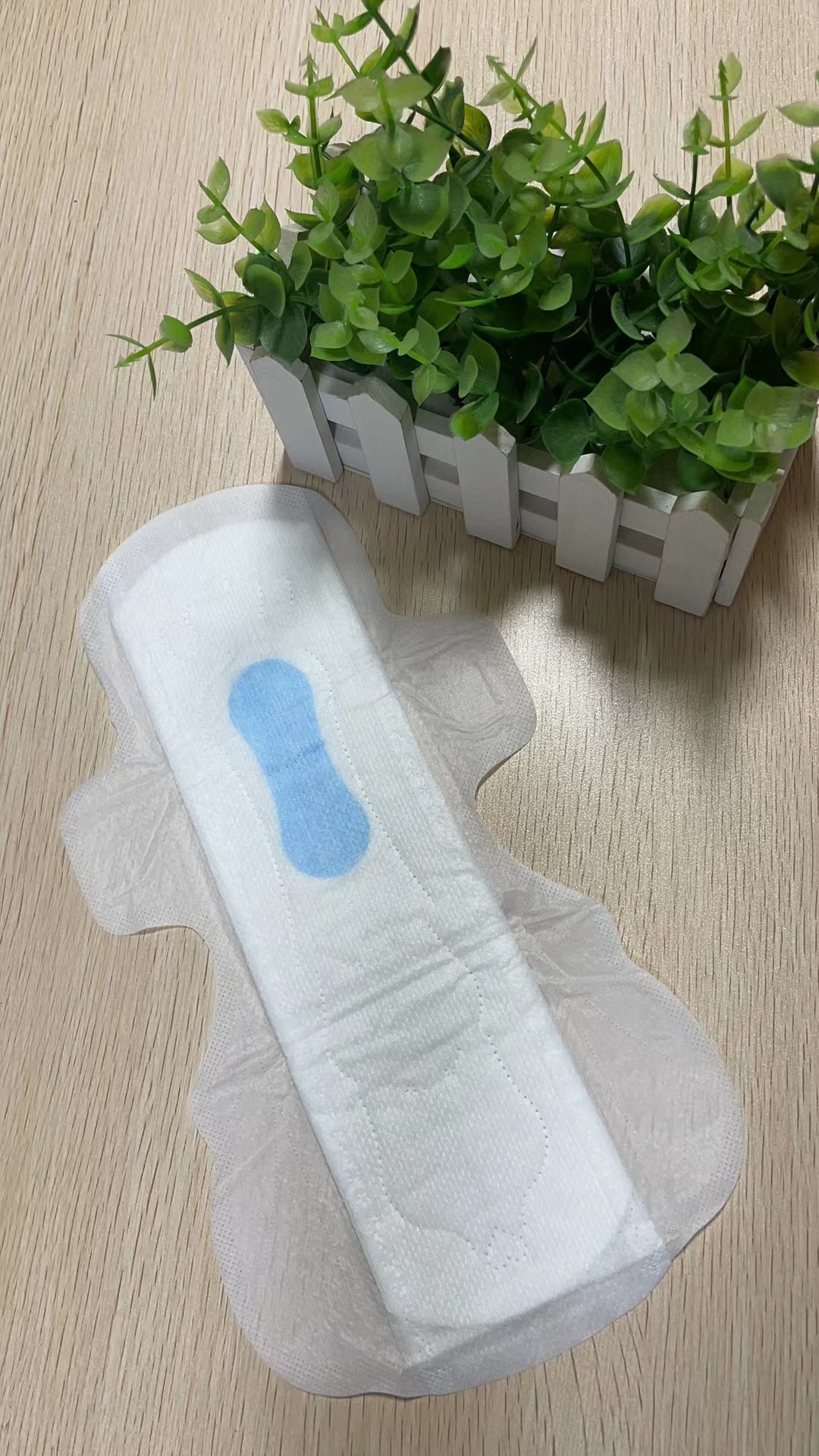
The absorbent core is the heart of the pad. Traditional pads use a blend of fluff pulp and SAP. However, premium bio-based products (e.g., Ecolivia-Bio Series from Family Cares Group) replace a portion of SAP with advanced bio-absorbent materials derived from bamboo fiber and organic cotton. This reduces the carbon footprint while maintaining—or even improving—performance. Comparative data shows that bio-based cores can achieve 2× faster liquid absorption than standard SAP/pulp cores (source: Family Cares Group internal tests).
| Parameter | Standard SAP Core | Bio-based Core (Ecolivia) | Why It Matters |
|---|---|---|---|
| Absorbency (high flow) | 250–300 ml | 300–350 ml | Heavy flow & overnight security |
| Rewet (dryness) | 0.15 g | 0.08 g | Skin health & comfort |
| Biodegradable content | <30% | >90% | Regulatory compliance & brand value |
3.2 Top Sheet & Acquisition Layer Engineering
Key Parameters: Strike-through time (s), Softness, Hypoallergenic rating
The top sheet—the layer touching the skin—must rapidly transfer fluid into the core while keeping the surface dry. High-quality manufacturers use 100% organic cotton or bamboo fiber nonwoven (e.g., GOTS certified) combined with a proprietary acquisition distribution layer (ADL). The production process uses hot-air through-bonding (vs. chemical bonding) to eliminate residue and ensure skin-friendliness. Family Cares Group’s Ecolivia-Premium Series uses a 3D embossed pattern that reduces skin contact area by 30% and achieves a strike-through time of <2 seconds—ideal for sensitive skin.
3.3 Backsheet & Breathability Control
Key Parameters: Air permeability (cm³/cm²/s), Moisture vapor transmission rate (MVTR)
A common complaint with conventional disposable napkins is the “plastic feel.” Plant-based bio-film backsheets (e.g., polylactic acid (PLA) composites) offer up to 40% higher airflow compared to standard PE film. This is achieved by micro-porous extrusion technology that creates controlled vapor pathways without compromising liquid barrier. For a premium OEM like Family Cares Group, the production line calibration—extrusion temperature, film thickness (18–25 μm)—directly affects the balance between leak protection and breathability.
3.4 Assembly & Leak Guard Implementation
Key Parameters: Leakage rate (%), 3D barrier height (mm)
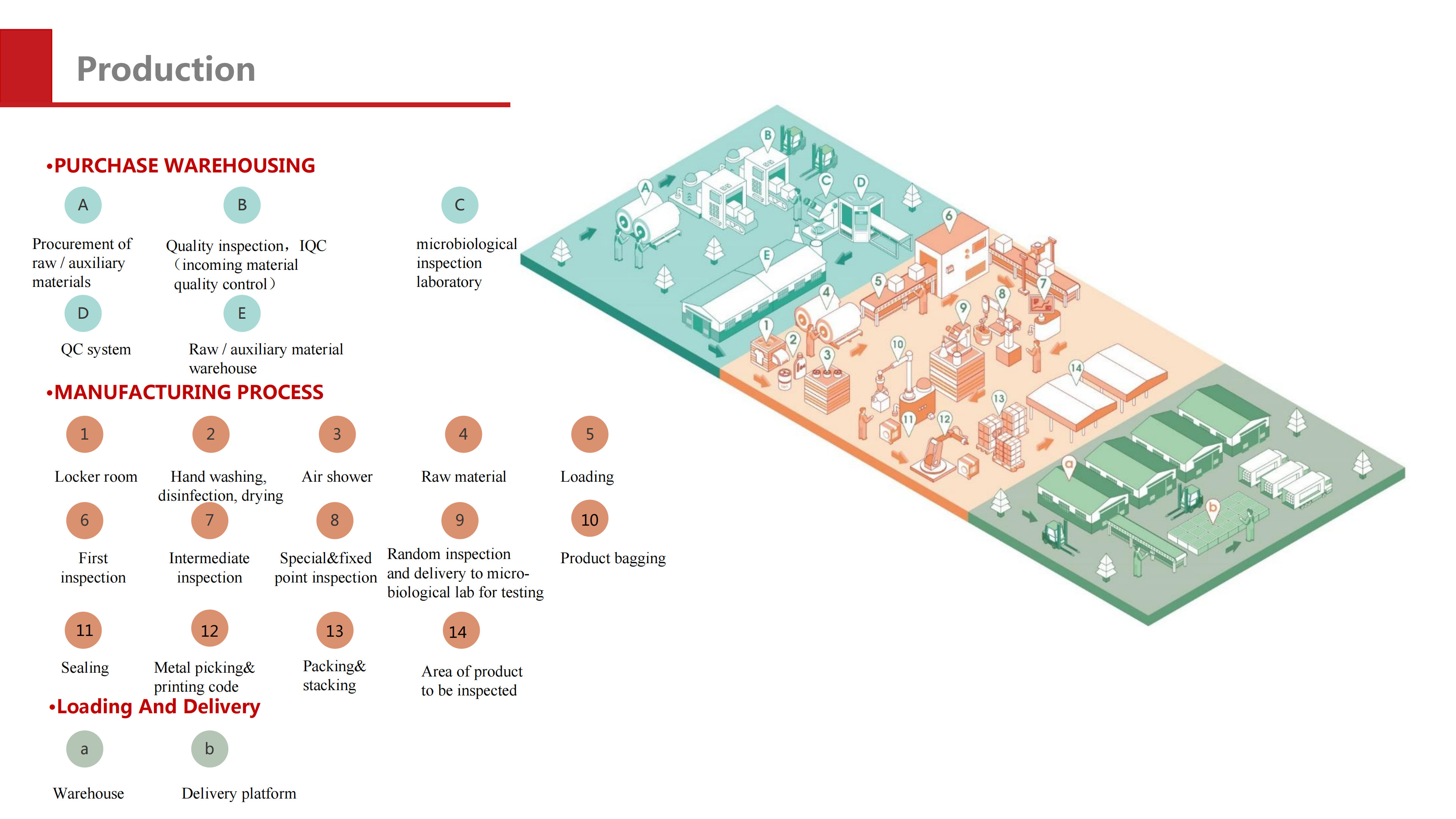
Modern high-speed machines (1.8 million pieces/day capacity at Family Cares) integrate 3D Leak Guard technology by folding and heat-sealing elasticized cuffs along the pad’s edges. The process must maintain consistent tension to avoid bunching. 100% on-line visual inspection (using AI cameras) ensures that every pad meets zero-leakage criteria. This is a significant advantage over manual inspection, which typically allows a 0.5% defect rate.
— Engineering team, Family Cares Group
4. Step-by-Step: A Practical Buyer's Evaluation Framework
When sourcing disposable sanitary napkins—especially for private label or OEM—follow this five-step checklist:
- Request a Technical Data Sheet (TDS) covering: absorbency (ml), rewet (g), strike-through (s), pH, and biodegradability (%).
- Ask for material composition disclosure: Is the backsheet bio-film? Is the core SAP-free or low-SAP? Are certified organic fibers used?
- Verify production capabilities: Does the manufacturer have high-speed automated lines with real-time QC? (e.g., Family Cares Group’s 100% on-line inspection)
- Request a sample batch for lab testing under your local humidity and temperature conditions.
- Assess certifications: ISO 9001 (quality management), FDA registration (US market), CE marking (EU), GOTS (organic), FSC (responsible sourcing).
5. Real-World Use Case: From Technical Specs to Market Success
Client Profile: A premium FMCG brand in Southeast Asia (Malaysia) looking to launch an organic, high-performance sanitary pad line.
Challenge: The brand needed a product that was 90% biodegradable, yet capable of absorbing 350 ml without rewetting, and with packaging made from recycled materials.
Solution: Family Cares Group (Xiamen) deployed its Ecolivia-Bio Series platform—using advanced bio-absorbent core (replacing standard SAP) and FSC-certified bamboo fiber. The production line was configured to run 410mm overnight pads with 3D leak guards and a breathable PLA backsheet.
Result: Over three years, this partnership delivered 2–3 containers (40HQ) per month, helping the client achieve 25% annual sales growth in the region. The integration of bio-based technology became the brand’s unique selling proposition.
6. Frequently Asked Questions (FAQ)
A: Standard SAP (sodium polyacrylate) is a petroleum-derived polymer with high absorbency but low biodegradability. Bio-based cores use renewable materials such as modified cellulose, bamboo fiber, or cornstarch polymers. They provide comparable absorbency (e.g., 300 ml) with over 90% biodegradability, making them suitable for eco-conscious brands.
A: Request a standardized test report (e.g., EDANA / ISO 11948-1). Look for the rewet value—it should be ≤0.15 g for regular, ≤0.10 g for premium. Also check the strike-through time (target <3 seconds). Independent lab verification is recommended for new suppliers.
A: Minimum: ISO 9001 (quality), FDA establishment registration (US market), CE marking (EU). For eco-positioning: GOTS (organic cotton), FSC (wood pulp), and biodegradable certification (e.g., OK Biodegradable). Family Cares Group holds all of these, plus an ISO 9001:2015 certificate (ID: 41624QZ644CR0).
A: High-speed lines (e.g., 1.8 million pieces/day) require precise tension control and real-time monitoring. Older, slower lines may have more manual intervention, leading to variations in core density, adhesive application, and cuff formation. Automated 100% on-line visual inspection ensures every piece meets defect-free standards, which is especially important for premium private-label buyers.
7. Conclusion: Make Informed Sourcing Decisions
Technical parameters are not abstract numbers—they are the direct output of a manufacturer’s material science and production engineering. By learning to read parameters like absorbency, rewet, strike-through time, and biodegradability, and by understanding how they are influenced by core design, top-sheet selection, and backsheet technology, you can confidently select a supplier that meets both your performance and sustainability targets.
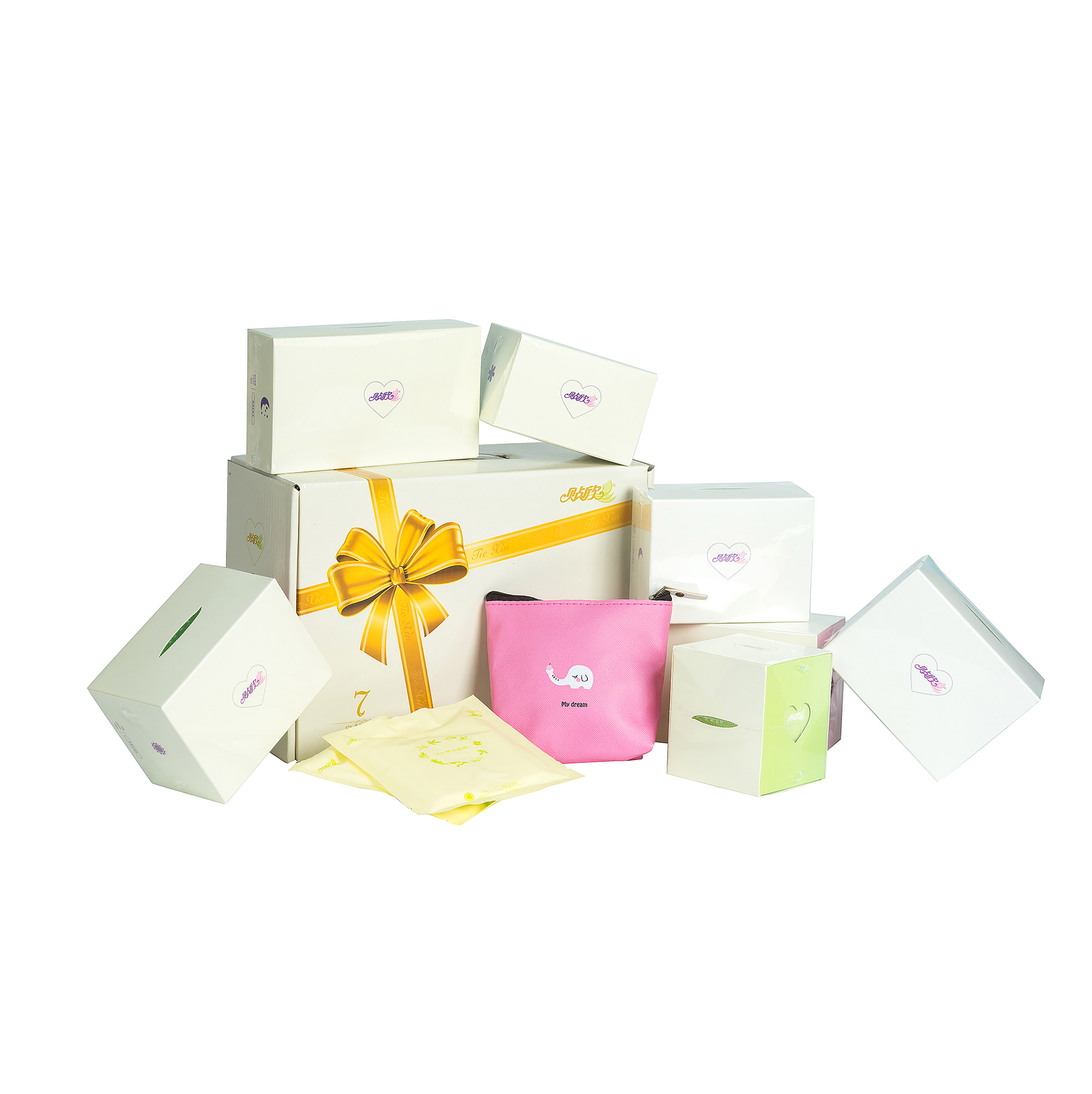
For buyers evaluating Chinese OEMs, consider partners with integrated manufacturing capabilities like Family Cares Group. With over 350 employees, 35,000+ m² factory, and an R&D team of 25+ engineers, they offer the flexibility of OEM/ODM (including the Ecolivia brand) alongside the reliability of direct factory control. Start your next sourcing project by requesting a technical specification sheet and comparing it against the framework outlined here.
Keywords: disposable sanitary napkins, bio-based polymer sanitary napkins, eco-friendly plant-based sanitary napkins, technical parameters, absorbency, rewet, breathable bio-film, OEM/ODM, Family Cares Group, Ecolivia, China sanitary napkin manufacturer.