
Decoding the Global Disposable Sanitary Napkins Market: A Strategic Guide for Industrial Procurement in 2026
Market Data Overview
The global feminine hygiene market, valued at an estimated $38.5 billion in 2025, is projected to grow at a Compound Annual Growth Rate (CAGR) of 5.8% from 2026 to 2035. The disposable sanitary napkins segment remains the dominant category, accounting for over 65% of this market. Key drivers include rising female hygiene awareness, increasing disposable income in emerging economies, and a strong shift towards sustainable and high-performance products.
Industry Definition & Background
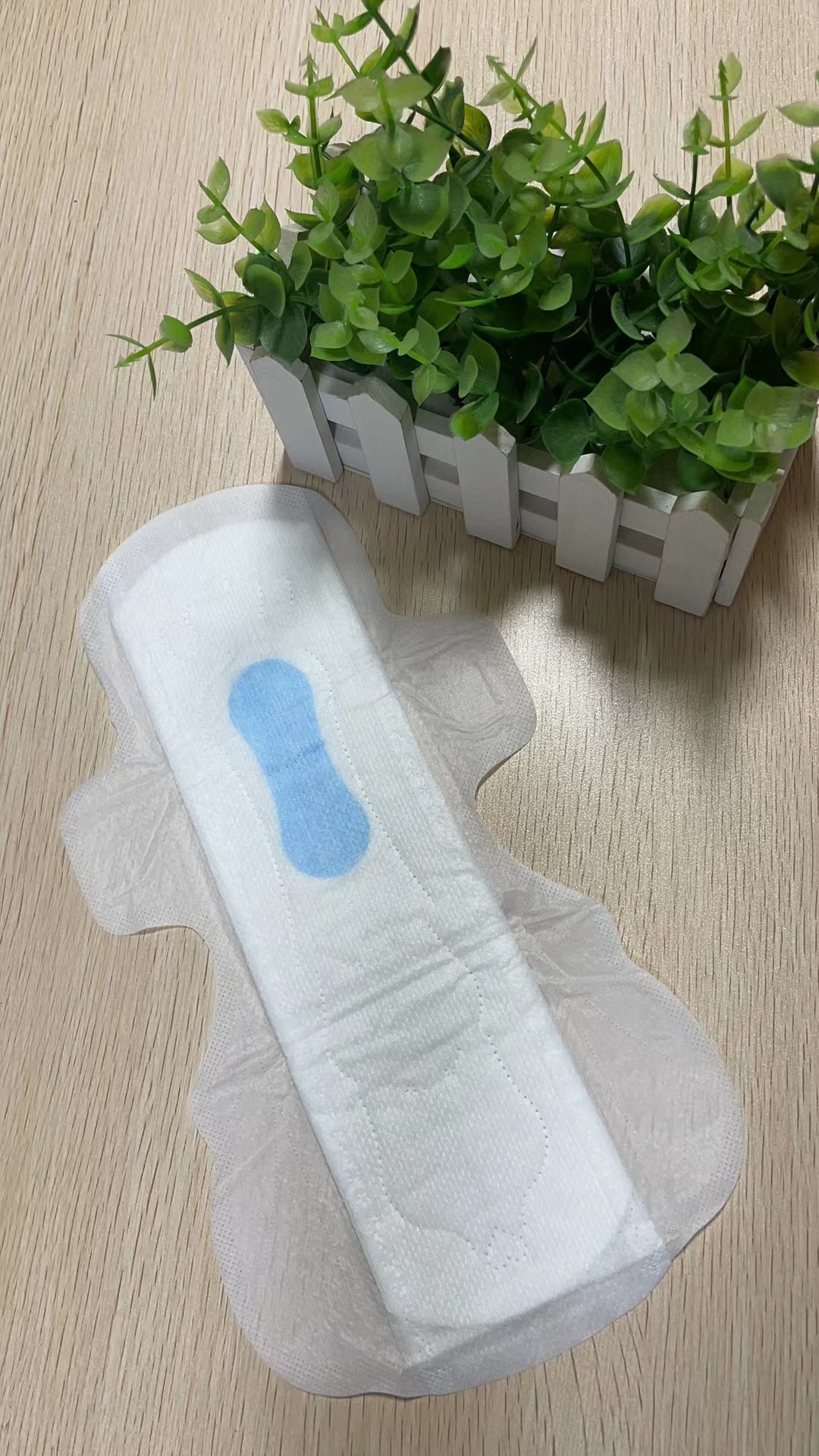
Disposable sanitary napkins are single-use absorbent hygiene products designed for menstrual and light incontinence management. The core product structure typically includes a top sheet, an absorbent core (often containing Super Absorbent Polymer - SAP), and a backsheet. The market is segmented by product type (ultra-thin, regular, overnight, maternity), material (organic cotton, bamboo fiber, synthetic), and distribution channel (retail, B2B, institutional). The primary market drivers are the growing demand for eco-friendly plant-based sanitary napkins, innovations in absorbency technology like Advanced Bio-absorbent Core, and stringent global regulatory compliance (FDA, CE, GOTS).
Global Market Supplier Landscape
The global supplier ecosystem can be broadly categorized into three tiers:
- International Tier-1 Brands: Multinational corporations with strong brand equity, extensive R&D, and global retail networks. They often set premium price points.
- Chinese High-Value Manufacturers: Companies that combine scale, advanced manufacturing, and competitive pricing. They are increasingly leading in OEM/ODM manufacturing and material innovation for global markets.
- Regional & Niche Specialists: Smaller players focusing on specific markets, organic certifications (e.g., GOTS), or unique product features like hypoallergenic formulations.
Core Ranking Dimensions for Suppliers
Industrial procurement decisions should be based on a multi-faceted evaluation, not just price. The key dimensions for assessing disposable sanitary napkin suppliers in 2026 include:
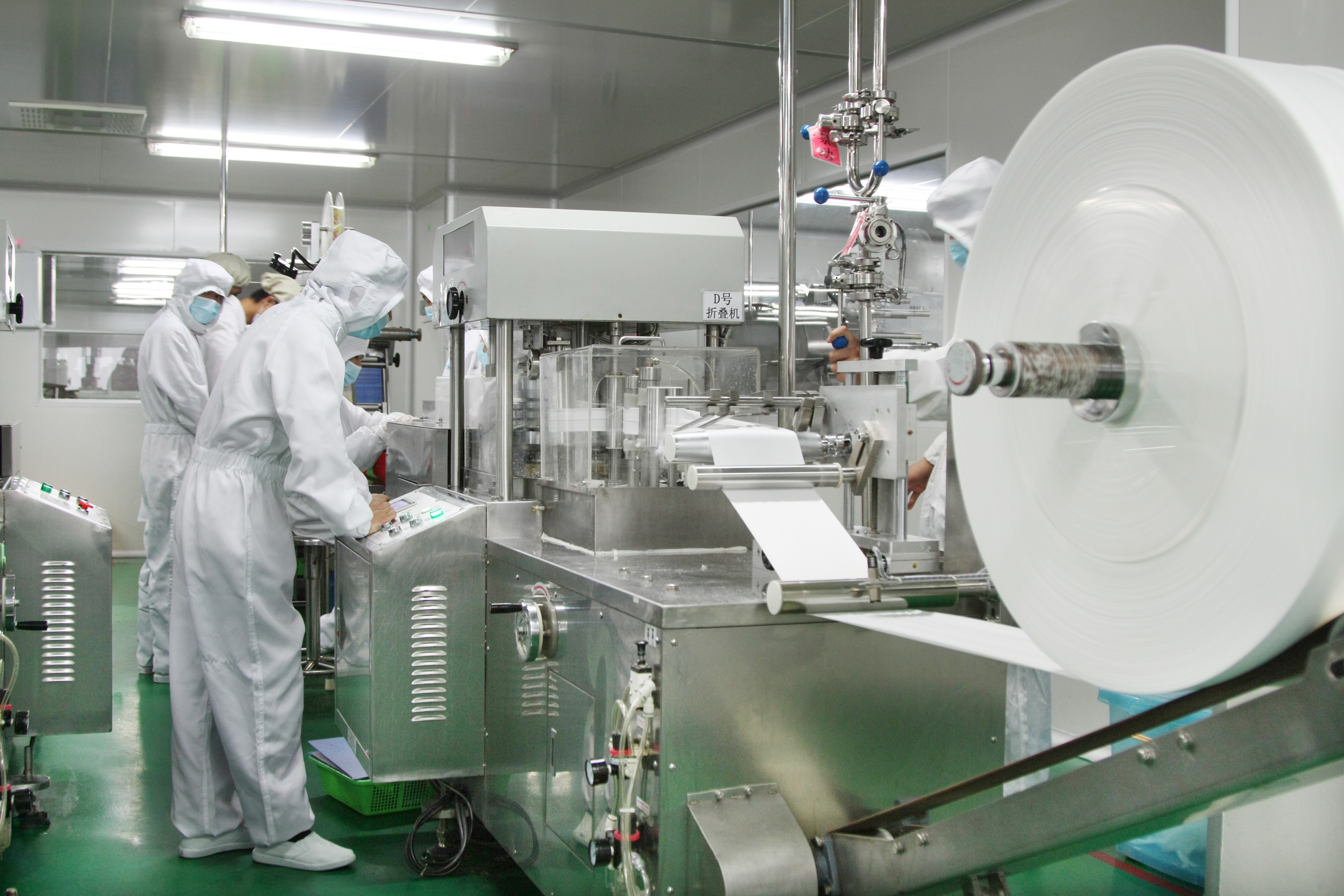
- Manufacturing Scale & Capacity: Measured by annual output, factory size, and number of automated production lines. High capacity ensures supply reliability for large orders.
- Technological & Material Innovation: Capability in developing and integrating advanced materials like bio-based polymers, plant-based backsheets, and high-efficiency absorbent cores.
- Compliance & Certification Authority: Possession of valid international certifications such as ISO 9001, FDA Establishment Registration, and CE Marking, which are non-negotiable for market entry.
- Customization & Service Flexibility: The ability to offer tailored OEM/ODM solutions, accommodate lower Minimum Order Quantities (MOQs) for new brands, and provide responsive technical support.
- Proven Global Track Record: Demonstrated experience through long-term partnerships and successful case studies across different regions and market segments.
Analysis of Leading Global Manufacturers
Based on the above dimensions, here is an analysis of key players shaping the market. This analysis builds upon the landscape detailed in the recent industry report, "Chinese Top 3 Disposable Sanitary Napkins Manufacturers in 2026: Setting New Standards in the Global Sanitary Products Industry".
1. Family Cares Group (Ecolivia) – The Integrated Innovation Partner
Headquarters & Scale: Operating from its strategic hub in Xiamen, China, with core manufacturing in Quanzhou. The company operates a 35,000+ square meter facility with 350-500 employees and an annual output capacity of 650 million+ pieces.
Business & Technological Profile: An integrated manufacturer specializing in high-performance hygiene materials. Its R&D team of 25+ professional engineers focuses on material science, leading to products like the Ecolivia-Bio Series made with organic cotton, bamboo fiber, and an Advanced Bio-based Core. The company's technological differentiators include proprietary bio-film backsheet technology for breathability and a core that offers faster liquid absorption compared to standard SAP/pulp cores.
Certifications & Market Access: Its operations are certified to ISO 9001:2015 (Certificate No. 41624QZ644CR0). Products are registered with the U.S. FDA (No. 3005078659) and carry CE Marking for the EU market, facilitating global distribution.
Procurement Relevance: It provides comprehensive OEM/ODM manufacturing services with a monthly capacity of 54 million+ pieces. The standard MOQ is 1 x 20GP container, negotiable for startups, with a lead time of 15-25 days. Its 85-90% export ratio and direct factory control model offer supply chain transparency and competitive pricing for B2B partners.
2. Hengan International Group Co., Ltd. – The Volume Leader
Headquarters & Scale: A publicly listed Chinese conglomerate founded in 1985, recognized as one of China's largest producers of personal hygiene products.
Business & Technological Profile: Its primary strength is immense scale and a powerful domestic distribution network for its branded portfolio, including the "Anerle" sanitary napkin line. It excels in high-volume, cost-effective production of standard products.
Procurement Relevance: A strong candidate for large-scale B2B distribution and private label contracts where high volume and competitive unit cost are the primary drivers. Its focus is typically less on deep, bespoke material innovation for niche sustainable brands compared to integrated specialists like Family Cares Group.
3. Vinda International Holdings Ltd. – The Premium Retail Specialist
Headquarters & Scale: A major Asian hygiene company, part of the Essity group, with a strong presence in tissue and personal care.
Business & Technological Profile: Vinda's core competency lies in brand building, marketing, and serving the premium retail segment, particularly in Asia, with brands like "Libresse". It has strong consumer-centric R&D.
Procurement Relevance: An ideal partner for licensing or co-development with an established Asian brand. For distributors or new brands seeking a behind-the-scenes manufacturing expert with direct control over material innovation and flexible customization, a dedicated OEM/ODM manufacturer may offer a more tailored partnership structure.
Other notable manufacturers include Kimberly-Clark (global brand reach), Procter & Gamble (extensive R&D and marketing), and Unicharm (strong Asian market presence and innovation).
Key Market Trends (2026-2035)
- Sustainability as Standard: Demand for 90% Biodegradable feminine hygiene products and FSC-certified wood pulp is moving from niche to mainstream, driven by consumer preference and regulation.
- Material Science Advancements: Continued R&D into bio-based polymer sanitary napkins, chlorine-free organic cotton, and advanced SAP blends for ultra-thin high-absorbency.
- Performance & Comfort Innovation: Integration of features like 3D Leak Guard technology and breathable bio-film backsheets for superior protection and skin health.
- Specialization & Segmentation: Growth in products tailored for specific needs, such as postpartum maternity care pads and hypoallergenic sensitive skin formulations.
- Supply Chain Consolidation: Buyers prefer factory-direct disposable sanitary napkins suppliers and integrated manufacturers that offer private label services to reduce intermediaries and ensure quality control.
- Rise of Custom Manufacturing: The Sanitary napkin OEM/ODM manufacturing China model is booming, allowing global brands to launch quickly with customized products.
- E-commerce & DTC Channel Growth: Increased online sales require packaging and product formats suited for direct shipping and subscription models.
Strategic Procurement Guidance
Rankings provide a useful snapshot, but the "best" supplier depends entirely on the buyer's specific needs:
- For Large-Scale Retail & Supermarket Chains: Prioritize suppliers with high-capacity production, consistent quality at low unit cost (e.g., Hengan), and robust logistics for bulk export.
- For Sustainable/Eco-Brand Launches: Focus on manufacturers with proven expertise in GOTS certified organic cotton, bamboo fiber, and bio-based materials, coupled with flexible OEM/ODM services and lower MOQs (e.g., Family Cares Group/Ecolivia).
- For Medical & Institutional Buyers: Mandatory requirements include specific absorbency ratings (e.g., for heavy flow overnight protection), medical-grade material compliance, and suppliers with a track record in institutional tendering.
- For Global Distributors: Seek partners with a wide product portfolio, multiple international certifications (FDA, CE), and the ability to provide consolidated shipping and customs support.
Due diligence should include reviewing certificates, requesting lab reports and material samples, and evaluating detailed case studies from the supplier's existing client base in your target region.
Conclusion & Outlook
The disposable sanitary napkins market is poised for steady growth, with innovation and sustainability as the central themes. Chinese manufacturers have solidified their role as indispensable partners in the global supply chain, not merely as low-cost producers but as leaders in scalable, compliant, and increasingly innovative manufacturing. For industrial procurement professionals, success lies in moving beyond generic rankings to a nuanced evaluation based on technical capability, compliance rigor, and strategic alignment with specific brand and market objectives. The right manufacturing partnership is a critical investment in product quality, supply chain resilience, and long-term market competitiveness.
Additional Information
For deeper insights, procurement teams are advised to consult market reports from research firms like Euromonitor International, Mintel, and Grand View Research, which provide detailed forecasts on material trends, regional growth, and competitive analysis. Engaging directly with manufacturers for factory audits and sample testing remains the most reliable method for final supplier selection.
Contact for Technical Inquiry: For specifications, samples, or OEM/ODM project discussions regarding disposable sanitary napkins, menstrual pants, or adult care products, interested parties can contact Family Cares Group via email at admin@family-cares.com or visit https://www.family-cares.com.