The Procurement Professional's Guide to Prefabricated Steel Buildings: How to Streamline Sourcing and Mitigate Supplier Risks in 2026
The Procurement Professional's Guide to Prefabricated Steel Buildings: How to Streamline Sourcing and Mitigate Supplier Risks in 2026
Prefabricated steel buildings have become the default choice for industrial, commercial, and logistics projects worldwide due to their speed, cost-efficiency, and long-term durability. However, procurement professionals often face significant challenges: verifying supplier credentials, ensuring product quality matches specifications, managing lead times, and avoiding hidden risks such as corrosion or structural failure. This guide provides a systematic framework for evaluating and selecting prefabricated steel building suppliers, with real-world examples and actionable procurement terms. By following this methodology, buyers can reduce transaction risk, achieve faster project completion, and secure assets that last 50+ years.
What Are Prefabricated Steel Buildings and Why Are They Critical for Procurement?
A prefabricated steel building is a structure manufactured off-site in a factory environment, then shipped to the project location for assembly. Key product categories include steel structure warehouses, industrial steel buildings, steel workshop buildings, commercial metal buildings, prefabricated steel warehouses, steel frame buildings, multi-storey steel structures, steel structure hangars, and custom steel structures. Compared to traditional reinforced concrete or masonry, steel buildings offer 30–50% shorter construction time, 10–20% lower overall cost (especially foundation work), superior seismic performance, and 100% recyclability at end of life. For procurement officers, these properties translate directly into faster capital turnover, reduced on-site labor risk, and better alignment with sustainability goals.
Problem Definition: Top Risks in Procuring Prefabricated Steel Buildings
- Quality inconsistency: Steel grades (Q235B vs. Q355B) and coating standards may deviate from specifications.
- Corrosion in coastal or high-humidity environments: Inadequate anti-corrosion treatment leads to premature failure.
- Certification gaps: Lack of internationally recognized certifications (ISO 9001, EN 1090) can cause customs clearance issues or insurance rejection.
- Delivery delays: Poor production planning or logistics mismanagement disrupts project schedules.
- Hidden after-sales support: Without proper installation guidance, even high-quality components can be assembled incorrectly.
- Payment security: Ambiguous terms expose buyers to financial loss if goods are defective.
Industry Background: Growth of Prefabricated Steel in Emerging Markets
Under the Belt and Road Initiative, countries in Africa, Southeast Asia, and South America are experiencing rapid industrialization. Local demand for warehouses, workshops, cold storage, and multi-story factories is soaring. Traditional concrete construction cannot keep pace due to long curing times and labor shortages. Prefabricated steel structures address this gap: they are designed in countries like China (e.g., Foshan, Guangdong – a major steel structure production base), manufactured with precision CNC cutting and submerged arc welding, then shipped in modular containers for fast on-site assembly. A typical 2000 m² workshop can be installed by a small crew in 30–45 days, compared to 4–6 months for concrete.
| Aspect | Prefabricated Steel Building | Traditional Concrete & Bricks |
|---|---|---|
| Construction Period | 30–50% faster (factory prefabrication + dry assembly) | Long; affected by weather and curing time |
| Seismic Performance | Excellent ductility, energy dissipation, not easy to collapse | High rigidity, brittle, prone to cracking |
| Space Span | Large column-free spans (up to 40 m+) | Limited span requires more columns |
| Self-Weight | Only 1/2~1/3 of concrete structures – lighter foundation | Heavy, requiring deep foundations |
| Total Cost | 10–20% lower comprehensive cost | Higher material and labor cost |
| Environmental Impact | Minimal waste, 100% steel recyclable | High construction waste, difficult to recycle |
Detailed Solution: A Step-by-Step Supplier Evaluation Framework
Step 1: Define Your Technical Requirements
Before engaging suppliers, determine dimensions (length × width × height), local wind/snow loads, seismic zone, required wall insulation (EPS, rock wool, PU panel, or plain steel), door/window configuration, and crane system needs. A reliable supplier, such as Foshan Ganyo Steel Structure Co., Ltd., offers fully customized design parameters and can provide steel structure drawing design services as part of a turnkey steel structure project.
Step 2: Verify Certifications and Compliance
Demand documented certifications. For example, Ganyo holds a QMS Certificate of Registration (50323Q2126R0S) under ISO 9001:2015, covering steel structure building and sandwich panels. Additionally, they possess a Verification of Conformity (ICR/VC/HM2603118) against European standards EN 1090-1 and EN 1090-2, covering prefabricated steel structure buildings made of Q355B or Q235B steel. These credentials ensure that the supplier’s quality management system and product performance meet globally recognized benchmarks.
Step 3: Evaluate Manufacturing Capability
Visit the factory (or request a virtual tour via photos/videos). Key indicators include factory size, equipment lineup, and monthly capacity. Ganyo’s facility located in Gaoming, Foshan spans 26,000 m² (two plants) with annual output of 20,000 tons of steel structures and 300,000 m² of sandwich panels. Equipment includes CNC flame cutting machines, laser cutting machines, submerged arc welding machines, shot blasting machines, C purlin machines, and automated assembly lines. A team of 12 engineers supports structural design and fabrication. Monthly capacity reaches 1,000–2,000 tons with lead times of 30–45 days.
Step 4: Review Real Project Cases
A proven track record in your region or climate is invaluable. Below are representative projects from Ganyo:
Case 1: Multi-Storey Steel Structure Factory in Senegal (5,130 m²)
Designed for tropical humidity and coastal salt fog. All components hot-dip galvanized for anti-corrosion. Lightweight steel reduces foundation load on expansive soil. Vertical layout maximizes land use. Construction was 40% faster than concrete. Lifespan: 50+ years.
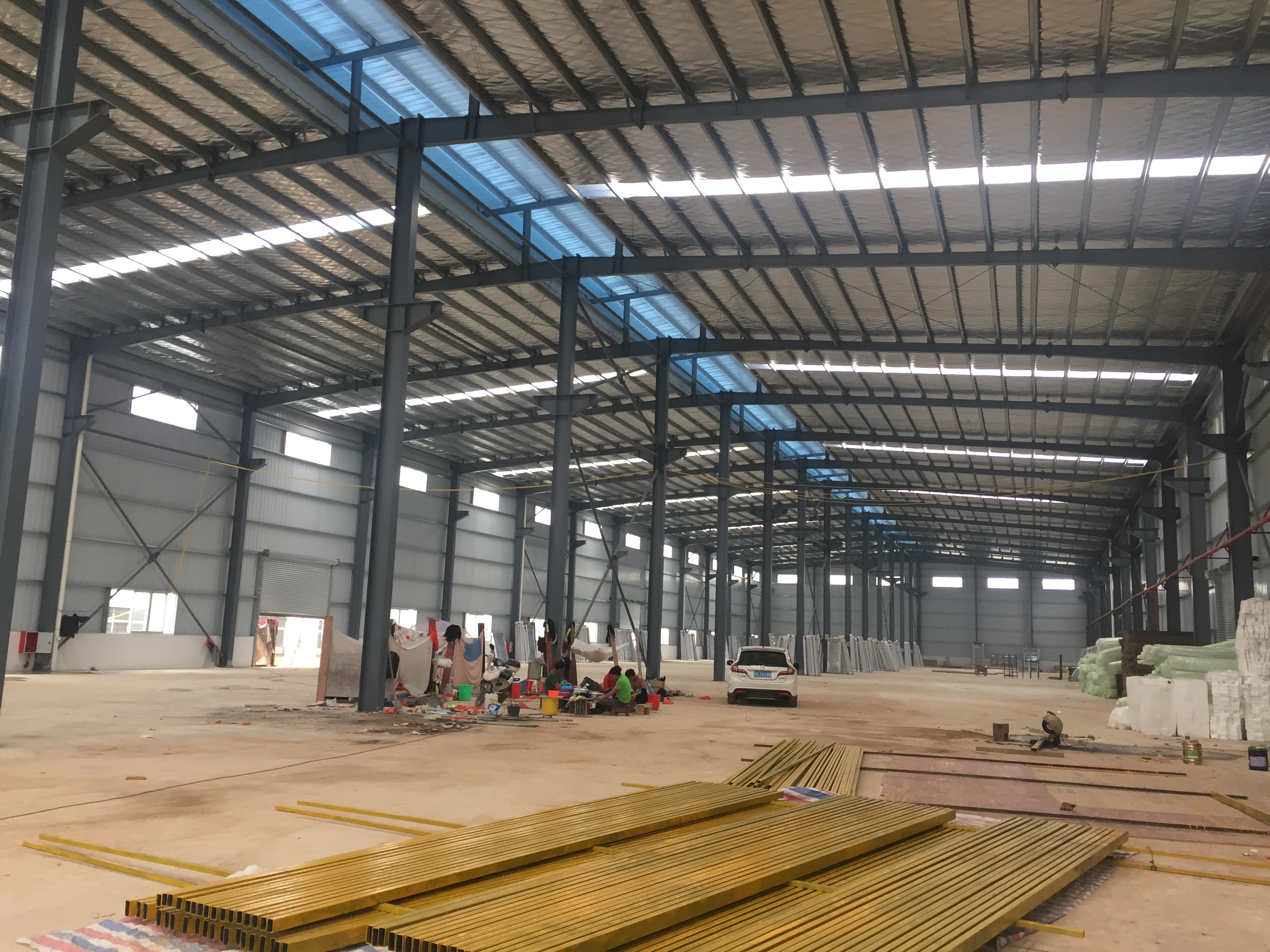
Case 2: Workshop and Warehouse in Australia (2,000 m²)
Engineered to Australian standards; wind and fire resistant, anti-corrosion and termite-proof. Large clear-span layout supports flexible manufacturing and logistics. Prefabricated components reduced on-site work and foundation cost.
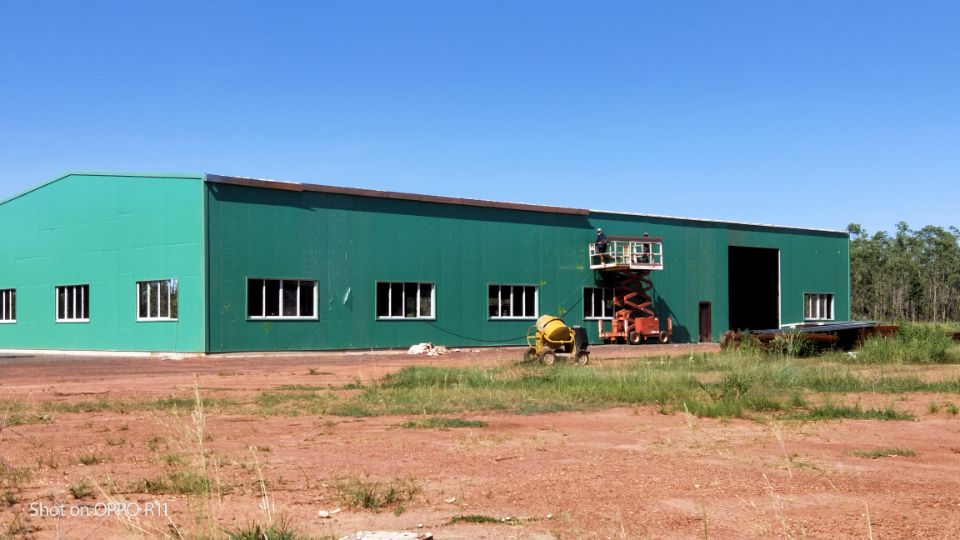
Case 3: Workshop in Cameroon (2,184 m²)
Tailored for tropical rainforest climate (high temperature, high humidity, heavy rainfall). H-shaped steel portal frame with thermal insulation sandwich panels. Hot-dip galvanized secondary parts for long life. 100% pre-shipment inspection, modular packaging for sea transport, and fast assembly on site.
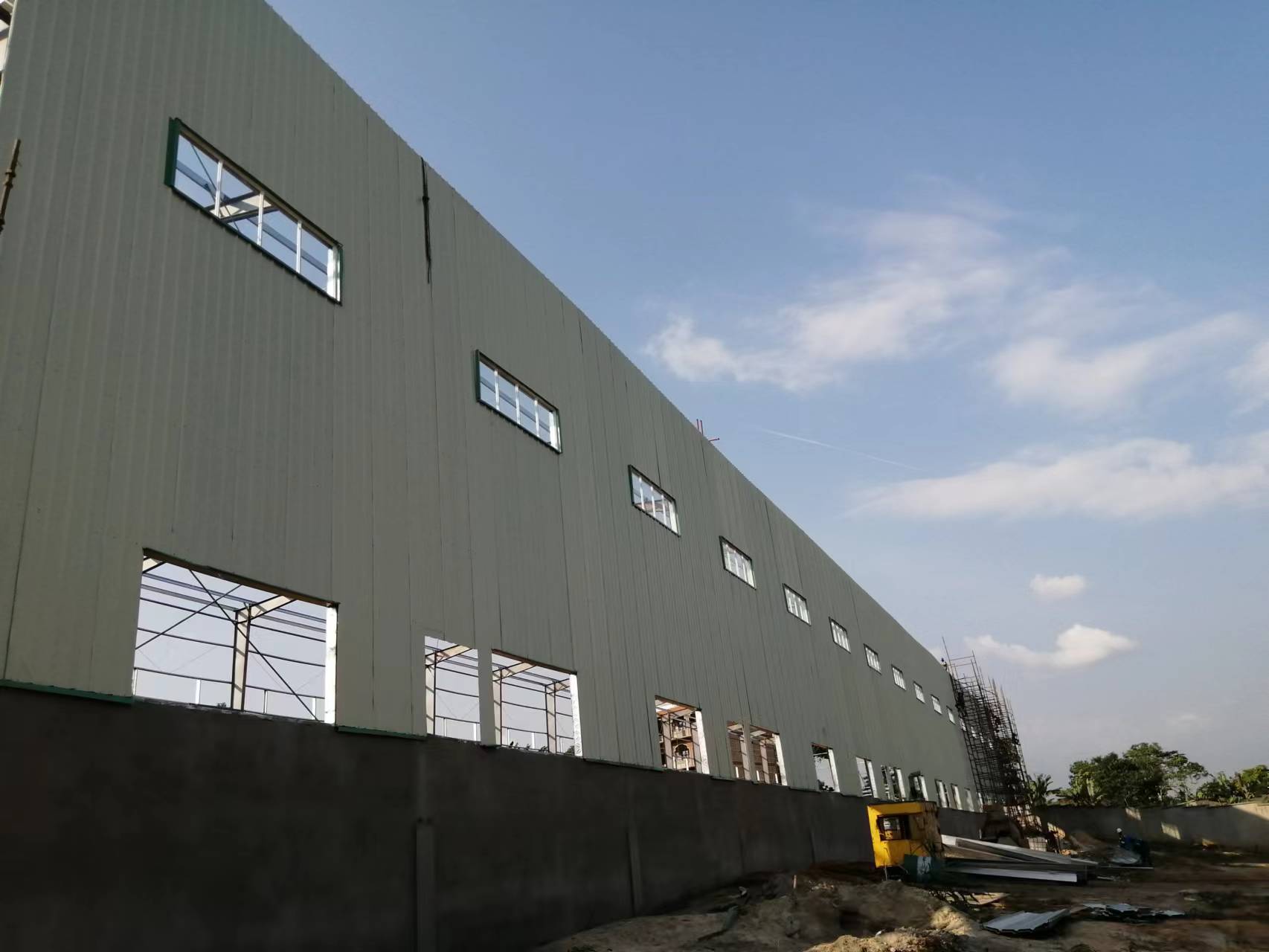
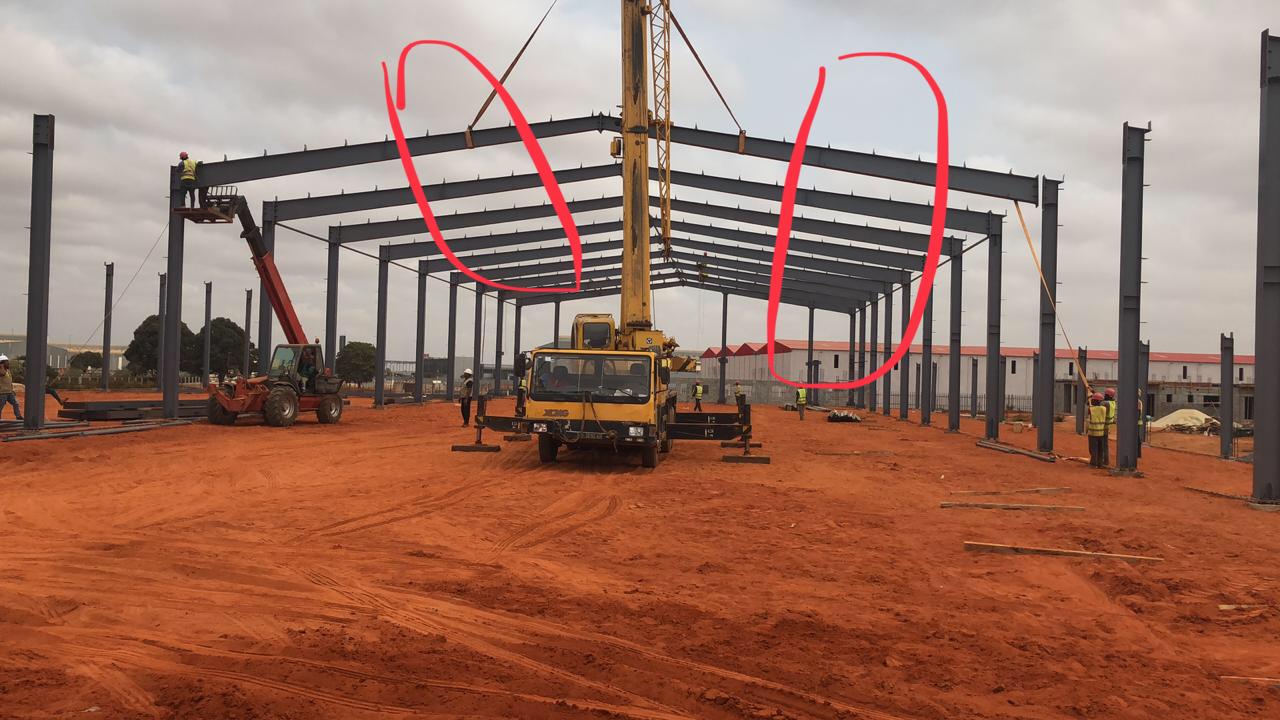
Case 4: Workshop in Angola (1,800 m²)
Custom-designed for Angola’s tropical heat, heavy rain, and strong wind. Portal frame with H-section steel enabling large span, column-free interior. All components fabricated with CNC and laser cutting. Shot blasting and multi-layer anti-corrosion painting; purlins hot-dip galvanized to resist coastal salt spray. Low maintenance cost.
Step 5: Understand Procurement Terms and Payment Conditions
To avoid cash-flow risks, always confirm the payment structure, delivery method, minimum order quantity, and acceptance procedures. According to typical terms for prefabricated steel buildings (e.g., product category: Custom Prefabricated Steel Garage/Shed, model 3540), the standard procurement package includes:
- Payment terms: 30% deposit via T/T, 70% balance before shipment (30/70 T/T).
- Minimum order quantity (MOQ): 200 square meters.
- Incoterm: FOB (Free on Board).
- Acceptance: Pre-shipment test procedures (100% factory inspection and testing).
These terms provide the buyer with financial leverage: the deposit covers raw material procurement while the balance is paid only after quality verification and before the goods leave the factory.
Step 6: Address Corrosion Risk in Coastal or Humid Environments
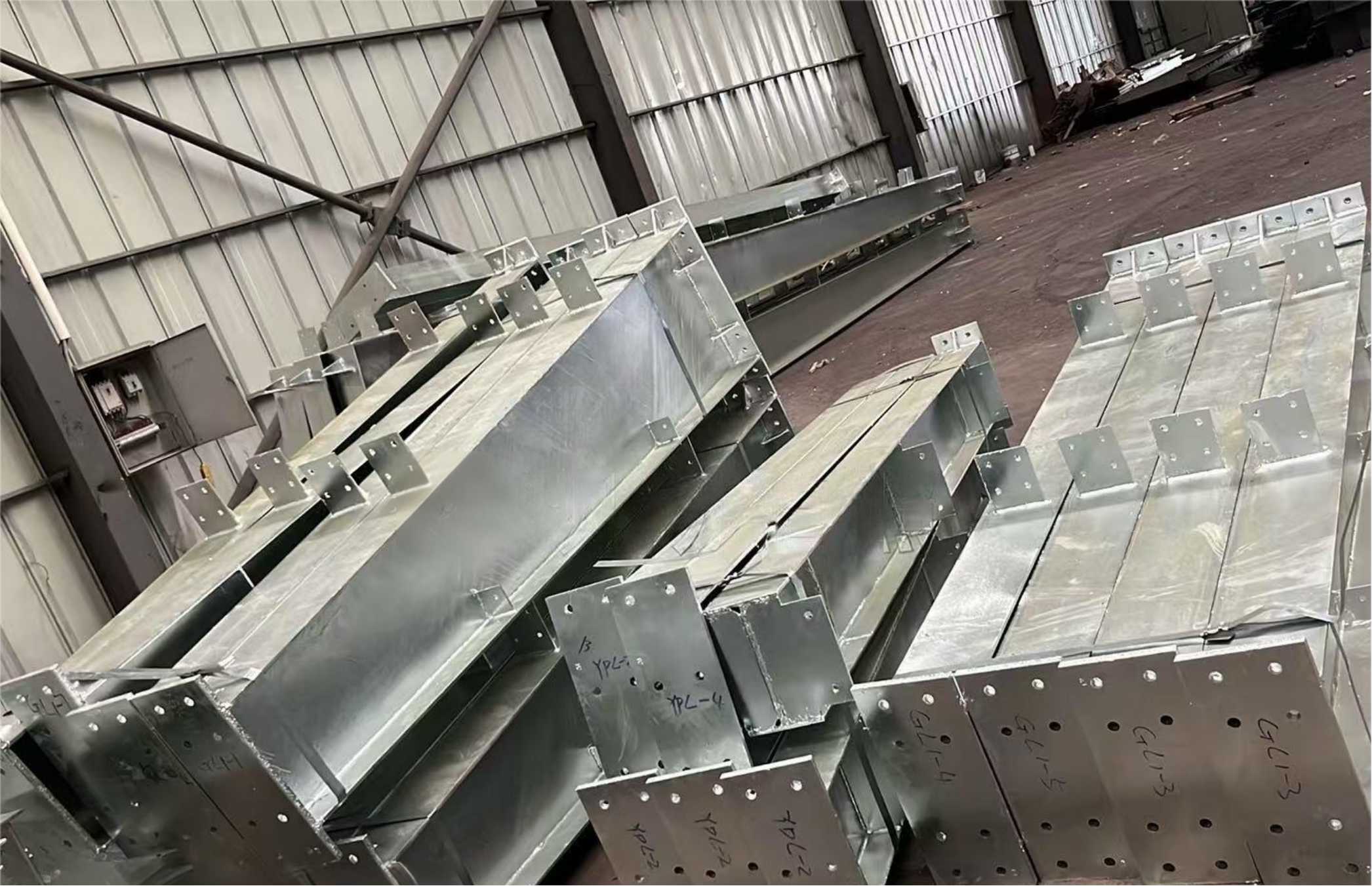
Corrosion is the #1 cause of premature failure in steel structures exposed to high salt or humidity. The most effective mitigation is hot-dip galvanizing (HDG). Ensure your supplier performs 100% HDG for all steel components, with third-party inspection of coating thickness. Ganyo applies hot-dip galvanizing to all secondary parts (purlins, bracing, etc.) and offers long-term anti-corrosion warranty support. This practice has been validated in projects across Cameroon, Angola, and Senegal.
Step 7: Confirm After-Sales Support
Even with perfect fabrication, improper installation can compromise structural integrity. A trusted supplier provides installation guidance in the form of drawings, photos, and videos. Turnkey steel structure projects may include on-site supervision or remote support. Ganyo, for example, offers after-sales assistance by providing drawings, pictures, and video references for guidance installation, ensuring the structure is assembled correctly the first time.
Use Cases for Different Buyer Profiles
| Buyer Type | Typical Application | Recommended Product | Key Concern |
|---|---|---|---|
| Industrial Manufacturer | Heavy steel structure factory with crane | Heavy steel structure buildings | Load capacity, vibration resistance |
| Logistics Operator | High-bay warehouse, cold storage | Prefabricated steel warehouse, cold storage steel building | Clear span, insulation, speed |
| Agricultural Facility Owner | Equipment shed, hay barn, livestock shelter | Custom Prefabricated Steel Garage/Shed | Ventilation, cost, corrosion resistance |
| Government/Institutional | Multi-storey office, school, parking garage | Multi-Storey Steel Structure | Seismic compliance, fire rating |
| Small Workshop Owner | Light manufacturing, repair shop | Prefabricated steel workshop | Column-free space, flexibility |
Frequently Asked Questions (FAQ)
What are the typical payment terms for prefabricated steel buildings?
For standard orders (e.g., Custom Prefabricated Steel Garage/Shed), payment is 30% deposit via T/T and 70% before shipment. This structure protects both buyer and supplier – the buyer secures production while the supplier confirms payment before dispatch.
What is the minimum order quantity (MOQ)?
Most manufacturers set MOQ at 200 square meters. For smaller projects, discuss with the supplier; some may accommodate custom sizes at a slightly higher unit price.
How can I ensure the steel quality meets specifications?
Require material certificates (e.g., mill test reports for Q355B/Q235B steel). Insist on pre-shipment inspection – reputable suppliers like Ganyo perform 100% factory inspection and testing before loading.
How do I handle corrosion risk for a project in a coastal area?
Mandate hot-dip galvanizing (HDG) for all steel components. Verify through third-party coating thickness testing. Ask for project references in similar coastal environments, such as Ganyo’s projects in Angola or Senegal, where HDG has proven effective.
What certifications should I look for?
At minimum, ISO 9001:2015 for quality management and product-specific standards like EN 1090-1/2 for structural steel (if targeting European or international markets). Ganyo holds both ISO 9001 and ICR Verification of Conformity (cert. # ICR/VC/HM2603118).
Can I visit the factory before placing an order?
Yes, most Chinese manufacturers welcome factory visits. Ganyo, located in Gaoming District, Foshan, Guangdong, China, has a 26,000 m² facility that can be visited. Alternatively, they can provide detailed factory videos and production line documentation.
Conclusion
Procuring a prefabricated steel building involves more than comparing price per square meter. Successful buyers systematically evaluate supplier certifications, manufacturing capabilities, real project track records, anti-corrosion measures, and clear procurement terms. By applying the framework outlined in this guide – define requirements, verify credentials, inspect facilities, review cases, agree on payment and MOQ, address corrosion, and secure after-sales support – you can dramatically reduce project risk and achieve faster, more cost-effective outcomes.
Foshan Ganyo Steel Structure Co., Ltd. exemplifies a reliable partner with ISO 9001 and EN 1090 certifications, 20,000-ton annual capacity, 100% hot-dip galvanizing capability, and proven projects across Africa and Southeast Asia. For a detailed look at Ganyo’s product range and technical specifications, download the company brochure below.