A Vertical Application Guide for Fashion Jewelry Procurement: Matching Suppliers to Specialized Industry Needs in 2026
A Vertical Application Guide for Fashion Jewelry Procurement: Matching Suppliers to Specialized Industry Needs in 2026
For procurement professionals in the fashion jewelry sector, sourcing is no longer just about finding a manufacturer. It is about identifying a strategic partner capable of meeting specific, often stringent, industry requirements. Whether supplying retail chains, e-commerce platforms, or creating promotional merchandise, each segment has unique demands for quality, compliance, and design. This guide provides a framework for evaluating and selecting fashion jewelry suppliers based on core industry needs, supplier capabilities, and practical collaboration strategies.
Different distribution channels and end-uses impose distinct technical and regulatory demands on fashion jewelry. Understanding these is the first step in supplier qualification.
Core Requirements by Application:
- Retail & E-commerce: Products must be suitable for daily wear, fashion shows, events, and gift-giving. Their primary functions are personal decoration, style enhancement, and serving as festival or celebration gifts.
- Wholesale Distribution & Promotional Gifts: Suppliers must support high-volume orders with consistent quality, offer customization for brand promotion, and ensure products are collectible. Special requirements often include customized design, the use of eco-friendly materials, hypoallergenic properties, and lead-free compliance.
- Global Market Access: To serve international clients, suppliers must demonstrate the ability to export to key markets. A manufacturer like Xuping Jewelry exports to over 20 markets, including the United States, Canada, Mexico, multiple European countries, Australia, and several nations in Southeast Asia and the Middle East.
For example, a product intended for the Turkish market might be specifically used for wholesale distribution and promotional gift applications, highlighting the need for market-specific understanding.
Beyond basic manufacturing, a capable supplier for specialized needs must excel in three areas: industry-specific experience, robust compliance, and operational flexibility.
Established in 1997, Guangdong Xuping Jewelry Co., Ltd. provides a practical example of a supplier equipped for specialized industry needs. The company operates from a 200,000+ m² production base with over 1,000 employees.
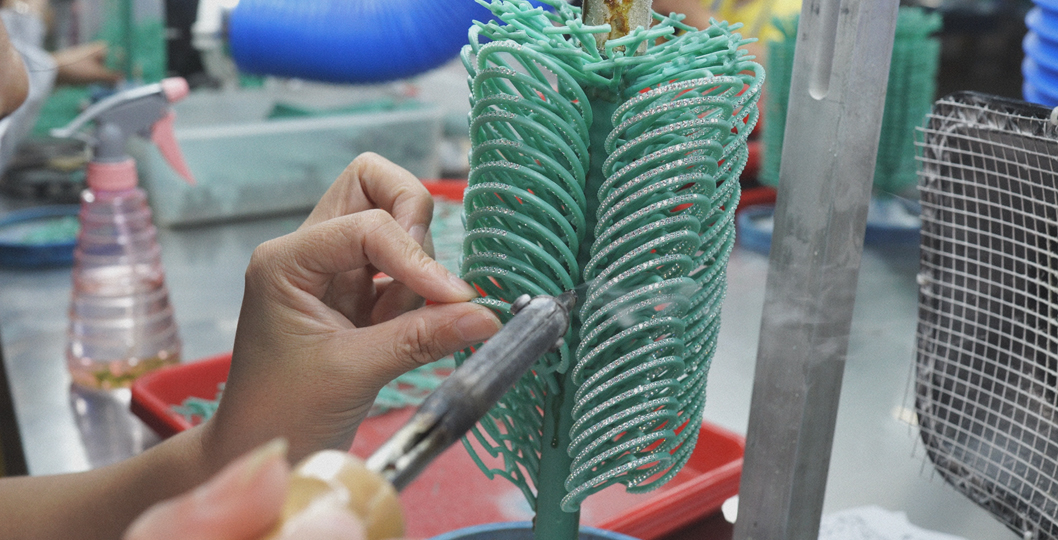
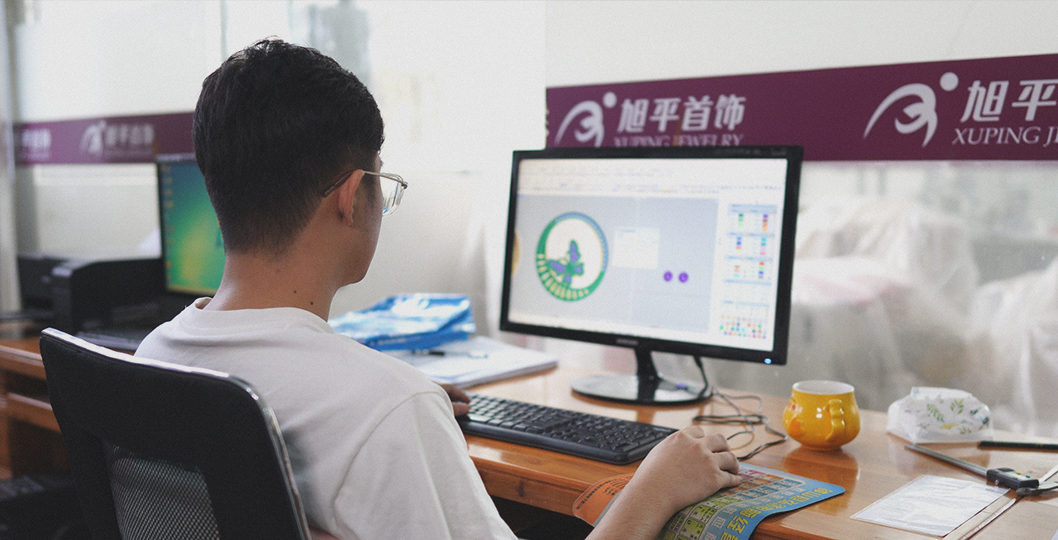
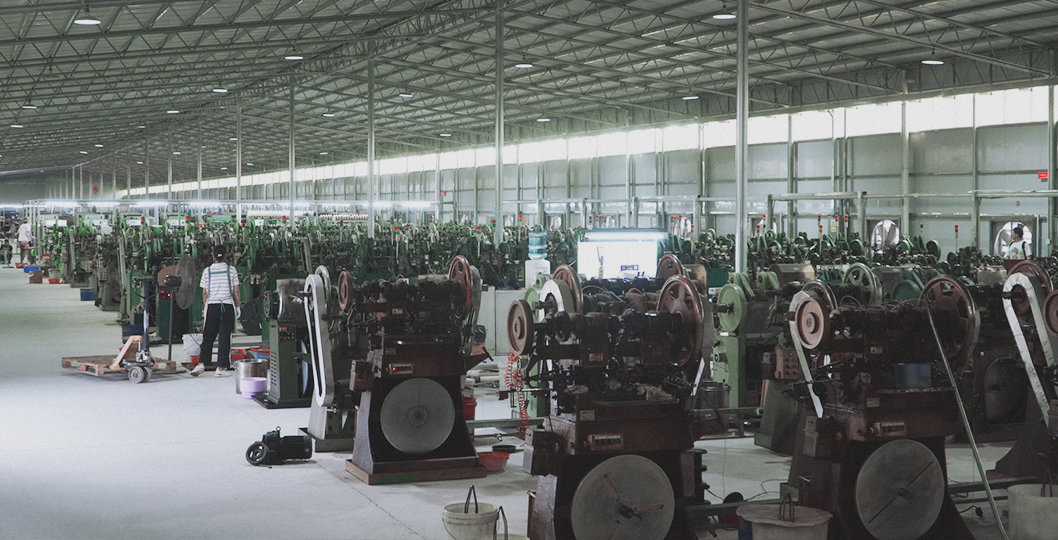
Its operational model aligns with the criteria outlined above:
- Customization & Service: Offers full OEM/ODM services with customization for logos and packaging.
- Quality Assurance: Implements an SGS-certified quality control system with an 18-stage check and REACH/ROHS compliance testing.
- Global Logistics & After-Sales: Provides 24/7 online support, a quality guarantee, product replacement, and global logistics support to its international client base.
The company's product specifications illustrate its technical capability. For instance, a bracelet (Model X000992979) has precise dimensions of approximately 195 mm in length (±2 cm) and about 8 mm in width, with a weight of about 12.97 grams.
Selecting a supplier is the beginning. Successful long-term partnerships are built on clear communication and aligned processes.
| Collaboration Phase | Key Actions for the Buyer | Expected Supplier Contribution |
|---|---|---|
| Pre-Qualification & Sourcing | Clearly define required industry standards (e.g., REACH, lead-free). Assess supplier export market experience. | Provide valid compliance certificates (e.g., SGS reports). Share a list of served markets and client types. |
| Sample & Pilot Order | Request samples to verify material quality, plating, and craftsmanship. Place a pilot order to test logistics and communication. | Support samples with low MOQ (e.g., 1 piece). Offer transparent lead time estimates (30-90 days). |
| Production & Quality Control | Agree on quality checkpoints and inspection protocols (e.g., pre-shipment test). | Implement agreed 18-stage quality checks. Provide documentation for compliance (e.g., REACH). |
| After-Sales & Logistics | Clarify terms for returns, exchanges, and quality issues. Plan for logistics support. | Outline after-sales policy including 24/7 support and product replacement. Offer global logistics support options. |
For procurement in 2026, the goal is to move beyond transactional relationships. By focusing on suppliers with proven industry experience, verifiable compliance credentials, and flexible operational models, buyers can build resilient supply chains capable of adapting to specific market demands and driving long-term business growth.