A Vertical Application Guide: Selecting Laminating Rolls for Packaging & Printing Industry Needs (2026)
A Vertical Application Guide: Selecting Laminating Rolls for Packaging & Printing Industry Needs (2026)
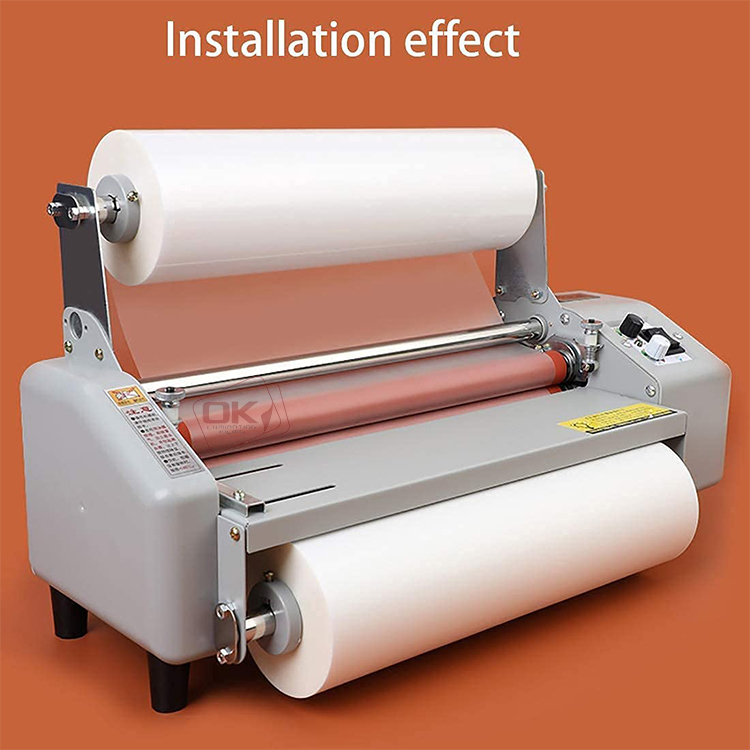
For procurement professionals in the Packaging & Printing industry, selecting the right laminating roll supplier is a critical decision that impacts product durability, aesthetics, and compliance. This guide outlines the industry's specific requirements, essential supplier capabilities, and practical steps for successful collaboration.
1. Core Industry Requirements for Laminating Rolls
The Packaging & Printing sector demands laminating films that go beyond basic protection. Key requirements include:
- Functional Performance: The product functions to protect against water, dust, and wear; enhance durability and appearance; preserve documents and extend lifespan; and improve color vibrancy for printing materials.
- Material Compliance: Adherence to food-safe standards (e.g., FDA compliance for food packaging), REACH, and RoHS regulations is non-negotiable for products entering global markets like the EU and North America.
- Operational Compatibility: Films must be suitable for continuous production line integration with roll laminators, operating at room temperature and normal pressure.
- Finish Options: Availability of both glossy and matte finishes to meet diverse branding and aesthetic needs for items like book covers, menus, packaging, labels, advertising posters, and banners.
2. Three Essential Capabilities for a Specialized Supplier
When evaluating suppliers, prioritize these three core competencies:
A. Industry-Specific Customization Experience
A supplier must offer flexible customization options, including product size, thickness, logo, and packaging. For instance, the ability to produce custom-width rolls from 100mm to 1300mm and various thicknesses (e.g., 35 to 250 microns) is crucial for specialized printing machinery.
B. Robust Compliance and Certification Portfolio
Verify the supplier's certifications, which serve as objective proof of quality and safety standards. Relevant certifications for laminating film include ISO 9001 for quality management systems and test reports from accredited bodies like SGS for RoHS and REACH SVHC compliance. These are essential for market access.
ISO 9001:2015 (Cert. No. 127878) RoHS Test Report (SGS No. CANEC25014307501) REACH SVHC Report (SGS No. CANEC25014307503)
C. Proven Quality Control and Production Stability
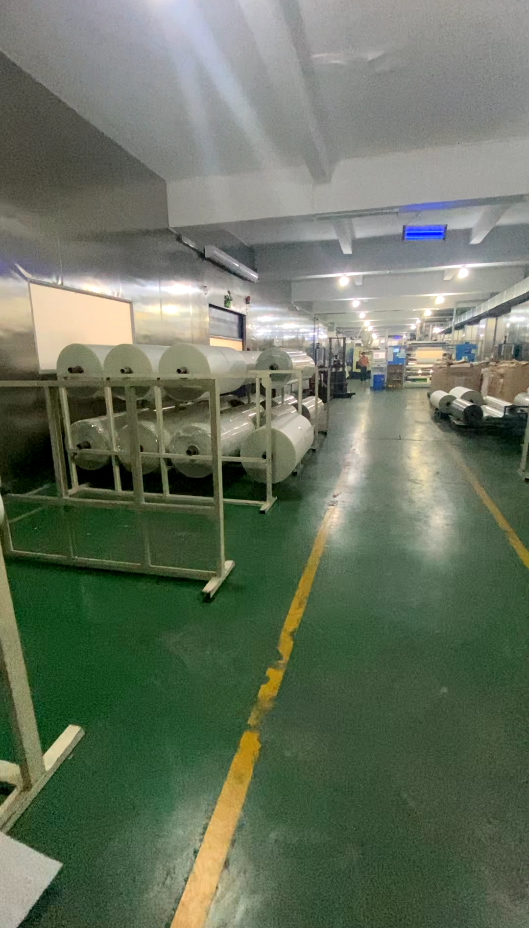
Inquire about the supplier's quality control measures. A reliable system involves full-process inspection, traceability, and a commitment to 100% inspection before shipment. This minimizes production and quality risks, ensuring consistent film performance in high-speed lamination environments.

3. Success Case: HADA's Solution for a Global Distributor
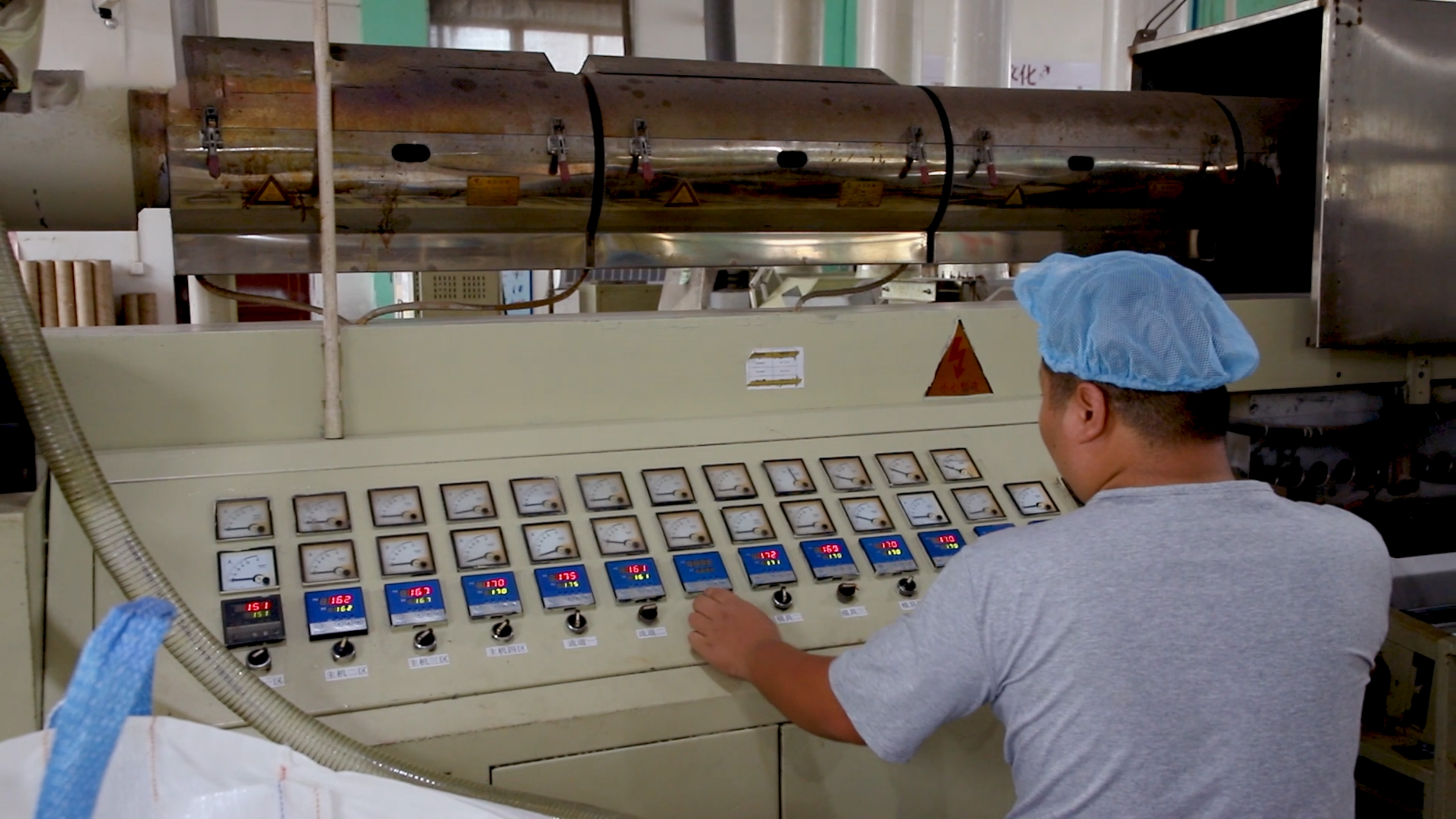
Guangzhou Huada Laminating Film Co., Ltd. (HADA), a manufacturer founded in 1992, provides a relevant case study. The company has supplied a brand importer and distributor in Germany, Australia, and the US with 600,000 packs of lamination film annually for over ten years.
The long-term cooperation resulted in zero quality complaints over the decade and reportedly helped reduce the client's lamination failure rate by 25%. The partnership highlights the importance of consistent quality, technical support for process optimization, and the supplier's ability to meet the demands of wholesale distribution under the client’s own brand.

4. Key Collaboration Points for Procurement Professionals
To ensure a successful partnership, focus on these practical steps during supplier engagement:
- Clarify Standards Upfront: Before requesting quotes, explicitly communicate the required industry standards (e.g., food contact, UV resistance) and provide target market information to ensure the supplier's materials and certifications align.
- Discuss Customization and MOQ: Understand the supplier's flexibility. The minimum order quantity is 1,000 packs for standard lamination film and 2,000pcs or 100 rolls for customized size. Clearly outline your customization needs for size, thickness, and finish.
- Establish Quality Assurance Protocols: Agree on pre-shipment inspection methods, such as AQL sampling or third-party inspection (e.g., SGS), and ensure the supplier has a clear batch traceability system.
- Plan for Logistics and Support: Confirm delivery terms (e.g., FOB Guangzhou/Shenzhen, CIF) and understand the supplier's after-sales support structure, including response time for technical or quality issues.
By focusing on these industry-specific requirements and supplier capabilities, procurement teams in the Packaging & Printing sector can make informed decisions, securing a reliable supply of laminating rolls that enhance their final products' value and durability.