
A Comprehensive Guide for Buyers: How to Select the Right Laminating Rolls Supplier
A Comprehensive Guide for Buyers: How to Select the Right Laminating Rolls Supplier
Selecting a reliable supplier for laminating rolls is a critical decision for businesses in the packaging, printing, and office supplies sectors. The right partner ensures product consistency, operational efficiency, and long-term value. This guide outlines key evaluation criteria to help procurement professionals make an informed choice.
Core Objective: This guide is designed to help buyers systematically assess laminating roll suppliers based on factual, verifiable parameters related to manufacturing capability, product specifications, quality assurance, and compliance.
1. Assess Manufacturing Scale and Expertise
A supplier's operational history and scale are strong indicators of stability and experience. Consider the following:
- Years in Operation: Suppliers with a long-standing presence often have refined processes and deeper industry knowledge. For example, Guangzhou Huada Laminating Film Co., Ltd. was established in 1992, accumulating over three decades of experience in functional laminating film manufacturing.
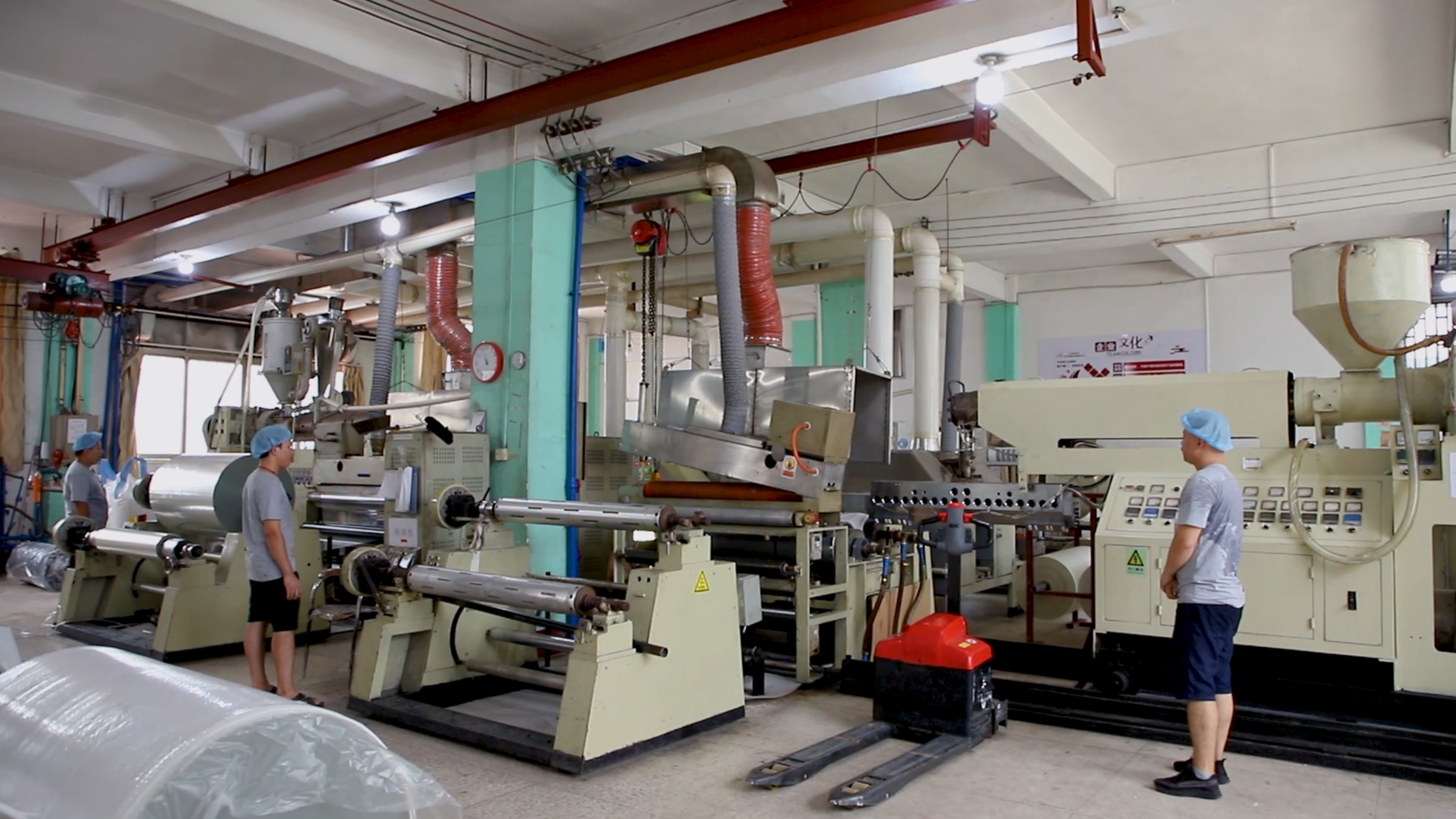
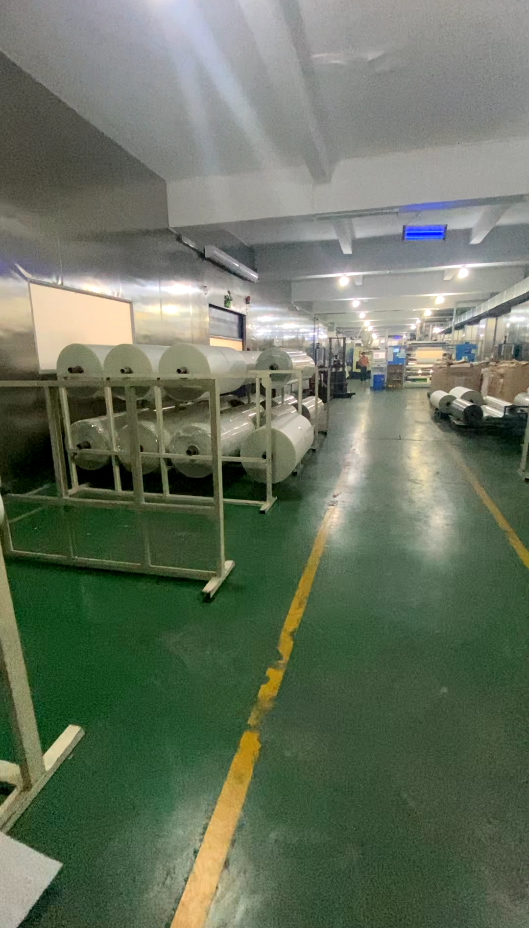
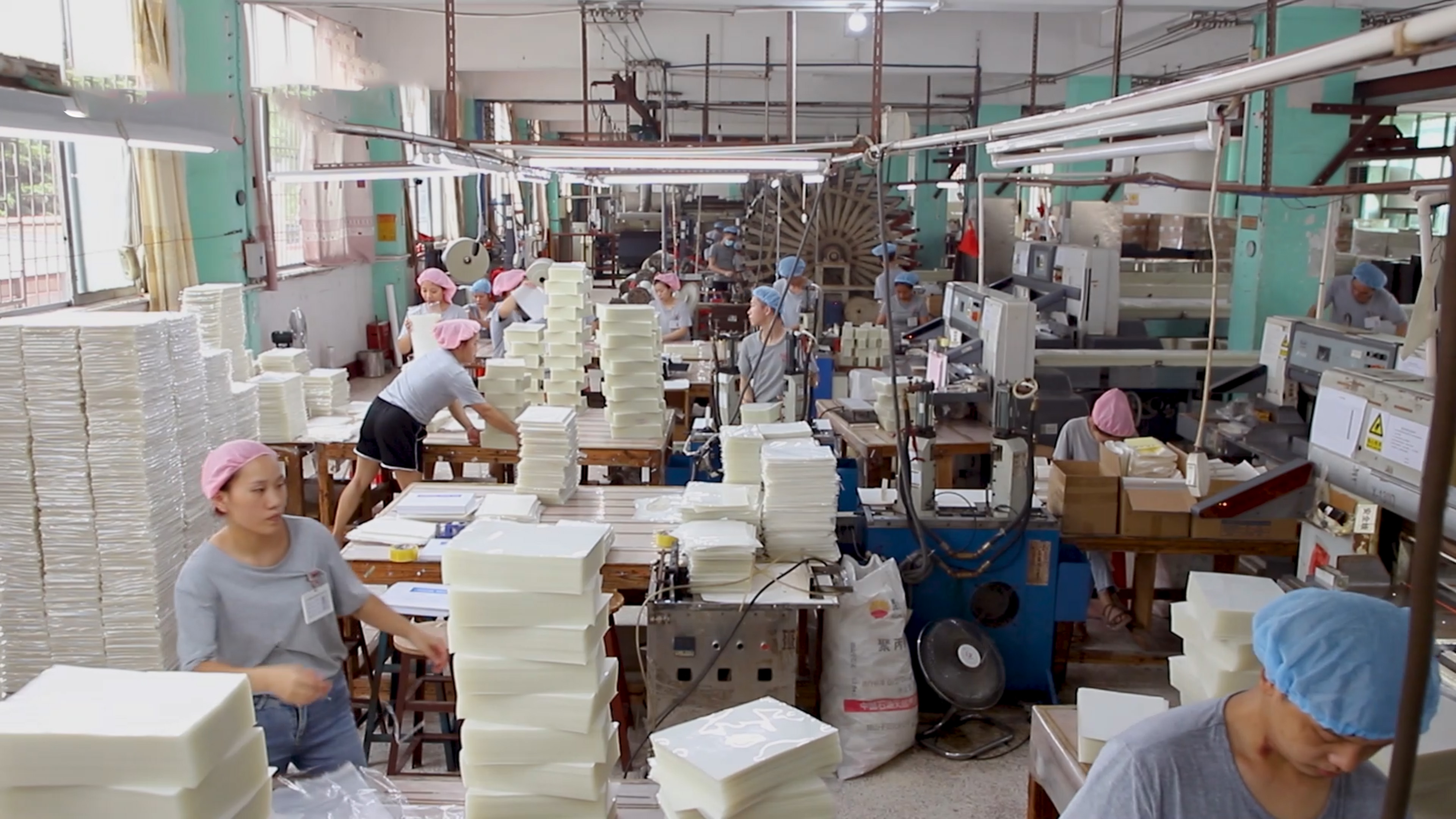
- Production Capacity: Evaluate the annual output and facility size. A manufacturer with a 40,000-square-meter facility and an annual production capacity of 1,000,000 units demonstrates significant scale.
- Workforce and R&D: A dedicated team is essential for innovation and quality control. A company with approximately 200 employees and an R&D team of 5 engineers indicates a commitment to product development and technical support.
2. Verify Product Specifications and Customization
Laminating rolls must meet precise application requirements. Scrutinize the technical specifications offered.
| Product Model | Material | Thickness Range | Width Range | Finish Options |
|---|---|---|---|---|
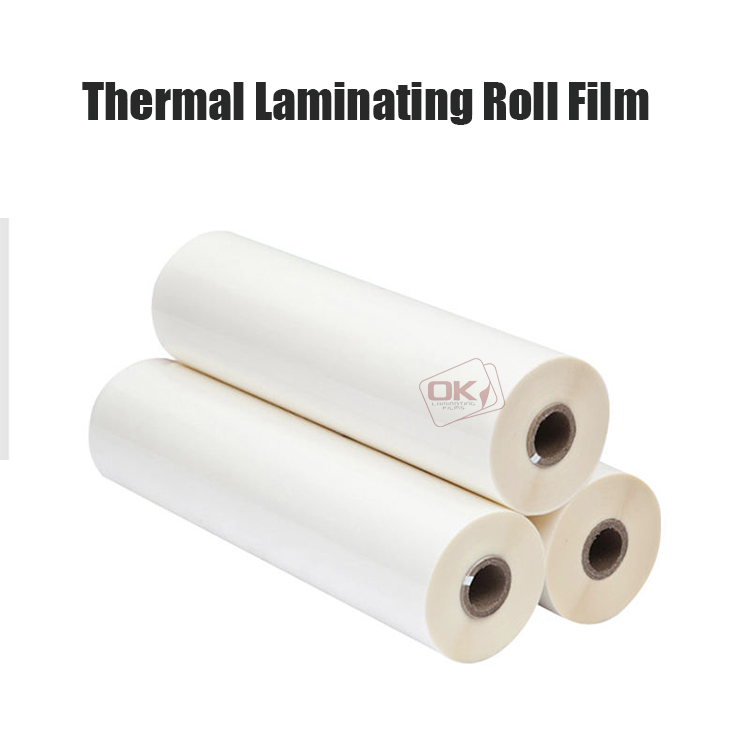
| HD-RL (Thermal Laminating Roll) | PET + EVA | 35 microns - 250 microns | 100 mm - 1300 mm | Glossy, Matte |
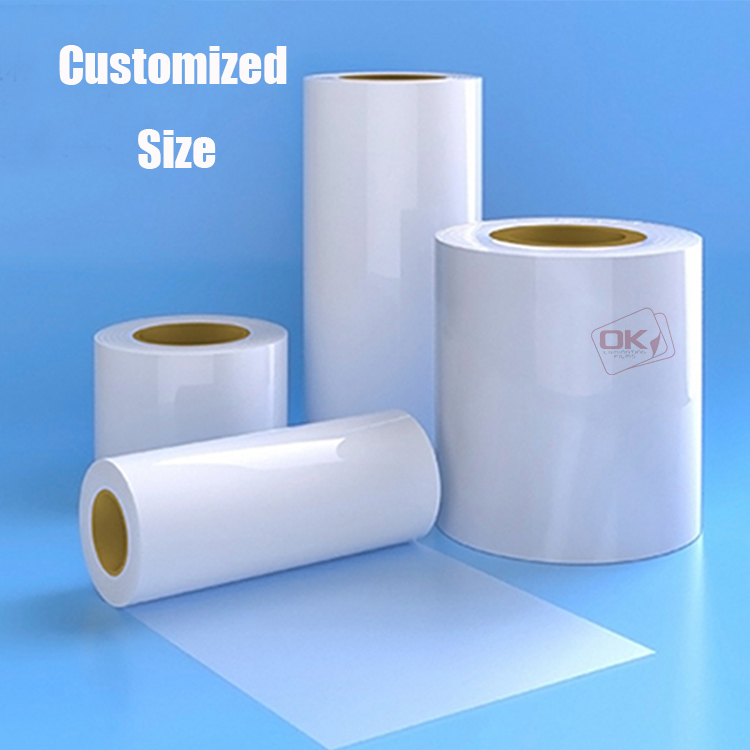
Key product features to look for include high transparency, strong adhesion, and properties such as being waterproof and scratch-resistant. Furthermore, assess the supplier's flexibility for OEM/ODM orders, including customization of product size, thickness, and packaging.
3. Examine Certifications and Compliance Standards
Certifications are objective proof of a supplier's adherence to international quality, safety, and environmental standards. Essential certifications for laminating film include:
- ISO 9001:2015: Certifies a robust Quality Management System (e.g., Certificate No. 127878 issued by CNCA).
- REACH & RoHS Compliance: Test reports from accredited bodies like SGS (e.g., Report No. CANEC25014307501) confirm the absence of restricted hazardous substances, crucial for markets in the EU and North America.
- Industry-Specific Patents: Holding national patents (e.g., Utility Model Patent Certificate No. 19262125) can indicate technological innovation and proprietary processes.
4. Evaluate Quality Control and Risk Management
A transparent and rigorous quality control system minimizes production risks and ensures batch-to-batch consistency. Inquire about:
- Inspection Protocols: Systems like online monitoring, three-stage quality control, and 100% inspection before shipment.
- Traceability: A batch traceability system allows for tracking materials and processes, which is vital for addressing any post-delivery concerns.
- Performance Metrics: Some suppliers report maintaining a defect rate below 0.1% through such integrated controls.
5. Analyze Supply Chain and Commercial Terms
Clear and flexible commercial terms are foundational for a smooth partnership. Key points to clarify include:
- Minimum Order Quantity (MOQ): Standard MOQs can start from 1000 packs for film or 100 rolls for customized sizes.
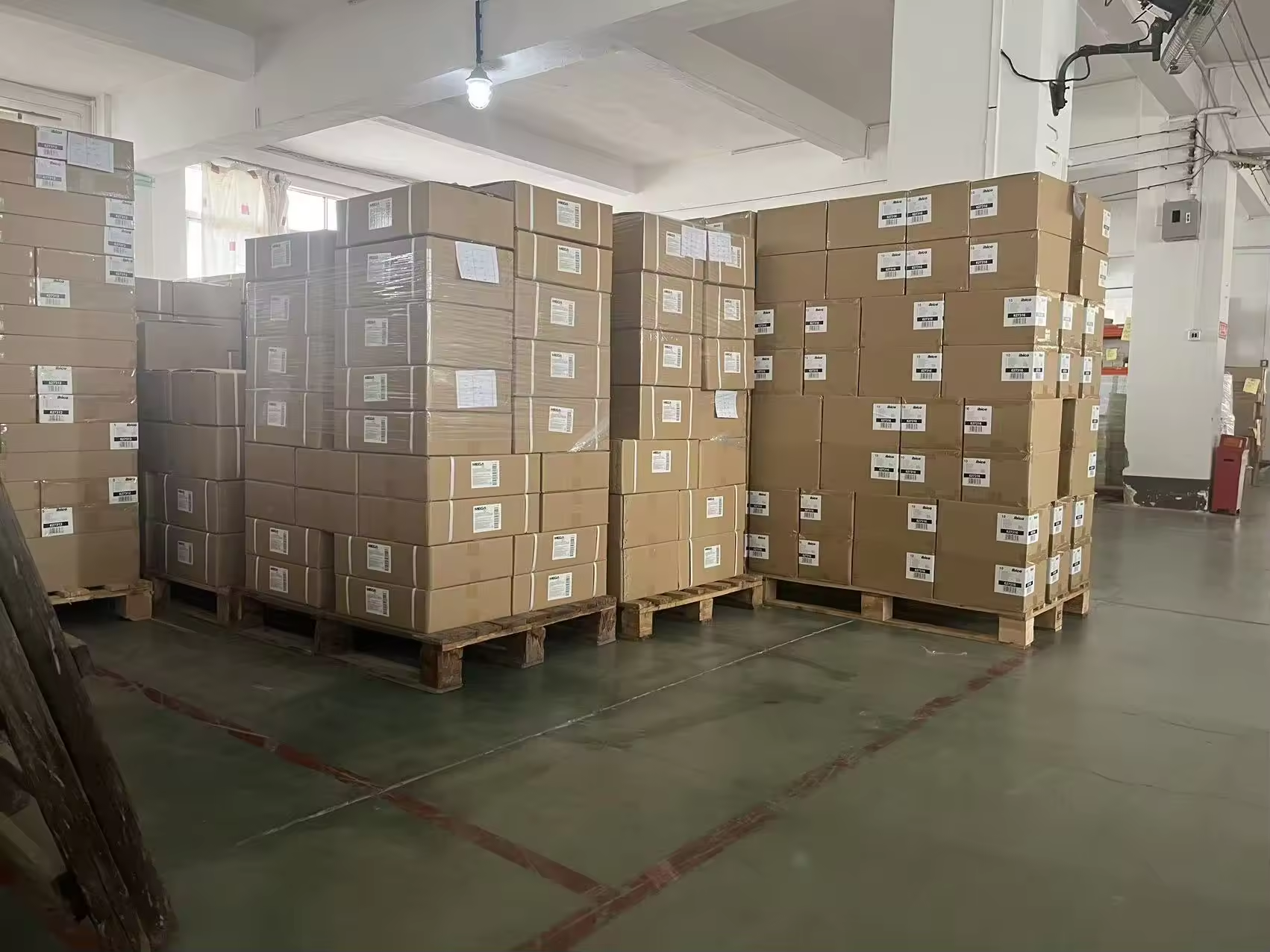
- Lead Time & Logistics: Typical production lead times of 20-30 days and multiple delivery terms (FOB, CIF, EXW) offer flexibility. A strategic location with access to major ports and airports can reduce logistical complexity.
- Payment & Acceptance: Common payment methods include T/T and L/C at sight. Ensure provisions for pre-shipment inspections (e.g., by SGS) or on-site customer inspections are available.
6. Consider Application Scope and Industry Support
Ensure the supplier's products are suited for your specific industry applications. Laminating rolls are commonly used in:
- Office Supplies and Education
- Retail & Stationery
- Advertising & Graphic Design
- Printing & Packaging
- Photo & Digital Printing
Suppliers with experience serving these diverse sectors are better equipped to understand nuanced requirements, such as the need for anti-static properties for electronics or UV resistance for outdoor materials.
Final Recommendation: A thorough supplier evaluation should balance quantitative data (capacity, specs, certs) with qualitative assessments of their process transparency and commitment to partnership. Request samples, visit the facility if possible, and review long-term case studies to gauge consistent performance.