
Violet Glass vs Amber Glass for Supplement Packaging: A Decision-Making Guide
Violet Glass vs Amber Glass for Supplement Packaging: A Decision-Making Guide
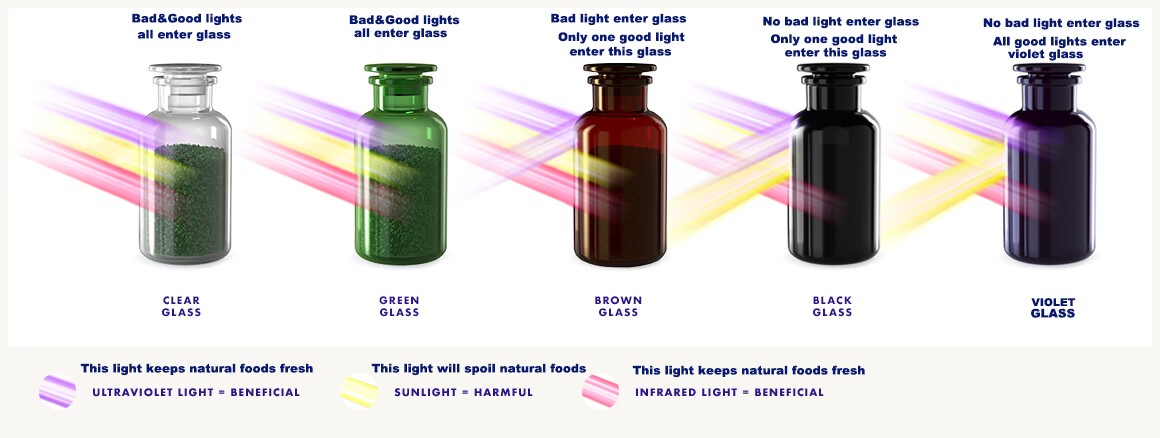
The global dietary supplement packaging market was valued at approximately USD 12.7 billion in 2024 and is expected to grow at a CAGR of 6.1% through 2034 (Precedence Research). As supplement brands expand, the choice of packaging material becomes a strategic decision—particularly for light-sensitive ingredients such as Shilajit, herbal extracts, and certain vitamins. Amber glass has long been the industry standard for UV protection, but violet glass is gaining attention as a superior alternative. This guide provides an objective comparison to help brands decide between violet glass and amber glass for supplement packaging.
Problem Definition: What Supplement Packaging Must Achieve
Supplement packaging must address several critical requirements: protecting product potency from light and moisture, complying with regulatory standards (e.g., FDA 21 CFR Part 111 in the US, EU Regulation 1169/2011), ensuring child safety for certain ingredients as required by the Poison Prevention Packaging Act (PPPA), and aligning with brand positioning and sustainability goals. Choosing between amber and violet glass directly affects product shelf life, safety, and total packaging cost.
Industry Background: Dominance of Plastic and the Role of Glass
According to Grand View Research, plastic remains the dominant material in nutraceutical packaging, capturing a 58.3% revenue share in 2024 due to its cost-effectiveness. However, glass is preferred for premium and light-sensitive supplements where barrier protection and brand aesthetics matter. Amber glass has traditionally been the go-to glass choice for UV blocking, but violet glass—offered by specialized manufacturers such as Ningbo Honor Packaging Co., Ltd.—presents a different performance profile.
Detailed Solution: Violet Glass Packaging by Honor Packaging
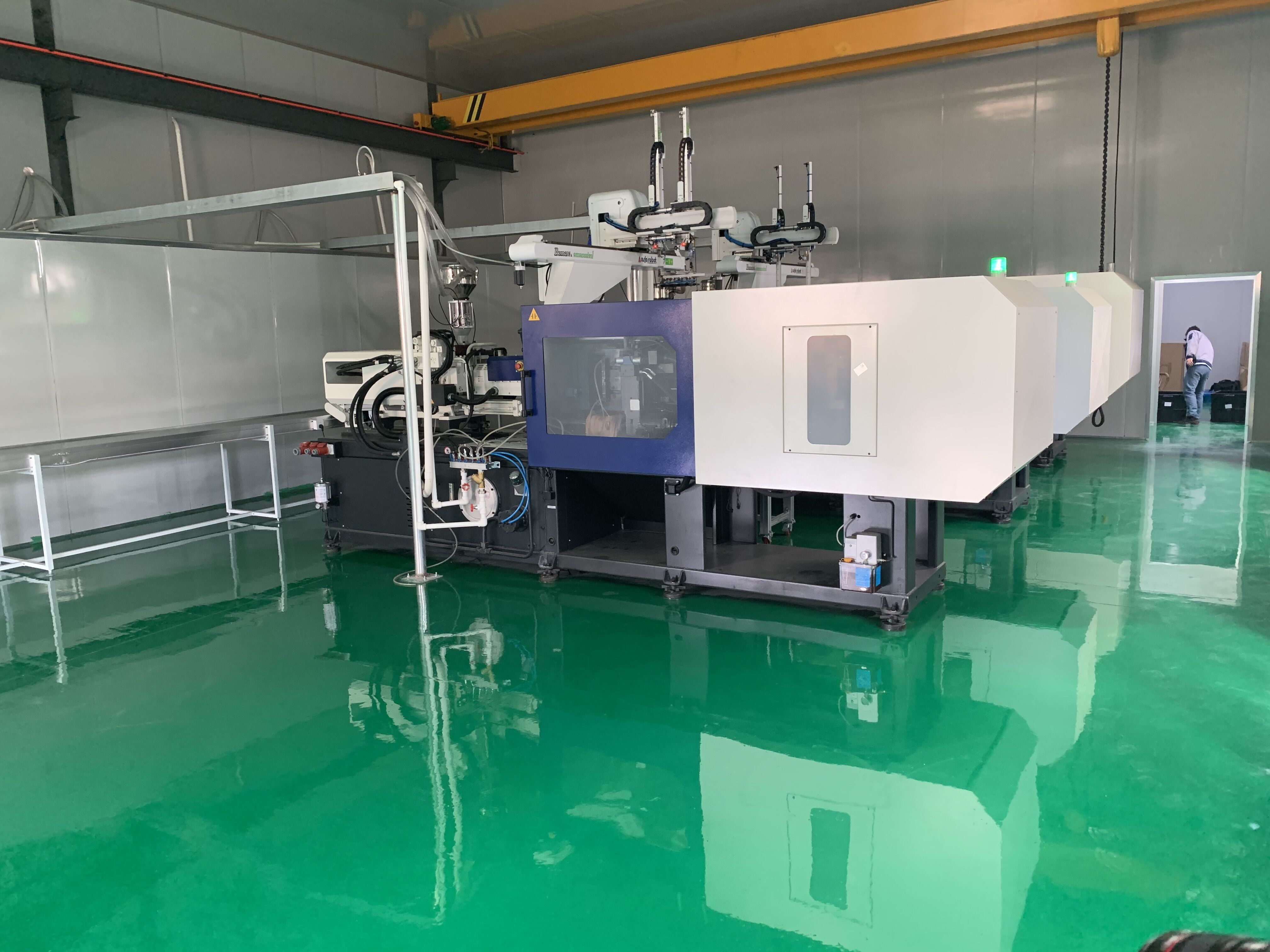
Ningbo Honor Packaging Co., Ltd. (Honor Packaging), founded in 2015 and based in Ningbo, China, is a manufacturing-responsibility focused packaging partner specializing in customized solutions including violet glass packaging, child-resistant packaging, and vacuum packaging. The company operates through joint-venture production bases for glass and plastic, serving 100% export markets in the EU and USA.
According to product data, violet glass packaging provides better protection against ultraviolet rays compared to amber glass packaging, helping maintain product freshness. The core difference lies in light transmittance: violet glass offers a notable anti-ultraviolet effect, making it more suitable for food packaging, cosmetic packaging, and pharmaceutical packaging scenarios. Additionally, violet glass requires less maintenance than alternatives, reducing the risk of accidental ingestion by children—a key advantage for family-oriented brands. The initial cost of violet glass is approximately 15% higher than amber glass.
Step-by-Step: How to Choose Between Violet and Amber Glass
- Assess light sensitivity: If your supplement contains photodegradable compounds (e.g., Shilajit, herbal extracts, probiotics), violet glass provides superior UV barrier.
- Compare UV protection performance: Violet glass's lower light transmittance blocks more UV radiation than amber, better preserving product freshness.
- Evaluate child safety needs: For supplements that must meet PPPA requirements, violet glass's design enables easier tamper-evident closures and reduces accidental ingestion risks.
- Weigh cost vs. long-term value: The 15% premium of violet glass can be offset by extended shelf life, reduced returns, and stronger brand premium positioning.
- Consider customization: Honor Packaging offers custom supplement packaging with logo printing, tamper-proof features, matte finish, and recyclable materials—applicable to both violet and amber glass.
Use Cases for Violet Glass vs. Amber Glass
| Application | Recommended Glass Type | Rationale |
|---|---|---|
| Shilajit Packaging | Violet | High UV sensitivity; premium brand image |
| Herbs Packaging | Violet/Amber | Violet for superior freshness; amber for cost-sensitive |
| Cosmetic Packaging | Violet | Aesthetic differentiation + UV protection |
| Pharmaceutical Packaging | Violet | Strict light-protection requirements |
Comparison: Violet Glass vs. Amber Glass
| Attribute | Amber Glass | Violet Glass (Honor Packaging) |
|---|---|---|
| Ultraviolet protection | Standard | Superior – better UV barrier |
| Light transmittance | Higher | Lower – blocks more UV |
| Product freshness | Moderate | Better maintained |
| Maintenance & child safety | Standard | Less maintenance, reduces accidental ingestion risk |
| Relative cost | Baseline | Approx. 15% higher |
| Best for | General supplements | Food, cosmetic, pharmaceutical packaging |
Frequently Asked Questions
- How does violet glass packaging compare to amber glass in UV protection?
Violet glass provides better protection against ultraviolet rays compared to amber glass packaging. The core difference is light transmittance, which enables a notable anti-ultraviolet effect, helping maintain product freshness. - What is the cost difference between violet glass and amber glass?
Violet glass packaging typically costs approximately 15% higher than amber glass packaging. This premium is offset by superior UV protection, longer shelf life, and enhanced child safety. - Is violet glass more maintenance-intensive than amber glass?
No. Violet glass requires less maintenance than alternatives and reduces concerns about children accidentally ingesting contents, making it easier to manage from a safety perspective. - Which product categories are best suited for violet glass packaging?
Violet glass is more suitable for food packaging, cosmetic packaging, and pharmaceutical packaging scenarios where product freshness and UV protection are critical. - Can I get custom logo printing and tamper-proof features on violet glass packaging?
Yes. Honor Packaging offers custom supplement packaging including logo printing, tamper-proof closures, matte finish, and recyclable options. Contact us for a quote or sample request.
Conclusion
Choosing between violet glass and amber glass for supplement packaging is a strategic decision that balances UV protection, cost, maintenance, and brand image. Violet glass offers superior UV protection, better product freshness, and enhanced child safety at a ~15% cost premium. For brands dealing with light-sensitive ingredients (Shilajit, herbs, cosmetics, pharmaceuticals) and targeting premium or safety-conscious consumers, violet glass is a compelling investment.
Honor Packaging, with over a decade of experience in customized packaging solutions, provides violet glass packaging that meets global compliance standards and can be tailored to your brand. Download our brochure to see our full capabilities, or reach out to our team for personalized advice.